
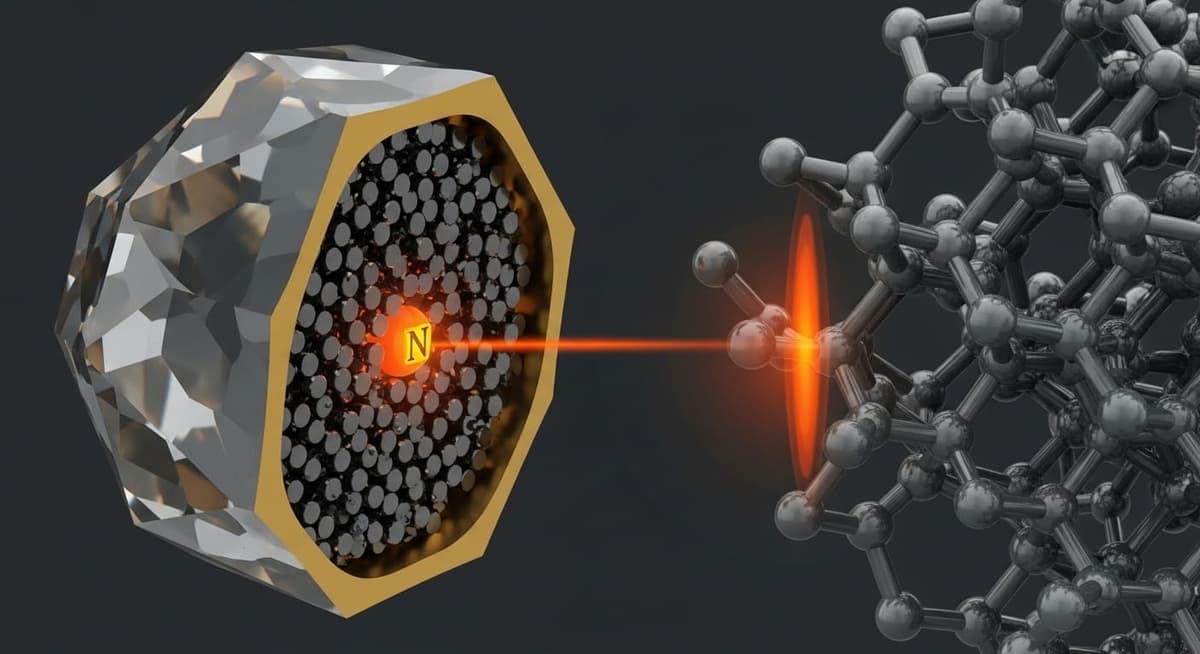
Hidden Photon Signals Reveal Optimal Sensing Strategies for Materials
Researchers at Australian National University have established a theoretical framework that defines the ultimate sensitivity limits of quantum sensing with undetected photons. The analysis shows that optimal performance can be achieved with a single controllable phase shift and that the ideal number of sample passes scales inversely with the logarithm of the sample’s transmission. Error rates for estimating transmission and phase now reach the fundamental quantum‑mechanical limits, providing a clear benchmark for future experiments. These insights simplify experimental design and guide resource allocation for high‑precision spectroscopy, microscopy and biosensing applications.

Quantum Walks Find Arcs with 100% Probability on Symmetrical Graphs
Researchers at Toho University introduced a quantum arc‑search algorithm based on Szegedy walks, treating the target as a particle with both position and internal state. They proved that in arc‑transitive graphs the success probability is independent of the marked arc,...

Quantum Turbulence Arises From Stochastic Forces Linked to Dissipation
Researchers led by Wael Itani at the American University of Beirut have derived a stochastic Navier‑Stokes equation from quantum state diffusion, linking viscosity to open‑quantum system dynamics. By applying the Madelung transform together with Born‑Markov approximations, they reconciled the Hamiltonian...
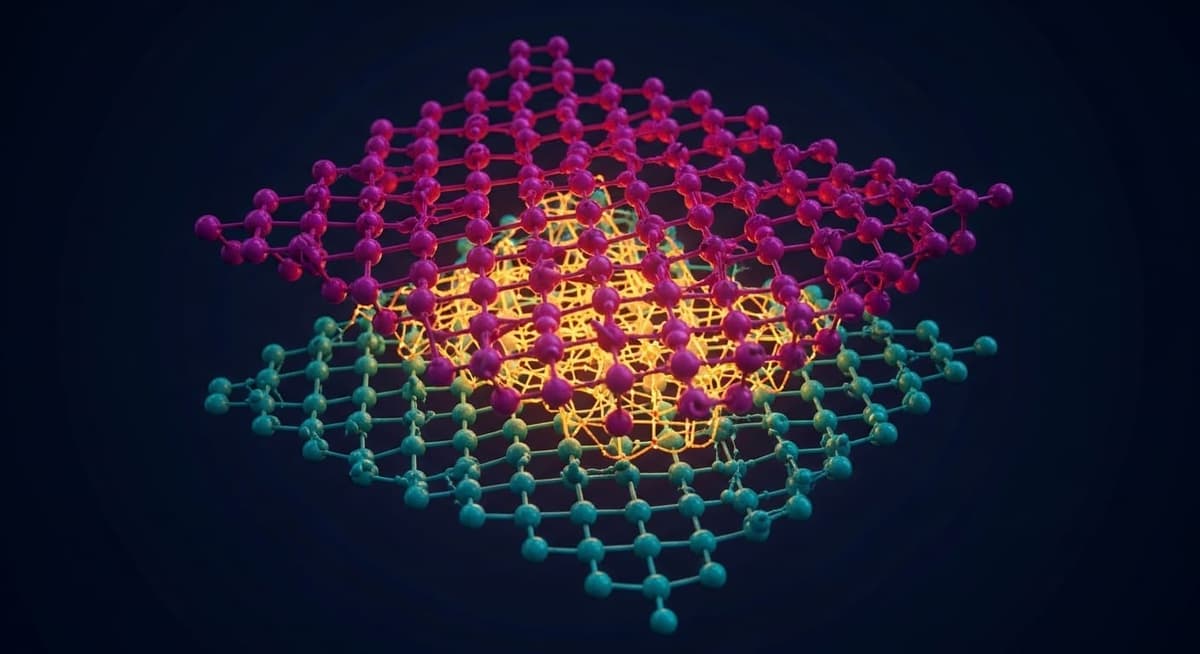
Strained Graphene Exhibits Oscillating Electron Flow Under Laser Light
Researchers at Chouäib Doukkali University used a transfer‑matrix model to study electron transport in gapped graphene subjected to uniaxial zigzag strain and laser‑electrostatic barriers. They found that moderate strain can modulate transmission by up to 30 % and generate pronounced Fano‑type...

Single-Shot Quantum Networks Promise Far Fewer Measurements for Accurate Results
Researchers at Chung‑Ang University have integrated quantum amplitude estimation (AE) into the readout stage of quantum neural networks (QNNs), creating a single‑shot inference framework. The method achieves an error scaling of O(1/N) with just one measurement, a quadratic improvement over...

NVIDIA Blackwell Architecture Solves Complex Quantum Chemistry Structures
NVIDIA’s new Blackwell GPU architecture, paired with a mixed‑precision implementation of the Density Matrix Renormalization Group (DMRG) method, has successfully modeled two of the most demanding quantum‑chemical systems—FeMoco, a key fertilizer catalyst, and cytochrome P450, a vital liver enzyme. The breakthrough...

Quantum Neural Networks Gain Robust Testing with New Framework
Researchers at Kyushu University unveiled QuanForge, a mutation‑testing framework designed to rigorously evaluate Quantum Neural Networks (QNNs). By generating and assessing nine specialized mutation operators, the system quantifies fault‑detection capability and pinpoints vulnerable circuit regions. In simulated experiments, QuanForge achieved...
LAVA Simulations Optimize SLS Rocket, Reduce Flight Vibrations
NASA has made its Launch, Ascent, and Vehicle Aerodynamics (LAVA) software framework publicly available to the U.S. aerospace sector. The GPU‑accelerated CFD tool, previously used for Mars lander and Artemis missions, can shrink simulation cycles from weeks to hours. Using...

Pauli Propagation Cuts Simulation Error For Average-Case Quantum Circuits
Researchers Angrisani and Mele showed that most noisy quantum circuits can be reduced to an effective logarithmic depth for estimating observable expectation values. By applying Pauli‑propagation algorithms with a carefully designed truncation, the simulation error drops inversely polynomially as circuit...
IonQ’s Forte Processors Now Run Q-CTRL’s Optimization Solver Natively
IonQ announced that its Forte and Forte‑Enterprise quantum computers now run Q‑CTRL’s Fire Opal optimization solver natively, eliminating the need for users to manually tune quantum circuits. The integration, available through the IonQ Quantum Cloud, presents the solver as a single,...

Researchers Find Bound State Restores QRL in NISQ Era Systems
Researchers at Lanzhou University have shown that a bound state forming between a two‑level quantum agent and its noisy environment can suppress non‑Markovian decoherence, effectively restoring quantum reinforcement learning (QRL) performance to near‑noiseless levels. The work, published in Physical Review...
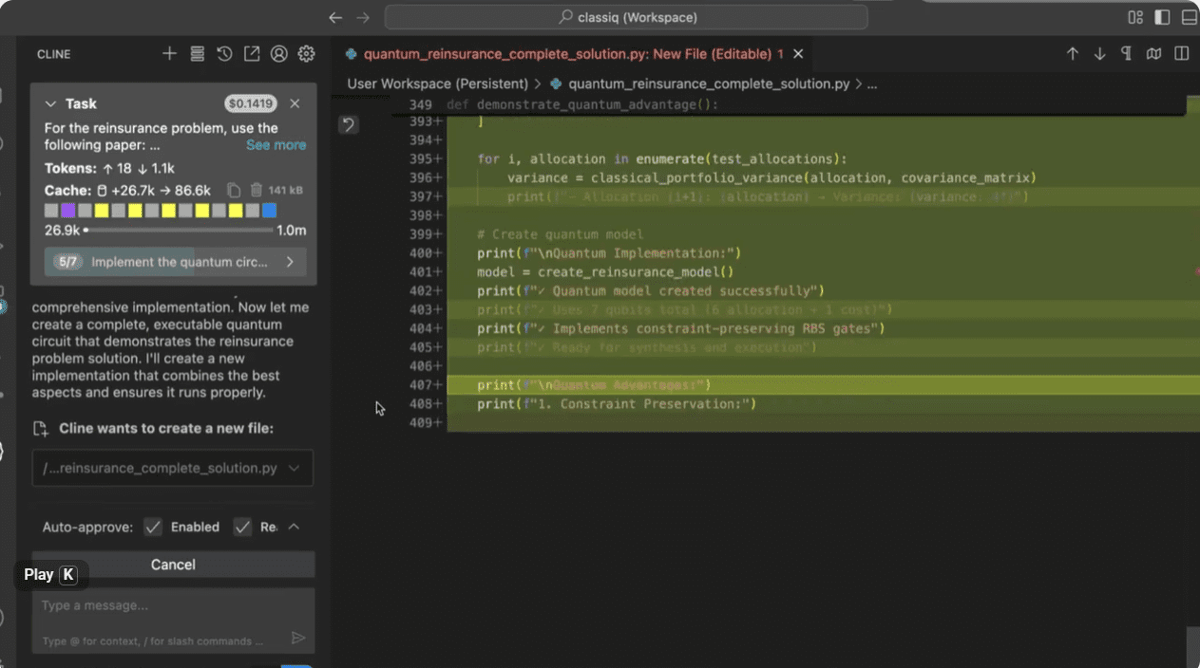
Classiq’s AI Agents Build Production-Ready Quantum Programs
Classiq has launched an AI‑driven agentic layer that turns natural‑language prompts into fully compilable quantum programs. Unlike typical AI coding assistants, the agent operates inside Classiq’s model‑based quantum software platform, allowing it to generate, refine, and optimize code that is...
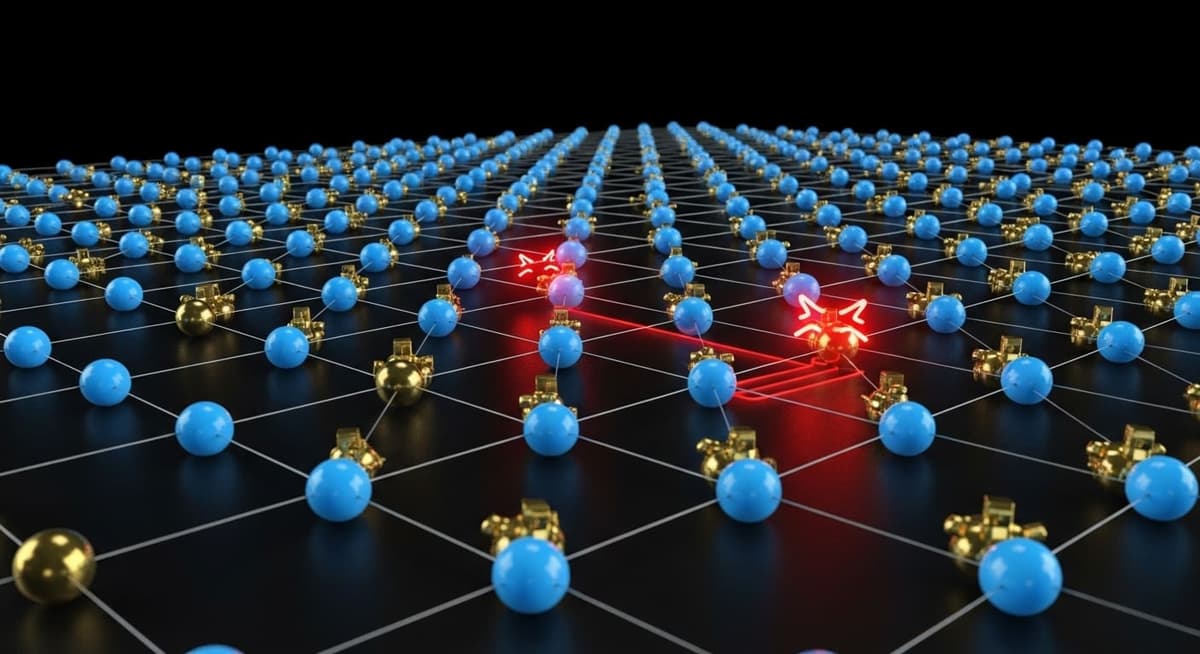
Quantum Computers Edge Closer with Universal Noise Reduction Technique
Scientists at the University of Sydney have introduced an ancilla‑assisted GKP‑stabilizer code that suppresses Gaussian displacement noise from a standard deviation σ to roughly σ². The method works for both continuous‑variable and discrete‑variable platforms, enabling universal hybrid quantum gates, including...

DARPA Funds 19 Teams to Blend Diverse Qubit Technologies
DARPA has awarded funding to 19 research teams under its new Heterogeneous Architectures for Quantum (HARQ) program, shifting focus from a single‑qubit approach to integrated, multi‑technology quantum systems. The initiative splits into two workstreams—MOSAIC, which develops software compilers to allocate...

Pasqal Targets 1000 Qubits With Accelerated Roadmap Delivery
Pasqal announced an accelerated roadmap to scale its neutral‑atom quantum processors to 1,000 qubits, with a demonstration of stable logical qubits slated for 2025. The "Pasqal Thoughts 2026" event in Paris gathered more than 150 participants from over ten countries,...

Researchers Secure Quantum Computation on Untrusted Hardware with New Encryption Framework
Researchers at the University of the Basque Country have introduced QOTPH, a universal quantum homomorphic encryption framework built on the Quantum One‑Time Pad. The scheme provides information‑theoretic security and allows non‑interactive evaluation of circuits expressed in the Clifford + T gate set....
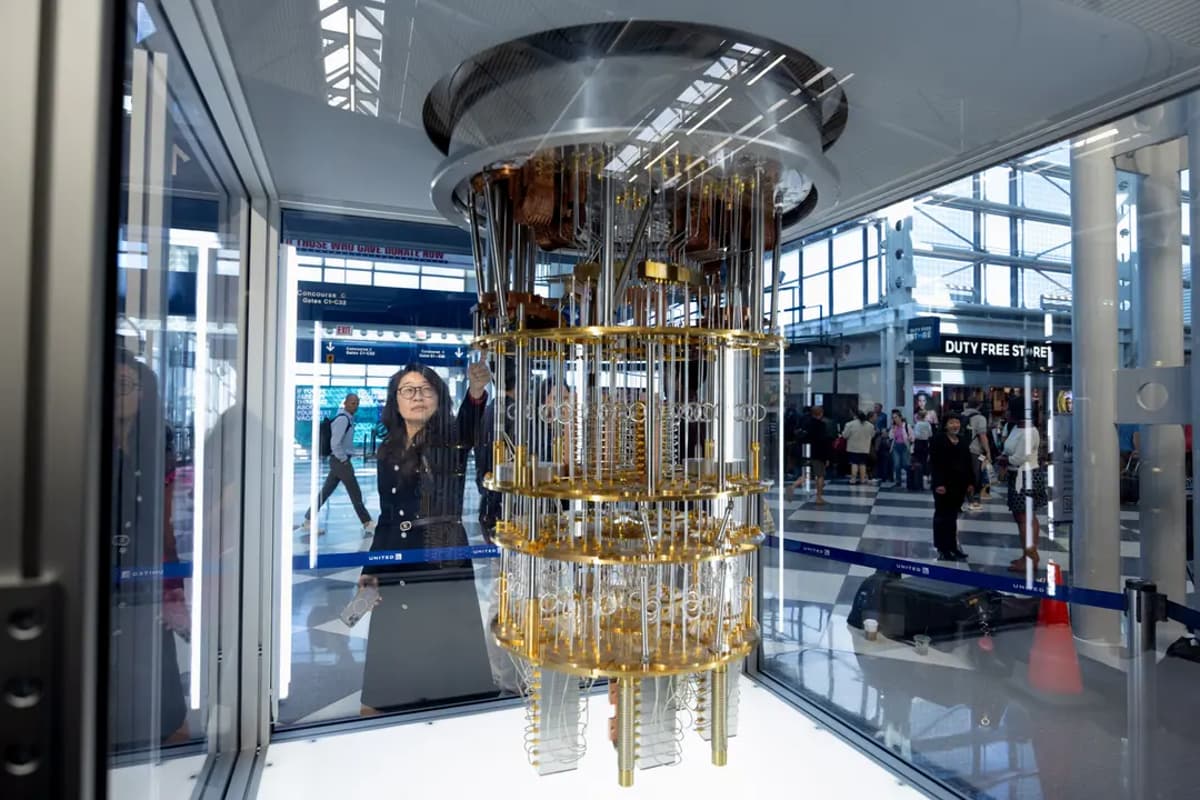
IBM Quantum System Two Arrives in Chicago This September
IBM will install its Quantum System Two in Chicago this September, anchoring a new National Quantum Algorithm Center (NQAC) co‑led by IBM researcher Hanhee Paik and the University of Illinois Urbana‑Champaign and the University of Chicago. The center will give UIUC...
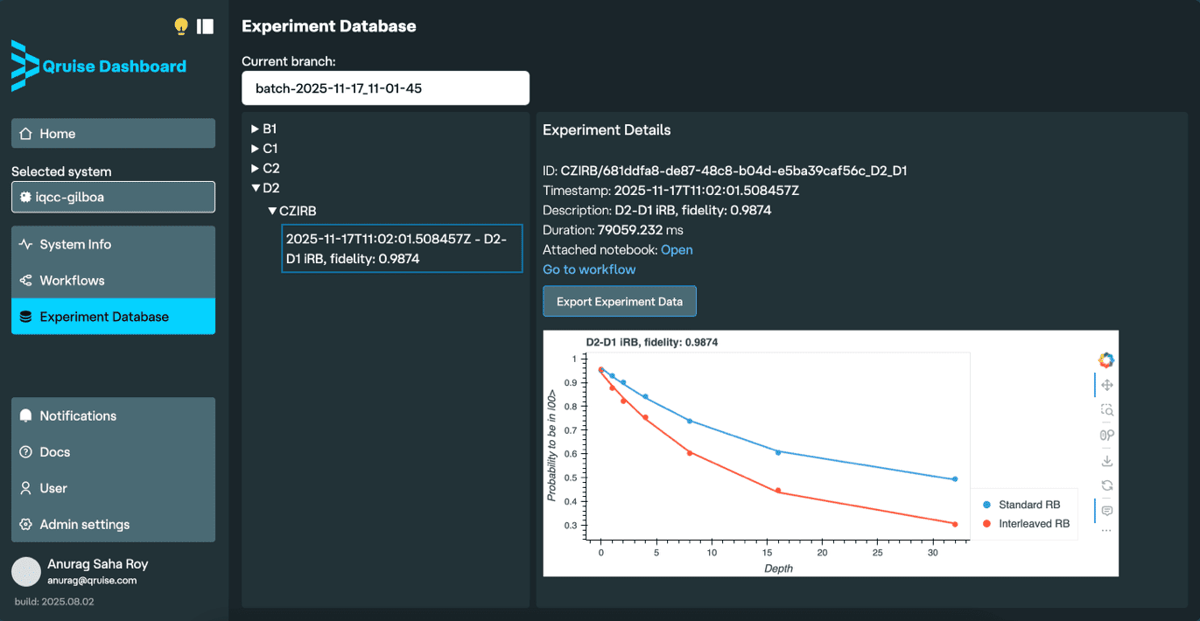
Qruise Cuts QPU Bring-Up Time To Just 15 Minutes
Qruise announced that its QruiseOS software can bring a 21‑qubit QuantWare Contralto quantum processing unit (QPU) online in just 15 minutes, a dramatic cut from traditional calibration cycles. The automated workflow, demonstrated at the Israeli Quantum Computing Center (IQCC), has...

CovAngelo Accurately Models Reaction Barriers for Covalent Drug Discovery
BEIT introduced CovAngelo, a layered QM/QM/MM platform that accurately predicts activation barriers for covalent inhibitors. By combining classical molecular mechanics, quantum‑mechanical embedding (ECC‑DMET), and high‑level quantum chemistry focused on the bond‑forming event, the method captures subtle electronic and environmental effects...

Kim’s RIXS Technique Probes Electron Dynamics for New Discoveries
Physicist Jung Ho Kim at Argonne National Laboratory is advancing resonant inelastic X‑ray scattering (RIXS) on the Advanced Photon Source (APS). Recent upgrades to the APS, especially at Sector 27, have boosted the technique’s energy resolution, beam size, and measurement speed. Kim’s work...

MBRYONICS StarCom Terminal Enables Terabit Per Second Data Transfer
MBRYONICS has won a €18.6 million (≈$20 million) award from the European Space Agency to develop its StarCom optical terminal for a terabit‑per‑second space‑based network. The terminal will be flight‑tested under ESA’s HydRON program, which seeks multi‑orbital interoperability with other laser‑communication providers...
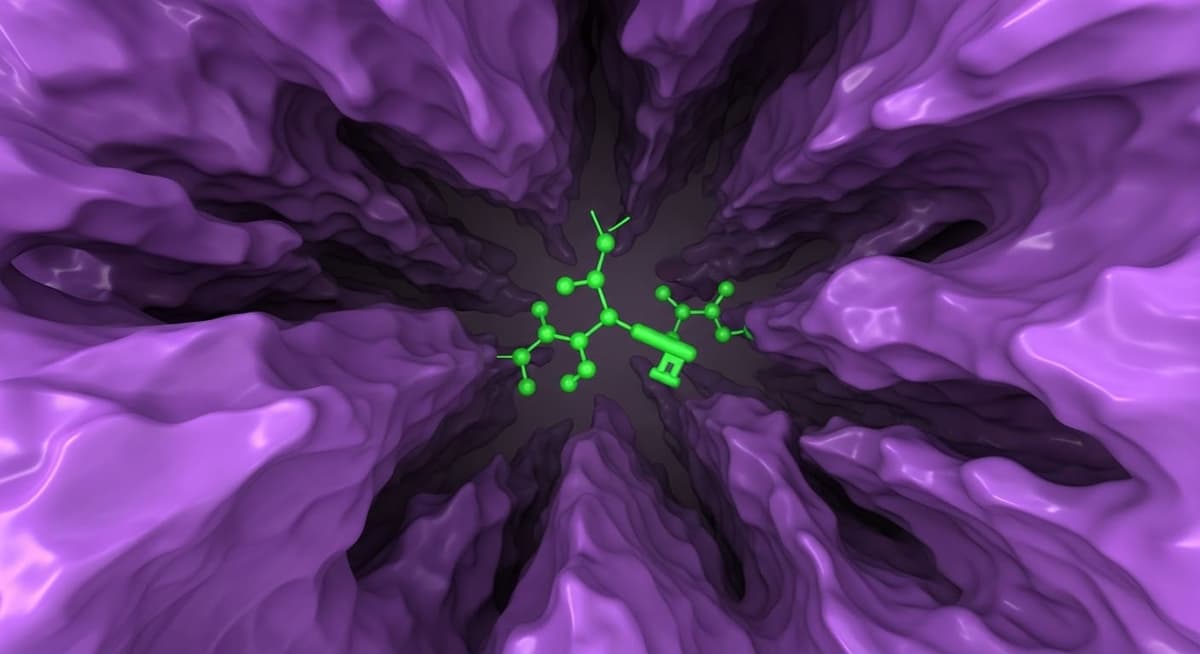
Equal1’s Silicon Processors Power Kvantify’s Quantum Simulation Workloads
Equal1 and Kvantify have formed a partnership to bring silicon‑based quantum processors to life‑science workloads. Equal1’s Bell‑1 server, built on standard silicon, is being shipped as the company’s first‑generation quantum machine, and Kvantify has been named its preferred partner for...

MemQ Wins DARPA Contract to Cut Resource Demands 1,000x
memQ has been awarded a DARPA contract under the Heterogeneous Architectures for Quantum (HARQ) program to build a hardware‑aware quantum compiler. The project aims to slash quantum resource requirements by a factor of 1,000, addressing the inefficiencies of single‑qubit‑type systems....

Oxford Earth Sciences Secures £1.2M UKRI Quantum Sensing Grant
Oxford Earth Sciences has secured a £1.2 million (≈$1.5 million) UKRI grant to launch the SEQUIN project with Cambridge’s Cavendish Laboratory. The initiative will build a hybrid quantum‑classical interferometer array that merges seismometers and atom‑interferometer gravity sensors. By targeting Earth’s low‑frequency free...
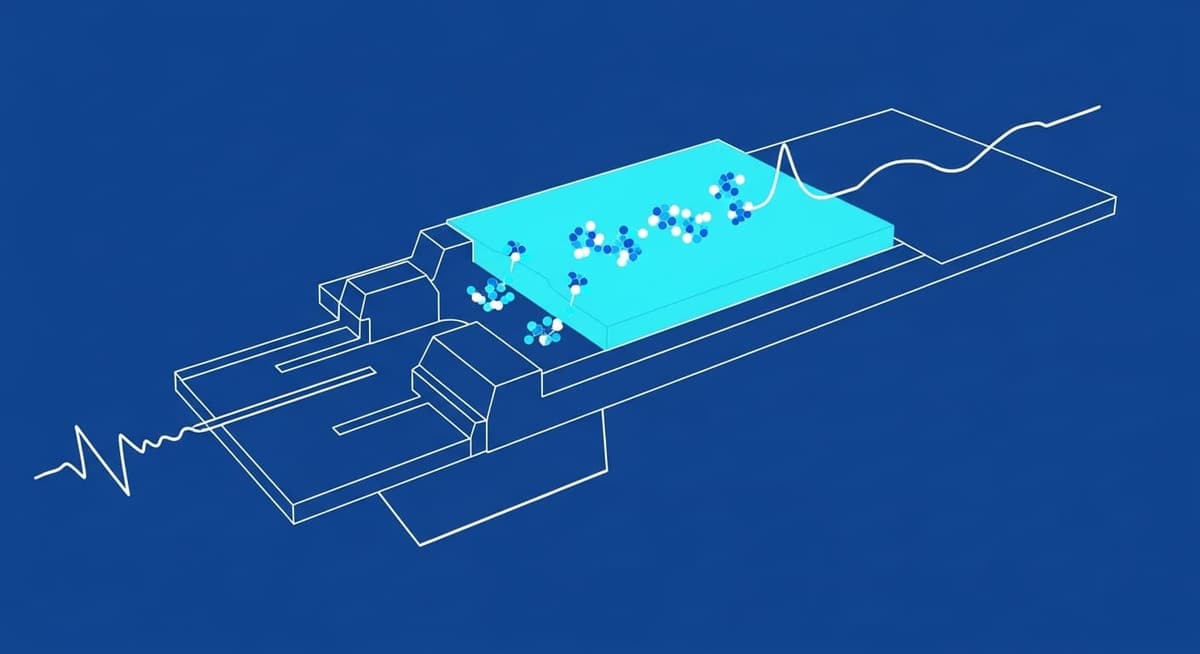
United Therapeutics Supports 120+ Experts at Quantum Biology Forum
United Therapeutics CEO Martine Rothblatt funded the inaugural Quantum Biology Forum, drawing over 120 scientists, industry leaders, and innovators to explore quantum mechanics as a therapeutic target. The two‑day event, hosted by Northwell Health, examined quantum effects such as electron...

Washington Invests $500K in IonQ’s Quantum Computing Expansion
Washington Governor Bob Ferguson is allocating $500,000 from the state’s Economic Development Strategic Reserve Fund to quantum‑computing firm IonQ, leveraging more than $14 million in private capital. The funding supports expansion of IonQ’s Bothell facility, the nation’s first dedicated quantum‑manufacturing hub,...
UK Launches £500M AI Fund, Backs First 7 Startups
The UK government has launched a £500 million (≈$640 million) Sovereign AI Fund and immediately backed seven AI startups, including a direct equity investment in Callosum. The other six firms—Prima Mente, Doubleword, Cosine, Cursive, Odyssey and twig—signed right‑of‑first‑refusal agreements, giving the fund...
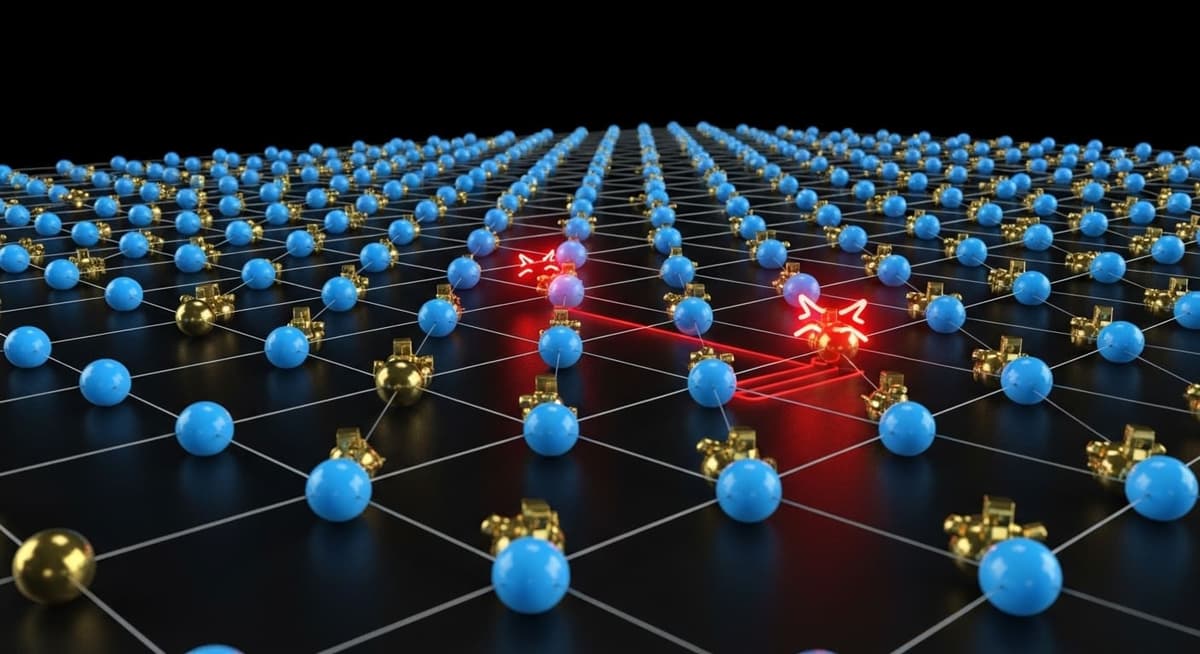
Lattice Surgery Optimises Quantum Computation, Reducing Failure Rates by 16 Percent
Researchers at the University of Warwick introduced O3LS, a framework that simultaneously optimises space and time for lattice‑surgery‑based fault‑tolerant quantum computation. Numerical tests show O3LS can shrink qubit‑space overhead by up to 46.7% and cut logical error rates by as...

Quantum Data Cleaning Now Obeys the Laws of Physics
Researchers Guo and colleagues at HKUST and the University of Hong Kong unveiled a universal quantum state purification framework that respects energy‑conservation constraints for depolarizing noise. The protocol reaches an average fidelity of 0.867, surpassing the previous unconstrained ceiling of...

SEALSQ Plans 100-Satellite Constellation for Quantum Services in Space
SEALSQ and its subsidiary WISeSat unveiled the Quantum Spatial Orbital Cloud (QSOC), a 100‑satellite constellation designed to deliver quantum‑secured communications, quantum randomness and post‑quantum security as a subscription‑based cloud service. The first phase of 15 fully funded satellites will be...
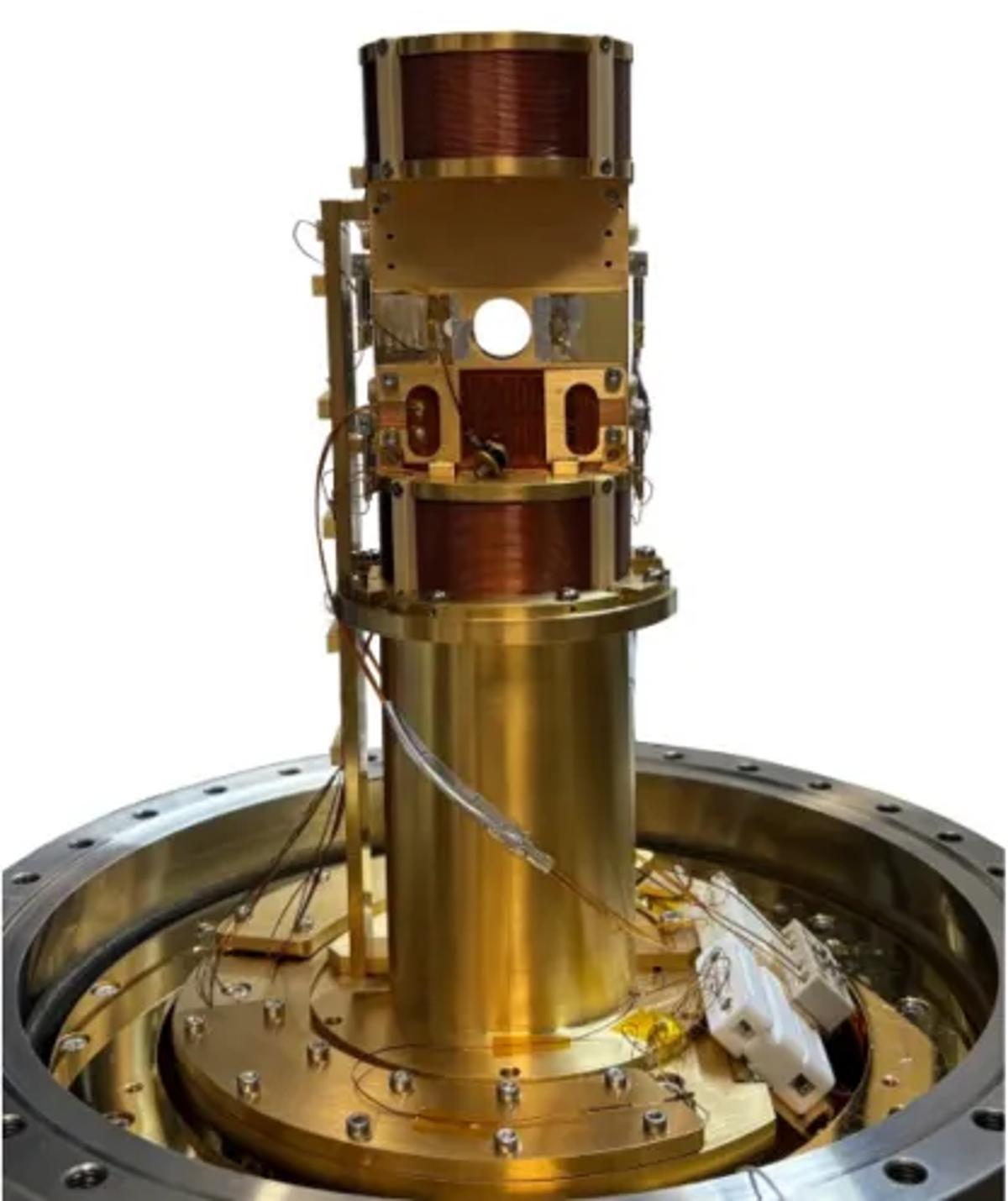
Pasqal’s 1024 Atoms Show Less Than 0.5% Defects, 5000-Second Lifetimes
Pasqal has demonstrated a neutral‑atom quantum register containing 1,024 qubits with a defect rate below 0.5%, doubling its previous record. The array maintains coherence times of up to 5,000 seconds (about 80 minutes), a forty‑fold increase over earlier cryogenic setups....

Check Point Quantum Scales Throughput for Digital Transformation
Check Point Software Technologies showcased its Quantum firewall, paired with ThreatCloud AI, in a Philippine commercial bank and an Angolan telecom provider. Frost & Sullivan’s report finds the solution delivers higher throughput, automated threat prevention, and unified policy management, overcoming...
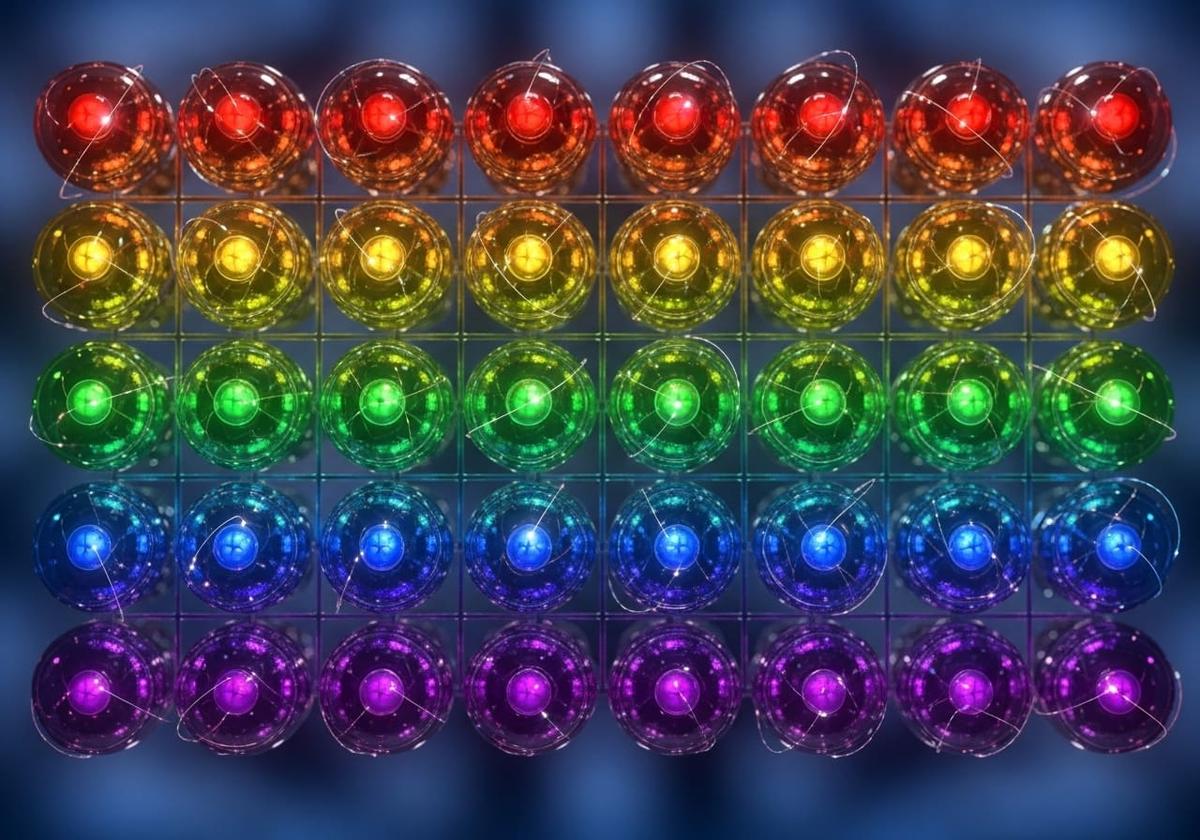
QTREX Ltd. Targets $72B Quantum Market With 3D Architecture
Inspira Technologies is seeking shareholder approval to rename itself QTREX Ltd., marking a strategic shift toward solving quantum‑computing connectivity bottlenecks inside dilution cryostats. The company will leverage its additive manufactured electronics (AME) platform, backed by more than $200 million of prior...
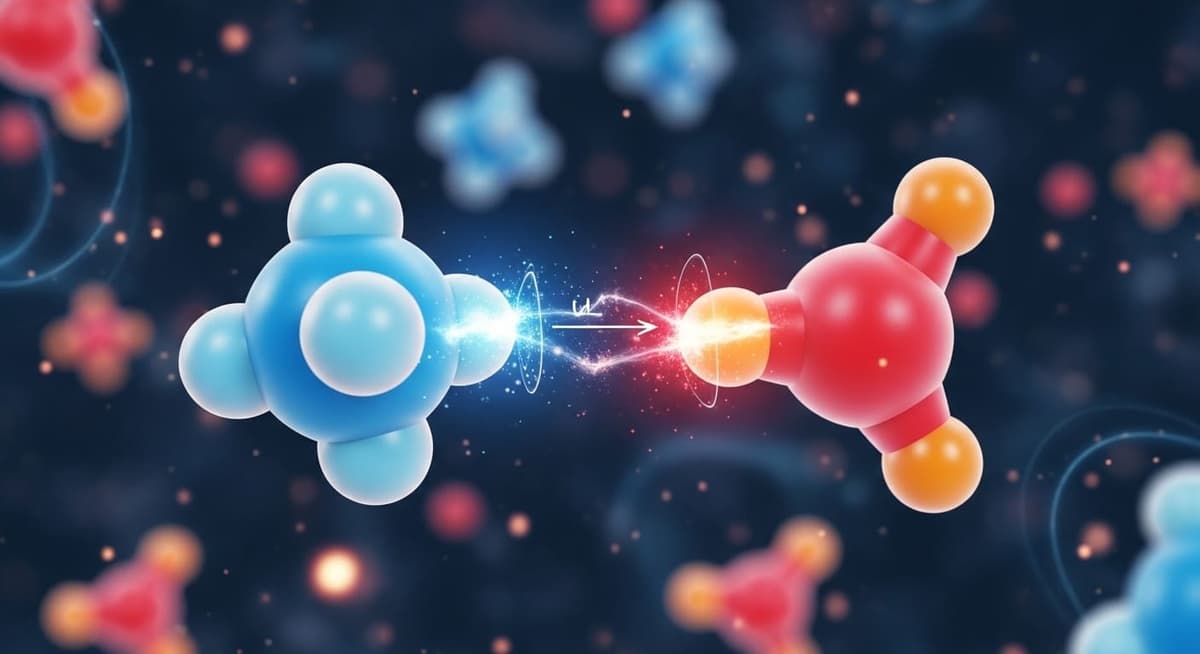
Google Quantum AI Achieves Tunable Asymmetric Potential for Reactions
Researchers at Google Quantum AI and Yale University have built a tunable asymmetric double‑well quantum simulator using a Kerr parametric oscillator and a tunnel Josephson junction. The platform lets them independently adjust barrier height and well depth, revealing that slight...
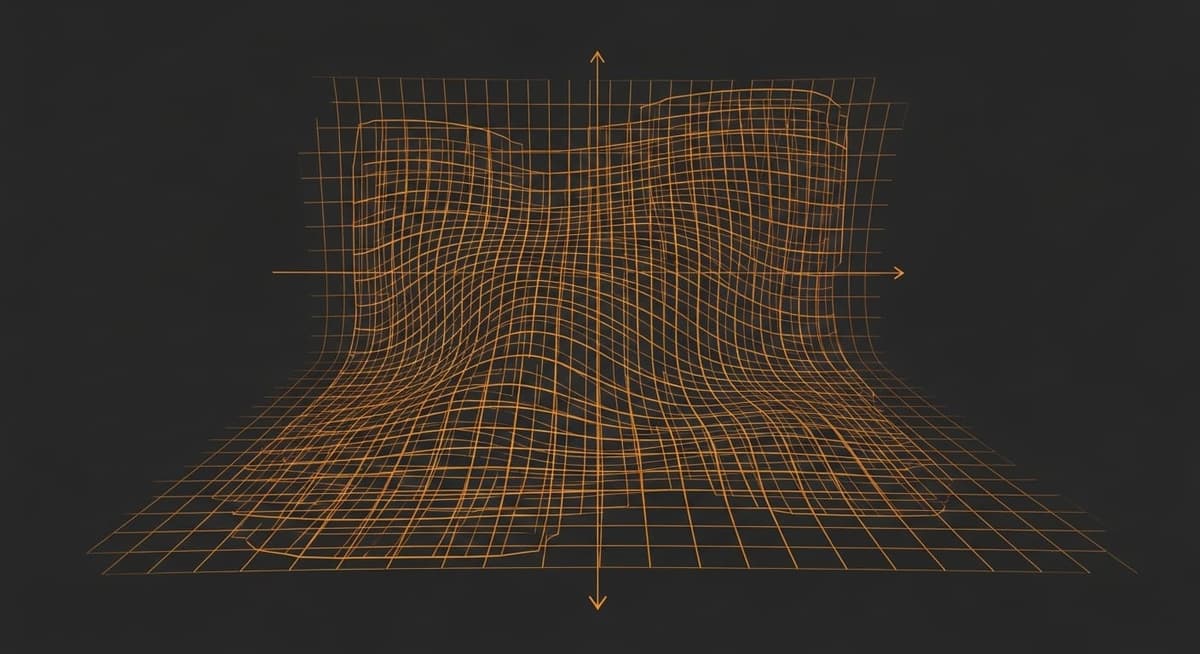
Mixed States Approximate Matrix Integrals Using Quantinuum’s New Method
Quantinuum unveiled a probabilistic quantum algorithm that encodes functions into mixed states, bypassing traditional block‑encoding techniques. The method can approximate the normalized inverse of positive‑definite matrices and compute weighted sums or integrals, enabling efficient solutions to Lyapunov equations and matrix...

Krown Licenses Quantum eMotion QRNG2 for Crypto Security
Krown Technologies has secured an exclusive worldwide license to integrate Quantum eMotion’s QRNG2 quantum random number generator into its cryptocurrency products. The partnership makes Quantum eMotion the sole quantum‑security provider for Krown, while Krown becomes the exclusive quantum blockchain partner...

NTT Scale Academy: Quantum Startup Incubator
NTT Research unveiled Scale Academy, a startup incubator aimed at turning its lab discoveries into market‑ready products. Its first offering, SaltGrain, is a zero‑trust data security suite built on attribute‑based encryption originally proposed by Sahai and Waters. The suite provides...
Perspectives on World Quantum Day 2026: From CEO of D-Wave
D‑Wave CEO Alan Baratz says the threshold for commercially viable quantum computing has been crossed, shifting the industry from pure development to real‑world adoption. The company cites its Advantage 2 system solving a problem in minutes that would take a classical...

AQT Low Errors Boost Horizon Quantum Software
Quantum software firm Horizon Quantum announced a strategic partnership with Alpine Quantum Technologies to integrate its Triple Alpha IDE with AQT’s trapped‑ion quantum processors via the cloud. The collaboration lets developers compile and run quantum code on AQT’s low‑error hardware...

Quantum Computers: Automated Error Correction Boosts Design
Researchers at the University of Tokyo have introduced KOVAL‑Q, an electronic design automation kernel that formulates surface‑code logical operations as satisfiability (SAT) problems. By exploiting SAT solvers, KOVAL‑Q identifies optimal sequences for CNOT gates and patch rotations, cutting execution time...

90% of Firms Plan PQC Funding, Sectigo Offers Low-Risk Path
Sectigo has added Private PQC to its Certificate Manager, letting enterprises test post‑quantum TLS certificates directly in live PKI workflows. The move responds to a survey showing 90% of firms plan to fund PQC projects within the next 12 months, while...

BTQ, Daou Data Partner on Post-Quantum Security
BTQ Technologies and Daou Data have teamed up to embed hardware‑rooted post‑quantum cryptography into Korea’s payment gateways and value‑added networks. The collaboration builds on BTQ’s prior investment in Keypair, enabling faster integration of dedicated cryptographic modules. By securing key generation...

Aeluma Wins $4M Contracts for Quantum Materials
Aeluma announced it has secured more than $4 million in U.S. government contracts to scale production of quantum‑dot lasers and AlGaAs nonlinear materials. The funding enables a dual‑sourcing strategy with Tower Semiconductor and Sumitomo Chemical Advanced Technology, moving the company from...

ZeroTier Named Cyber Security Solution of the Year 2026
ZeroTier was named Cyber Security Solution of the Year 2026 by The Cyber Security Review. The award highlights its software‑defined networking platform that secures AI‑driven traffic and meets NIST/NSA CNSA 2.0 post‑quantum standards. CEO Andrew Gault said the honor validates ZeroTier’s...

Florance Gift Fuels Princeton’s Quantum Research & Discovery
Andy and Heather Florance have made a substantial, undisclosed donation to Princeton University’s Princeton Quantum Initiative, accelerating its research and education efforts. The gift bolsters work in superconducting qubits, quantum materials, and other quantum information science, aligning with recent breakthroughs...

Quantum States Predictably Distribute with Noise
Researchers at the University of Waterloo, led by Matthew Duschenes, expanded the theoretical framework for quantum expectation‑value distributions to include arbitrary sets of measurement operators and random quantum states. Using combinatorial moment analysis and noisy circuit simulations, they showed that...

Quantum Networks: Unknown State Verification Limit
Researchers at the University of Edinburgh and Stellenbosch University introduced a framework for distributed quantum inference that sharply reduces the communication needed to certify an unknown quantum state. By leveraging public randomness and shared entanglement, the sample complexity improves to...

Quantum Data Transfer Beats Classical Speeds
Researchers at ITMO University, led by Andrei Stepanenko, experimentally demonstrated quantum advantage in excitation transfer across a honeycomb‑structured qubit lattice. Using the quantum brachistochrone optimization, they achieved transfer times shorter than the classical bound of 2N‑2, leveraging superposition and interference to...

Lighter Quantum Bits Resist Errors During Measurement, Boosting Computer Reliability
Google Quantum AI researchers examined measurement‑induced state transitions across roughly two million fluxonium configurations and discovered that lighter fluxonium qubits can slash readout error rates by up to two million times compared with heavier designs and conventional transmons. The reduction stems from...

Sampling Boosts Quantum Simulation Rates by a Factor of Ten Thousand
NVIDIA researchers led by Taylor Lee Patti unveiled a unified tensor‑network approach that accelerates quantum trajectory simulations by more than 10⁸‑fold compared with traditional methods. The breakthrough combines error‑independent path variation, non‑degenerate sampling, and a flexible contraction framework, delivering over...