
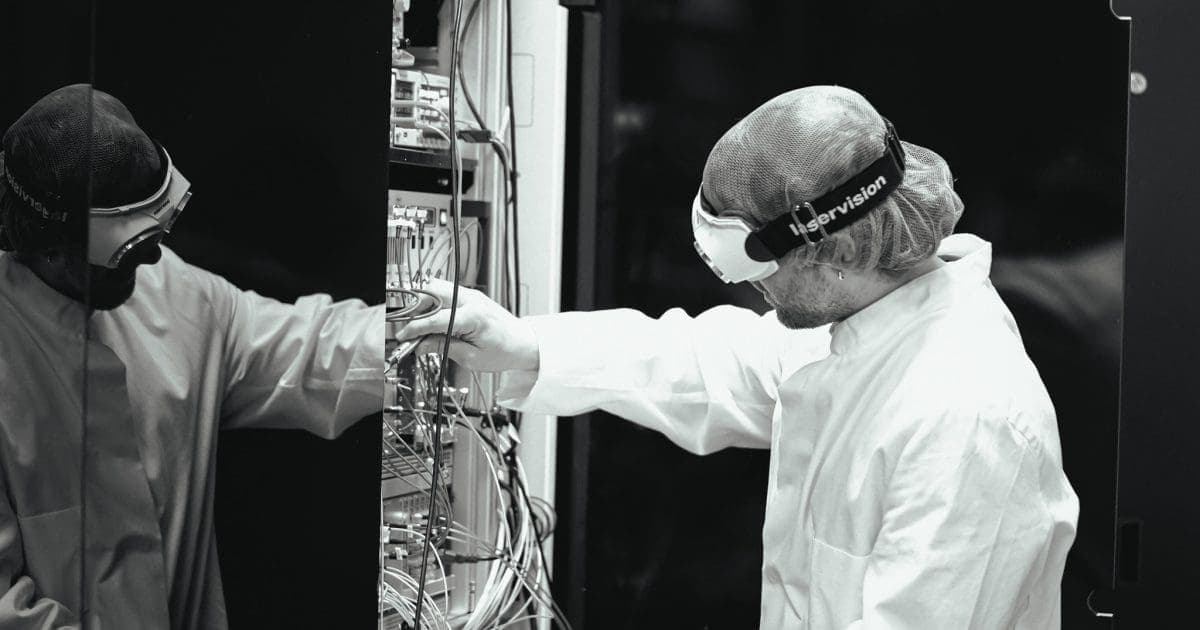
50-Qubit QUDORA System to Scale to 200 With New Designs
Fixstars Amplify has become the first Japanese firm to embed QUDORA Technologies' 50‑qubit ion‑trap quantum processor into its cloud‑based optimization service. The system boasts a coherence time exceeding 60 seconds, promising higher accuracy for hybrid algorithms such as QAOA. QUDORA also offers the Qamelion Emulator for early access, while developing a 200‑qubit QPU using its proprietary NFQC technology. The partnership expands quantum‑computing availability in Japan and positions the duo for future scaling.
Israel Quantum Computing Companies 2026: Complete Vendor Guide
Israel’s quantum computing ecosystem has become one of the world’s most capital‑efficient and modality‑diverse, anchored by the Israeli Quantum Computing Center (IQCC) and a $336 M public investment from the Israel National Quantum Initiative. Ten firms—including control‑electronics leader Quantum Machines, software...

Netherlands Quantum Computing Companies 2026: Complete Vendor Guide
The Netherlands has built one of the world’s densest quantum‑computing ecosystems, anchored by the QuTech institute in Delft and powered by the €615 million (≈$670 million) Quantum Delta NL programme. Private capital has surged sixteen‑fold since 2019, reaching about €160 million (≈$174 million) across...

BitGo Completes Quantum MPC Simulation with FIPS 204 Standard
BitGo Holdings and Silence Laboratories have completed the first post‑quantum multi‑party computation (MPC) transaction simulation run by a regulated custodian. The demo leveraged Silence Labs’ new PQ‑MPC protocol built on the NIST‑approved ML‑DSA signature algorithm standardized in FIPS 204, and was...
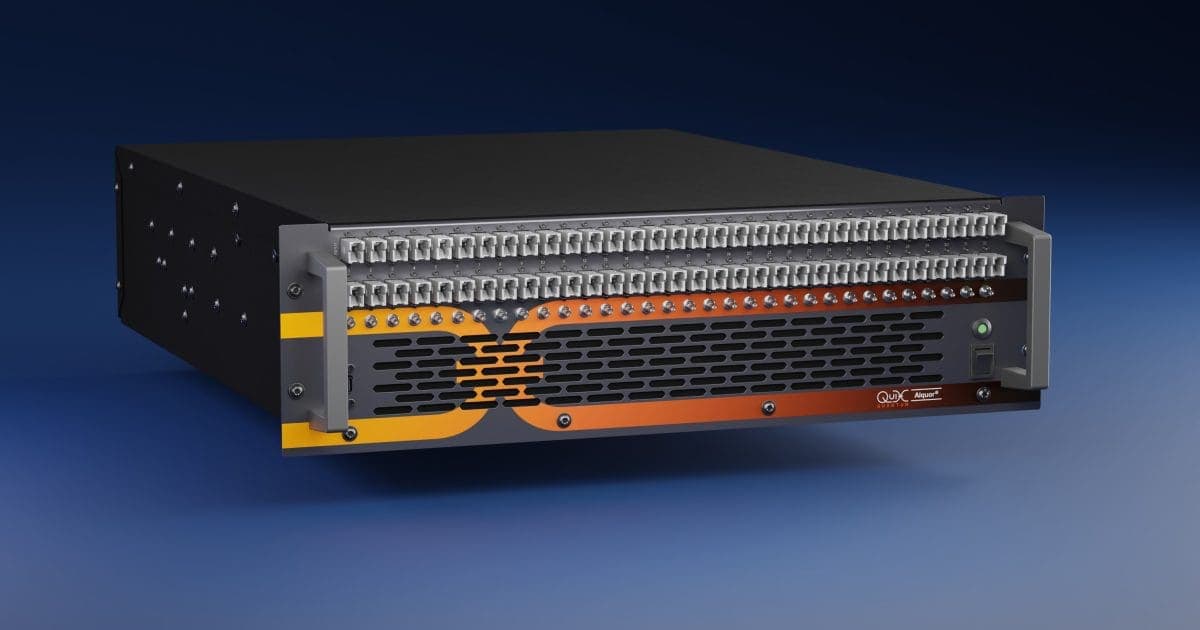
PACU Hosts 1,000 Phase Shifters for Scalable Quantum Control
QuiX Quantum unveiled the Photonic Assembly Control Unit (PACU), a 3U rack‑mount system that can host up to 1,000 low‑speed and 32 high‑speed phase shifters for photonic quantum computers. The unit standardizes the interface between classical electronics and photonic chips,...
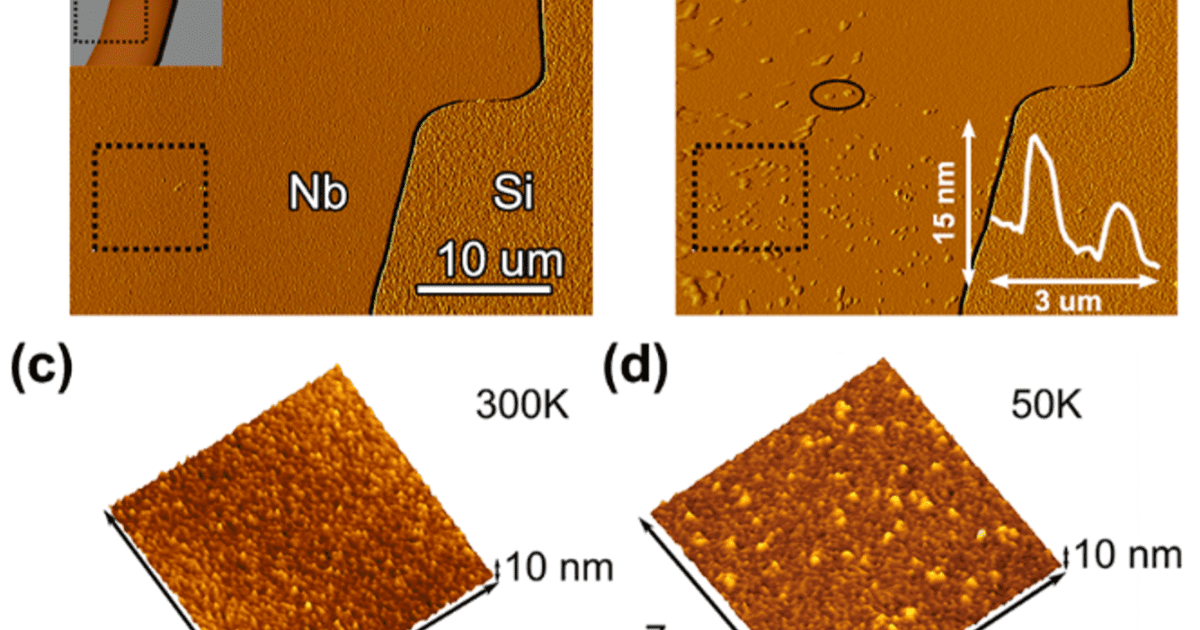
X-Ray Data Confirms Niobium Hydrides Limit Qubit Stability
Researchers at Fermilab, led by Zu Hawn Sung, identified niobium hydrides as the source of surface “hills” that cause decoherence in superconducting qubits fabricated by Rigetti. Using atomic‑force microscopy, X‑ray diffraction and mass spectrometry, they showed the hydrides form as...
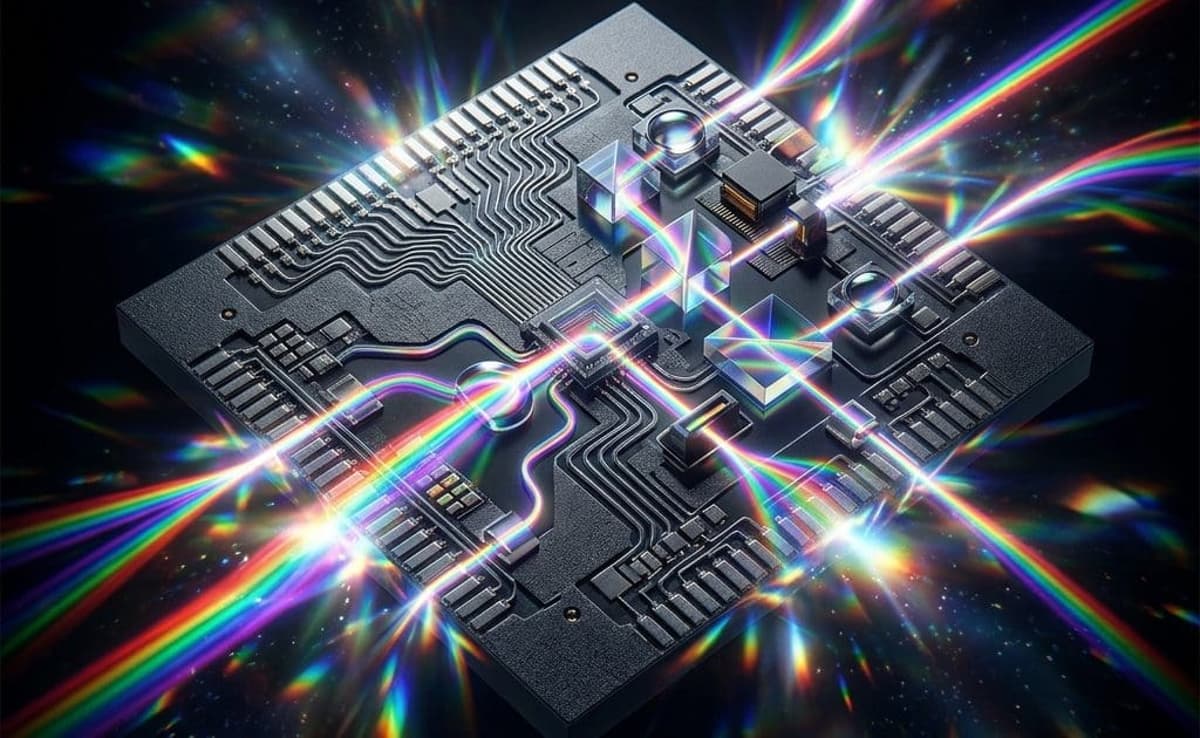
ORCA’s PT Series Quantum Systems Join Digital Realty Innovation Lab
ORCA Computing has placed its PT Series photonic quantum systems in Digital Realty’s newly launched London Innovation Lab, allowing enterprises to test quantum and AI workloads in a standard data‑center environment. The PT Series operates without cryogenic cooling, enabling seamless...

Nanosys Receives $2M to Develop Heavy-Metal-Free Quantum Dots
Nanosys Inc. secured a $2,000,001 grant from the U.S. Department of Energy to create heavy‑metal‑free quantum dots for solid‑state lighting. Partnering with the University of California, Merced, the team will target LEDs operating at up to 150 °C and 1 W/mm², aiming...
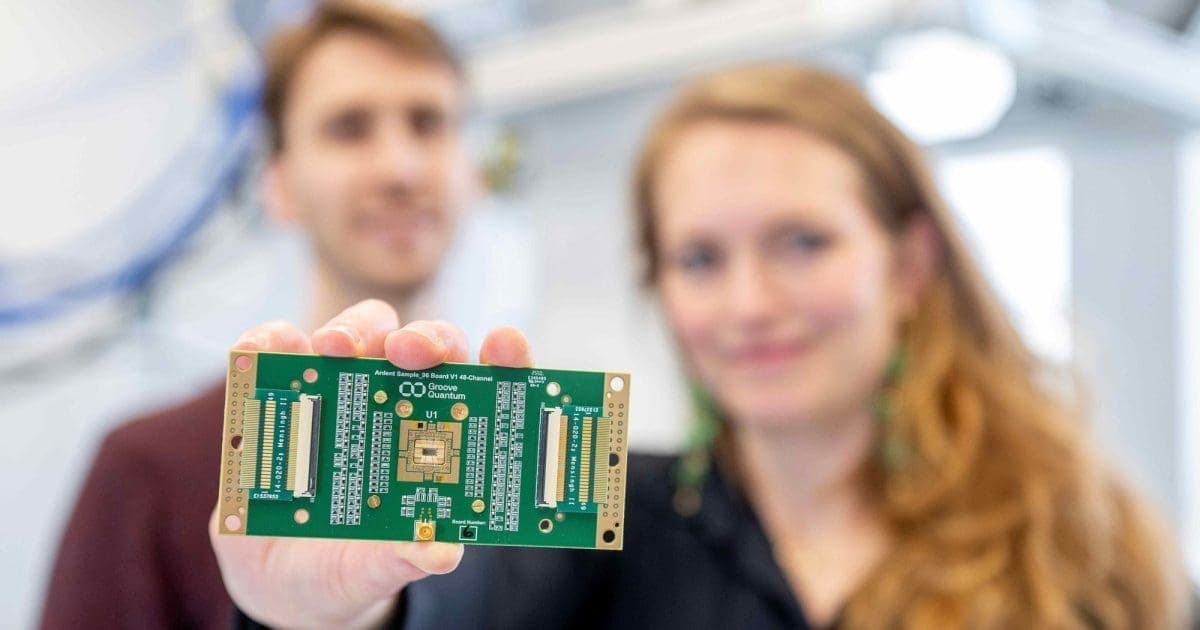
Semiconductor Qubits Target 2% of Global Energy Use
Delft‑based Groove Quantum announced an operational 18‑qubit quantum processor built from germanium, surpassing other semiconductor‑based rivals. The startup argues germanium’s material properties and the semiconductor industry’s 80‑year manufacturing base give it a scalability edge over silicon‑based approaches. It targets high‑impact...

AdventHealth Cuts Admin Time 80% With ChatGPT
AdventHealth has deployed OpenAI’s ChatGPT across its nine‑state network to automate routine administrative work, achieving an 80 percent reduction in time clinicians spend on utilization management and other back‑office tasks. Physician advisors now reclaim roughly eight minutes per case, while finance,...
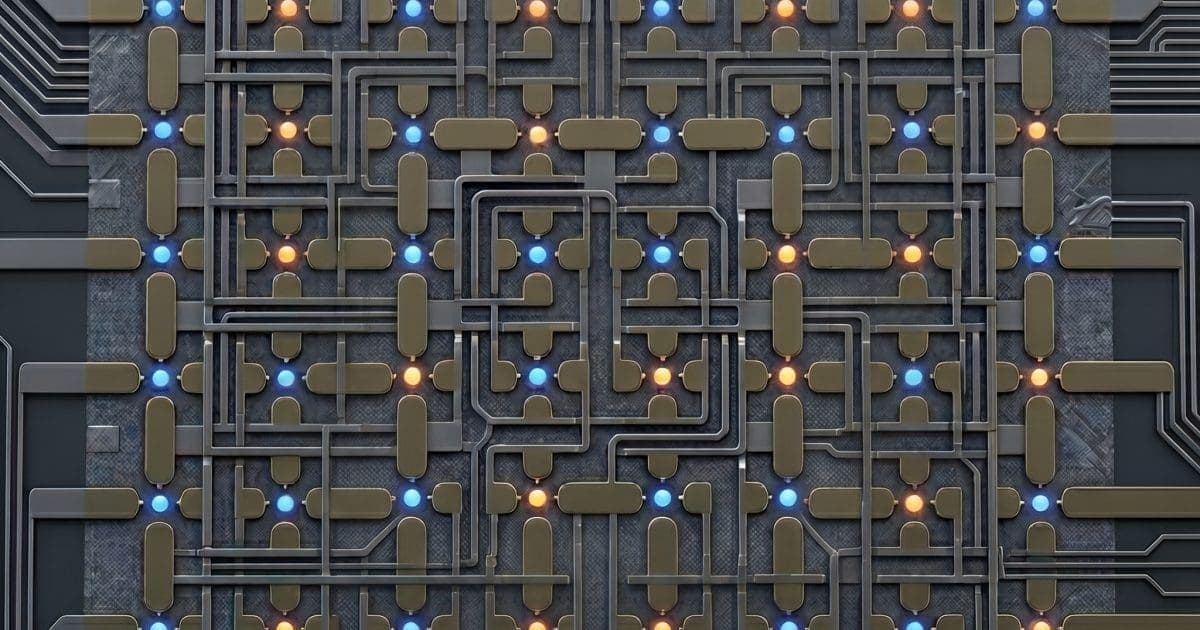
$38M CHIPS Act Award to Scale Diraq Silicon Quantum Processors
Diraq has secured a Letter of Intent for $38 million from the U.S. Department of Commerce’s CHIPS Research and Development Office to scale its silicon‑spin quantum processors. The funding builds on more than 25 years of Army and DARPA support and targets...

8×H100s Trained Models Within 10-Minute Budget in Challenge
The Parameter Golf competition challenged over 1,000 participants to train models on eight NVIDIA H100 GPUs within a ten‑minute window and a 16 MB artifact limit. More than 2,000 submissions showcased a spectrum of tactics, from optimizer fine‑tuning to novel quantization...

Robots Learn Navigation Using Quantum Processing and Achieve Stable Trajectories
Researchers at NYUAD and NYU introduced Q‑SpiRL, a quantum spiking reinforcement‑learning framework that combines variational quantum circuits with spiking neural networks for robot navigation. In simulated grid‑worlds up to 40 × 40 cells with moving obstacles, the quantum‑enhanced spiking neural network (QSNN)...

Quantum Computation Gains Flexibility with New Three-Dimensional Entanglement Design
Researchers at the University of Science and Technology of China have demonstrated a fault‑tolerant quantum computing architecture that embeds Gottesman‑Kitaev‑Preskill (GKP) states in three‑dimensional photonic cluster states. By leveraging photon polarisation, frequency and orbital angular momentum, the design reaches a...
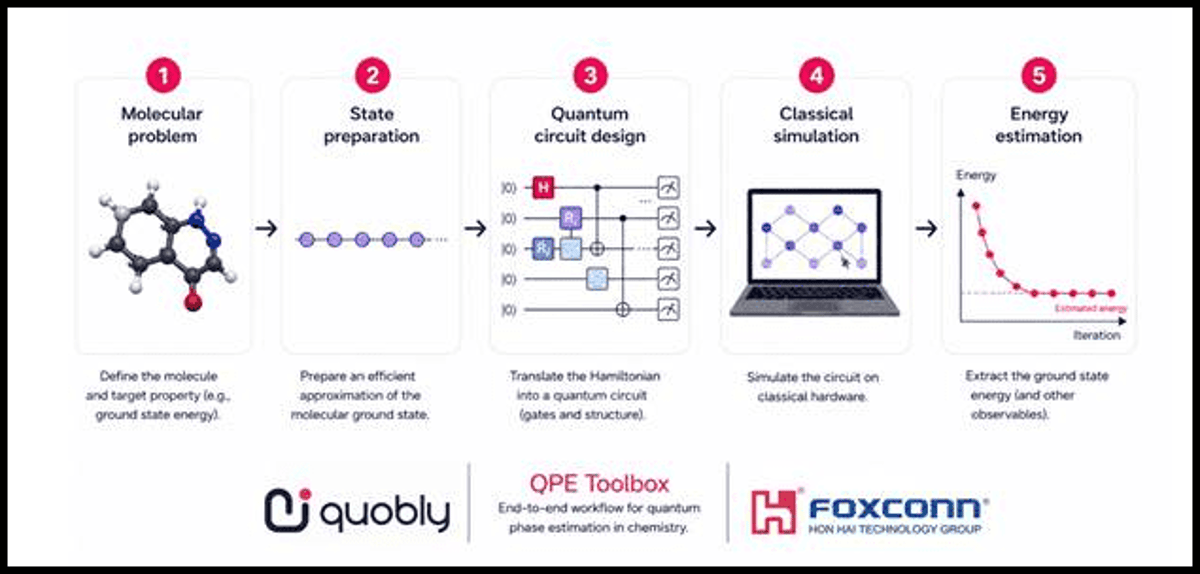
Quobly Toolbox Explores Quantum Phase Estimation Pipeline With Tensor Networks
French startup Quobly and Foxconn’s Hon Hai Research Institute have released an open‑source toolbox for Quantum Phase Estimation (QPE) aimed at molecular systems. Built on tensor‑network methods and the quimb library, the tool can simulate full QPE circuits up to...