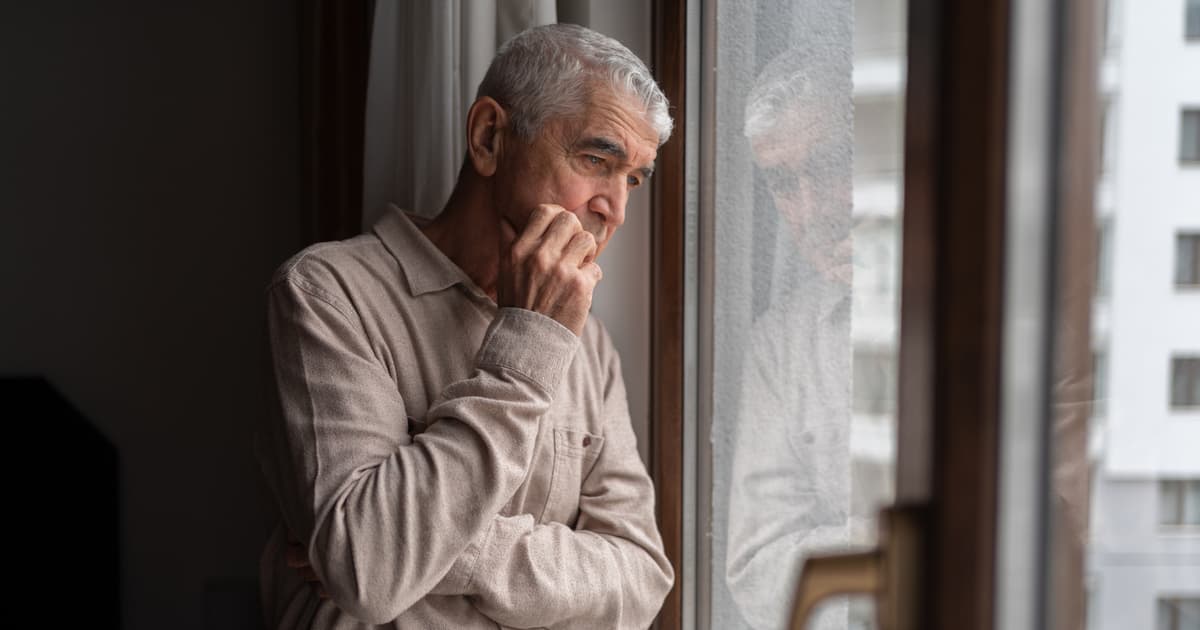
I Want to Say Something that My Generation Rarely Says Out Loud: Being Tough Your Whole Life Doesn’t Actually Protect...
A 66‑year‑old tradesman reflects on a lifetime of "tough‑guy" conditioning that concealed deep loneliness, revealing that a full phone book does not guarantee genuine connection. He recounts how his stoic persona kept friends and family at arm’s length, even as his own emotional needs went unmet. The turning point arrives when a longtime breakfast companion’s health scare sparks honest conversations about fear, failure, and isolation. By sharing his journey of gradually lowering emotional walls, the author illustrates the personal cost of relentless self‑reliance and the healing power of vulnerability.

Psychology Says People Who Need to Finish the Chapter Before They Can Put the Book Down Aren’t Obsessive — Their...
The article links the habit of finishing a book chapter before sleeping to the brain’s intolerance for unfinished narratives, a phenomenon rooted in the Zeigarnik effect. Research cited shows that open loops consume up to 90% more mental processing power...
Not Everyone Who Avoids Looking at Their Bank Account Is Financially Irresponsible. Some People Grew up in Households Where Money...
The article argues that many adults avoid checking their bank accounts not because of financial irresponsibility but due to a conditioned threat response rooted in childhood trauma. It explains how the nervous system, shaped by past conflicts over money, treats...

I Used to Think I Had Commitment Issues and Then I Noticed the Pattern Wasn’t About Commitment at All. It...
The author realized that what felt like commitment issues was actually a fear of being taken for granted once a relationship became routine. The turning point occurs when a partner stops actively choosing them and instead assumes their presence is...

Psychology Says the Quietest Person in a Group Conversation Often Isn’t the Least Engaged — They’re Often the One Processing...
The article explains why the quietest participant in a group often performs the deepest cognitive work. Research shows 15‑20% of people are highly sensitive, processing information more thoroughly, and introverts tend to listen before speaking. Studies by Adam Grant reveal...

Psychology Says Adults Who Still Sleep with the Television on Aren’t Just Creatures of Habit — Many of Them Are...
Adults who fall asleep with the TV on are often using the constant chatter as a shield against intrusive thoughts, not merely as background noise. Research cited by Healthline and Psychology Today links this habit to poorer sleep quality, increased...

Psychology Suggests Men Who Are Deeply Unhappy in Life but Hide It Well Aren’t Being Strong — They’re Running a...
Recent psychology research reveals that many men who appear strong and productive are actually experiencing covert depression, masking deep unhappiness behind a performance of composure. This hidden emotional suppression often shows up as irritability, workaholism, or physical complaints rather than...

Psychology Suggests You Will Always Push Away Good Things if Your Subconscious Mind Doesn’t Believe You Deserve Them — and...
Many people unknowingly self‑sabotage, pushing away promotions, relationships, and other positive experiences because their subconscious doubts they deserve success. The article uses personal anecdotes and research linking low self‑esteem to protective, self‑defeating behaviors. It explains how the brain treats success...
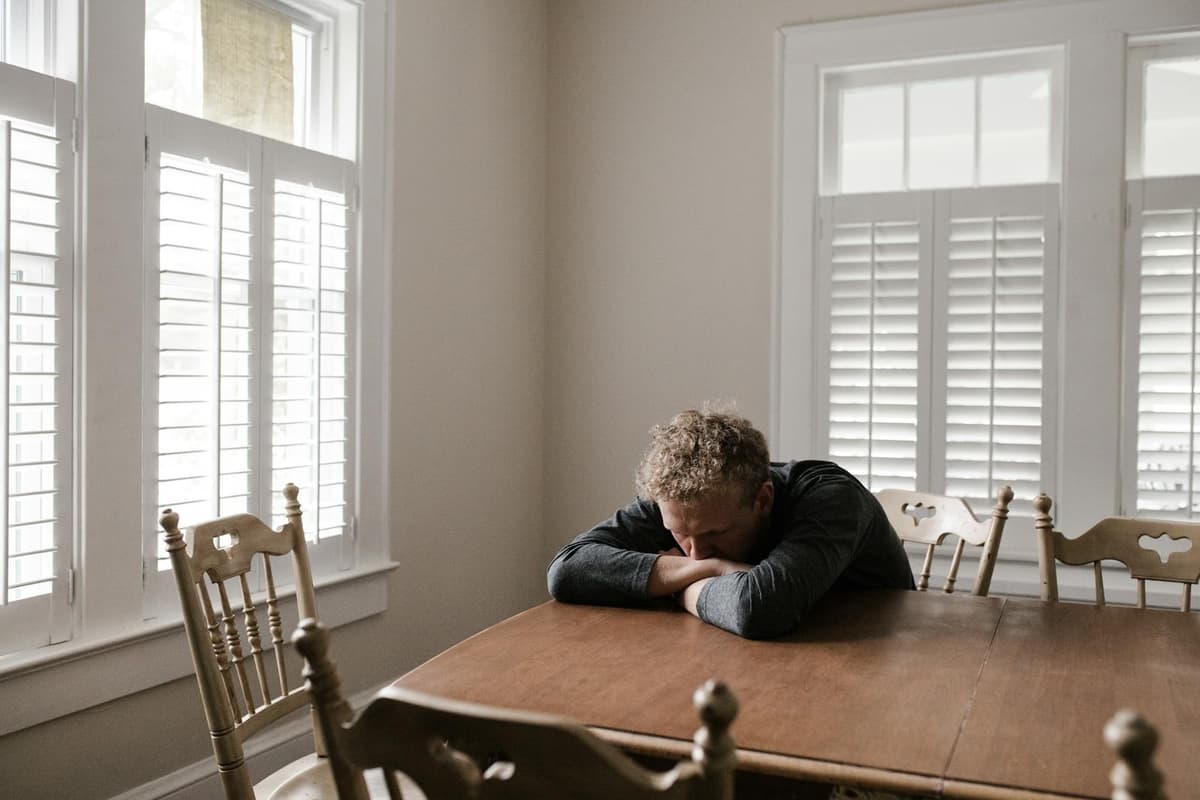
Psychology Says People Who Replay Conversations in Their Head Didn’t Develop that Habit by Accident — Most of Them Learned...
Psychologists explain that the habit of replaying conversations stems from early experiences where misspoken words triggered punishment or withdrawal. Research links adverse childhood events to heightened rumination and social anxiety, creating a feedback loop that amplifies the behavior. The brain...

Psychology Says People Who Randomly Cringe at Past Memories Have a Level of Self-Awareness that Most People Never Develop —...
The article explains that cringing at past memories is a hallmark of self‑awareness and emotional intelligence, not a mental flaw. It cites research showing involuntary negative memories serve evolutionary social‑learning functions and that vivid recollection indicates advanced cognitive processing. The...
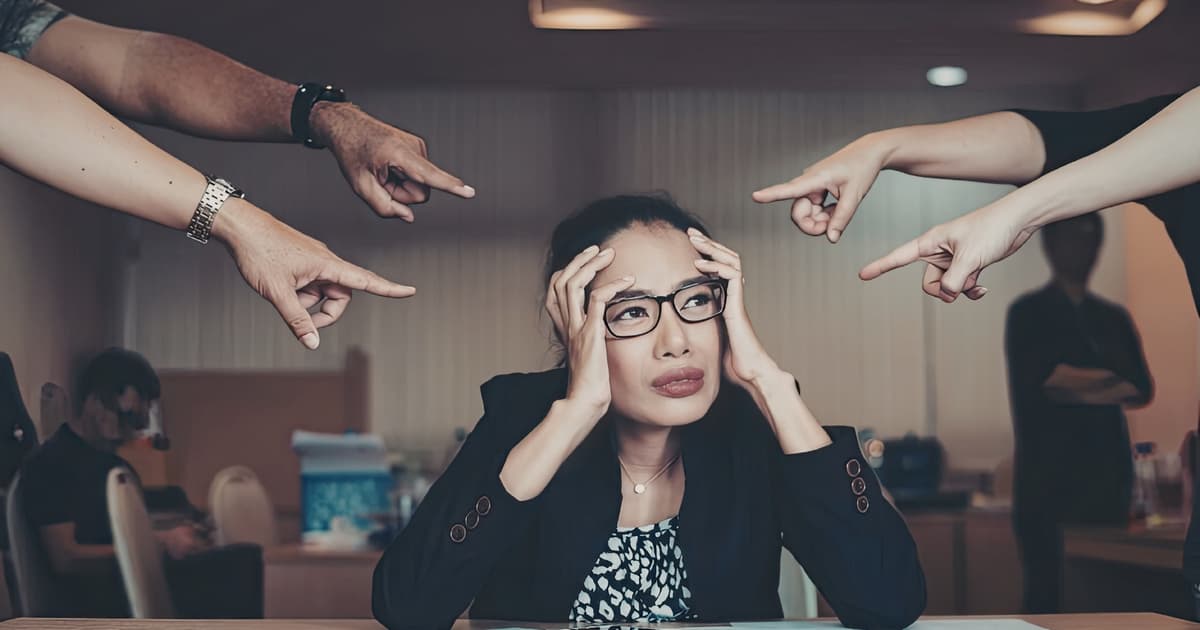
Psychology Says People Who Stay Calm Under Pressure Aren’t Suppressing Their Emotions — They’ve Built a Relationship with Discomfort that...
A large Stanford study shows that how people regulate emotions matters more than whether they feel them. Reappraisal—reframing stress before it peaks—outperforms suppression, which merely masks the response, across health, relationship, and performance outcomes. Calm under pressure stems from a...

Psychology Says People Who Make Others Light up when They First Meet Them Have Usually Known What It Feels Like...
Recent psychological research shows that people who have felt invisible often become highly empathetic, deliberately choosing to make others feel seen. Studies from Frontiers in Psychology and the University of Colorado Boulder link past social pain to increased cognitive empathy...

There’s a Specific Kind of Person Who Can Give the Most Precise, Compassionate Advice to Everyone Around Them and Then...
Psychologist Emily Pronin’s bias‑blind‑spot research shows people readily identify others’ cognitive biases but struggle to see the same flaws in themselves. A subset of highly empathetic individuals—often consultants, mentors, or therapists—excel at diagnosing others’ patterns yet repeatedly repeat the very...
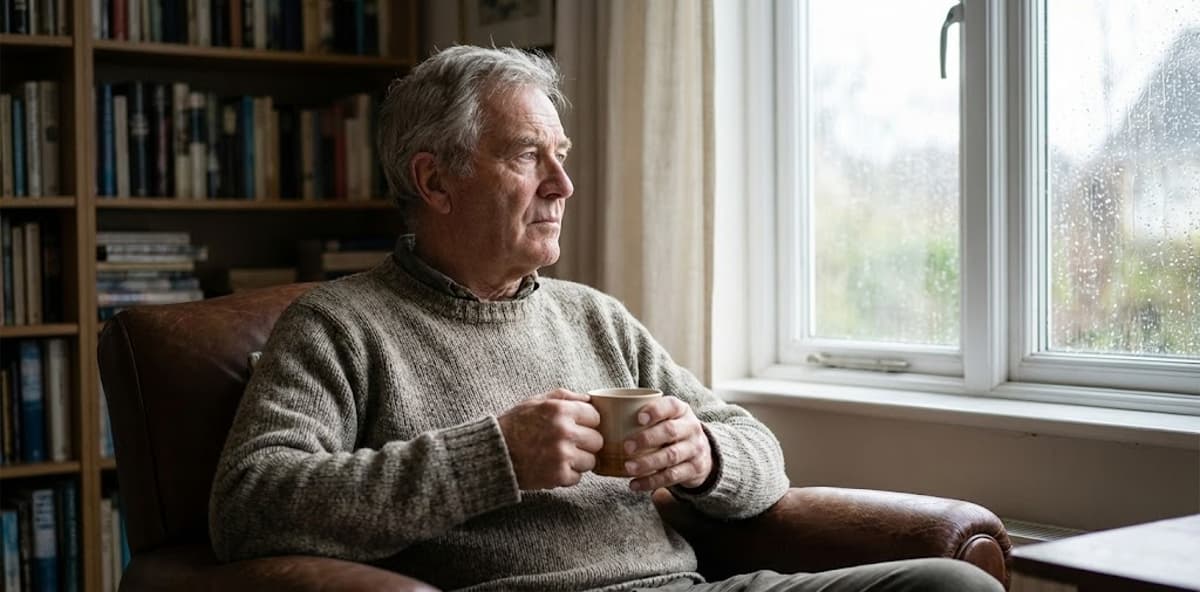
My Father Worked with Absolute Discipline His Entire Life, Never Missed a Day, Never Complained — and on His Last...
The essay recounts a union pipefitter’s final day after 42 years of flawless attendance, when a modest retirement ceremony left him in tears. It uses his story to expose how decades of dedication can end with a fleeting handshake and...

Psychology Says Good People with No Close Friends Aren’t the Difficult Ones — They’re the Ones Who Asked Too Little,...
Psychology shows that people who are consistently agreeable and give freely often end up with few close friends. They practice self‑silencing, smoothing over true feelings to avoid friction, which keeps relationships comfortable but shallow. Over‑giving creates a one‑sided dynamic where...

Psychology Says the Reason some People Become Gentler as They Age While Others Become Bitter Has Nothing to Do with...
Psychologists argue that whether people grow gentler or more bitter with age hinges on how they process non‑finite grief, not innate personality. Research by James Gross shows that habitual emotional reappraisal yields positive emotions and stronger social ties, while suppression...

Psychology Says the Adults Most Likely to End up in Therapy Aren’t the Ones Who Had Dramatic or Obviously Painful...
Therapists report a surge in adults seeking help who grew up in seemingly "fine" households, where basic needs were met but emotional support was scarce. Psychologists label this pattern emotional neglect, a subtle yet pervasive form of childhood adversity that...

I’m 37 and the Happiest I’ve Ever Been Arrived the Year I Stopped Trying to Be Happy – Not because...
The author spent thirteen years treating happiness as a project, chasing milestones like career moves, a business launch, and a move to Vietnam, only to feel a persistent gap. After realizing that the pursuit itself creates dissatisfaction, he stopped trying...

I Spent Three Months Waking up at 5am and Tracking Every Metric I Could Find – Sleep Quality, Word Count,...
A media founder in Saigon tried a three‑month 5 am wake‑up experiment, initially enjoying a surge in word count and focus. Over time his sleep quality fell from 82 to 61, daily output dropped to 1,400 words, and afternoon energy sank...

I’m 37 and I Finally Figured Out that Vulnerability Isn’t Saying Something Brave in a Room Full of Strangers –...
The author, a seasoned writer on vulnerability, discovers that true vulnerability is not a public performance but an intimate confession to the person who matters most. After finally admitting his fear to his wife, he realizes years of curated openness...

Somewhere Between 1995 and 2010, Patience Stopped Being a Virtue and Became a Market Failure – and We Built an...
The article argues that between 1995 and 2010 tech designers turned human patience into a market flaw, engineering frictionless experiences that erode our capacity to wait. It cites Amazon’s one‑click checkout, autoplay queues, and infinite‑scroll feeds as examples that remove...

The Cruelest Myth About Self-Discipline Is that You Have to Feel Ready – You Don’t, You Never Will, and the...
The article debunks the myth that self‑discipline begins with feeling ready, arguing that action must come first. It cites behavioral activation research showing motivation follows behavior, and explains how repeated actions become automatic as the prefrontal cortex disengages. Procrastination is...

I’m 37 and I’ve Already Learned the Hard Way that Self-Worth Takes Time, Healing Isn’t Linear, and Letting Go Is...
The author, now 37, reflects on three hard‑learned lessons: authentic self‑worth must be cultivated internally, healing follows a non‑linear wave pattern, and letting go is a painful but essential process. Research cited shows genuine self‑worth predicts long‑term wellbeing, while inability...

Psychology Says the People Who Are Genuinely Magnetic in Conversation Aren’t the Ones with the Most Interesting Stories — They’re...
The article reveals that magnetic conversation isn’t about dazzling stories but about making the other person feel like the most interesting person in the room. Research shows listeners trigger brain reward centers, and people spend up to 60% of dialogue...

I’m 37, I Own a Home, I Show up, I Make Dinner – and some Nights I Sit in the...
A 37‑year‑old father reflects on how his well‑structured adult life—mortgage, steady job, parenting routine—has become a comfortable straightjacket. He describes a growing sense of disconnection, likening his daily actions to performing on autopilot without truly experiencing them. Drawing on Buddhist...

Psychology Says the Secret to a Good Retirement Isn’t Wealth or Health or Even Relationships – It’s Having at Least...
Retirement often triggers a dip in purpose, even for those with ample savings, health, and social ties. Research shows that maintaining a sense of unfinished, learning‑driven activity—what psychologists call ikigai—significantly improves wellbeing, cognitive health, and reduces dementia risk. The key...

Psychology Says People Who Accomplish More in Their 60s than They Ever Did in Their 40s Aren’t Working Harder —...
The article explains that people who achieve their greatest work in their 60s do so not by grinding harder, but by shedding responsibilities that never truly belonged to them. It highlights the Selective Optimization with Compensation (SOC) model, which shows...

People Who Are over 60 but Look Considerably Younger Often Share One Quality that Has Nothing to Do with Their...
People over 60 who appear younger share a common trait: they genuinely enjoy their lives. Their posture, facial expressions, and movement convey confidence, not a result of expensive skincare or strict diets. The article argues that mindset, purpose‑driven hobbies, and...

Psychology Says People Who Never Answer Their Phone but Reply to Texts Within Seconds Aren’t Being Rude – They Grew...
Recent psychology research explains that people who let calls go unanswered but reply to texts within seconds are not being impolite; they are managing attention based on learned norms. The behavior reflects a reaction to unannounced demands, which are perceived...

I Have Started Paying Attention to How I Feel the Morning After I Spend Time with Someone — Not During,...
The author realized that the feeling they wake up with after a social encounter serves as a reliable barometer of that relationship’s true energy cost. By logging morning energy levels, they identified friendships that drain them despite appearing pleasant and...

Psychology Says People Who Never Post on Social Media but Check It Every Day Aren’t Passive — They Opted Out...
Psychology researchers argue that users who check social media daily but never post are not passive lurkers but active selectors who avoid the performance demands of the platform. These “silent scrollers” deliberately consume content while opting out of creating posts,...

Psychology Says the Habits that Signal a Man Has Quietly Lost His Joy Are Almost Always Ordinary – Earlier Bedtimes,...
Men often mask a loss of joy with ordinary habits—earlier bedtimes, fewer opinions, smaller appetites, and a turn toward predictability. Psychologists link these subtle shifts to anhedonia, the diminished ability to feel pleasure, which can appear without classic depressive symptoms....
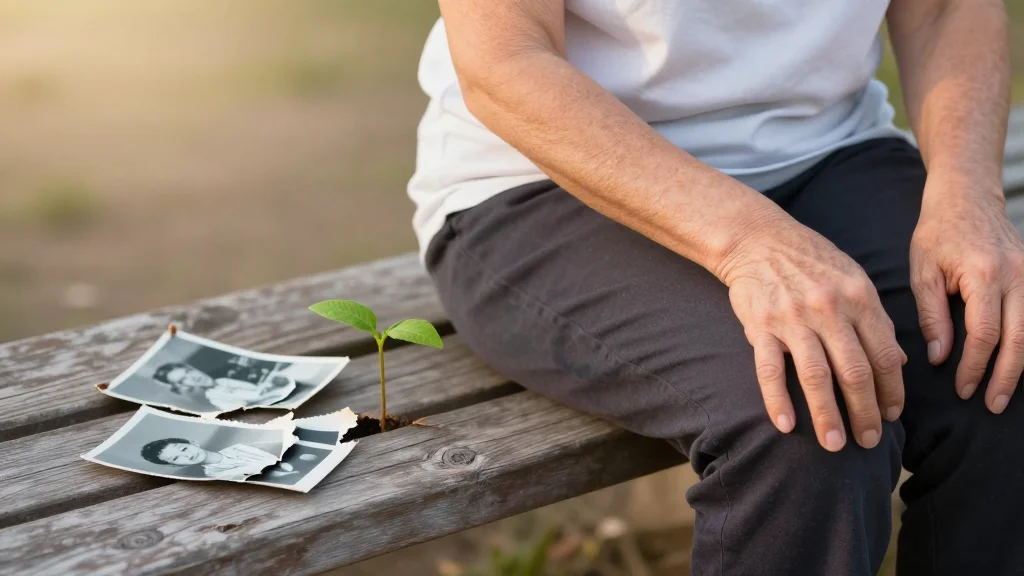
Psychology Explains People Who Remain Joyful Into Their 70s Aren’t the Ones Who Suffered Least — They’re the Ones Who...
Psychological observations show that seniors who are genuinely joyful have often endured deep loss and allowed themselves to grieve fully. Authentic grieving, rather than suppressing pain, creates emotional space for new positive experiences. This honest processing strengthens neural pathways linked...

Psychology Says the Number of Close Friends You Actually Need as You Get Older Is Far Lower than Most People...
Psychology research indicates adults need only three to five close friends for emotional fulfillment, a figure echoed by personal anecdotes of retirees. Studies of 280,000 older adults show these tight bonds predict health and happiness more strongly than family ties....

Psychology Says the Most Self-Centered People in Any Room Aren’t the Ones Who Talk Loudest – They’re the Ones Who...
The article explains that the most self‑centered people are not the loudest, but those who automatically turn every story into a personal anecdote. Psychologists label this "conversational narcissism," a reflexive redirection driven by empathy deficits and a need for self‑validation....

Psychology Suggests that Men Who Were Told “Man Up” As Boys Don’t Just Suppress Their Emotions — They Develop a...
The article argues that the common admonition “man up” conditions boys to suppress emotions, leading to a lifelong pattern of harmful avoidance. Psychological research, including the Man Box study, links this stoicism to increased risks of depression, heart disease, and...

Psychology Says People Who Feel Purposeless After 50 Aren’t Lost – They’ve Simply Outgrown a Self that Was Built Entirely...
A longitudinal study following adults from age 27 to 50 found that 68% of people over 50 experience a profound shift in self‑identity once their primary work or family roles fade. The research frames this transition not as a crisis...

Psychology Suggests the Reason Retirement Feels Like Grief for so Many People Isn’t Weakness — It’s because Purpose, Structure, and...
Retirees often describe the transition as a grief experience rather than freedom because a single job supplies purpose, daily structure, and personal identity. When that role ends, all three vanish simultaneously, leaving a psychological vacuum. The article blends personal narrative...

Research Suggests that People Who Pursue Happiness Directly Almost Never Find It – but People Who Pursue Meaning, Connection, and...
Recent research shows that directly pursuing happiness often backfires, while focusing on meaning, connection, and acceptance yields lasting contentment. Studies by Iris Mauss at UC Berkeley found that people who value happiness most report lower satisfaction when good things happen....

I’m 66 and the Most Important Relationship of My Adult Life Has Been with Solitude — Not as a Consolation...
A 66‑year‑old electrician reflects on a lifelong preference for solitude, describing how alone time has been the source of his greatest honesty, creativity, and personal growth. He recounts decades of guilt and cultural pressure to conform to social expectations, especially...

Psychology Explains Why People Raised in the 1960s and 1970s Handle Crises Differently — They Weren’t Taught to Process Feelings,...
The article argues that people raised in the 1960s and 1970s were taught to endure crises rather than process emotions, a habit rooted in the era’s limited psychological knowledge. It highlights how psychologists of the time were themselves in a...

Psychology Says People Who Command the Most Respect in a Room Aren’t the Loudest or Most Confident — They’re the...
People who command genuine respect in a room aren’t the loudest; they excel at disagreeing without making others feel inferior. Research from psychologists like David Johnson shows that respectful disagreement increases likability and openness to new ideas. Cognitive bias leads...

The Difference Between People Who Actually Change Their Lives and People Who Just Talk About It Almost Always Comes Down...
The article argues that the first 90 seconds after waking are decisive for lasting behavior change. During this sleep‑inertia window the brain is low‑willpower and highly suggestible, so reaching for a phone hijacks the natural cortisol awakening response. By inserting...

I’ve Noticed that the Moment I Stop Trying to Impress Someone Is the Exact Moment They Start Leaning in and...
The article explains how constantly trying to impress creates a subtle performance that listeners can detect, leading to distance in conversations. When people drop the act and speak honestly, the other party leans in, asks genuine questions, and connection deepens....

Highly Intelligent People Often Don’t Realize It but Psychology Says the Way They Experience Boredom Is Fundamentally Different From Most...
Psychology’s need‑for‑cognition framework reveals that highly intelligent, chronic cognizers experience boredom differently from cognitive misers, seeking internal complexity rather than external stimulation. A 2016 study showed these thinkers are less physically active, using movement less as a boredom remedy. The...

Psychology Says People Who Prefer Texting to Phone Calls Aren’t Being Antisocial – They’re Protecting the Quality of Their Thinking...
Psychology research shows that preferring texting over phone calls is not antisocial but a cognitive self‑preservation strategy. Real‑time calls demand simultaneous listening, memory, formulation, and social monitoring, creating high mental load, especially for introverts. Asynchronous texting lets users decouple these...

Psychology Says the Adults Who Feel Most Lost in Midlife Aren’t the Ones Who Failed — They’re the Ones Who...
Midlife distress often arises not from failure but from having faithfully executed a youthful “dream” that no longer feels authentic. Research by Daniel Levinson and large‑scale studies show that high‑achieving adults experience a hollow feeling when they reach the life...

Nobody Talks About Why Intelligent, Capable People Keep Accepting Bad Management — and It Has Nothing to Do with Being...
Intelligent, high‑performing employees often stay under ineffective managers because they believe their competence can patch systemic flaws. Their identity is anchored to the work itself, not the leader, and the entrenched meritocracy myth convinces them that sustained results will eventually...

Psychology Says Older Adults Who Stay Tech-Savvy Into Their 70s and 80s Aren’t Just ‘Good with Computers’ — They Display...
A meta‑analysis in Nature Human Behaviour of 57 studies covering over 411,000 adults 50+ found regular technology use linked to a 58 % lower risk of cognitive decline. Researchers coined “technological reserve,” arguing that digital engagement provides cognitive challenge, social connection,...

Psychology Says the Real Reason Being over 60 Is so Hard Isn’t Aging Itself – It’s that Modern Culture Has...
A systematic review links ageism to heightened stress, anxiety, depression, and lower life satisfaction among adults over 60. The study identifies internal factors—pride in one’s age group, optimism, body confidence, and flexible goal‑setting—as buffers against these harms. Parallel qualitative research...