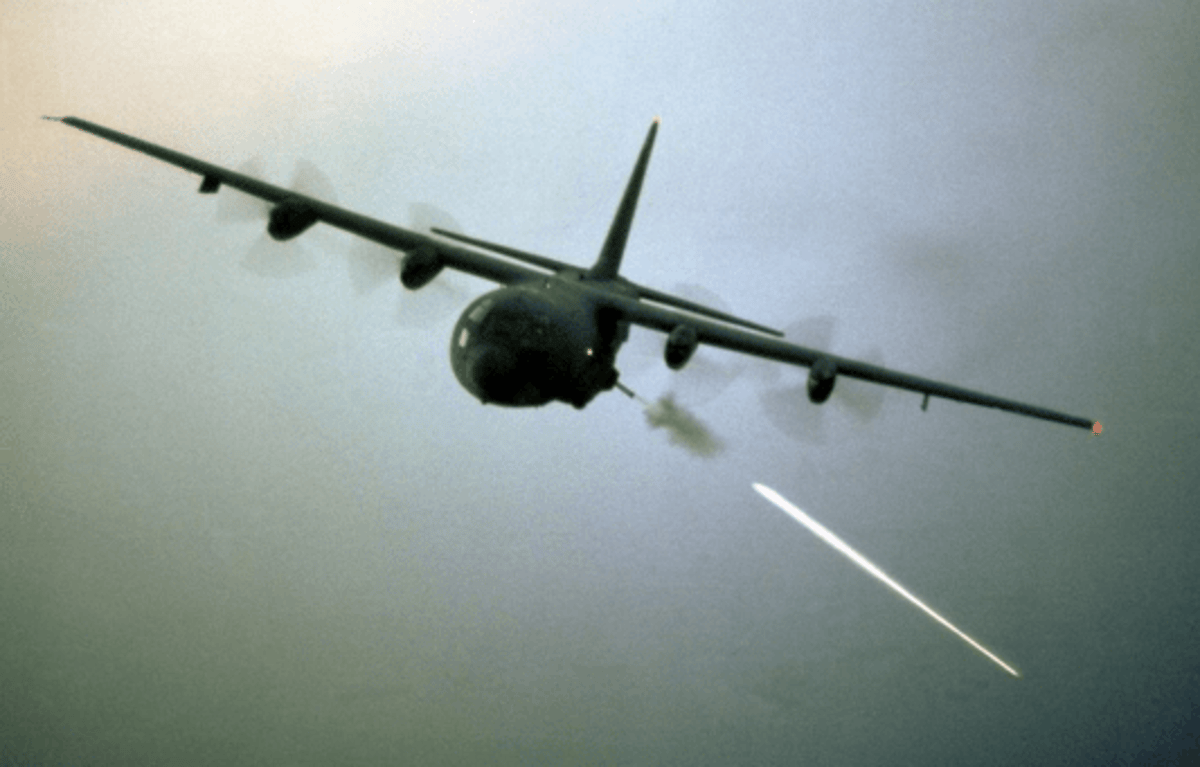
SOF News Weekly Brief – June 1, 2026
The brief highlights a possible temporary U.S.–Iran cease‑fire that could reopen the Strait of Hormuz and ease global trade pressures. SOF Week 2026 recorded its largest attendance, underscoring growing international cooperation among special‑operations forces. Ukraine’s advanced drone warfare is increasingly offsetting Russian advantages, while Turkey deepens its military training footprint in Somalia. An ex‑CIA officer was arrested with roughly $40 million in gold bars, raising questions about internal security oversight.

Book Review | The Weaponisation of Everything: A Field Guide to the New Way of War
Mark Galeotti’s *The Weaponisation of Everything* argues that modern conflict has moved beyond traditional battlefields, with states turning civilian instruments—business, law, information, and culture—into weapons. Drawing on examples from Renaissance Venice to the 2014 Crimea annexation, the book shows that...
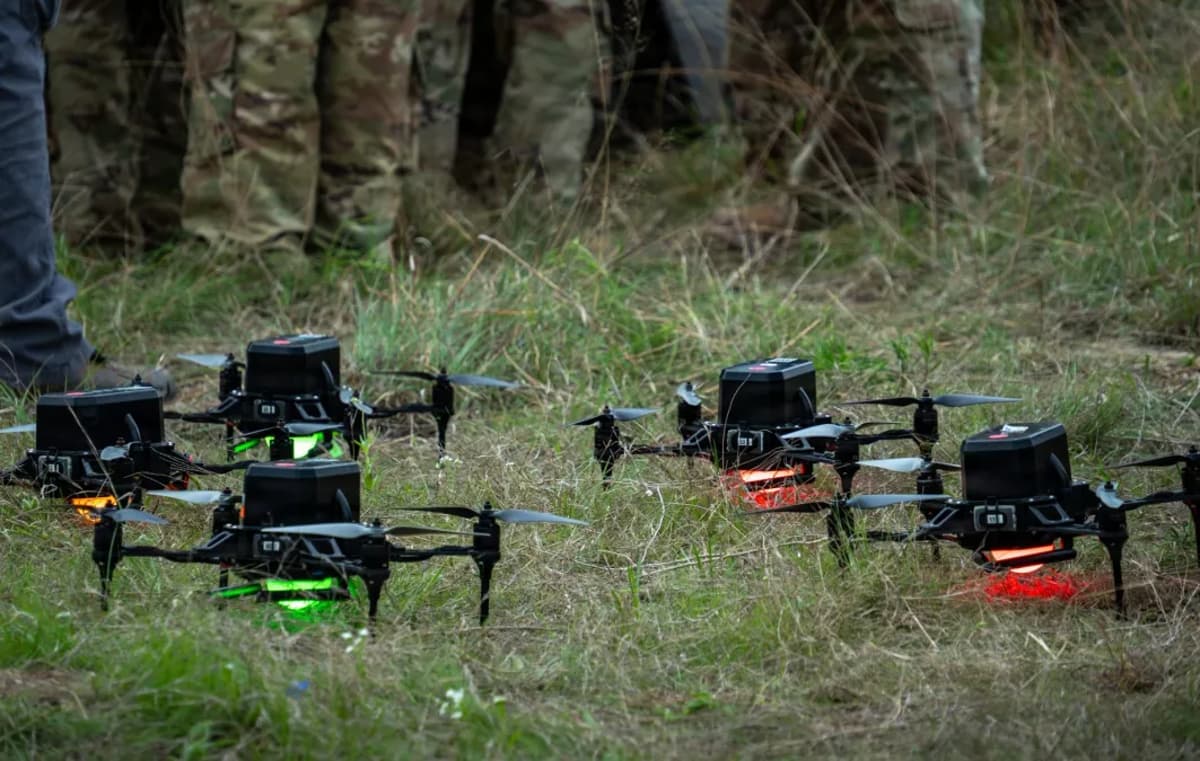
Petraeus: $55 Billion Drone Investment Won’t Buy a Fighting Force Without Doctrine
General David Petraeus and Isaac C. Flanagan warn that the Pentagon’s FY27 request for roughly $55 billion in autonomous‑warfare spending could become a costly mistake without parallel investment in doctrine, training and force design. They cite the early Predator program, where...
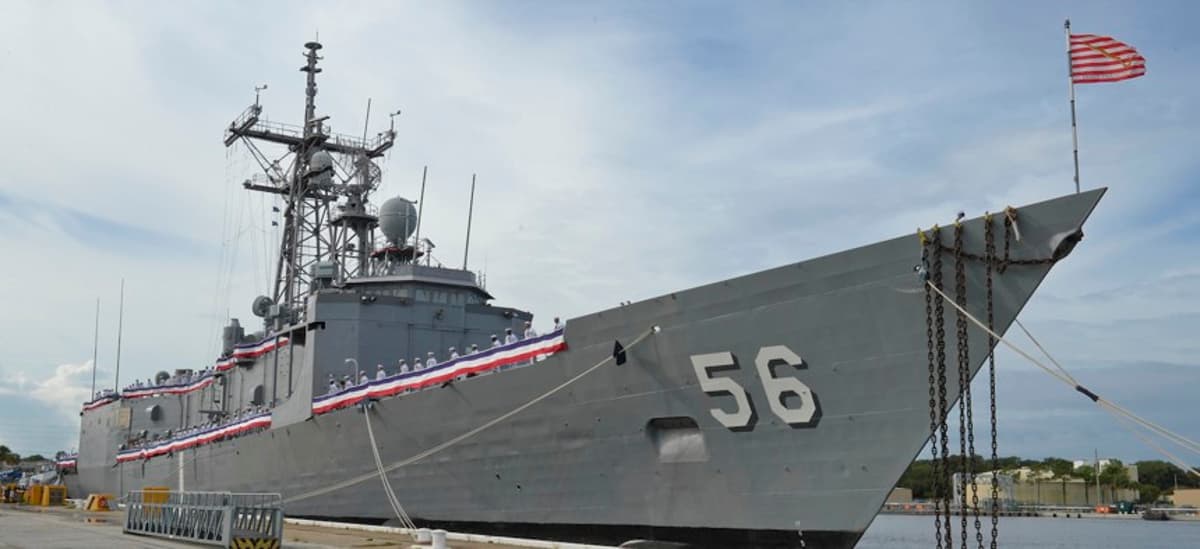
Drone Swarm Vs. US Navy Frigate
The U.S. Navy demonstrated that a swarm of aerial and surface drones, launched from the littoral combat ship Cooperstown, sank the decommissioned frigate USS Simpson. The strike was coordinated from shore‑based Maritime Operations Centers, illustrating a distributed command architecture. AI‑enabled...
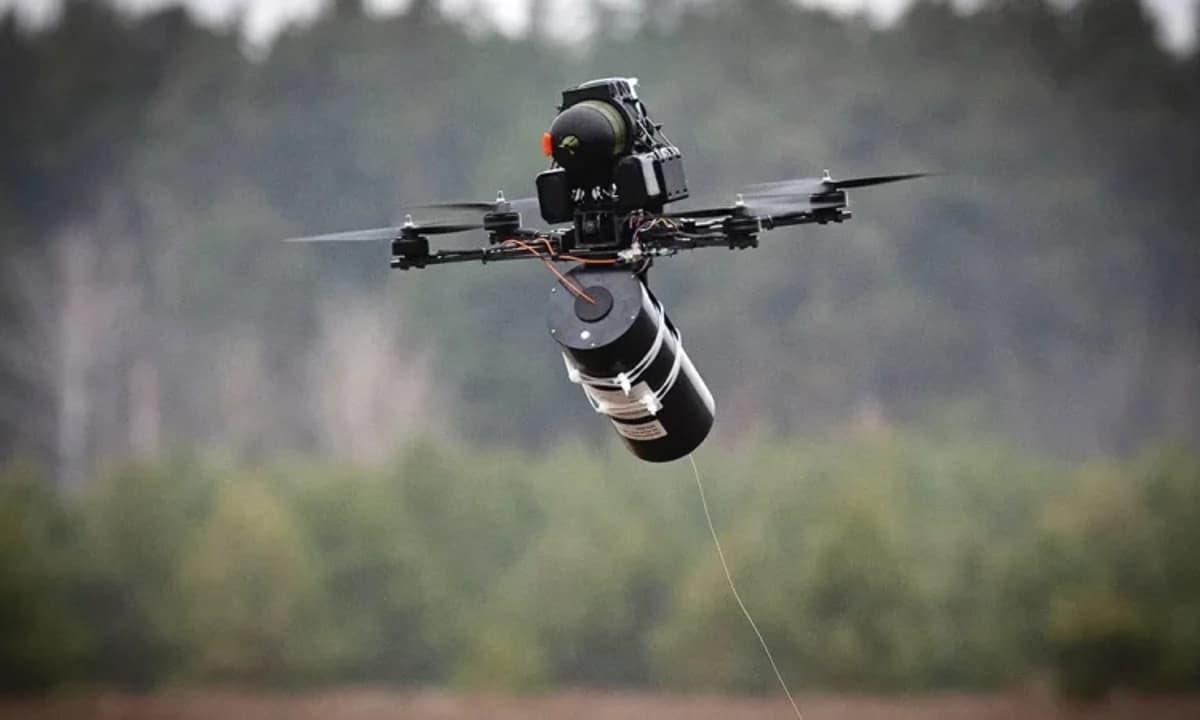
Africa’s Drone Revolution, By the Numbers
An open‑source dataset compiled by Military Africa tracks 234 drone procurement records across 34 African nations from 1980 to 2026, totaling 1,959 units from 21 supplier countries and over 150 platforms. More than half of those units were bought between...
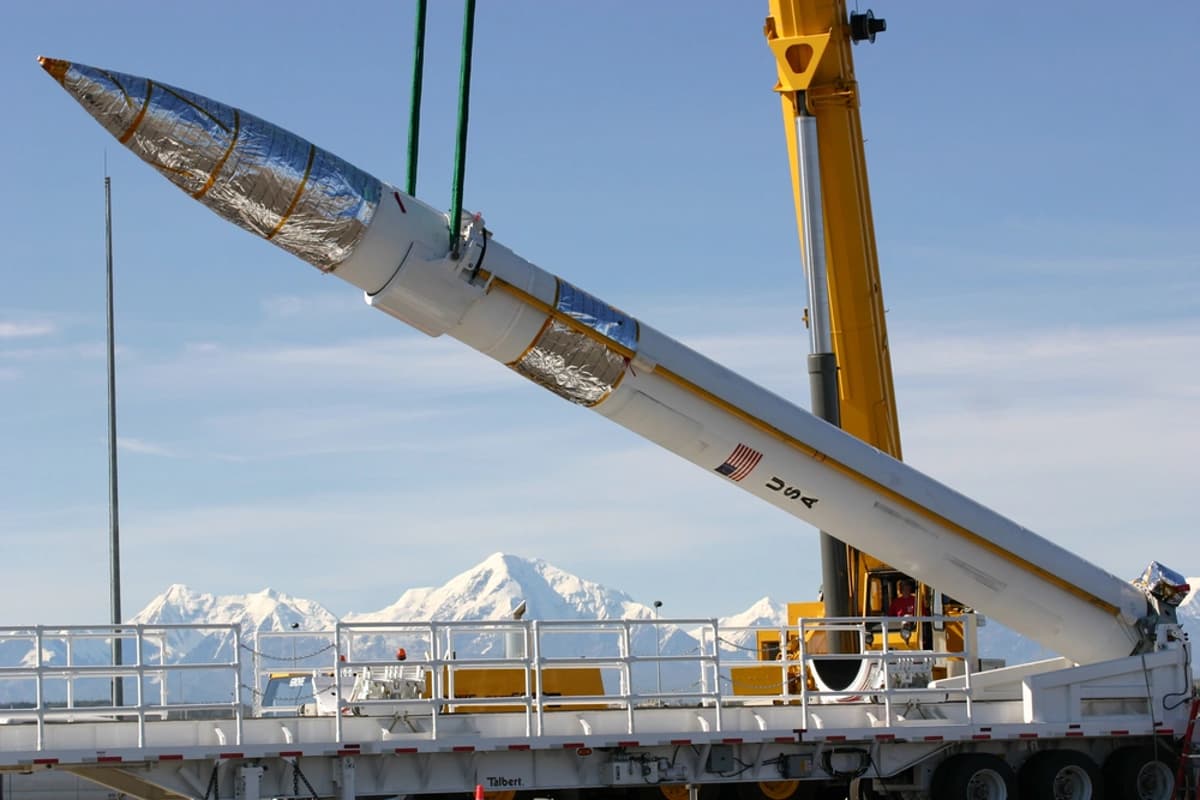
Missile Defense, The Future of Arms Control, and the Three-Body Problem
The February 5 expiration of the New START treaty removes the last bilateral cap on U.S.-Russia strategic arsenals just as China approaches intercontinental ballistic missile parity, turning nuclear competition into a three‑way problem. The article revisits David Goldfischer’s Mutual Defense...
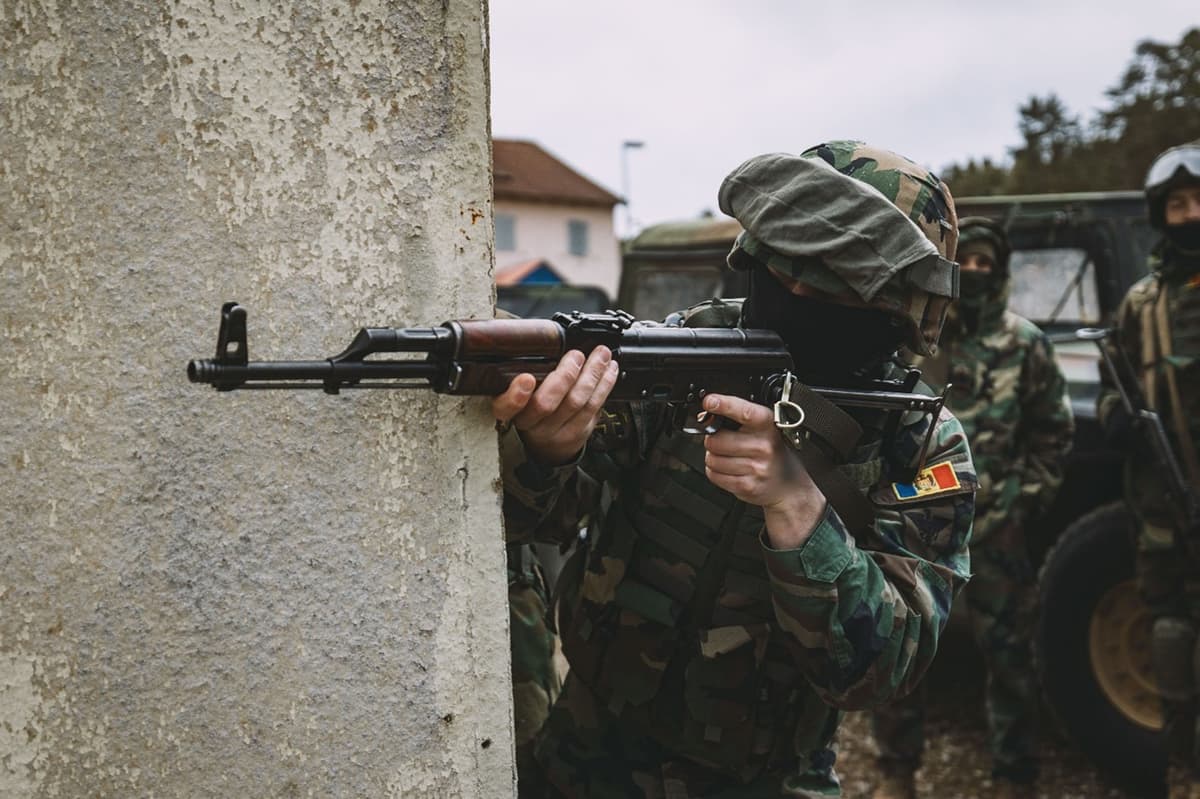
Neutrality as Vulnerability: Russia’s Hybrid Playbook in Moldova
Moldova’s September 2025 elections reaffirmed a pro‑EU trajectory, but Russia’s hybrid and military pressure has rendered the country’s constitutional neutrality increasingly untenable. Moscow maintains a peacekeeping force in Transnistria and threatens to add 10,000 troops, while coordinated disinformation campaigns amassed...
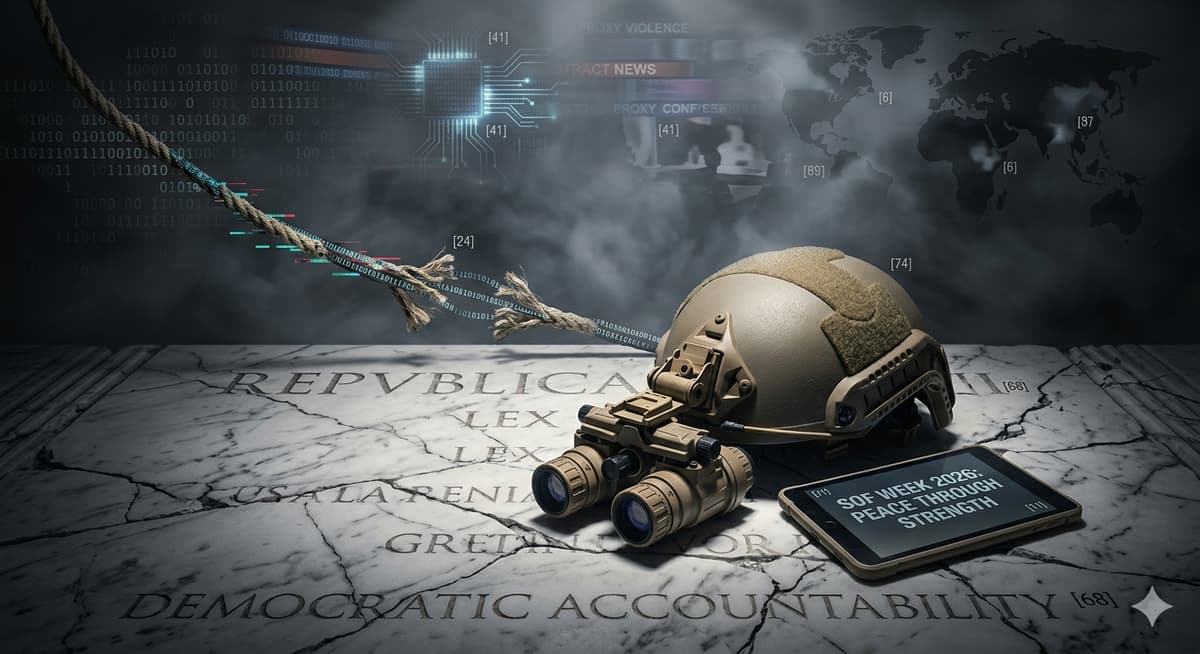
Tampa, SOF Week, and the Moral Burden of “Peace Through Strength”
The 2026 Special Operations Forces (SOF) Week in Tampa brought together more than 70 allied nations and tens of thousands of personnel under the theme “Peace Through Strength.” Admiral Frank “Mitch” Bradley highlighted Operation Absolute Resolve—the January raid that ousted...
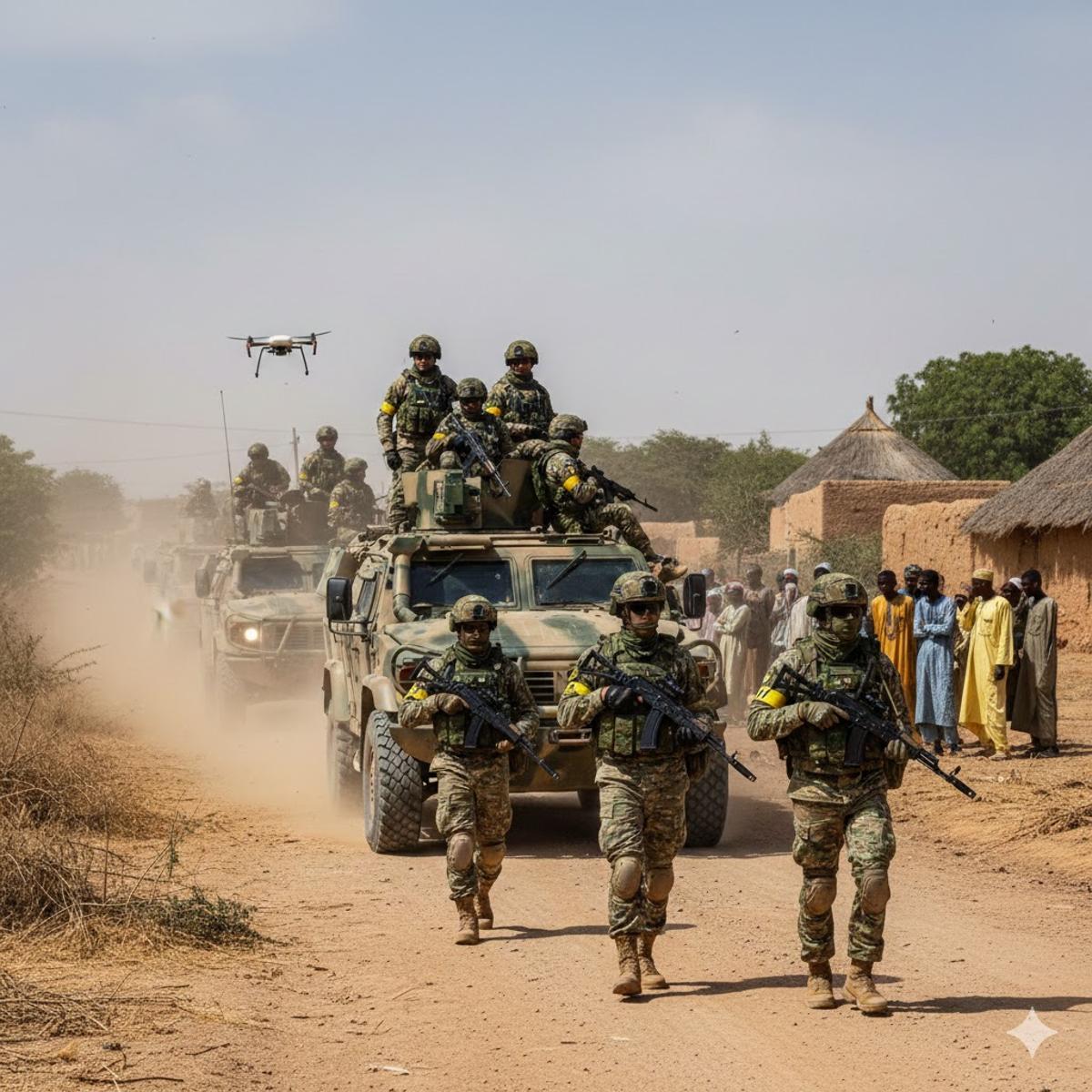
African Drones | C/O Futures Book Review
Lisa J. Campbell’s review of *Drones in the African Battlespaces* highlights a shift toward African scholarship on drone warfare, emphasizing the continent’s active role in a geopolitical contest among the U.S., Turkey, Iran and China. The book argues for a...
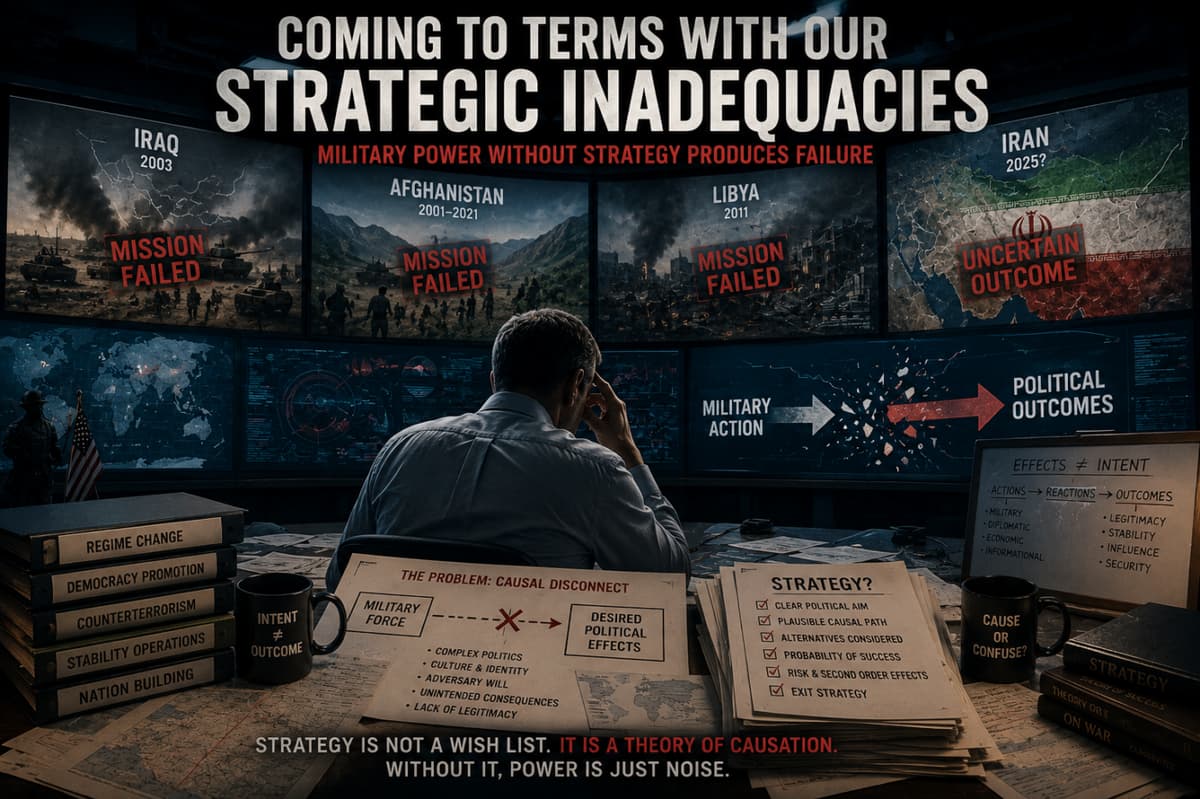
Coming to Terms With Our Strategic Inadequacies
The article argues that the United States repeatedly fails to translate its unmatched military power into desired political outcomes, citing recent campaigns in Iran, Afghanistan, Libya, and Iraq. It identifies two root causes: a culture of American exceptionalism that overestimates...

Nuclear Submarine Deterrence for Australia’s Strategic Defense
Australia’s shift from diesel‑electric Collins‑class submarines to nuclear‑powered attack vessels under AUKUS reflects a strategic pivot toward sustained deterrence in the Indo‑Pacific. The essay traces U.S. SSN evolution—from Nautilus to Virginia‑class—to illustrate how endurance, survivability and ISR capabilities underpin modern...

Rethinking Artificial Intelligence at the Strategic Frontier
The essay argues that artificial intelligence’s strategic value lies not in its autonomy but in how humans and machines co‑create intelligence. It traces the concept of man‑machine symbiosis from early cybernetics to today’s opaque algorithmic models, highlighting a growing responsibility...

For Russia, AI and “Traditional Values” Are Part of the Same Security Logic
In March 2026 Russia moved to ban foreign AI systems such as ChatGPT, Gemini and Claude, framing the step as protection of "traditional Russian spiritual and moral values." The proposal is not an isolated regulatory tweak but the latest expression...
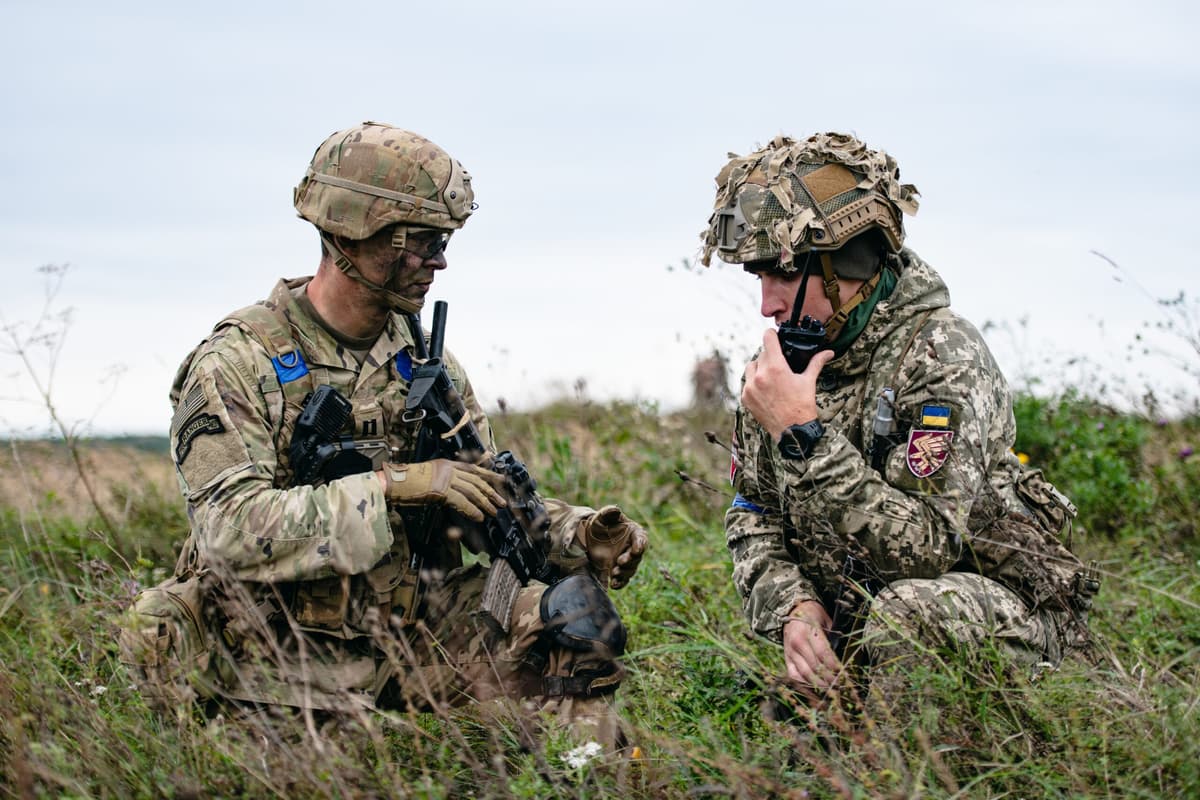
Distributed Combat Power: How Ukraine Is Redefining Fires, Electronic Warfare, and Air Defense at the Tactical Level
The Ukraine war has driven a shift from centralized to highly distributed combat power at the tactical level, with cheap, adaptable drones, electronic‑warfare kits and low‑cost air‑defense tools empowering squads and platoons. Ukrainian units now conduct fires, EW and cUAS...

Mosaic Defense and Dispersed Command: Iran Strikes Back
After Israel’s 12‑Day War decapitation strikes in June 2025, Iran activated its long‑developed Mosaic Defense doctrine, enabling semi‑autonomous regional units to continue missile and drone operations despite the loss of senior commanders and launch infrastructure. The strategy, rooted in two...