
The Case for Engineering an AI Partner for Intellectual Honesty in the National Security Ecosystem
The article proposes engineering an AI "Chief Skeptic" to embed intellectual honesty into the national‑security decision cycle. By leveraging structured dissent tools such as the Analysis of Competing Hypotheses and probabilistic forecasting, the AI would counter groupthink, confirmation bias, and motivated reasoning. Historical blunders—from Challenger to the Bay of Pigs—illustrate how echo chambers distort judgment, a risk amplified by unchecked AI assistants. Reorienting human‑AI interaction toward constructive disagreement could safeguard high‑stakes policy and operational choices.

The Last Interlocutor: Imran Khan, Pakistan’s Leadership Vacuum, and the Search for a Regional Peacemaker
In April 2026 Pakistan hosted a high‑level, 21‑hour dialogue between U.S. Vice President JD Vance and Iran’s senior delegation, but the talks ended without an agreement. Iran rejected U.S. red‑line demands, insisting on a ceasefire in Lebanon, sanctions relief and...

Sabotage From Afar: How Undeclared Drone Armies Prolong War and Derail Peace
Undeclared drone armies, mass‑produced by middle powers such as Turkey, Iran and the UAE, are being deployed covertly in multiple conflicts. These AI‑enabled swarms operate remotely, offering deniability and low‑cost lethality. Their proliferation has altered battlefield dynamics, reducing casualties and...
Selective Virtue: Anthropic, the Pentagon, and the Contradictions of AI Governance in Wartime
Anthropic’s CEO Dario Amodei warned that AI could wipe out half of entry‑level white‑collar jobs and push unemployment toward 20%, yet the company is accelerating Claude’s commercial rollout, including a $200 million Pentagon contract. When the Department of War demanded unrestricted...

Command-Level Integration Between U.S. and German Militaries
Germany will embed a U.S. Army colonel as deputy head of its Army Operations Division, a move framed as boosting joint operational capability within NATO. The officer will influence planning cycles, readiness decisions, and execution rhythms, providing daily liaison between...

SOF at the Edge: AI and Autonomy Take Center Stage at USSOCOM Hearing
Admiral Frank M. Bradley told the Senate Armed Services Committee that sustained RDT&E funding is essential for U.S. Special Operations Forces (SOF) to stay ahead in artificial intelligence, quantum computing and autonomous systems. He outlined a sweeping modernization effort that...

Army Mad Scientist Laboratory Launches New Virtual Speaker Series
The U.S. Army Mad Scientist Laboratory announced a new virtual Speaker Series to bring together experts from government, academia, and industry. The inaugural session, titled “Next‑Gen Technology and the Army’s Transformation,” featured former Army Research Laboratory chief scientist Dr. Alexander Kott....
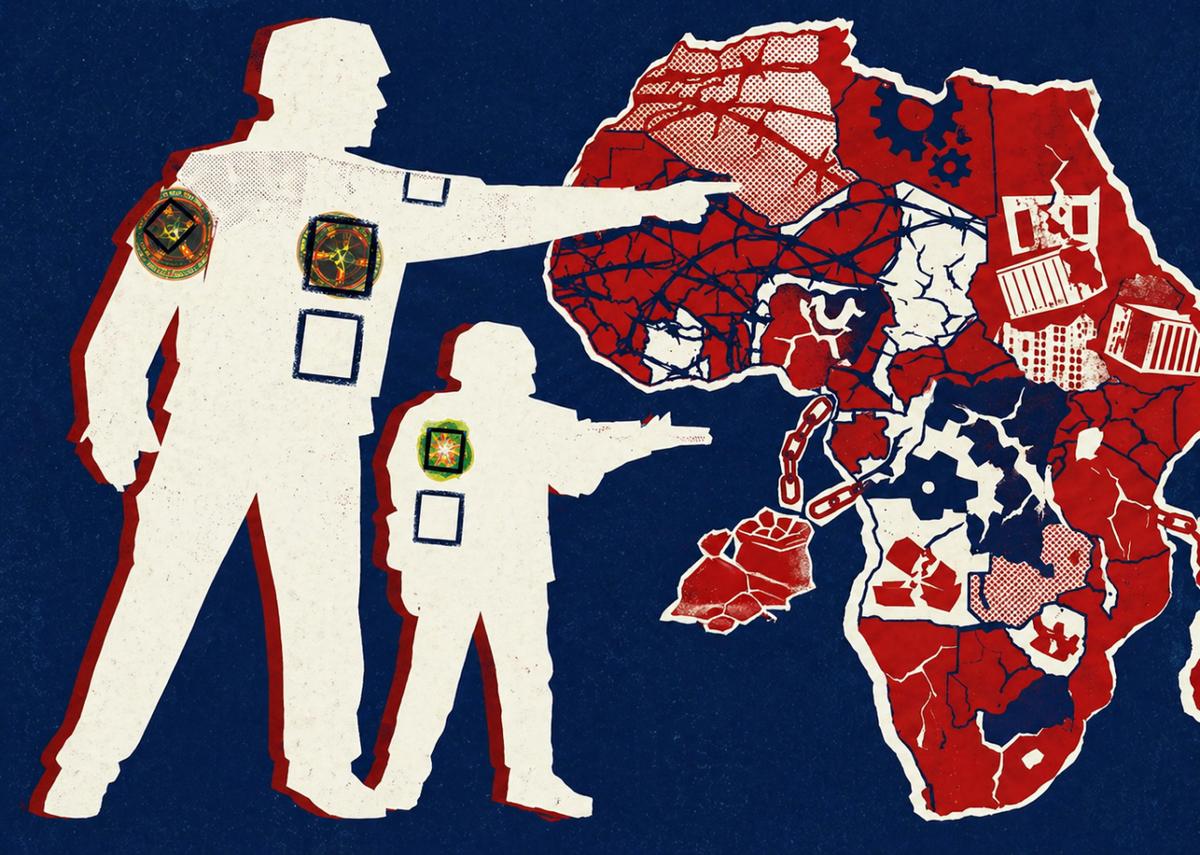
Caught in the Crossfire: African Host Nations, Russian PMCs, and the Shadow of the Ukraine War
The Irregular Warfare Center argues that Russian private military companies, now operating under the Afrika Corps brand after Wagner’s absorption, pose a growing security threat to African host nations. These PMCs are used to advance Kremlin geopolitical goals rather than...
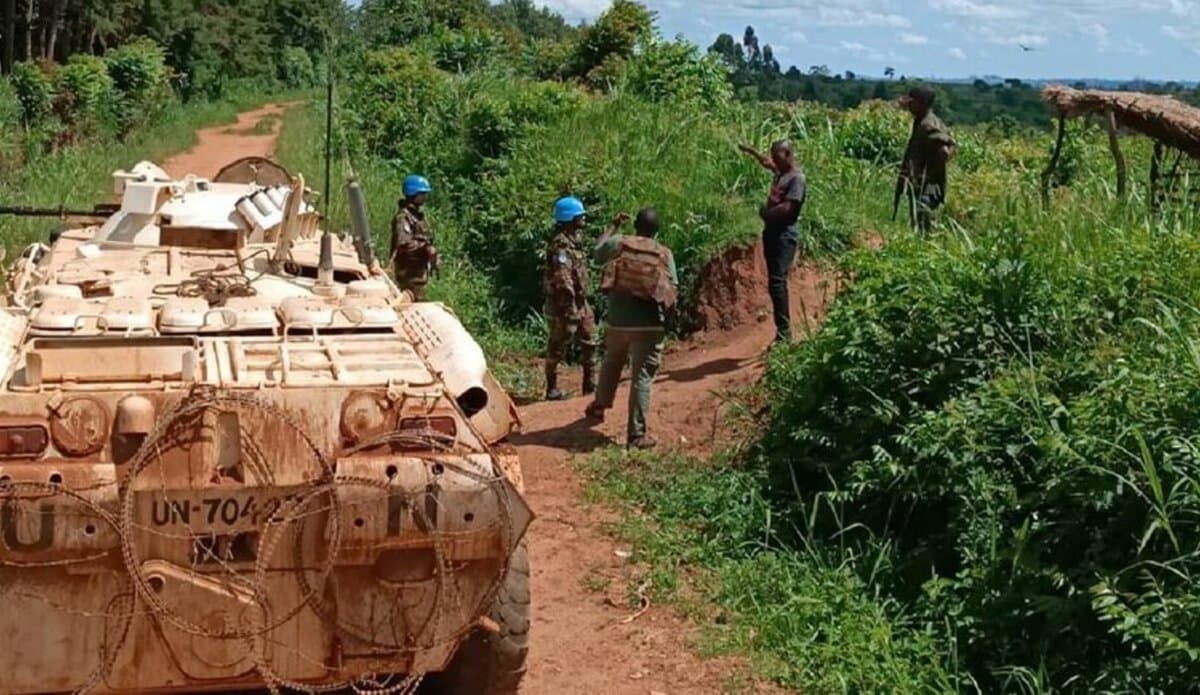
From Mandate to Execution: The Clear–Shield–Sustain Model for Contested Stabilization
The article introduces the Clear‑Shield‑Sustain (CSS) model to close the execution gap that plagued stabilization missions in Iraq and Afghanistan. CSS centers on a unified execution headquarters that controls transitions between combat, security, and reconstruction while embedding a hard‑audit function...
Intermediaries of Liberation: Soviet Bureaucrats and the Cold War in Africa
Natalia Telepneva’s new book uncovers how Soviet mid‑level bureaucrats, the *mezhdunarodniki*, turned ideological zeal into concrete policy in Lusophone Africa between 1961 and 1975. By leveraging personal ties with revolutionary leaders, they pushed Moscow to supply arms, advisors, and billions...

Deterrence in the South China Sea Fails Without Information Authority
The article argues that U.S. deterrence in the South China Sea is faltering because commanders lack delegated authority to employ information operations at the speed of Chinese competition. While the United States possesses robust information‑advantage units such as Theater Information...

The Renewable Shield: Energy Lessons From the Iran War
A Reuters analysis shows that European nations with robust renewable and nuclear portfolios insulated themselves from the sharp rise in wholesale electricity prices triggered by the Iran war’s disruption of natural‑gas markets, while gas‑reliant economies such as Germany and Italy...

The Double-Edged Sword: How Crypto Can Fund, Expose, or Deceive in Special Operations
Catherine Woods’ Irregular Warfare Initiative paper argues that Special Operations Forces can exploit cryptocurrency for covert payments, unconventional acquisitions, and deception, but the technology’s pseudonymous nature makes transactions traceable. Adversaries who capture a single wallet can map an entire SOF...

SOF News: Weekly SOF Brief – April 27, 2026
The SOF Weekly Brief for April 27, 2026 highlights a deepening stalemate between Iran and the United States, with reciprocal blockades choking regional oil flows and rippling into the global economy. In Ukraine, the war remains highly attritional as Moscow endures heavy...
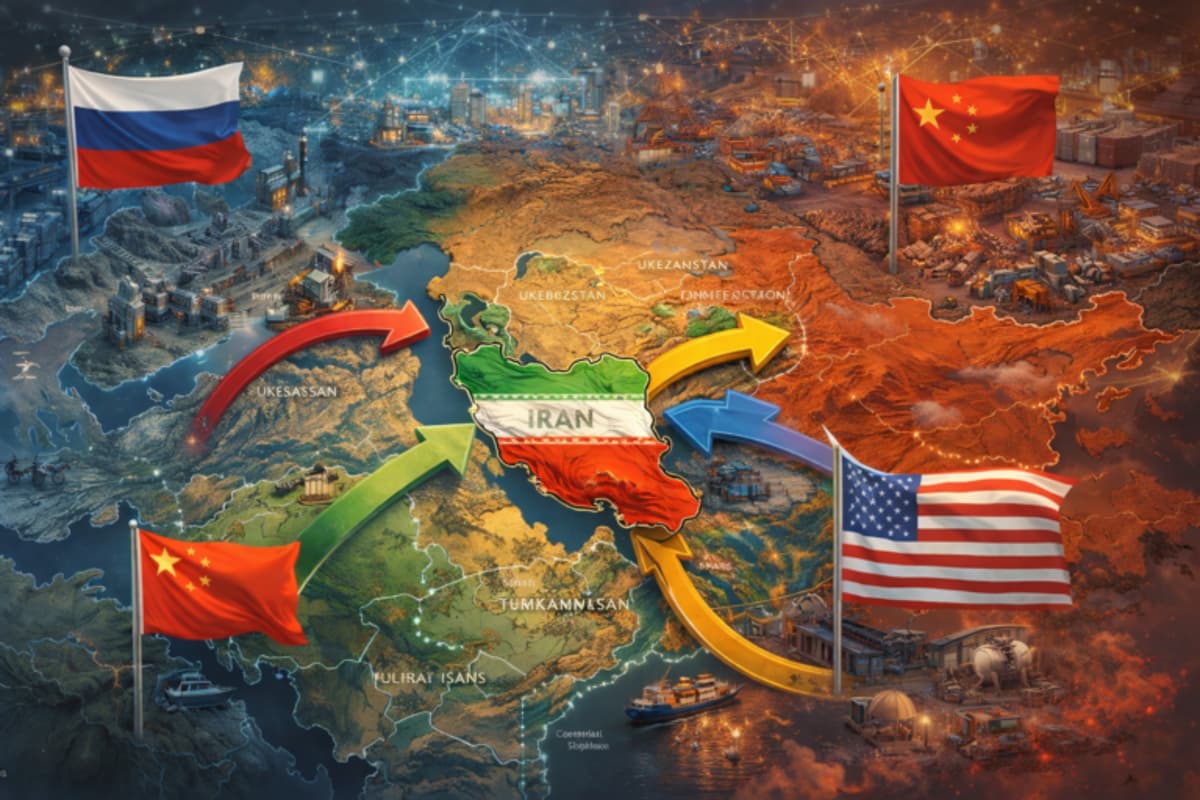
Vector Reverberations: Challenging the New Great Game in Conflicts’ Live Laboratory
The article argues that the traditional “New Great Game” model no longer explains power dynamics in Central and Southwest Asia, where influence now flows through overlapping, multivector networks. The Iran conflict highlights how regional states balance ties to Russia, China,...
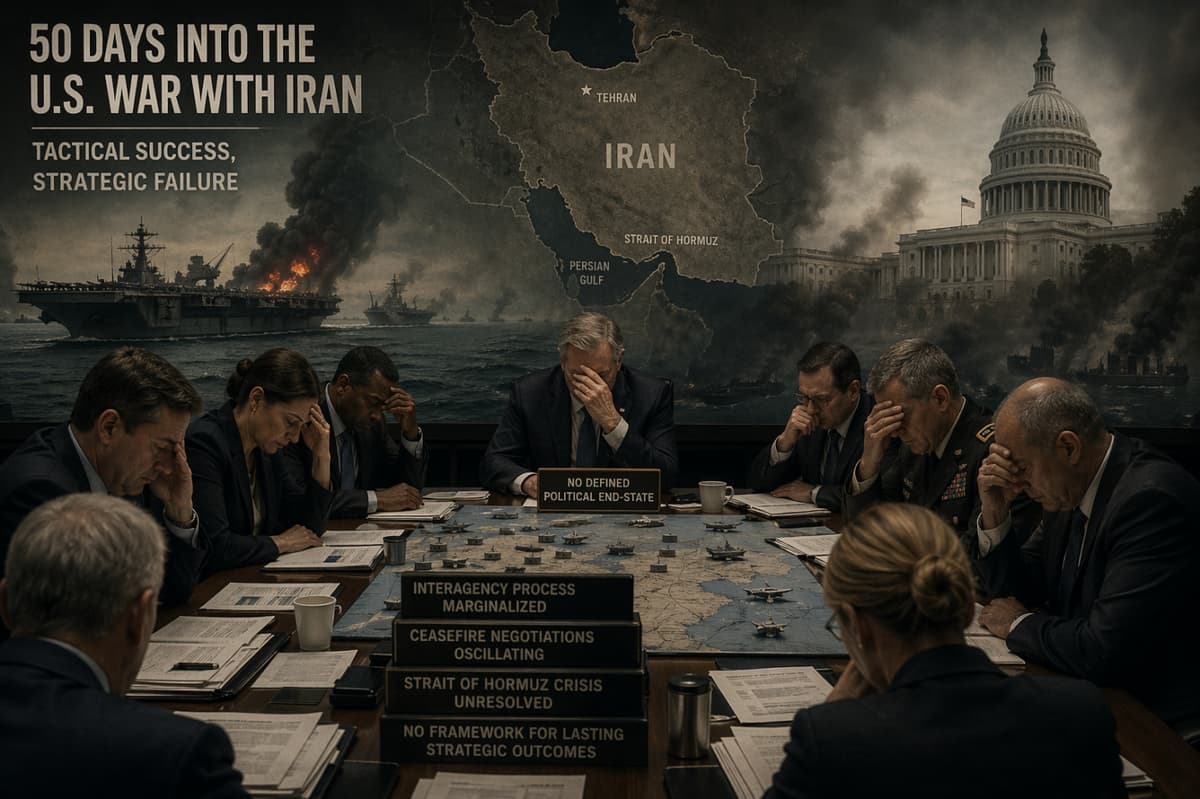
War Without a Theory of Victory: How the United States Lost the Strategic Thread in Iran
Fifty days after Operation Epic Fury—an intensive US‑Israeli strike that killed Iran’s supreme leader and crippled nuclear facilities—the United States finds its tactical gains unmoored from a clear strategic plan. The conflict has devolved into a fragile ceasefire, volatile Strait...
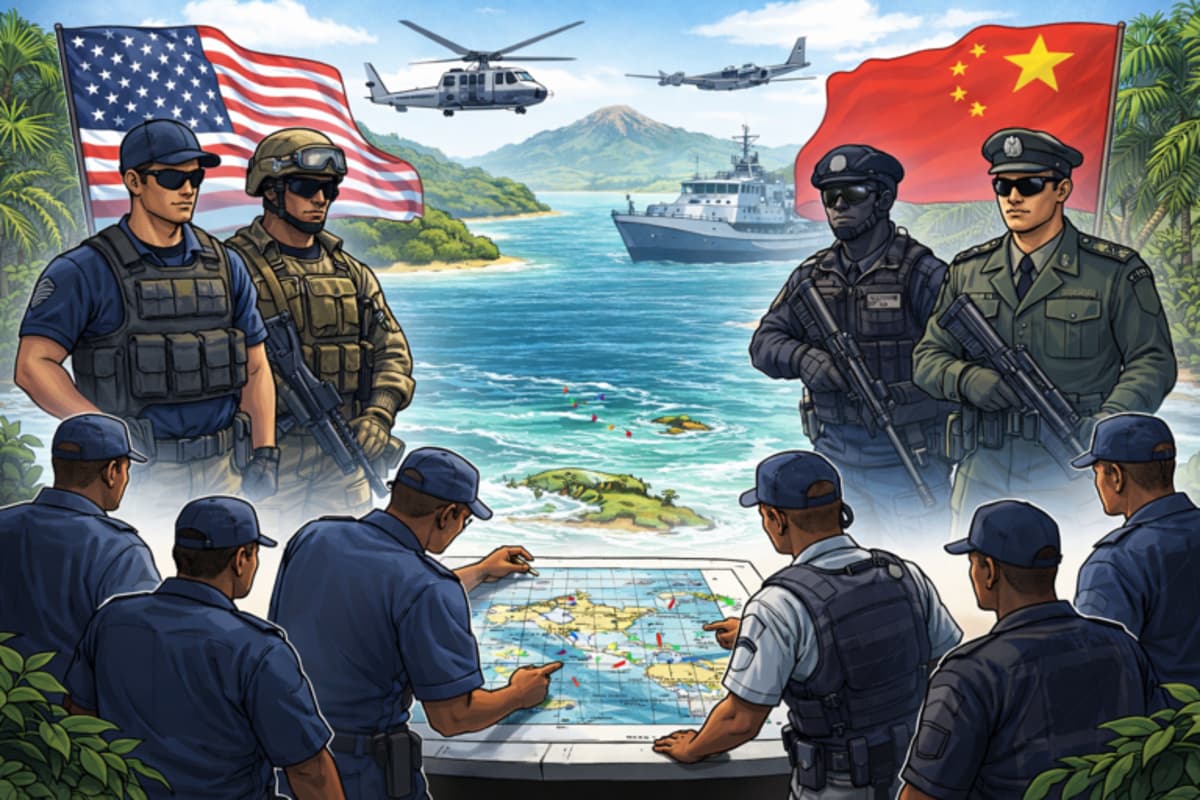
Out of Depth: Shortcomings in U.S. Police Assistance and Coordination Warrant a Shift in the Pacific Islands
The United States’ fragmented law‑enforcement assistance in the Pacific Island Countries (PICs) is ceding strategic ground to China, which is rapidly expanding police training, academy funding, and security‑sector partnerships. Current U.S. efforts are ad‑hoc, duplicated across agencies, and disconnected from...
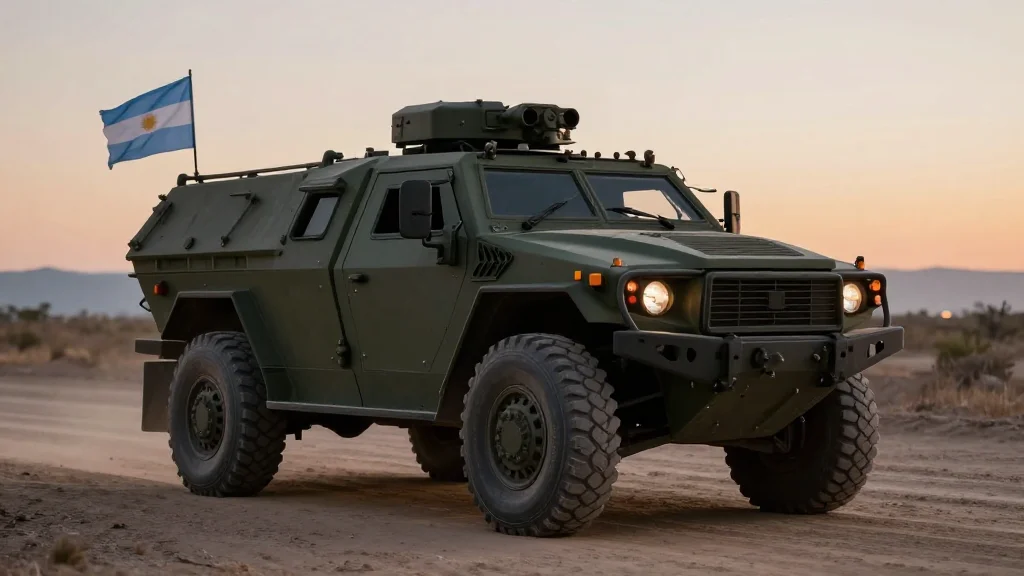
Zero Tolerance Under Prohibition: Argentina and the Adaptation of Criminal Networks
Argentina’s new Zero Tolerance security model under President Javier Milei deepens a long‑standing prohibitionist approach, pairing militarized police actions with expanded punitive laws. The strategy has produced short‑term gains such as higher seizure rates and lower homicide figures in Rosario,...

Autonomy Heads South
The U.S. Southern Command has created an autonomous warfare element that turns drones and artificial‑intelligence systems into the core of daily anti‑cartel operations across Latin America. Unlike previous occasional ISR missions, the new model delivers persistent coverage, faster targeting and...

4/24/26 National Security and Korean News and Commentary
The April 24, 2026 roundup highlights a wave of security headlines, from a U.S. soldier’s $400,000 betting scandal and a Navy‑operational laser system to heightened tensions in the Strait of Hormuz and Chinese satellite activity over the Middle East. In Asia, the...
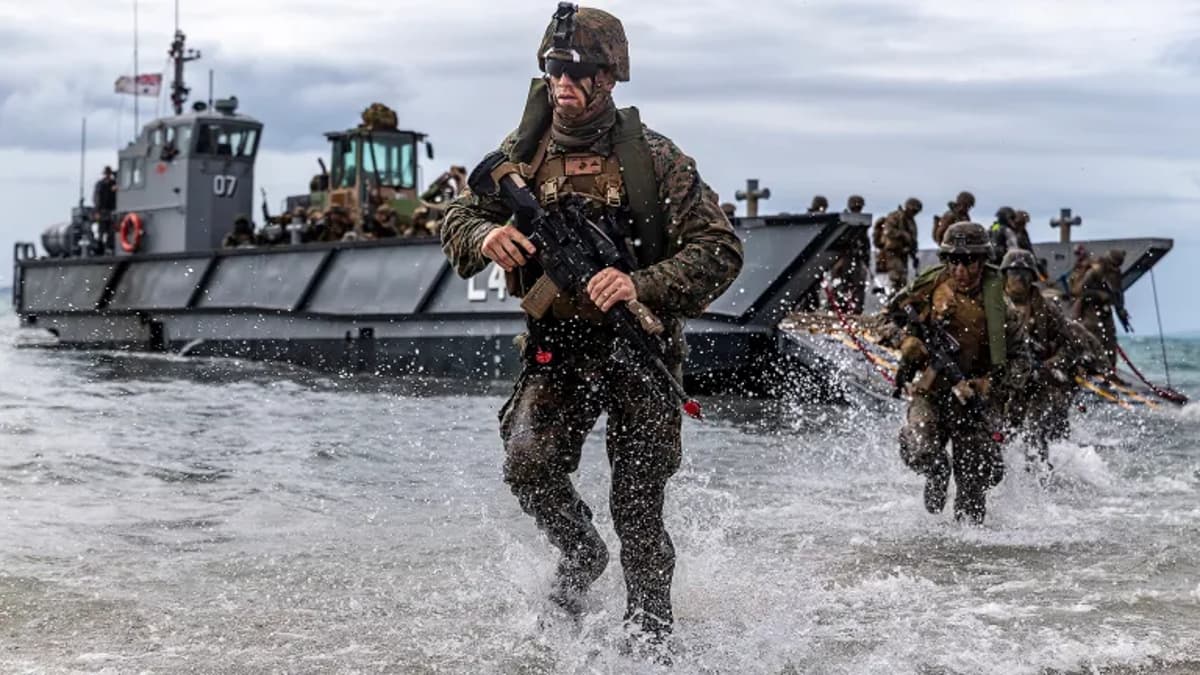
The Marine Corps Must Plan Now for a Long War with China | USNI Proceedings
Lieutenant Colonel Brian Kerg’s April 2026 USNI Proceedings article warns that China’s precision‑strike capabilities could cripple the III Marine Expeditionary Force within weeks of a Pacific conflict. He argues the Marine Corps must immediately preserve training cadres, expand basing and...
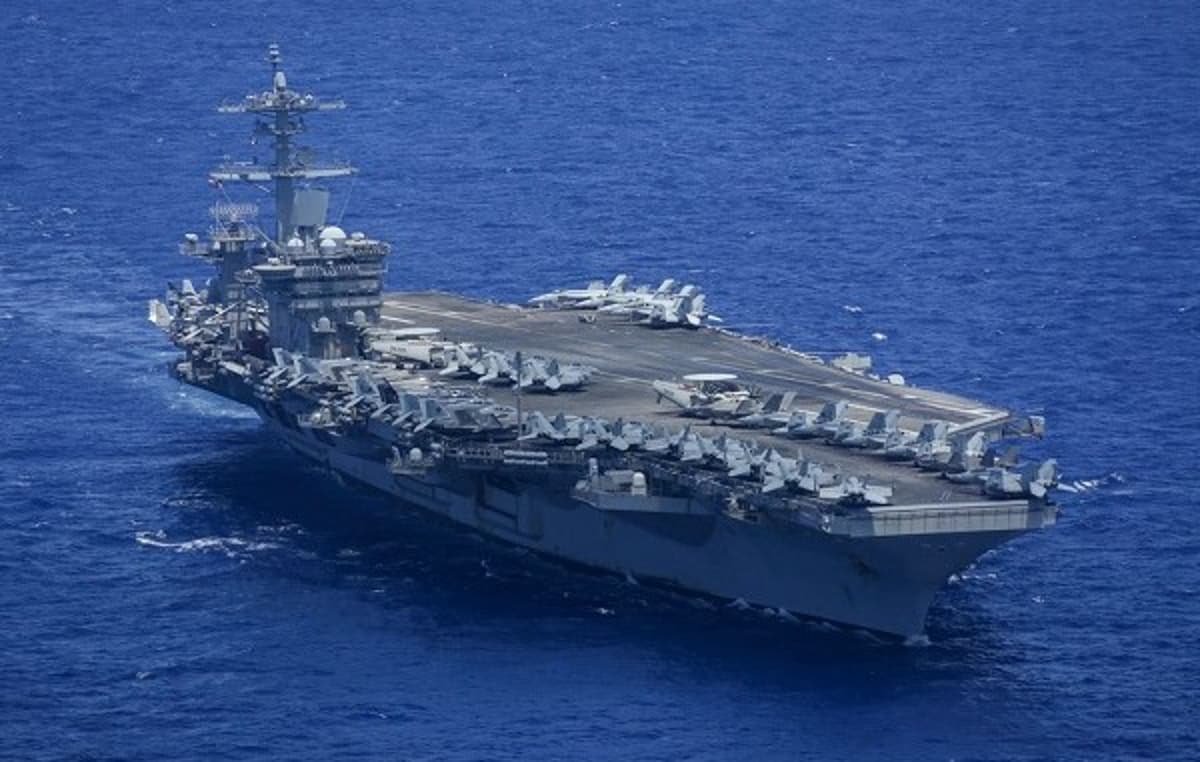
SOF News: Operation Epic Fury Update – April 24, 2026
The planned cease‑fire meeting in Islamabad collapsed as Iran refused to attend, while the U.S. naval blockade of Iranian ports remains fully operational. By Thursday, U.S. forces had seized three sanctioned oil tankers, reinforcing pressure on Tehran’s oil exports. President...
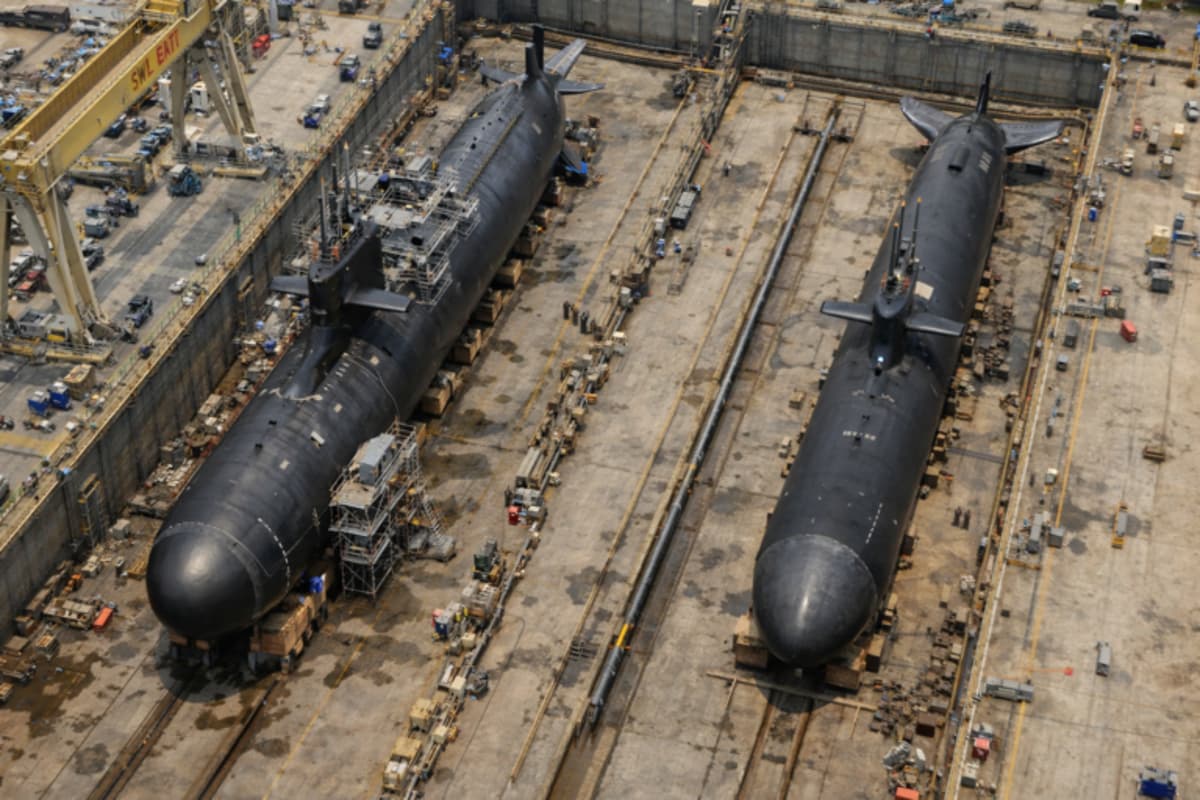
The State of The AUKUS Debate
The debate over Australia’s AUKUS submarine program pits think‑tanks such as ASPI and the Australian Naval Institute against U.S. congressional analyses, with critics emphasizing workforce shortages and perceived supply‑chain delays. Proponents counter that the United States has a long, documented...
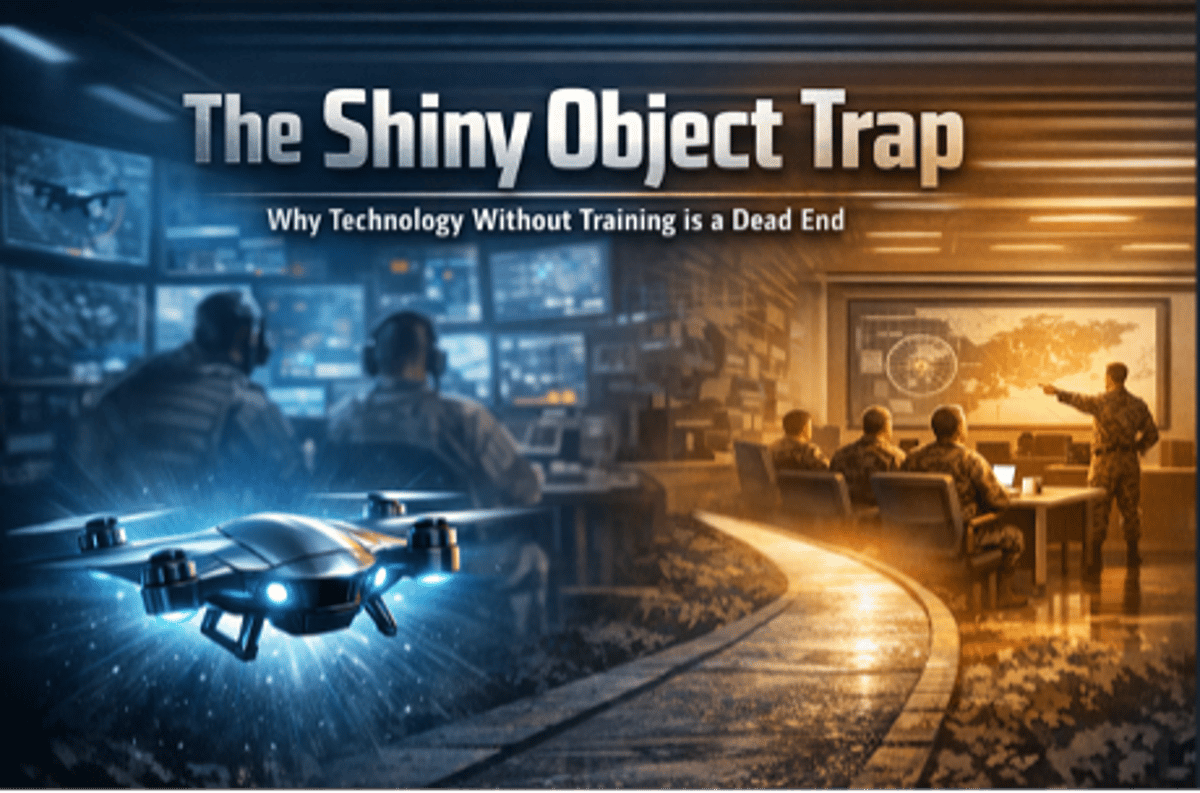
Stop Chasing the Shiny Object: Focus First on a Comprehensive Counter-UAS Training Program
Organizations are increasingly vulnerable to small unmanned aircraft, yet many chase the latest counter‑UAS hardware without first establishing a solid training foundation. The article argues that a comprehensive Counter‑UAS training program—covering legal, operational, and strategic dimensions—is the essential backbone for...
4/23/26 National Security and Korean News and Commentary
The Small Wars Journal roundup highlights how the Iran conflict is being framed as a test of U.S. deterrence in Asia, with particular focus on the strategic choke‑point of the Strait of Hormuz and the six‑month timeline to clear mines....

The Missing Framework: How Political Warfare Can Restore American Strategic Coherence
David Maxwell’s UPI piece warns that the United States wields vast power but lacks a unified framework to apply it. He revives George Kennan’s 1948 notion of political warfare—coordinated, non‑military tools—to counter the “Dark Quad” of China, Russia, Iran and...

Economic War Comes of Age | Foreign Affairs
Edward Fishman’s Foreign Affairs piece argues that economic warfare has become the core of great‑power competition, especially between the United States and China. He warns that indiscriminate use of sanctions and trade tools erodes U.S. leverage and can push rivals...

Unrestricted Warfare Without War: China’s Below-Threshold Strategy in Latin America
China is deploying an "unrestricted warfare" strategy in Latin America, leveraging trade, loans, infrastructure, legal frameworks, and digital standards to reshape the regional strategic environment below the threshold of armed conflict. In 2024 Chinese trade with the region exceeded $500 billion,...

The Limits of Leadership Decapitation: Strategic Consequences of Overreliance on Military Force for Political Transformation
U.S. strategy has long favored leadership decapitation—using military force to remove heads of authoritarian regimes—promising rapid political transformation. While operations in Iraq, Afghanistan, and the 2026 capture of Venezuela’s Nicolás Maduro achieved swift tactical victories, they failed to dismantle the...
4/22/26 National Security and Korean News and Commentary
The Pentagon unveiled a record‑setting $1.5 trillion budget request for FY27, underscoring expanding defense priorities. Simultaneously, diplomatic overtures with Iran remain stalled, keeping the Middle‑East flashpoint alive. In the Korean theater, North Korean hackers were tied to a $290 million cryptocurrency heist,...
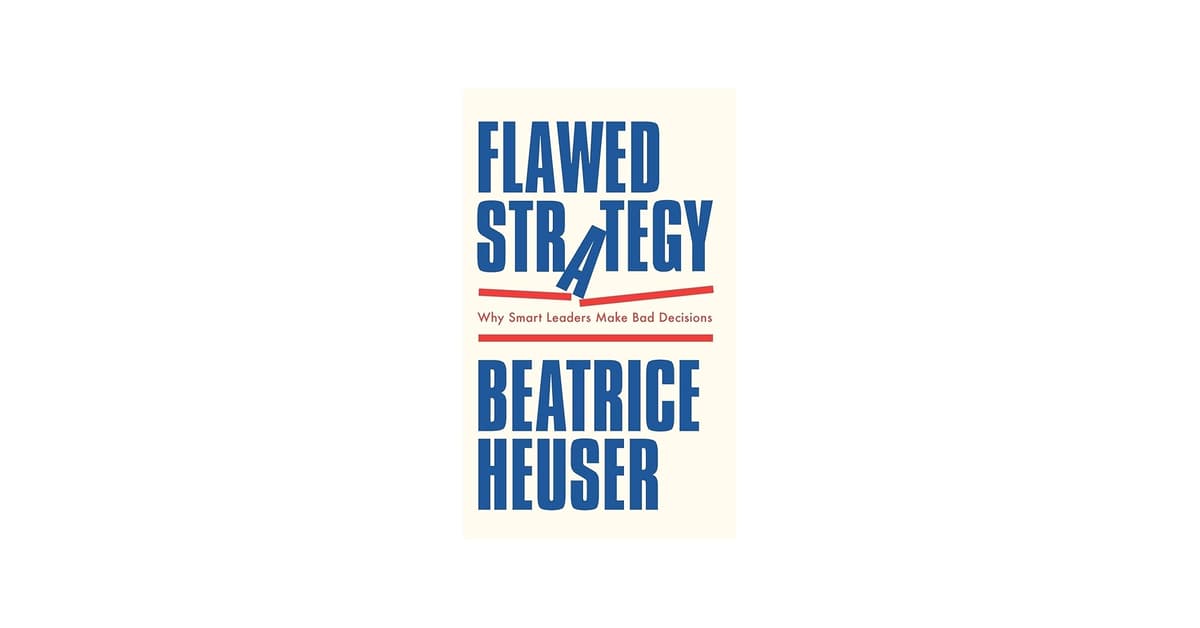
Book Review | Flawed Strategy: Why Smart Leaders Make Bad Decisions
Beatrice Heuser’s 2025 book *Flawed Strategy* dismantles the rational‑actor model, arguing that state decisions are driven by beliefs, ideology, and entrenched biases rather than simple cost‑benefit calculations. Drawing on the 2022 Russian invasion of Ukraine and other historical cases, she...

Assessing US Cyber Power: Capabilities, Fragmentation, and the Challenge of Coordination
The United States retains world‑leading cyber intelligence and offensive capabilities, anchored by the NSA and U.S. Cyber Command, and bolstered by a vibrant private‑sector ecosystem. However, responsibility for cyber operations is split among military (Title 10), intelligence (Title 50) and civilian (Title 6)...
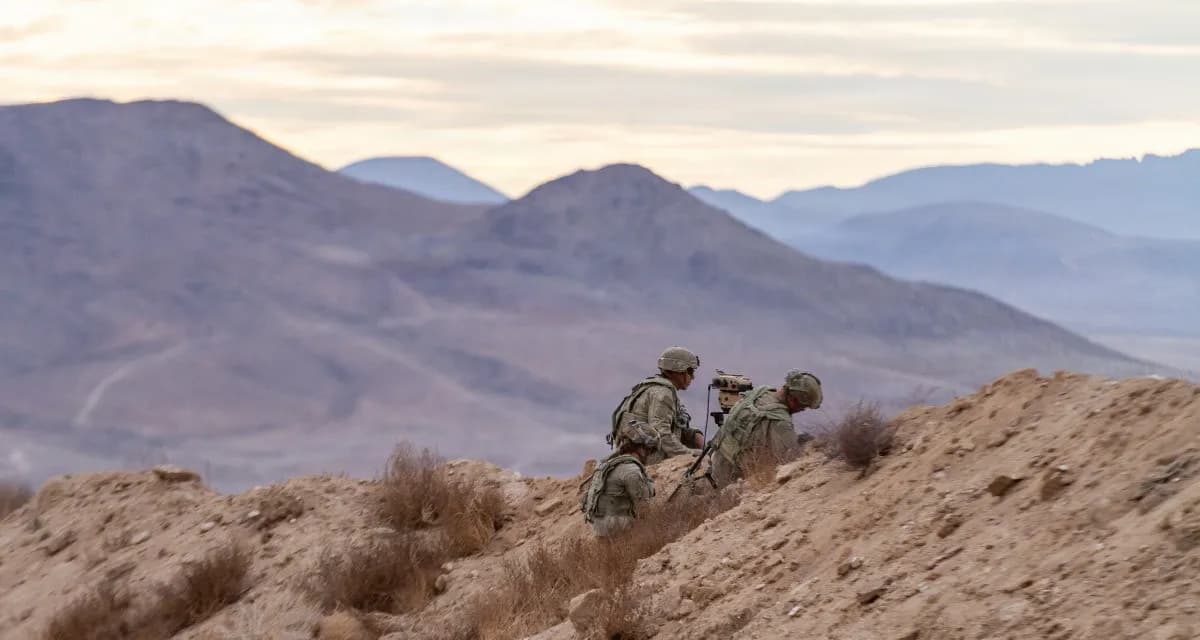
Lessons From Ukraine’s Dead Zone | Modern War Institute
Modern War Institute analysts argue that the Russo‑Ukrainian war has transformed the traditional “no‑man’s land” into a deep, contested dead zone where sensors and precision fires dominate. By 2025, static frontlines gave way to dispersed small units that act as...
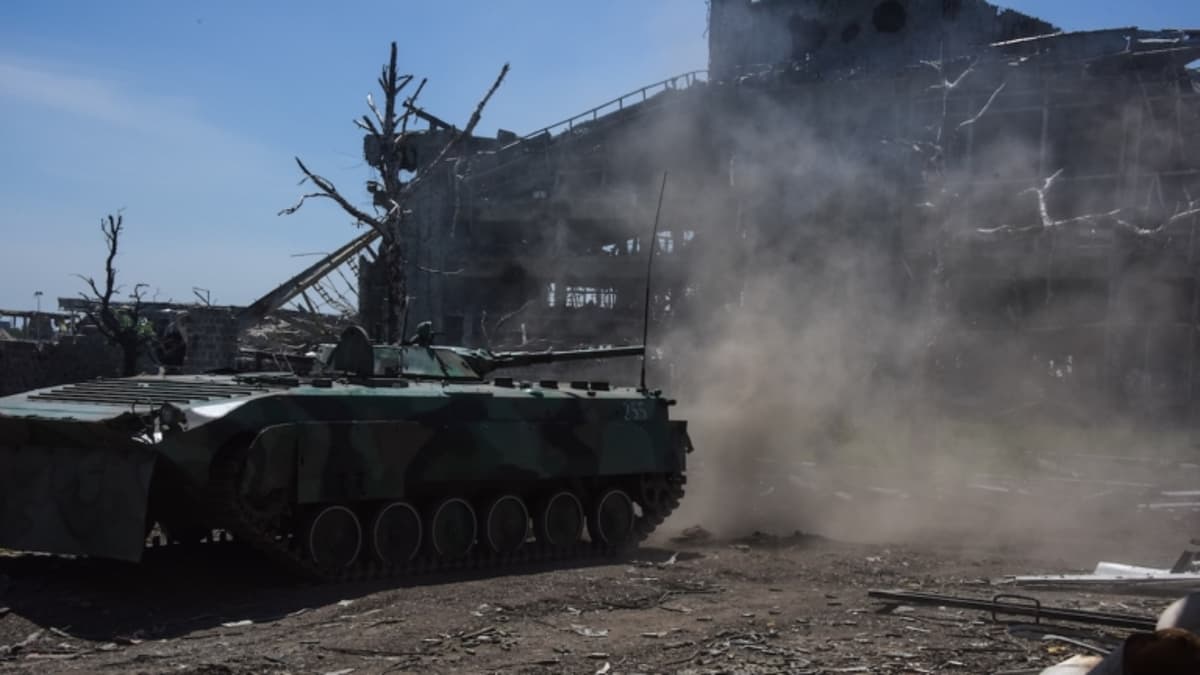
Back to Basics: What Russia’s Donbas Campaign Reveals About the Character of Modern War
Dr. Amos Fox’s War on the Rocks essay argues that Russia’s 2014‑15 Donbas campaign was a textbook example of decisive ground warfare, where sequential sieges at Ilovaisk, Donetsk Airport and Debaltseve turned tactical victories into strategic leverage. He contends that...
Drowning In Data: Solving the Data Overload Problem in OSINT
Rapid growth of OSINT, unmanned aerial systems and AI‑enabled analytics is flooding U.S. intelligence with massive data streams, outpacing traditional analytical cycles and creating decision paralysis. The article argues the overload stems from institutional design flaws, not just technology, highlighting...

The Decimation of Russia’s Specialized Troops and Its Effects on the Ukraine War
Russia’s elite units – the VDV paratroopers, Naval Infantry and GRU Spetsnaz – have endured catastrophic losses in Ukraine, with estimates of 8,500 wounded VDV troops, over 2,200 Marine fatalities and more than 1,000 Spetsnaz killed or wounded. These casualties...

WEBINAR ( 4/22/26): How to Get Your Work Published
The CISA Alumni Executive Board is hosting a hybrid webinar on April 22, 2026 titled “How to Get Your Work Published.” Moderated by Dr. Dayna Barnes, the panel features Editors‑in‑Chief from PRISM: The Journal of Complex Operations, Joint Force Quarterly, and Combating...
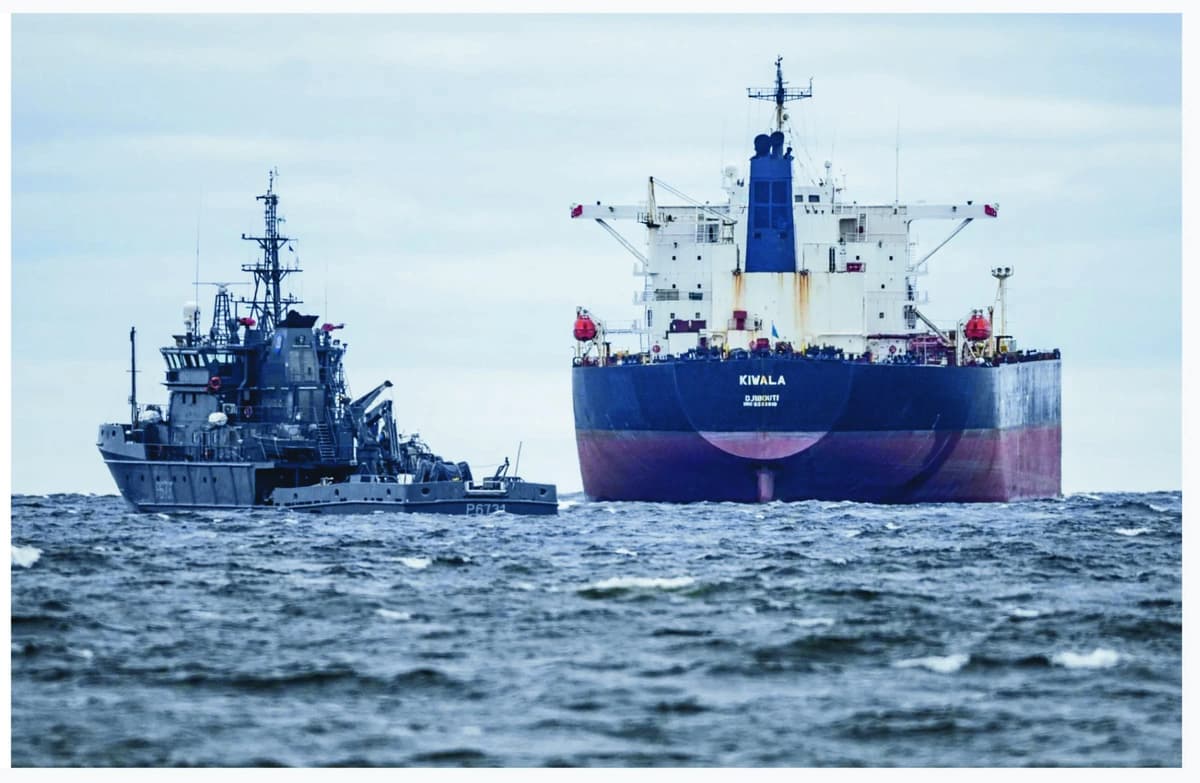
“We Are Not Going Back”: The Conflict-Driven Energy Shift
The Iran‑Israel war has exposed the strategic fragility of global energy flows, especially through the Strait of Hormuz. Disruptions forced governments to rethink reliance on maritime chokepoints, price volatility, and foreign fuel supplies. Import‑dependent states are accelerating renewable, distributed and...

Increased Attacks on Physical Infrastructure by Pro-Iran Hackers: Defense One
A pro‑Iran hacktivist group called Ababil of Minab claimed to have accessed the Los Angeles County Metropolitan Transportation Authority’s internal systems. Transit operations continued without interruption, but the breach underscores a broader trend of Iranian‑aligned actors targeting U.S. critical infrastructure,...

Call for Chapters: “Urban Operations: War, Crime, and Conflict , Vol. 2”
KeyPoint Press has issued a call for chapters for Volume 2 of *Urban Operations: War, Crime, and Conflict*. The edited volume will explore how rapid urbanization—now housing 81% of the global population—reshapes warfare, crime, and security. Prospective contributors may address topics ranging...

The Third Option: How the CIA’s Paramilitary Arm Shapes the Battlefield
Guy McCardle’s recent piece on SOFREP details the CIA’s Special Activities Center (SAC), the agency’s elite paramilitary arm that traces its roots to the World War II OSS. SAC is organized into four branches—Ground, Air, Maritime and Political Action—staffed largely...
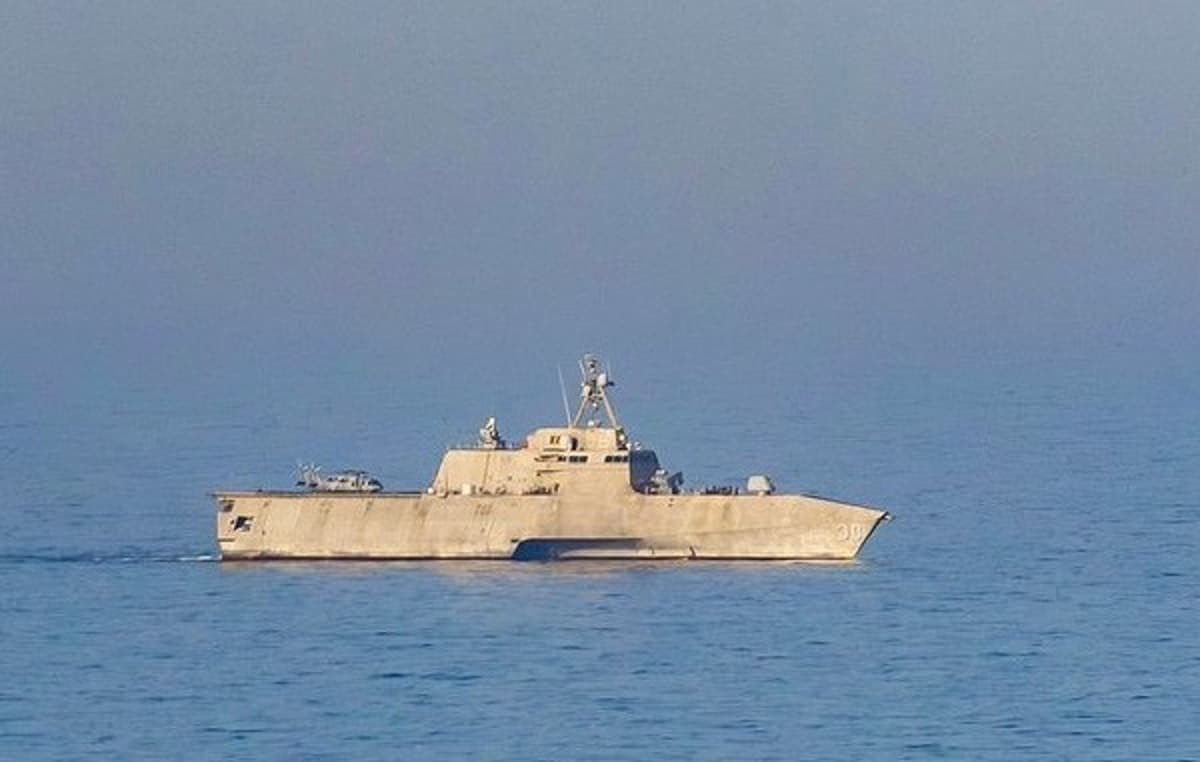
SOF News: Epic Fury Update – 19 April 2026
Cease‑fire negotiations between Israel and Lebanon produced a ten‑day pause, but broader regional tensions remain high. Iran announced the Strait of Hormuz was shut again on April 19, creating a second blockade alongside the U.S. effort. Iraqi militia‑linked drone attacks and...

WEBINAR (04/22/2026): Screen People
Megan Garber’s new book *Screen People* examines how today’s media turns citizens into entertainment characters, blurring fact and fiction. The work links this cultural spectacle to rising loneliness, mistrust, and political dysfunction. Garber will discuss these findings in a New...

WEBINAR (04/21/2026): Saudi Arabia in the Age of Mohammed Bin Salman
The Small Wars Journal is hosting a live webinar on April 21, 2026, featuring AFP reporter Anuj Chopra, author of an upcoming book that profiles Saudi Arabia through nine distinct characters. The session runs from 12‑1 pm ET and will explore the kingdom’s transformation...
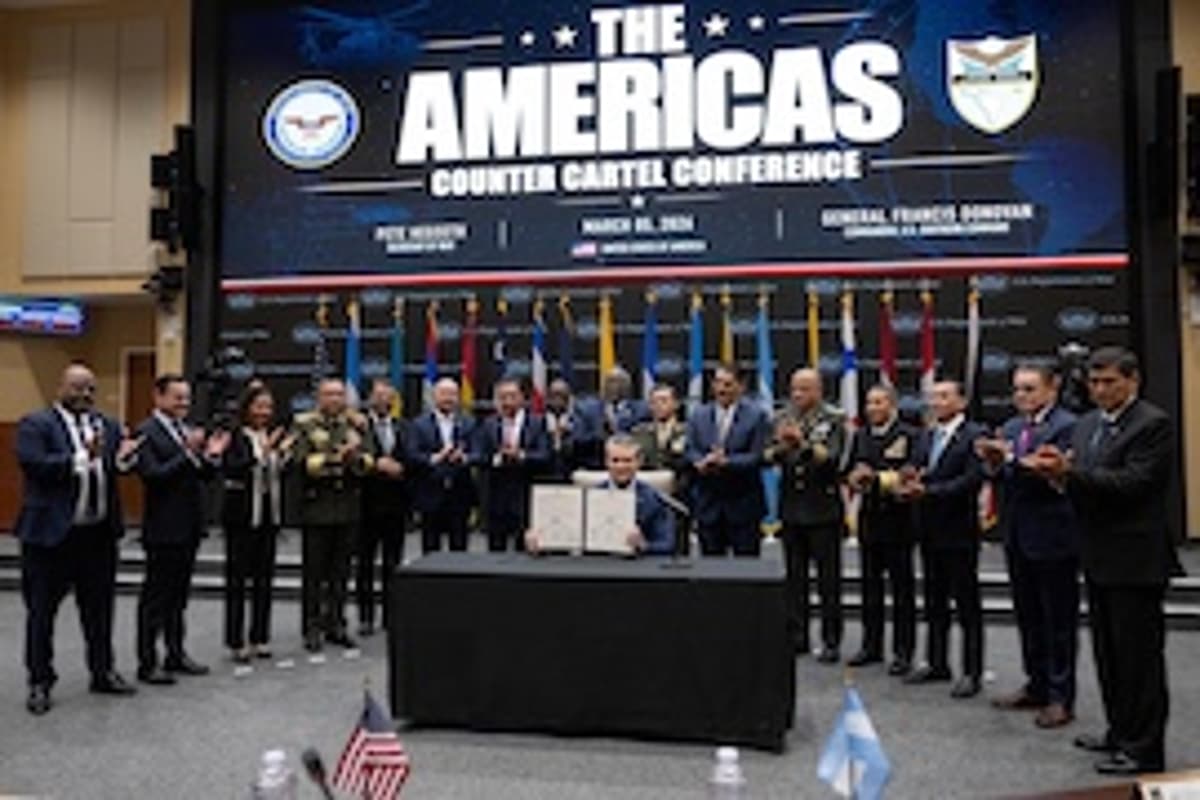
Gunboats and Cartels: The Return of Force in the Americas
General Francis L. Donovan’s inaugural 2026 SOUTHCOM posture statement marks a doctrinal pivot toward a force‑first, counter‑criminal warfare model in the Western Hemisphere. The 12‑page document trims the historic length by more than half, elevating drug cartels—now designated foreign terrorist...

SOF Imperatives 2026: Why USSOCOM Needs a Budget Reset
The Global Special Operations Foundation’s 2026 SOF Imperatives report calls for a steady 5 percent annual increase in USSOCOM’s budget, targeting $24 billion by 2031 – roughly 2 percent of the overall defense budget. Current flat‑funding has already reduced purchasing power, forcing the...

CSIS Report | How Russia Is Building a Sovereign Drone Ecosystem for AI-Driven Autonomy
The Center for Strategic and International Studies released a report detailing how Russia is constructing a sovereign drone ecosystem that embeds artificial intelligence into unmanned systems. By aligning presidential‑level policy, a civilian innovation network, and battlefield feedback, Moscow accelerates the...
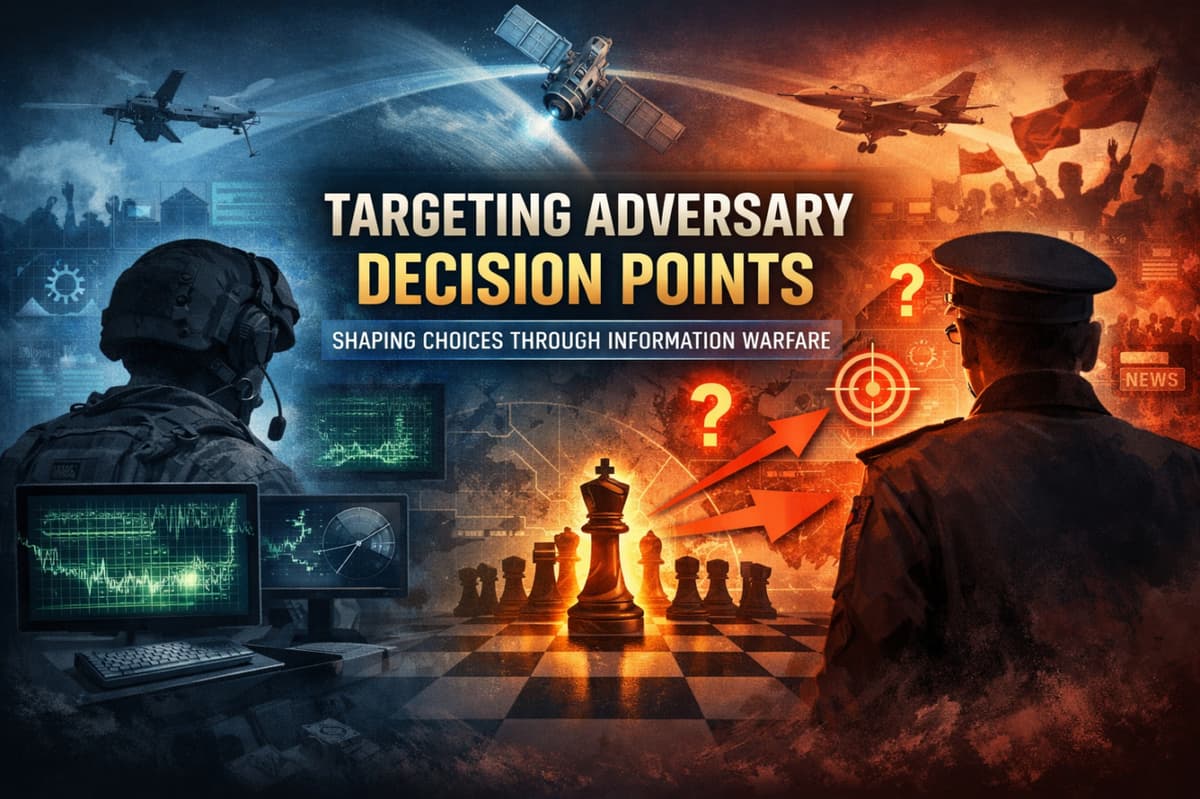
Targeting Decisions: A Simpler Framework for Information Warfare
U.S. military psychological operations face a methodological gap rather than a capability shortfall. The article proposes a decision‑centric framework that focuses on identifying adversary decision points, the criteria driving those decisions, and the information inputs that can be shaped. By...

Administrative Terrain and the Operational Role of SOF in Modern Irregular Warfare
The article argues that modern irregular warfare is increasingly decided in the "administrative terrain"—the regulatory, legal and bureaucratic systems that shape access, escalation thresholds and legitimacy—long before any kinetic action. Special Operations Forces (SOF) have been operating in this space...

Integrating Counter-Drone Systems Into the National Airspace
On April 10 the Department of War and the FAA signed a landmark agreement permitting the use of high‑energy laser counter‑drone systems along the U.S. southern border. A formal Safety Risk Assessment concluded the technology can operate without increasing risk...