
Trump’s Widespread Use of Military Goes Far Beyond Iran: ‘Death by a Thousand Cuts’ in Terms of Readiness
President Trump’s second‑term foreign policy has turned the U.S. military into a global strike platform, extending operations far beyond the Iran conflict. Since the Feb. 28 Tehran strike, the Pentagon has carried out ten airstrikes in Somalia, four vessel attacks in Latin America, a bombing in Ecuador, and a fuel blockade of Cuba. Simultaneous missions include a training deployment in Nigeria, planned bases in Greenland, and a surge of forces in the Middle East. Analysts warn that the cumulative “death by a thousand cuts” is eroding overall readiness for a larger war.

The New Battlespace: Cartels, Technology, and the Future of SOF in the Americas
Vanda Felbab‑Brown and Diana Paz García argue that emerging technologies are reshaping Latin American cartels, allowing them to generate revenue and project violence without relying on physical territory. Synthetic‑drug labs, AI‑driven fraud, cryptocurrency laundering, and inexpensive drones let groups like...

Putin’s Obsession with Ukraine
Four years after launching a full‑scale invasion, Vladimir Putin remains locked into a war that has cost Russia more than 1.2 million military casualties, severe equipment losses and a cascade of diplomatic setbacks. Early defeats of the army and navy, the...

Redefining Readiness: Why US Special Operations Forces Must Be Optimized for Irregular Competition
U.S. Special Operations Forces are being evaluated with conventional readiness metrics that prioritize deployability and equipment, undermining the human capital and relational capabilities essential for irregular competition. The article argues that this misalignment leads to overuse, eroding judgment, cultural fluency,...

From Science Fiction to Force Structure: Directed Energy Is Here
Directed‑energy weapons have moved from theory to operational use, offering high‑energy lasers and high‑power microwaves that dramatically lower the cost per shot compared with traditional missiles. The rise of inexpensive drone swarms, exemplified by Iran's Shahed series, forces defenders to...

4/15/26 National Security and Korean News and Commentary
The latest briefing aggregates a wave of geopolitical developments, highlighting Europe’s accelerated NATO fallback plan amid fears of a U.S. withdrawal, and a coordinated European post‑war strategy to free the Strait of Hormuz without American involvement. In parallel, Washington is...

Africa’s Militant Islamist Threat: Near-Record Fatalities and an Expanding Operational Footprint in 2025
The Africa Center for Strategic Studies reported that militant Islamist groups killed nearly 24,000 people in 2025, a 24% increase from 2024, and carried out 8,375 violent events—the highest on record. The insurgents now operate across an arc from Algeria...

From Rejection to Acceptance: Why Iran Agreed to a Ceasefire
After six weeks of intense fighting, Iran accepted a two‑week cease‑fire mediated by Pakistan, ending its initial opposition. Tehran’s leverage—blocking the Strait of Hormuz and striking regional energy infrastructure—had spiked oil prices but proved unsustainable. A credible U.S. threat to...

Revamping U.S. Military Assistance: A Four-Tier Model for a New Strategic Era
The article proposes a four‑tier model to overhaul U.S. foreign military assistance, arguing that the current $1.1 trillion program is driven by legacy relationships rather than strategic returns. It highlights misalignments such as Egypt receiving over $50 billion in military grants while...

Operational Exposure in the Age of Attribution: GRU Lessons for Digital Force Protection
The article uses the 2018 GRU intrusion against the OPCW as a case study to illustrate how ubiquitous technical surveillance (UTS) turns digital signatures into a decisive vulnerability. It argues that the Russian officers were caught not because of technical...

How Cartels Are Repositioning Into Africa
Cartel-linked drug manufacturers are moving production from the Americas to Africa, with Mexican networks establishing industrial‑scale methamphetamine labs in South Africa and Nigeria. The shift reduces interdiction risk by locating manufacturing closer to growing consumer markets and exploiting weak governance,...

The Resistance Hub: A Free, Open-Source Library for Irregular Warfare and Resistance Studies
The Resistance Hub, a free, open‑source library, consolidates core doctrine, theory, and primary source material for irregular warfare and resistance studies. Its resources page offers the ARIS series from Johns Hopkins APL, declassified OSS unconventional‑warfare manuals, and the Resistance Operating...

Transforming in Contact: The Army Needs an Unmanned Systems Command Now
The U.S. Army’s Transformation in Contact initiative calls for a dedicated Unmanned Systems Command (USAUSC) to embed drones at every level. Lessons from Ukraine’s rapid adoption of low‑cost commercial drones show how bottom‑up acquisition and integrated data networks can deliver...

Why Pakistan’s Once Little-Known Baloch Insurgency Now Matters in Washington
In December 2025 the U.S. Export‑Import Bank approved a $1.25 billion loan to fund the Reko Diq copper‑gold project in Balochistan, a move expected to generate up to $2 billion in U.S. mining‑equipment exports and create roughly 6,000 U.S. and 7,500 Pakistani jobs....

WEBINAR (04/16/26): Days of Love and Rage: A Story of Ordinary People Forging a Revolution
Award‑winning journalist Anand Gopal will host a virtual webinar on April 16 to discuss his new book, “Days of Love and Rage,” which chronicles how ordinary Syrians in a northern city sparked a democratic uprising against a brutal dictatorship. The...

SWJ–El Centro Book Review: Cybersecurity Governance in Latin America
Dr. Carlos Solar’s new book Cybersecurity Governance in Latin America offers a comprehensive academic study of how emerging democracies in the Western Hemisphere are building cyber capacity, shaping governance frameworks, and militarizing digital operations. The analysis focuses on Brazil, Mexico, Colombia, Argentina,...

Anthropic’s Mythos: Our Takeaways
Anthropic has decided not to release its latest AI model, Mythos, citing concerns over its power. The model can automatically discover zero‑day vulnerabilities across large software ecosystems, turning AI into a strategic cyber‑security tool. Anthropic will limit access to a...

Process Over Purpose: The Cost of Scrutinization in Theater Special Operations Commands
Chief Warrant Officer Greg Settle warns that theater special operations commands (TSOCs) are prioritizing excessive scrutiny over synchronization, turning them into bottlenecks rather than force multipliers. He cites three vignettes—a delayed freefall training, a rejected horsemanship concept, and a protracted...

Oil Revenues as the IRGC’s Center of Gravity: The Case for Strikes on Kharg
The article argues that the Islamic Revolutionary Guard Corps (IRGC) derives its power from a vast commercial empire, with Kharg Island’s oil export infrastructure serving as its financial backbone. While U.S. and Israeli forces have struck Kharg’s military assets, the...

Structure, Agency, and the Stability Gamble: What Irregular Warfare Theory Reveals About U.S. Strategy
The United States is adopting a “stability‑first” strategy that favors calibrated coercive pressure over outright regime change, drawing on irregular‑warfare theory, Clausewitz’s center of gravity, and Schelling’s bargaining model. This approach is being applied simultaneously in Venezuela, Iran, Ukraine, the...

Mind Games: How Disaggregated Power Is Reshaping Warfare
The article argues that rapid technology diffusion, economic globalization, and democratic liquidity have fragmented state coercive power, enabling subnational and non‑state actors to achieve political goals through targeted force and information operations. It cites the 2016 Russian election interference, ransomware...

SOF News: Operation Epic Fury Update – 12 April 2026
Operation Epic Fury entered its final ten days as a two‑week ceasefire looms, but talks in Islamabad have stalled. The U.S. Navy moved two destroyers through the Strait of Hormuz while U.S. forces rest, rearm, and prepare to resume strikes,...

Neurotechnology and the Transformation of War’s Human Domain
The United Nations Institute for Disarmament Research released a 2025 report highlighting the rapid shift of neurotechnologies from medical labs to commercial and military arenas. It warns that tools capable of reading and influencing brain activity are birthing a new...
How Iran Is Outsourcing Violence
Iran is increasingly outsourcing violent operations to criminal networks, including biker gangs and freelance hitmen, as highlighted by the recent fire‑bombing of Jewish charity ambulances in London. This shift moves the Islamic Revolutionary Guard Corps away from traditional ideological proxies...

University of South Florida to Host 2026 International Security Experience
The University of South Florida will host the 2026 International Security Experience from April 14‑17, a four‑day series organized by its Global and National Security Institute. The event comprises three core gatherings—a technology‑focused intelligence conference, a student‑run Future Strategist Program,...

What Strategy Demands From Influence Practitioners: Why Meeting Strategic Intent From the Recent NSS, NDS, and NDAA Requires Institutional Transformation
The 2025 National Security Strategy, 2026 National Defense Strategy, and FY‑26 National Defense Authorization Act now elevate cognitive warfare—destructive propaganda and cultural subversion—to the same priority as kinetic threats. They demand influence practitioners move from simple messaging to real‑time narrative...

Book Review – The Fort Bragg Cartel: Drug Trafficking and Murder in the Special Forces
Seth Harp’s 2025 book *The Fort Bragg Cartel* alleges that U.S. Special Operations Forces have been involved in drug trafficking, murder and other crimes, shielded by a culture of secrecy and lenient oversight. Drawing on declassified files, trial transcripts and...

The Iran War: A War With or Against the AI Sector?
The Iran war, which began on Feb. 28 2026, has become a battlefield for artificial intelligence, with U.S. and Israeli forces using AI‑driven targeting systems to strike over 1,000 Iranian sites on day one and thousands more in the following days. Iran...

Quantum Power Parity: The Next Front in U.S.–China Strategic Competition
The paper defines "quantum power parity" as a strategic balance where the United States and China each possess overlapping quantum computing, sensing, and communications capabilities that deny the other a decisive edge. Unlike nuclear parity, this equilibrium is opaque, hard...

Writing A New Chapter in the Army’s “Jungle Book”: How the U.S. Can Gain Three Birds via Panama’s Hand and...
The article proposes re‑establishing a permanent U.S. military base at Fort Sherman in Panama to secure three strategic advantages: rapid response to canal threats, a forward position for counter‑terrorism operations against drug‑linked terrorist groups, and a realistic jungle‑training hub for...
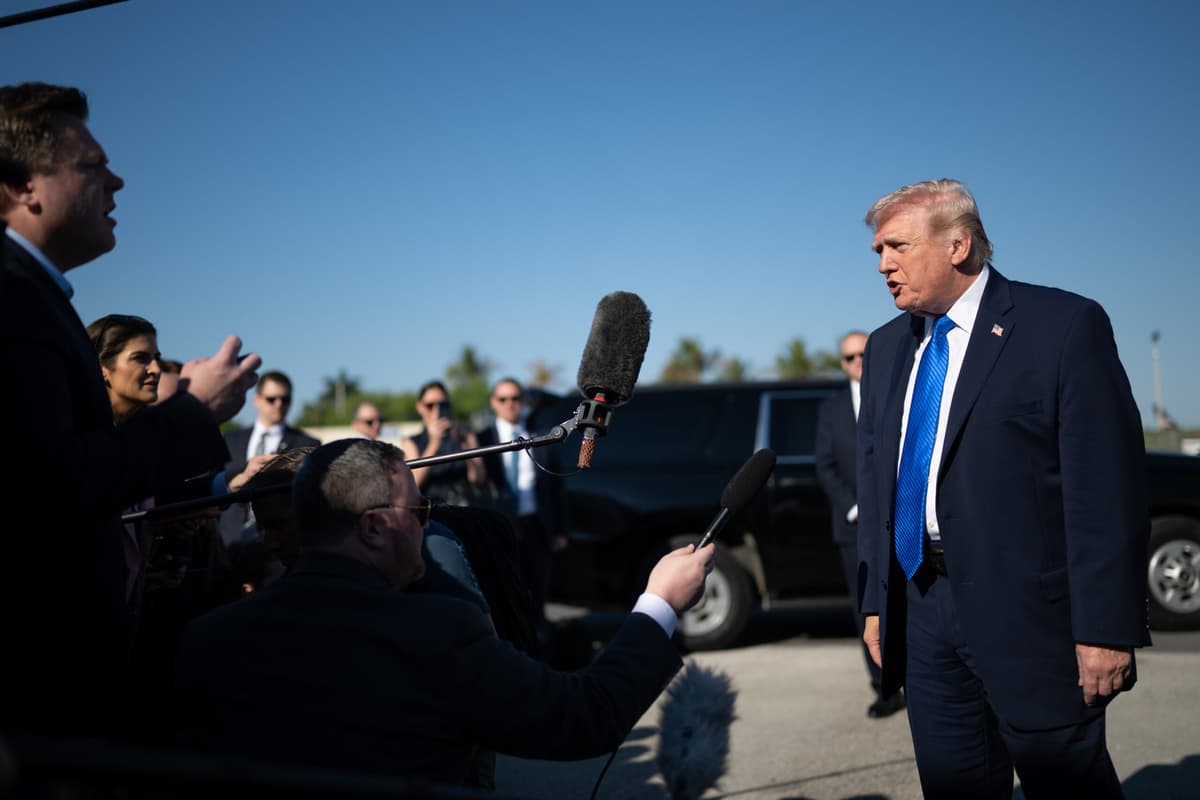
Trump’s Threat to Destroy Iran’s Civilization Shocked Even some Supporters, Raised War Crime Concerns
President Donald Trump warned that an entire Iranian civilization would "die tonight" unless Tehran reopened the Strait of Hormuz, a threat issued just hours before a self‑imposed deadline. Legal scholars quickly labeled the rhetoric as potentially constituting a war crime...
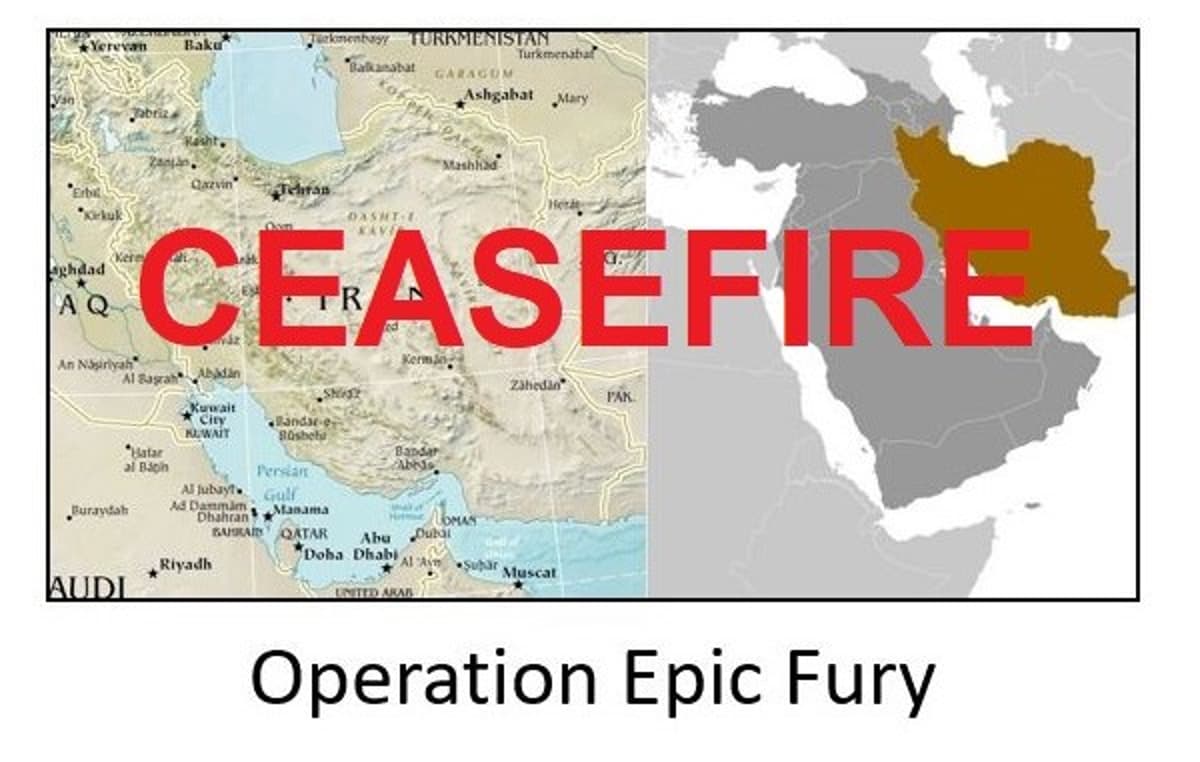
SOF News: Ceasefire Agreement Announced for Iran War
The United States, Iran, and Israel have agreed to a two‑week ceasefire that begins Tuesday evening, just before a Trump‑issued ultimatum expired. The ceasefire requires Iran to reopen the Strait of Hormuz to all shipping immediately, allowing commercial traffic to...

Information Lethality Revisited: Strategic Influence and the Future of War
The article revisits a 2019 thesis that the U.S. military’s definition of lethality is overly focused on kinetic destruction, ignoring strategic influence. It documents how rivals like Russia and China have achieved outsized political effects with far lower costs, while...
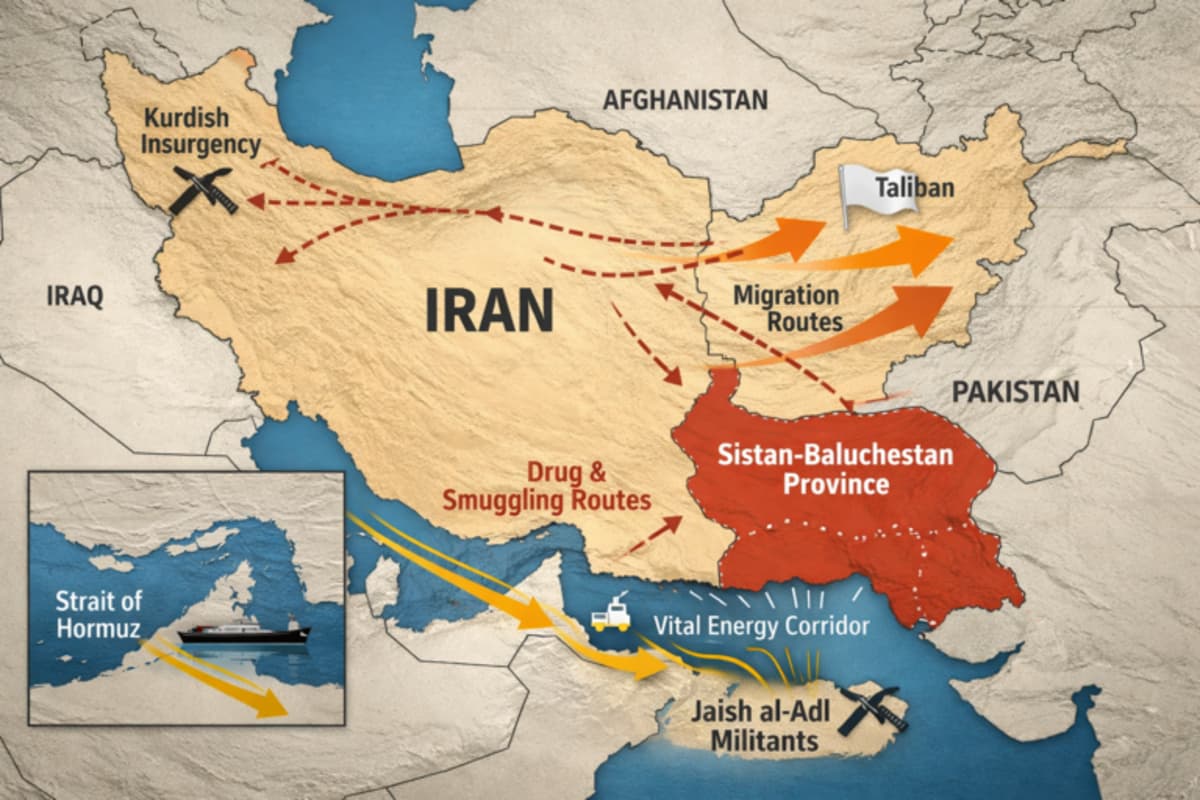
What a Destabilized Iran Means for Regional Security Interests
U.S. and Israeli airstrikes that killed Iran's 86‑year‑old Supreme Leader, Ayatollah Ali Khamenei, have turned him into a martyr and sparked massive nationalist rallies across the country. The strikes have intensified debate in Washington over congressional war powers and the...
4/7/26 National Security and Korean News and Commentary
The Small Wars Journal released an April 7, 2026 roundup of national‑security and Korean commentary, emphasizing the United States’ strategic dilemmas in the Iran conflict, the disruptive power of low‑cost drones against heavy armor, and the ripple effects on China’s Taiwan calculus...
Argentina Designates CJNG a Terrorist Organization: Milei’s Move and the Emerging Hemispheric Security Architecture
Argentina’s Milei administration formally designated Mexico’s Jalisco New Generation Cartel (CJNG) as a terrorist organization, adding it to the country’s Public Register of Persons and Entities Linked to Acts of Terrorism (RePET) and authorizing financial sanctions. The move parallels the...

From Shipyards Comes Seapower: Revitalizing Naval Shipbuilding
The U.S. Navy’s shipbuilding program continues to suffer from chronic cost growth, design instability, and production delays, as highlighted by GAO reports on the Constellation‑class frigate and the truncated Zumwalt destroyer. Historical factors—including high labor and steel costs, low‑volume production...
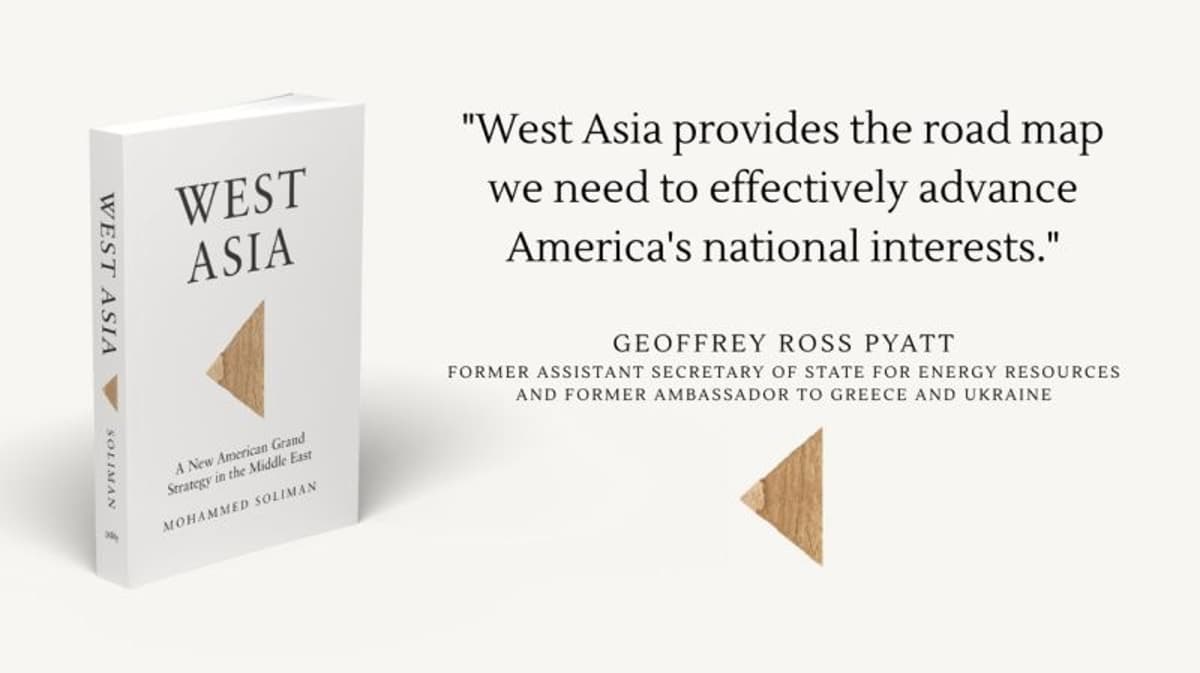
Book Review | West Asia: A New American Grand Strategy in the Middle East
Mohammed Soliman’s new book, *West Asia*, reframes the Middle East as a vital corridor that underpins America’s broader Indo‑Pacific competition with China. He argues that U.S. grand strategy should adopt an Asia‑first lens, evaluating every Middle Eastern commitment for its...

France’s Efforts To Strengthen Its Drone Warfare Capabilities: Focus on the 2024-2030 Military Programming Law (MPL)
The French Parliament approved the 2024‑2030 Military Programming Law, committing €413 bn (≈ $445 bn) to defence over seven years, a record increase of €118 bn ($128 bn) versus the previous plan. The law earmarks €10 bn ($10.8 bn) for innovation and roughly €5 bn ($5.4 bn) specifically for...

Transforming Army Education: The Leadership Laboratory
Army University is overhauling its education model by replacing lecture‑based instruction with a student‑centric "leadership laboratory" that emphasizes experiential learning. The new paradigm focuses on self‑awareness, critical thinking, team development, and leading change, mirroring the ambiguous, multidomain battlefields of the...

Book Review | Multidomain Operations: The Pursuit of Battlefield Dominance in the 21st Century
The Small Wars Journal review examines *Multidomain Operations: The Pursuit of Battlefield Dominance in the 21st Century*, a 2026 edited volume that critiques the U.S. Army’s MDO doctrine as an unfinished, overly broad concept. The authors argue that MDO, originally...

Robin Sage and Unconventional Warfare | The Real Story of the Special Forces Culmination Exercise
An episode of the Pineland Underground series from the John F. Kennedy Special Warfare Center and School examines the Special Forces culminating exercise known as Robin Sage. Hosted by SWCS Chief of Staff COL Stu Farris and retired MSG Chris...

M111 Grenade Approved, Replacing Vietnam-Era Design
The U.S. Army has approved the M111 Offensive Hand Grenade, the first new lethal hand grenade fielded since the Vietnam‑era Mk3A2. Developed at Picatinny Arsenal, the M111 replaces the asbestos‑laden Mk3A2 with a fully consumable plastic casing, eliminating hazardous residue....

AI, Warfare, and Augmented Cities
Artificial intelligence is reshaping urban environments into both strategic assets and vulnerable attack surfaces, a dynamic the author terms "hyperwarfare." Recent conflicts—from missile strikes on Abu Dhabi to Starlink jamming in Tehran and Taipei—illustrate how AI‑enabled drones, satellite communications, and...

Cloud-Seeding a Revolution
The article outlines how modern information warfare can "cloud‑seed" revolutions by mapping societal rifts, conditioning social‑media personas, and amplifying local grievances into coordinated protests. It describes a phased process—environment analysis, network conditioning, and visible mobilization—designed to create low‑cost, politically palatable...

Venezuela at a Crossroads: Cautionary Lessons on Intervention
The United States launched Operation Absolute Resolve, seizing Venezuelan President Nicolás Maduro and announcing it will "run" Venezuela until a transition is arranged. The Trump administration framed the raid as a law‑enforcement action targeting an indicted fugitive, invoking a 1989...

Operating on The Margins | Canadian Special Operations Command
Canadian Special Operations Command released two 2023 publications examining gray‑zone conflict and the future of special operations. "Operating on the Margins" defines the gray‑zone as the competitive space between peace and war, highlighting its relevance in Russia’s near abroad and...

From Creating to Engineering: Conspiracy Theories in Information Warfare
An essay expands on earlier work by showing how information‑warriors can deliberately construct weaponized conspiracy theories, using the Existential Threat Model (ETM) and a conspiracy belief formation framework. It illustrates the process with a hypothetical biolaboratory narrative, detailing how patternicity,...

Is the United States Drifting Toward Rogue State Perception?
The piece argues that the United States’ “America First” posture is exhibiting traits traditionally associated with rogue‑state labels, such as routine economic coercion, selective multilateral engagement, and overt force signaling. It traces the evolution of the rogue‑state concept from Cold‑War...

“Japan First” In the Indo-Pacific: Takaichi’s Shift From Pacifist Constraint to Allied Mobilization
Japanese Prime Minister Sanae Takaichi called a snap election on Jan. 23, 2026, three months after taking office and won a historic 316‑seat supermajority in the lower house. The victory, the LDP’s largest post‑war win, gives her the parliamentary muscle to...