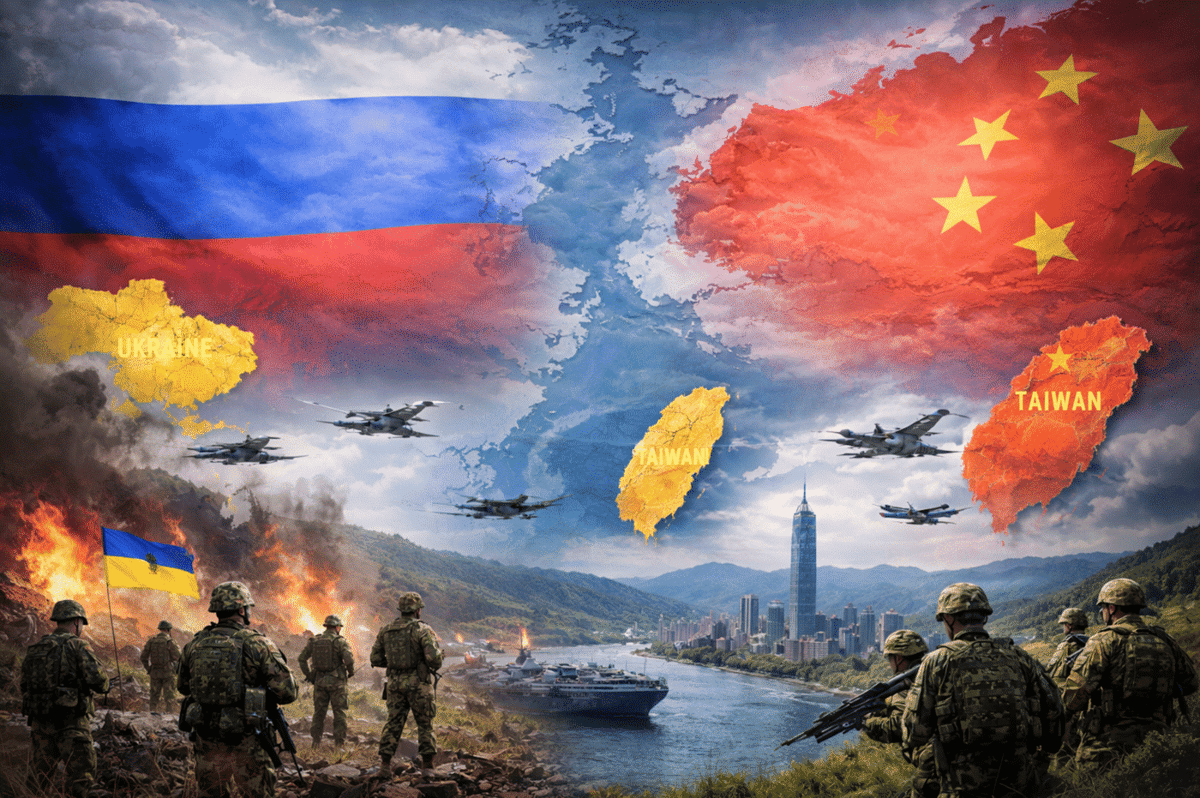
Text Without Context Is Pretext – Ukraine Today, Taiwan Tomorrow?
The article examines the oft‑cited “Ukraine today, Taiwan tomorrow” analogy, outlining both superficial parallels—such as corruption concerns, language policies, and religious composition—and deeper divergences, especially economic strength and strategic ROI for potential invasions. It argues that without nuanced context the comparison becomes pretext, and that Russia’s calculus for Ukraine differs fundamentally from China’s incentives regarding Taiwan.
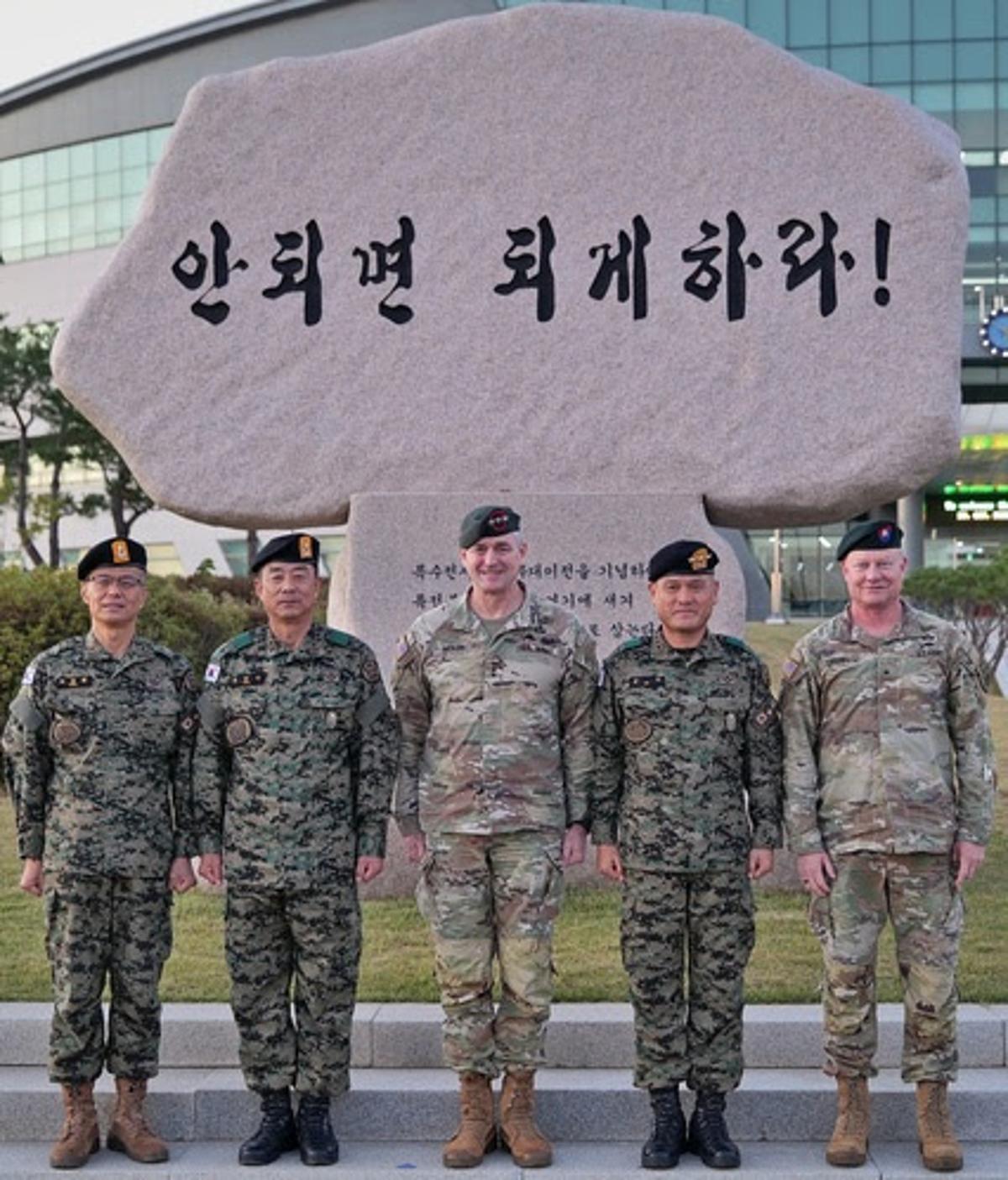
Katchi Kapshida: How to Deter North Korea, Together
The article outlines a three‑pronged policy framework for the United States and South Korea to deter North Korea more effectively. It calls for strengthening the US‑ROK alliance through deeper interoperability, improving burden sharing by boosting South Korean defense capabilities, and...

What Are Small Wars? | Irregular Warfare Podcast #1
The Modern War Institute, together with Princeton’s Empirical Studies of Conflict Project, launched the inaugural Irregular Warfare Podcast. In the first episode, hosts Kyle Atwell and Nick Lopez interview Princeton political scientist Dr. Jake Shapiro and Colonel Patrick Howell to...
SOF Weekly Update – March 9, 2026
The SOF Weekly Update for March 9 2026 reports the deaths of two Green Berets, underscoring the human cost of ongoing operations. It highlights growing concerns over U.S. military use of artificial intelligence, particularly regarding mass surveillance and autonomous weapons. A new...
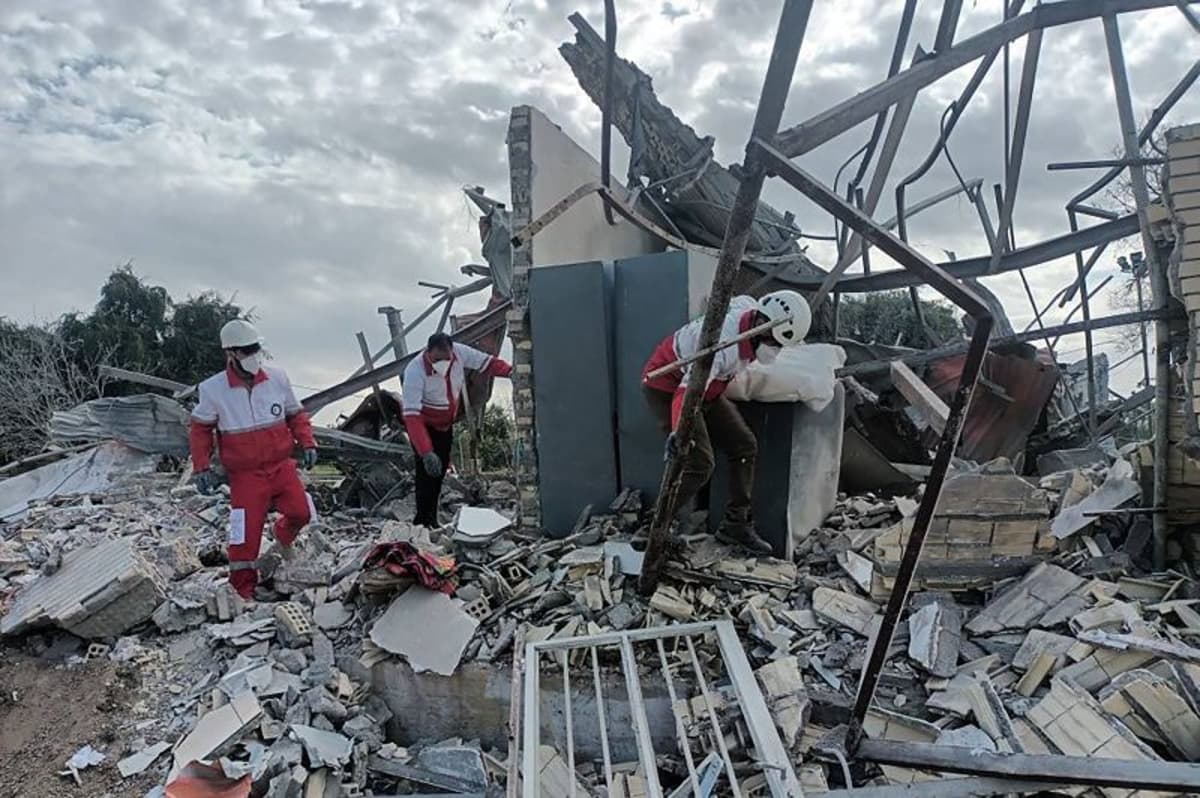
The Iran War and Latin America: What To Make of It
The Iran war is expected to deepen political rifts across Latin America as nations choose sides on the United States’ heightened involvement. Rising oil prices and broader geopolitical fallout will pressure regional economies already vulnerable to external shocks. An emboldened...

The Neuro-Tactical Debrief: Treating Cognitive Maintenance as a Logistics Function
The article argues that military leaders treat human cognition like any other piece of equipment, insisting on preventive maintenance for weapons but ignoring the brain’s stress‑induced wear. It explains how the amygdala‑driven fight‑or‑flight response leaves operators physiologically “red‑lined” long after...

China’s Expanding Global Intelligence Footprint In The Digital Age
China’s intelligence apparatus has evolved into a hybrid system that combines human sources, cyber intrusions, and satellite surveillance to gather strategic data worldwide. High‑profile campaigns such as Salt Typhoon, APT10, and Operation Cloud Hopper demonstrate its ability to infiltrate critical infrastructure...

Book Review | Modern Hybrid Warfare: Russia Versus the West
“Modern Hybrid Warfare: Russia Versus the West” offers a data‑driven critique of Russia’s hybrid campaign against Ukraine, arguing that cyber, information, and energy tools have not delivered decisive strategic gains. The authors, Ryan Maness and the late Brandon Valeriano, combine...

3/7/26 National Security and Korean News and Commentary
The United States is increasingly integrating artificial intelligence into its operational planning against Iran, accelerating strike timelines and reshaping military education. Simultaneously, overlapping U.S.–South Korea and allied drills in the Pacific underscore a heightened sense of urgency over regional threats,...
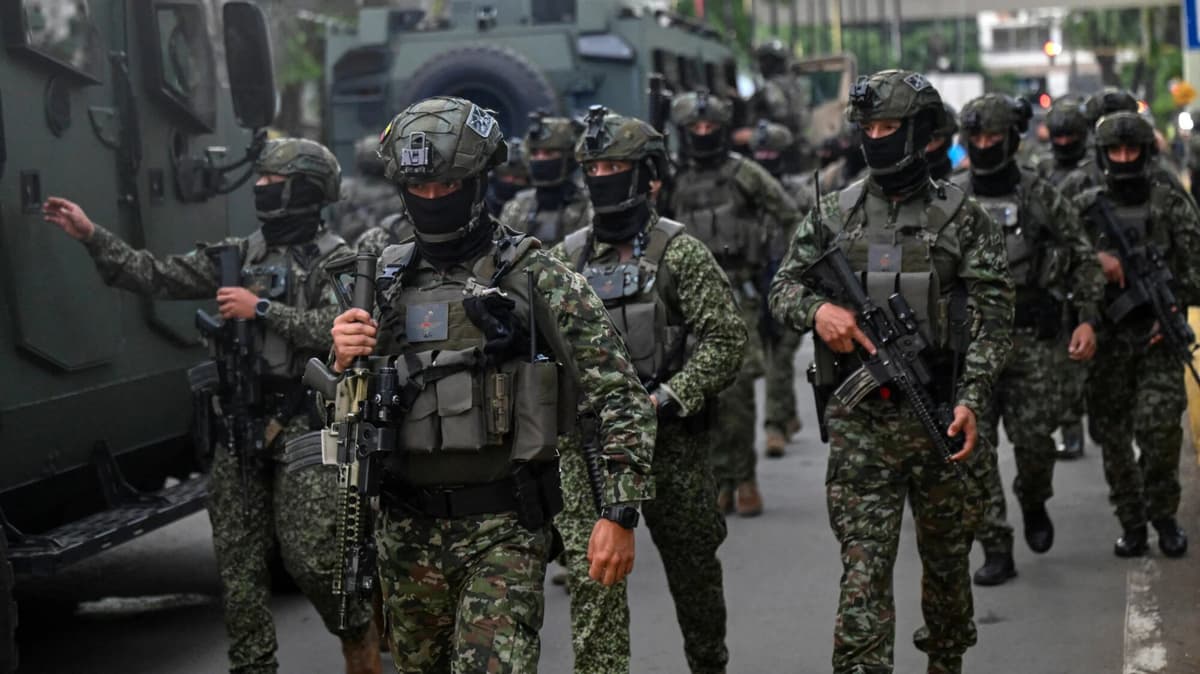
“Es Colombia, Es Ucrania, Y Es…”: The Global Export of Colombian Mercenaries
Colombia is emerging as a major exporter of military labor, with roughly 10,000 former soldiers entering the private‑security pool each year. These veterans are now fighting in conflict zones from Ukraine to Yemen and are also being hired by Mexican...

Could a Pacific War Be Lost in the Atlantic? Lessons From a USNI “Useful Fiction”
The U.S. Naval Institute’s "useful fiction" scenario imagines a future Pacific war with China that collapses because of coordinated attacks in the Atlantic. The article shows how Beijing could employ diplomatic, informational, military, and economic (DIME) tools to seize ports,...
JSOU’s SOF Professional Podcast | AI and the Future of Military Education
The Joint Special Operations University’s second SOF Professional Podcast episode features Dr. James Lacey arguing that professional military education must fully embrace artificial intelligence now, not later. He describes how AI‑enabled tools are already reshaping research, writing, and critical thinking...

When Crisis Becomes Culture: Boromir, Wicked Problems, and the Reward of Force
The article argues that conflating crises with wicked problems leads institutions to default to command and force. It outlines a three‑tier typology—tame, crisis, wicked—and shows how misclassifying a wicked problem as a crisis narrows decision‑making. Using Tolkien’s Boromir and the...
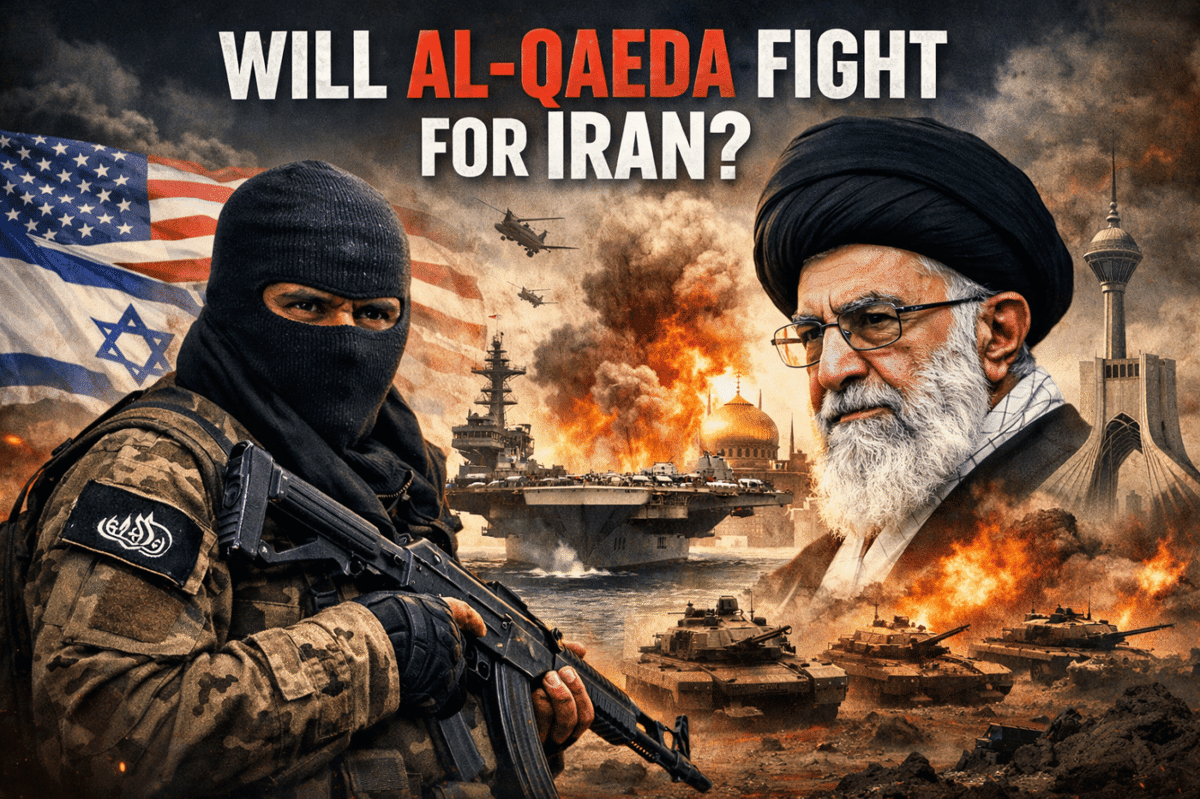
Will Al-Qaeda Actually Fight for Iran?
Al-Qaeda has long used Iran as a sanctuary, and its central command recently issued a jihad declaration targeting U.S. and Israeli forces in the Middle East. The group now claims it will attack U.S. aircraft carriers and other regional assets,...
Winning Influence in the Cognitive Domain
Dr. Joseph Long argues that modern conflict has migrated from kinetic battles to the cognitive domain, where perception and narrative shape political outcomes. Influence operations—spanning strategic communication, cyber messaging, and economic statecraft—now sit at the core of hybrid warfare designs....
Sheinbaum’s Dilemma: Mexico’s Security Choices After FTO Designation
The United States designated six Mexican drug cartels as Foreign Terrorist Organizations, prompting President‑elect Claudia Sheinbaum to reassess Mexico’s security strategy. The authors model three possible responses—total subordination to U.S. efforts, covert subordination while preserving public sovereignty, and strategic resistance...

Target Intelligence: PSYOP with Shawn Ryan Ep. 1 & Ep. 2
Target Intelligence: PSYOP with Shawn Ryan is a ten‑episode audio docuseries that pulls back the curtain on modern psychological operations. Episode 1 features Facebook whistleblower Frances Haugen and details Russian troll farms, the Internet Research Agency, and algorithm‑driven disinformation. Episode 2 shifts focus...

Of Microchips and Mud: Repelling Drones in the Donbas
Ukrainian forces on the Donbas front line are confronting a relentless wave of Russian attack drones that patrol the open terrain. Soldiers rely on handheld drone detectors and small‑arms fire to knock out the buzzing threats, while command posts fuse...

ISIS-K and AI: Chatbots, Propaganda, Recruitment
ISIS’s Afghanistan affiliate, ISIS‑K, has begun publishing a guide that encourages recruits to use artificial‑intelligence tools and chatbots for research, propaganda and recruitment. The advice appears in the group’s English‑language magazine *Voice of Khorasan*, framing AI use as a “responsible”...
Глаза Видят, Руки Делают “The Eyes See, the Hands Do”: Africa Corps Does Neither
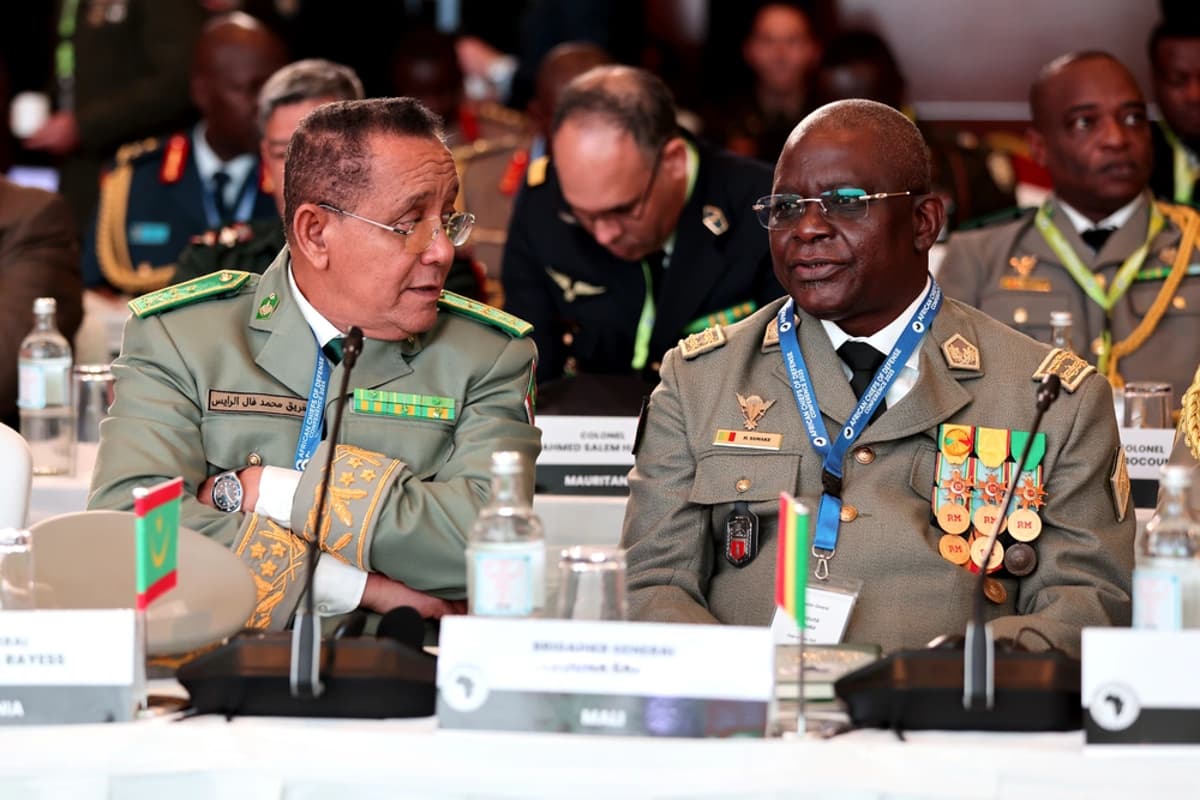
Russia’s Africa Corps in Mali has failed to counter JNIM’s insurgency, highlighting the perils of over‑reliance on technical intelligence (TECHINT) without robust human intelligence (HUMINT). The JNIM fuel blockade of Bamako and simultaneous attacks revealed that Africa Corps’ coercive, sensor‑driven...
Why the USSOCOM Should Establish a Western Balkans’ Denial and Resilience Program
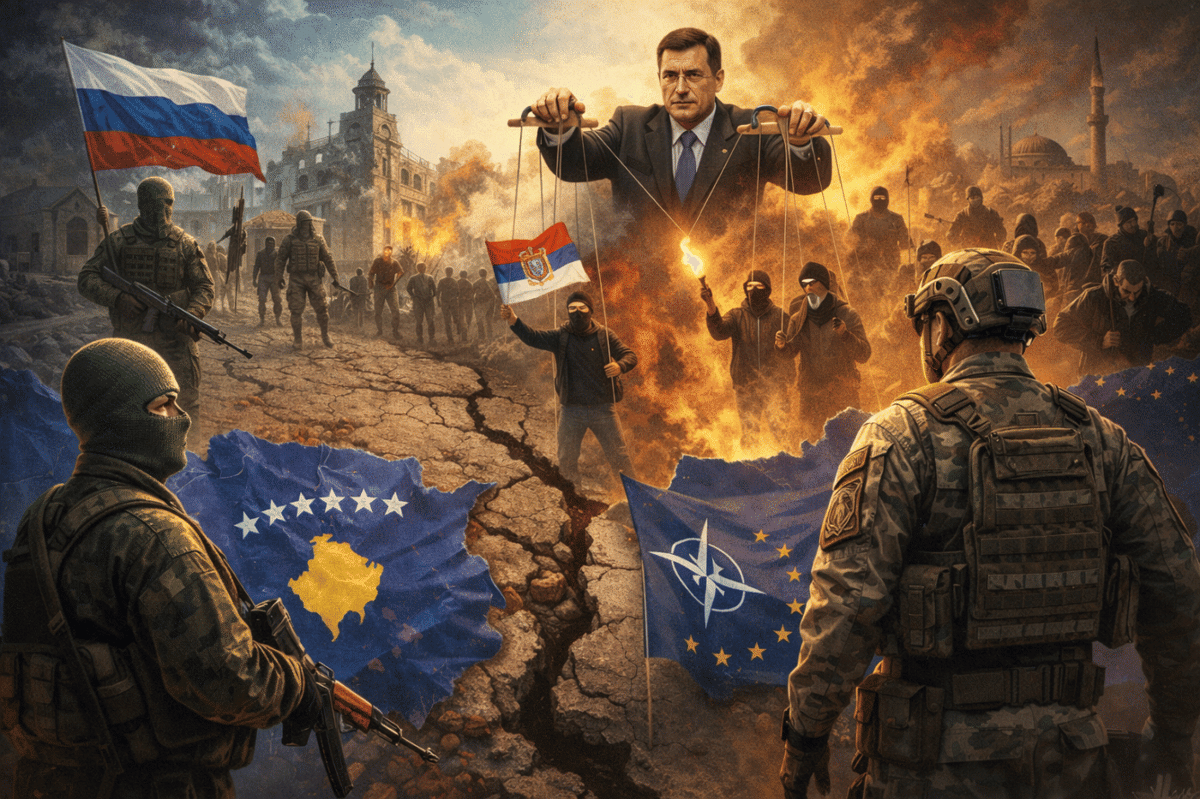
Russia is intensifying gray‑zone campaigns in the Western Balkans, using propaganda, cyber attacks, and support for nationalist proxies to undermine Euro‑Atlantic integration. Existing Western responses remain largely reactive, addressing crises only after they materialize. The article proposes a Balkan Denial...

Fading Into the Background: From Risk Awareness to Technological Intuition
The Joint Special Operations University report warns that sensor‑rich battlefields are turning every movement into a data point, exposing Special Operations Forces to automated inference, overhead drones, subsurface vibration detectors, and ambient device networks. Gielas argues that merely knowing these...

Wars of the Greater Middle East, 1945–92 | TNSR
Dr. Carter Malkasian’s Winter 2026 TNSR article argues that the Cold War fundamentally reshaped warfare in the greater Middle East, eroding state monopolies on violence and empowering non‑state actors. Post‑colonial regimes built conventional armies modeled on European powers, but social...

Nordic Lessons for Romania’s Information Defense: Adapting Psychological and Societal Resilience Models for Hybrid Warfare
Romania’s Constitutional Court annulled its 2024 presidential election after intelligence uncovered a massive Russian hybrid campaign that included 34 coordinated attacks, 85,000 cyber intrusions and a TikTok‑driven disinformation surge that lifted a fringe far‑right candidate to a first‑round win. The...
The $75 Radio: Why US Special Operations Command Needs to Buy Off the Shelf for the Next War
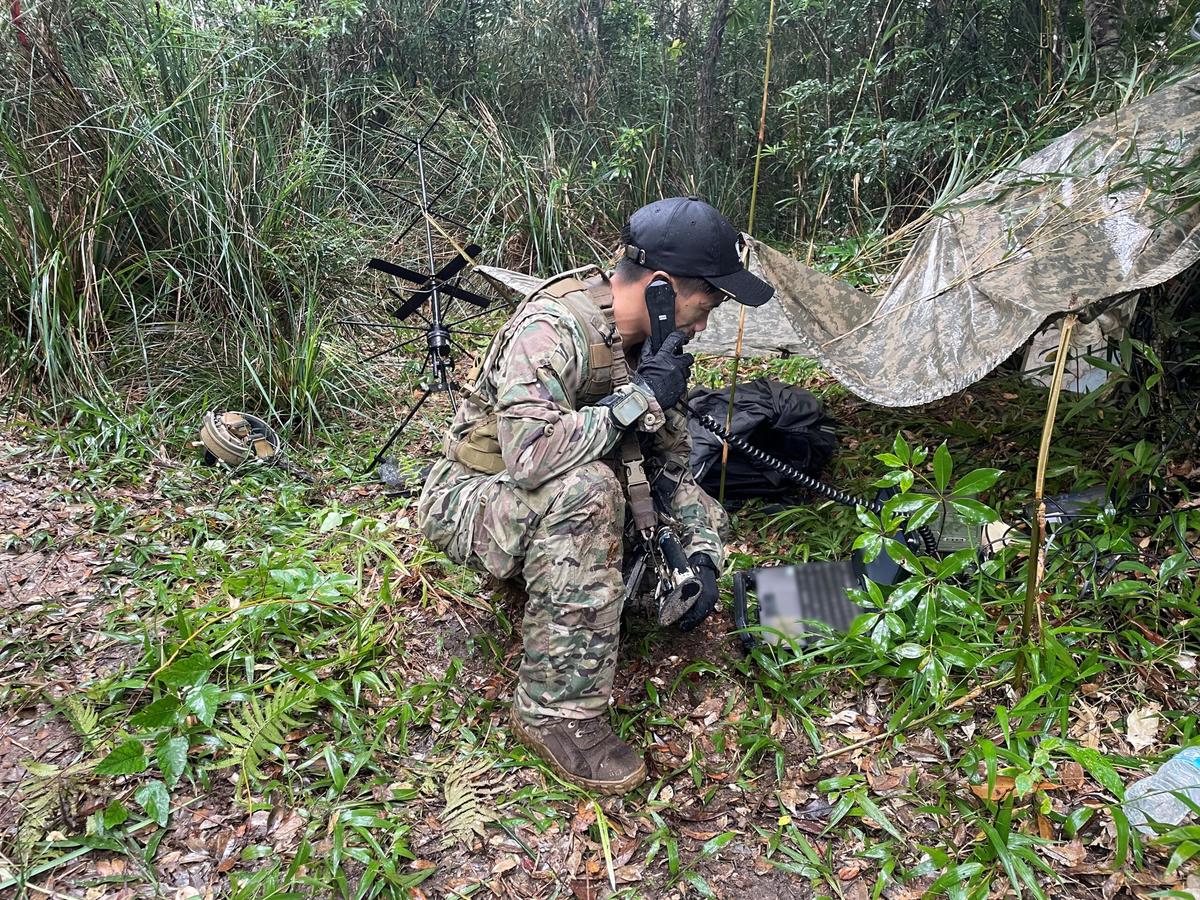
U.S. Special Operations Command is urged to supplement its high‑signature, expensive military radios with disposable, low‑power commercial‑off‑the‑shelf (COTS) solutions such as LoRa. By operating in the unlicensed sub‑gigahertz ISM band and using chirp spread spectrum, these radios can hide below...

The Regional Reverberations of the U.S. and Israeli Strikes on Iran | CSIS
CSIS analyst Mona Yacoubian warns that recent joint U.S.-Israeli strikes on Iran have triggered immediate Iranian missile and drone attacks across the Gulf, shutting airspace and threatening oil flows through the Strait of Hormuz. Iran’s retaliation targeted civilian infrastructure in...

Beyond Metrics: Integrating Command Culture with Operational Readiness
The Navy is emphasizing command culture as a force multiplier for expeditionary logistics, linking initiatives such as Culture of Excellence 2.0 and Get Real, Get Better to operational readiness. Leaders are urged to foster psychological safety, decentralized decision‑making, and learning‑focused...

WEBINAR (3/10/26): American Peacebuilding at a Crossroads
The University of Notre Dame’s Keough School of Global Affairs and Kroc Institute for International Peace Studies, in partnership with the Alliance for Peacebuilding, are hosting a full‑day virtual webinar on March 10, 2026 titled “American Peacebuilding at a Crossroads.”...
2/28/26 National Security and Korean News and Commentary
The Small Wars Journal roundup highlights a surge in U.S.-Iran tensions, citing a CIA assessment that hard‑line IRGC elements could replace Ayatollah Khamenei if he is killed, and President Trump’s reaffirmed red line leading to a massive strike plan. Israeli...

Pakistan–Afghanistan Escalation Signals Shift From Proxy Conflict to Open Hostilities
Tensions between Pakistan and Afghanistan erupted into open hostilities after Pakistani forces conducted airstrikes on key Taliban‑run military installations in Kabul, Kandahar and Paktia. The strikes, announced by Defence Minister Khawaja Muhammad Asif, were framed as a response to a...

Paradigm Change in the 2025 National Security Strategy
The 2025 National Security Strategy (NSS) reorients U.S. competition with China from a primarily military focus to an economic‑centric paradigm, emphasizing political warfare, gray‑zone activities, and supply‑chain resilience. It calls for leveraging alliances, reindustrialization, and civilian tools such as the...
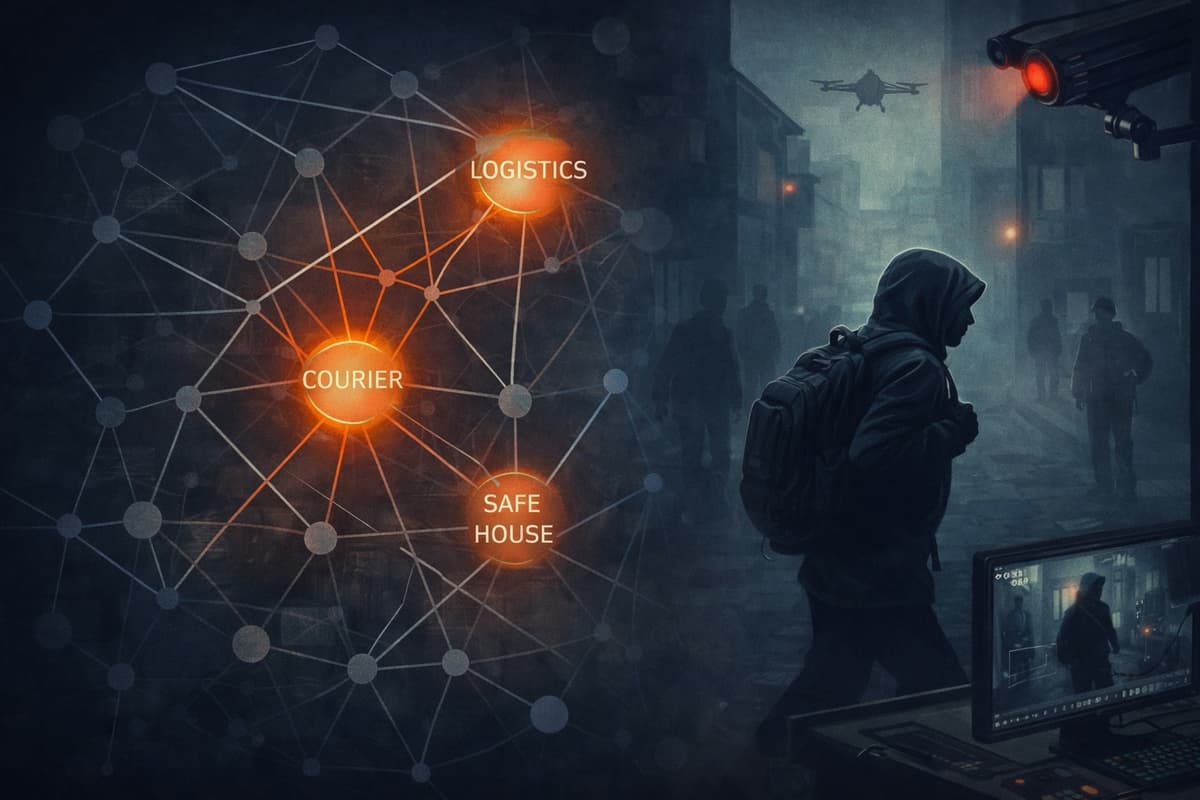
The Connector Problem in Resistance Networks: Why Decentralization Fails in Practice
The article argues that decentralized resistance networks collapse not because combat cells are penetrated, but because connector roles—couriers, logistics, safe‑house managers, communications technicians, and external liaisons—create high‑centrality nodes that become single points of failure. Modern counter‑network tactics such as F3EAD...
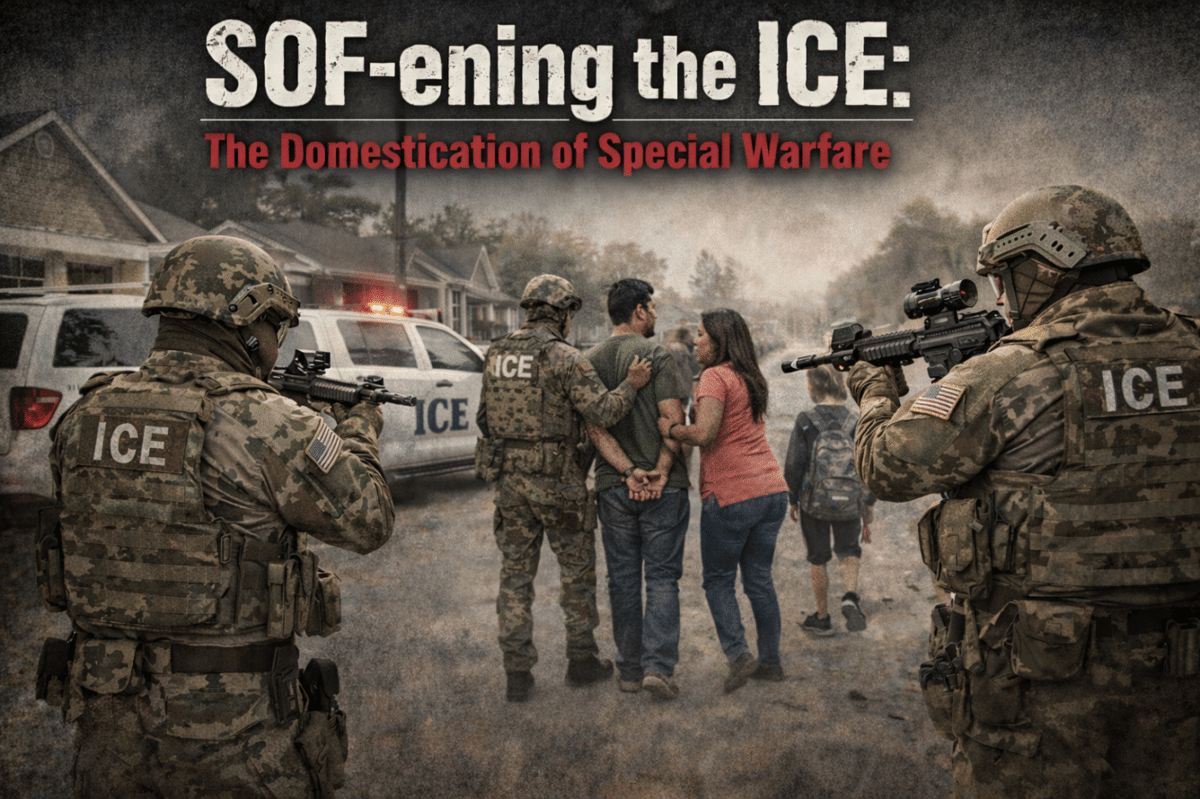
SOF-Ening the ICE: The Domestication of Special Warfare
Federal immigration agents have begun adopting Special Operations Forces aesthetics and tactics, a shift highlighted by two fatal shootings in Minnesota in early 2026. Data shows only about 5‑6% of ICE arrests involve violent offenders, yet the agency has expanded...
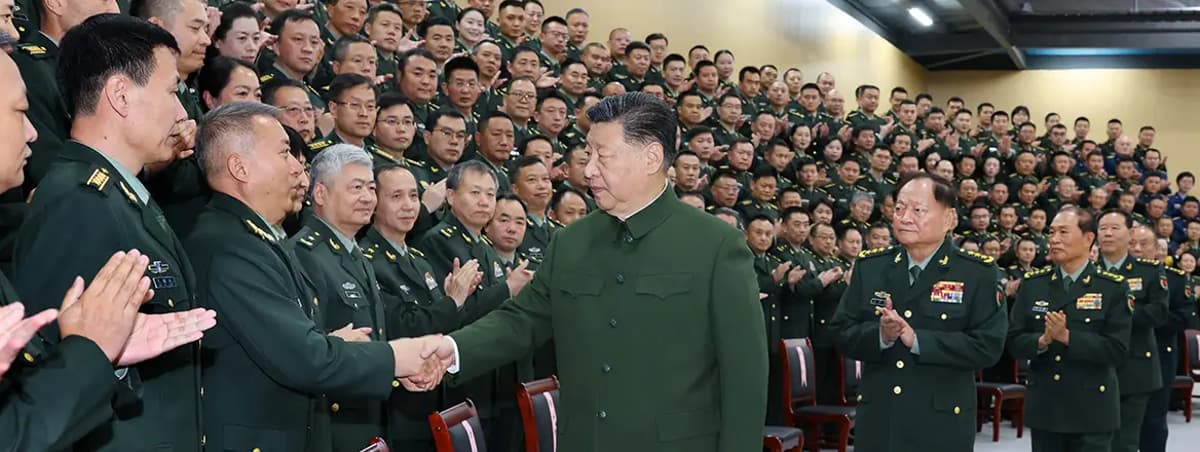
The Purges Within China’s Military Are Even Deeper Than You Think | CSIS Report
The Center for Strategic and International Studies reports that President Xi Jinping has launched a second, far more extensive wave of purges within the People’s Liberation Army, removing 36 generals and lieutenant generals and bringing the total number of senior...

Closing the Tactical Connectivity Gap
U.S. defense leaders face a persistent tactical edge communications vulnerability as near‑peer adversaries enhance electronic warfare. Elsight’s Halo platform offers a multi‑bearer, beyond‑line‑of‑sight solution that maintains low‑signature, resilient connectivity for unmanned systems and edge sensors. The system has logged more...

Going on the Offensive: Rethinking US SOF’s Mission Set for the Age of Strategic Competition
The article argues that the United States must restructure its Special Operations Forces (SOF) to confront adversaries’ gray‑zone tactics. It proposes dropping counterinsurgency and foreign humanitarian assistance from SOF’s core activities and adding Persistent Gray Zone Operations (PGZO). PGZO would...

WEBINAR (3/4/26): When Nuclear Danger Becomes Background Noise: A Conversation with W.J. (“Bill”) Hennigan and Amy J. Nelson
New America’s Future Security Scenarios Lab released a report titled “Threat Complacency and Nuclear Risk,” examining how repeated nuclear warnings have dulled urgency among policymakers and the public. The lab will host a virtual conversation on March 4, 2026, featuring lab director...
Resilience and Resistance: Interdisciplinary Lessons in Competition, Deterrence, and Irregular Warfare
The Joint Special Operations University released "Resilience and Resistance," the first comprehensive canon guiding SOF, interagency, and conventional forces on irregular warfare, competition, and deterrence. The volume blends military science, political science, sociology, and history, offering case studies from Cuba...

Lessons From an Intelligence Officer on Ukraine’s Frontline
The essay by Austin Gray in Proceedings draws on his experience with Ukrainian intelligence near Bakhmut, highlighting four lessons for modern warfare. He argues that countertargeting, a survivable‑or‑attritable platform paradigm, organic information‑warfare capabilities, and resilient leadership are essential for naval...
Dr. Nathan Jones of SWJ El Centro on El Mencho
Dr. Nathan Jones, associate professor at Sam Houston State University and senior fellow at SWJ El Centro, has been featured in major media outlets discussing the fallout from the reported death of Jalisco New Generation Cartel leader Nemesio Oseguera Cervantes,...
Call for Papers: Special Issue on Sources and Archives for Intelligence History in Cold War Europe | Intelligence and National...
Intelligence and National Security announces a special issue dedicated to sources and archives for Cold War European intelligence history. Editors Matteo Giurco and Christopher Moran seek papers that examine institutional archives, open‑source material, memoirs, and the gaps left by classified...

The National Security Case for Judicial Review | Lawfare
Lawfare’s new article argues that judicial review of executive national‑security claims enhances democratic legitimacy and strengthens defense outcomes. The authors contend courts can competently assess sensitive security matters without compromising classified information, preventing abuse and improving decision‑making. They link judicial...
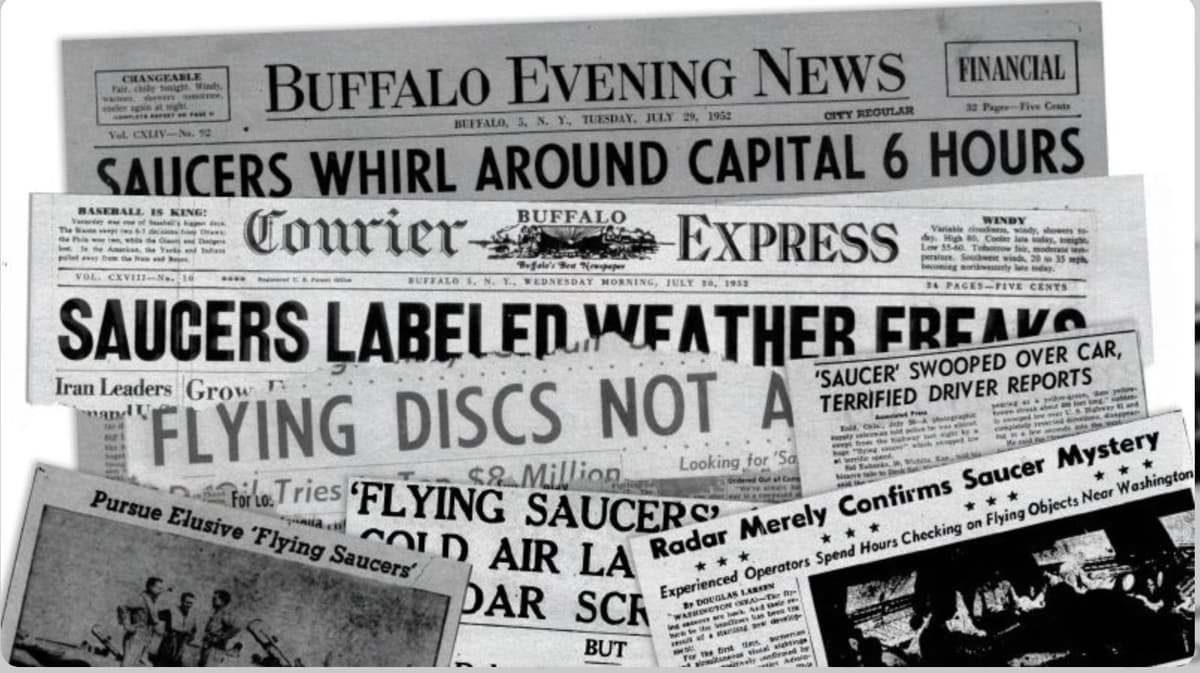
Creating Conspiracy Theories: What Information Warriors Need to Know
The essay argues that conspiracy theories function as cognitive environments that can be weaponized in modern conflict, influencing threat perception, trust, and identity before overt actions occur. It presents the Existential Threat Model, detailing five structural elements—pattern, agency attribution, meaningful...

The Resilience Series – The West’s Greatest Vulnerability: Amphibious Critical and Defensive Infrastructure (ACADI)
The essay warns that Western reliance on the Internet is underpinned by Amphibious Critical and Defensive Infrastructure (ACADI)—the global network of undersea and landing‑station fiber‑optic cables. Roughly 900,000 miles of cable move $22.4 trillion of data daily, and a 24‑hour outage...

Call for Papers (Due 3/27/26): Call for Special Operations Papers | Joint Special Operations University
The Joint Special Operations University (JSOU) has reopened its Call for Special Operations Papers, targeting concise, high‑impact research that bridges education and operational practice. Submissions must focus on one of ten technology‑centric topics, ranging from AI‑driven targeting to space‑cyber‑STRATCOM integration,...

AI and PCVE: A Practitioner’s Guide From the United Nations
The United Nations Office of Counter‑Terrorism released a 2026 Practice Guide on artificial intelligence for Preventing and Countering Violent Extremism (PCVE). It warns that extremist groups are exploiting AI to produce multilingual propaganda, deepfakes, and synthetic media, while only about...
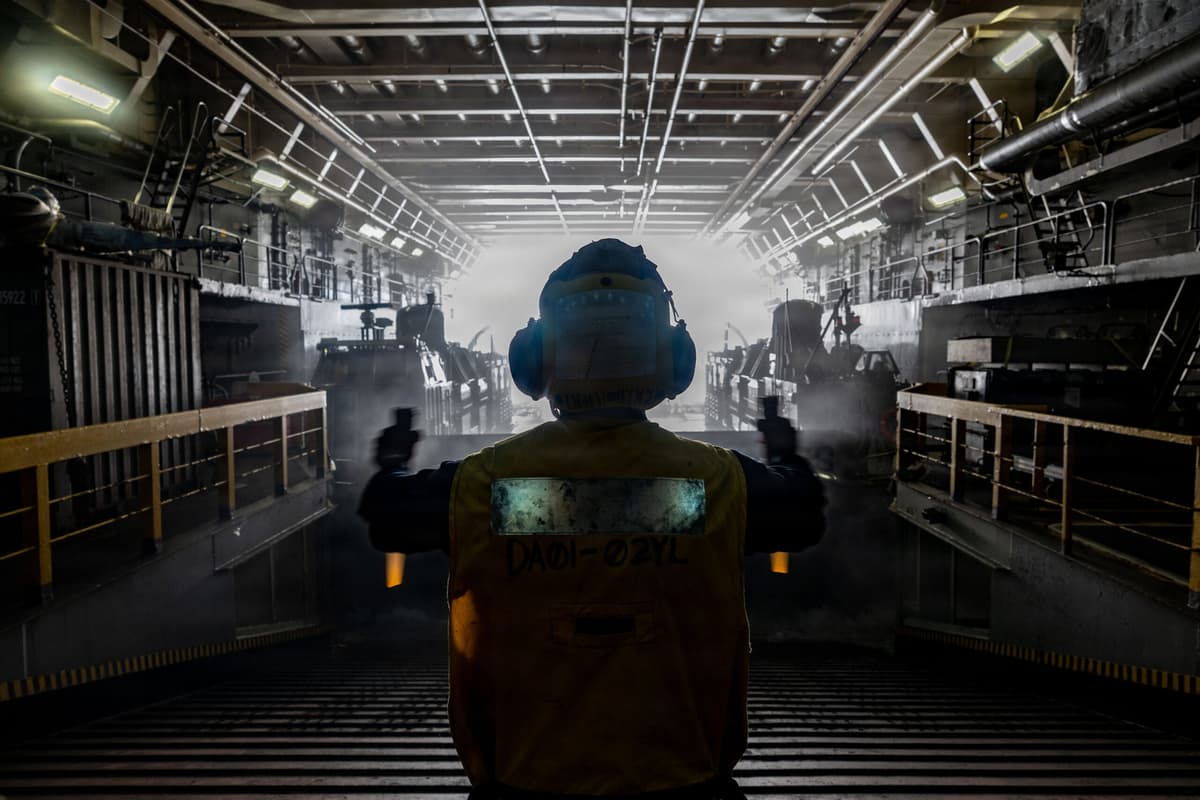
Operationalizing Hemispheric Defense: What the 2026 National Defense Strategy Means for Latin America
The United States unveiled its 2026 National Defense Strategy, placing the Western Hemisphere at the forefront of homeland defense and branding the approach as a “Trump Corollary” to the Monroe Doctrine. The strategy calls for merging U.S. Southern Command and...

Harnessing the People: Mapping Overseas United Front Work in Democratic States
Cheryl Yu’s report maps more than 2,000 organizations in the United States, Canada, the United Kingdom and Germany that are linked to the Chinese Communist Party’s United Front Work Department. The dataset classifies 2,294 groups into eight functional types, with...
2/21/26 National Security and Korean News and Commentary
David Maxwell’s latest commentary offers a sweeping roundup of current national security and Korean Peninsula developments. Highlights include the U.S. deploying MQ‑9 drones to track China’s Pacific maneuvers, a looming Trump decision on Iran that could define his legacy, and...
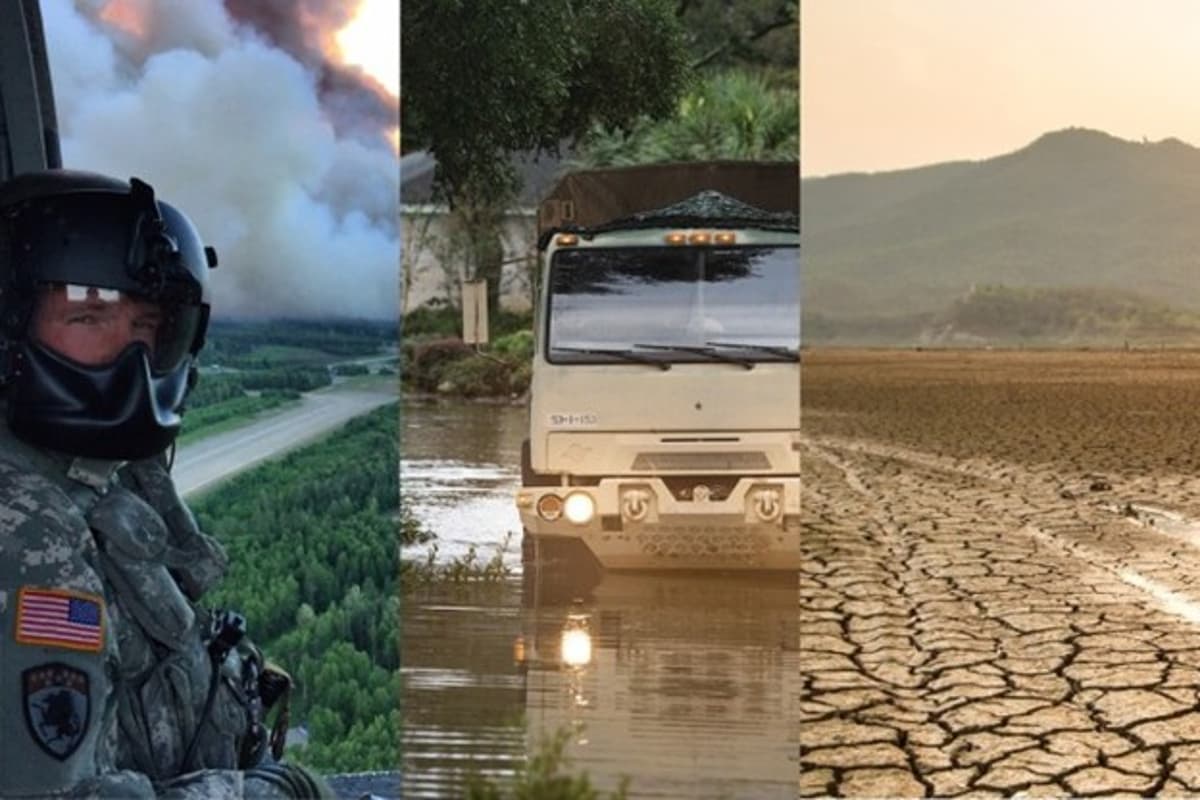
From Readiness to Resilience: Two Decades of Extreme Weather Impacts on US Military Infrastructure
Over the past two decades extreme weather events have surged in frequency and intensity, directly threatening U.S. military installations across coastal, inland, and western regions. Hurricanes such as Katrina, Sandy, and Michael have inflicted multibillion‑dollar damage, while wildfires, floods, and...