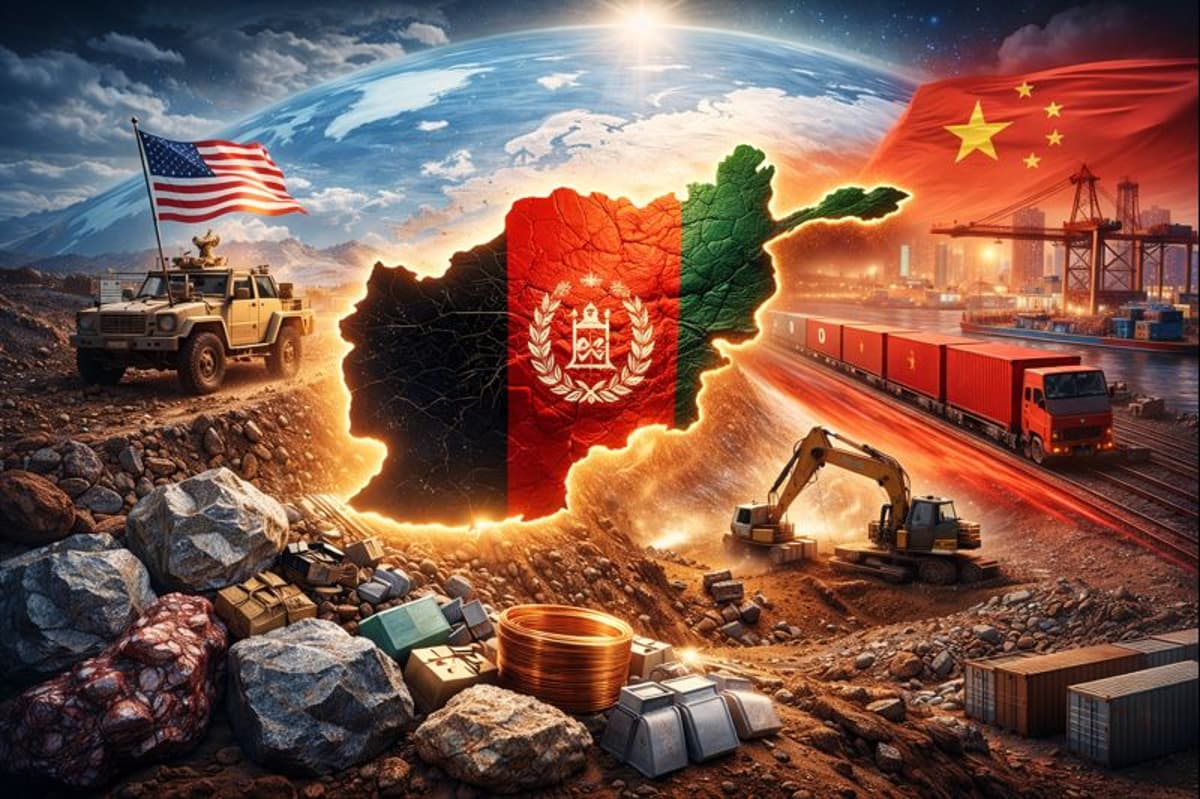
China, Afghanistan, and Critical Minerals: Options for U.S. Strategic Competition Below the Threshold of War
Afghanistan has re‑emerged as a venue for great‑power competition below the threshold of war, with China pursuing cautious economic engagement focused on mineral extraction and limited infrastructure projects. U.S. analysis shows Chinese contracts have underperformed and remain exploratory, leaving a gap in the strategic supply chain for defense‑critical minerals such as copper, lithium, and rare earths. The United States can counter by shifting competition from upstream ore extraction to downstream processing, certification and allied financing, thereby capturing higher value and reducing reliance on Chinese‑dominated refining. A coordinated interagency effort and multilateral investment could reshape incentives and limit Beijing’s foothold in the region.
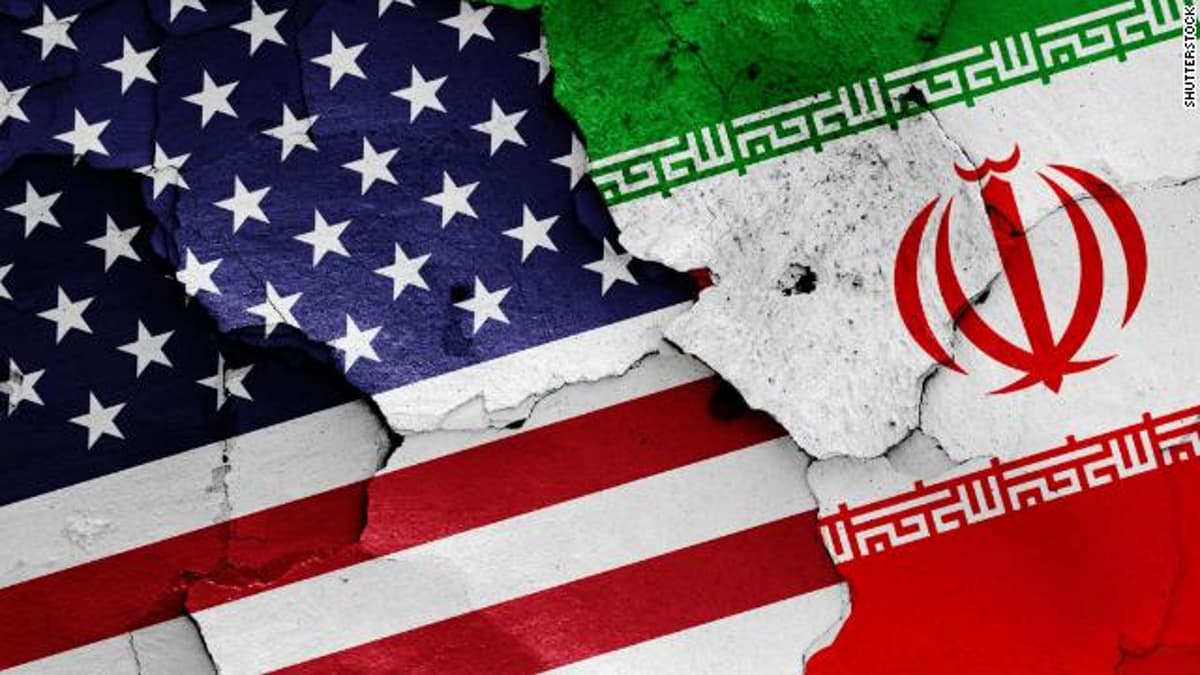
CSIS Panel Discussion | United States and Iran on the Brink: What’s at Stake?
The Center for Strategic and International Studies hosted a panel examining the escalating crisis between the United States and Iran after Tehran’s harsh suppression of recent protests. President Trump responded by dispatching an aircraft carrier strike group to the Persian...
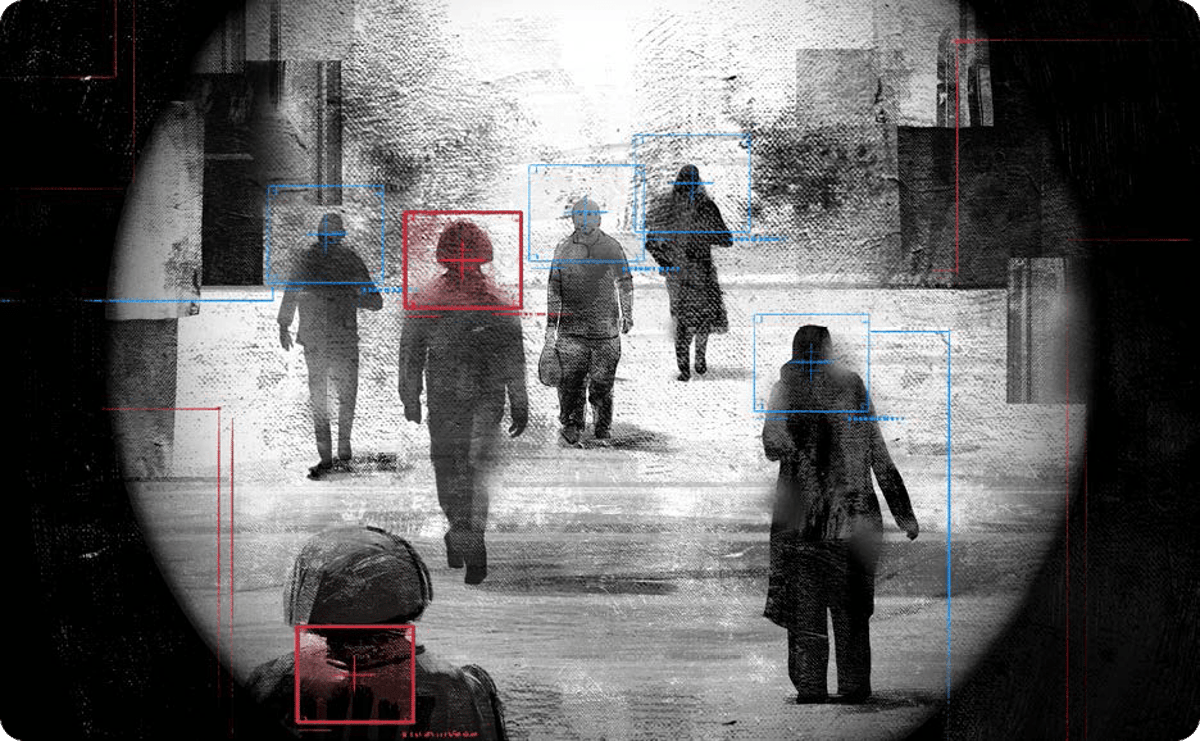
The Principle of Distinction in the Autonomous Age | Texas National Security Review
The Texas National Security Review podcast features Nathan Wood discussing how the principle of distinction must evolve for autonomous warfare. Wood argues that debate should shift from abstract concerns to the legal and operational specifics of existing systems, ensuring human...

Where Power Begins: The Strategic Return of the Homeland
The 2026 National Defense Strategy re‑elevates homeland defense from a background condition to a contested, central mission. It argues that securing the interior—through legitimacy, endurance, and protection of economic lifelines—is essential for sustaining power projection abroad. The article draws on...

AI Racing Drone Beats Human Controlled FPV Racing Drones on Aerial Racetrack: An Overlooked ‘AlphaGo Moment’ with Future War Implications
In April 2025, an autonomous racing drone equipped with a neural‑network AI outperformed three human FPV champions at the A2RL Drone Championship in Abu Dhabi. The AI‑controlled craft completed the complex aerial course faster than the pilots, marking the first...
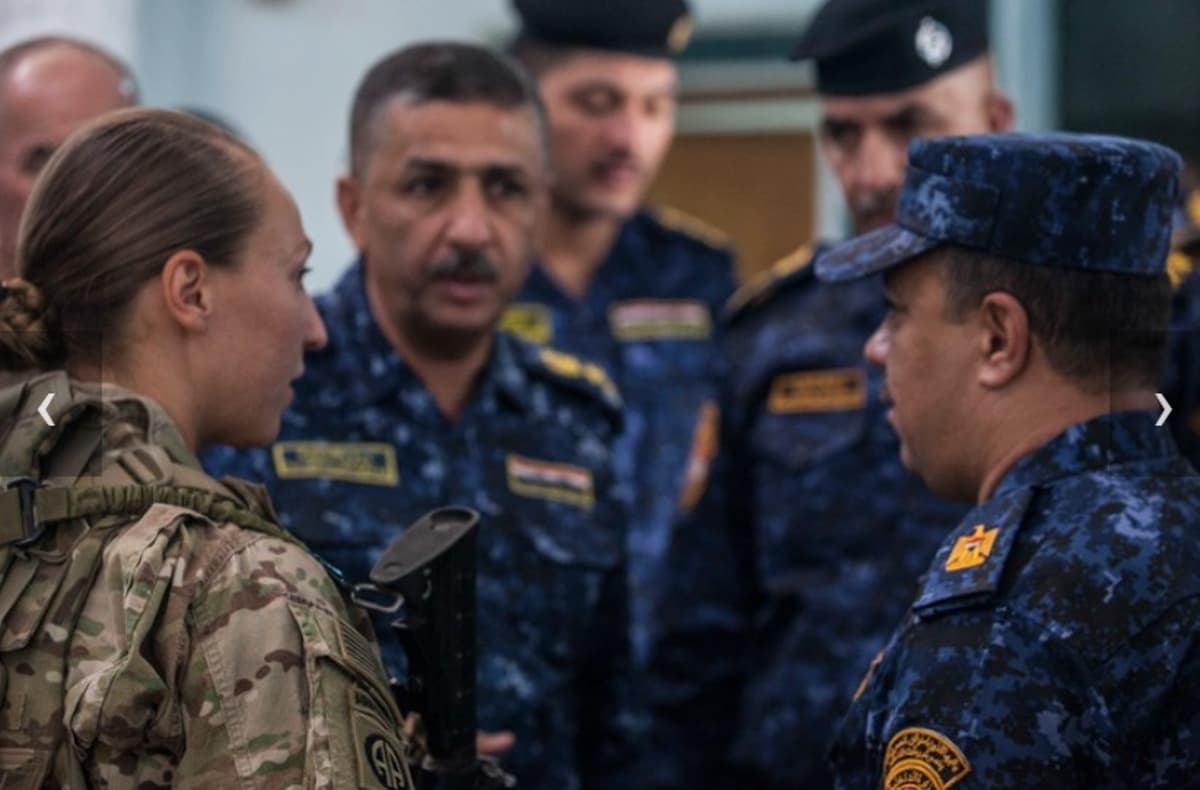
Mapping the Human Terrain: The Enduring Role of Human Intelligence in the U.S. Army
The article argues that U.S. Army human intelligence (HUMINT) collectors remain essential despite a post‑GWOT shift toward interrogation‑only roles. It highlights how the Army has fragmented and down‑scaled its HUMINT training pipeline, risking a loss of scalable, mid‑level “human sensors”...
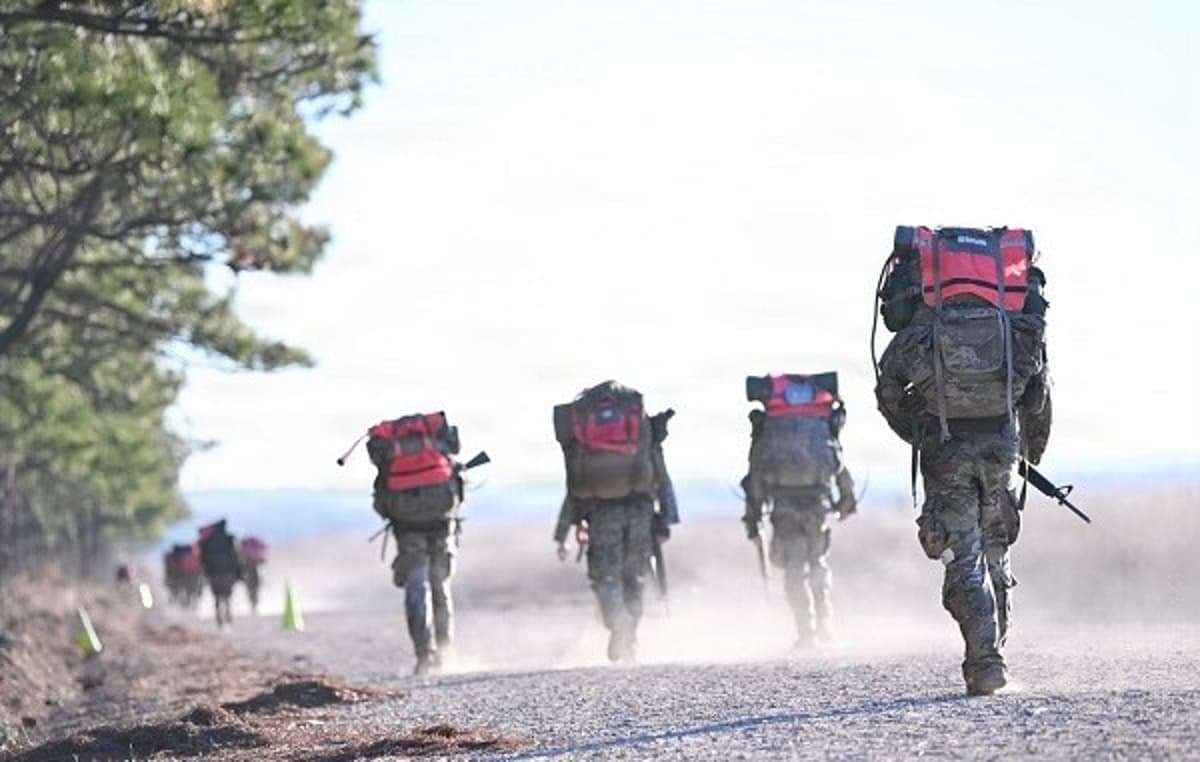
Special Operations News – Feb 17, 2026
The February 17, 2026 Special Operations News roundup highlights a photo of candidates completing a ruck march during the U.S. Army John F. Kennedy Special Warfare Center and School’s Special Forces Assessment and Selection (SFAS) at Camp Mackall. The three‑week...

Attributing Russian Information Influence Operations: Testing the Information Influence Attribution Framework with Real-World Case Studies
The NATO Strategic Communications Centre of Excellence released a report that tests the Information Influence Attribution Framework (IIAF) against real‑world Russian information influence operations aimed at Ukraine, neighboring states, and European pro‑Kremlin groups. Using data from the Ukrainian Centre for...
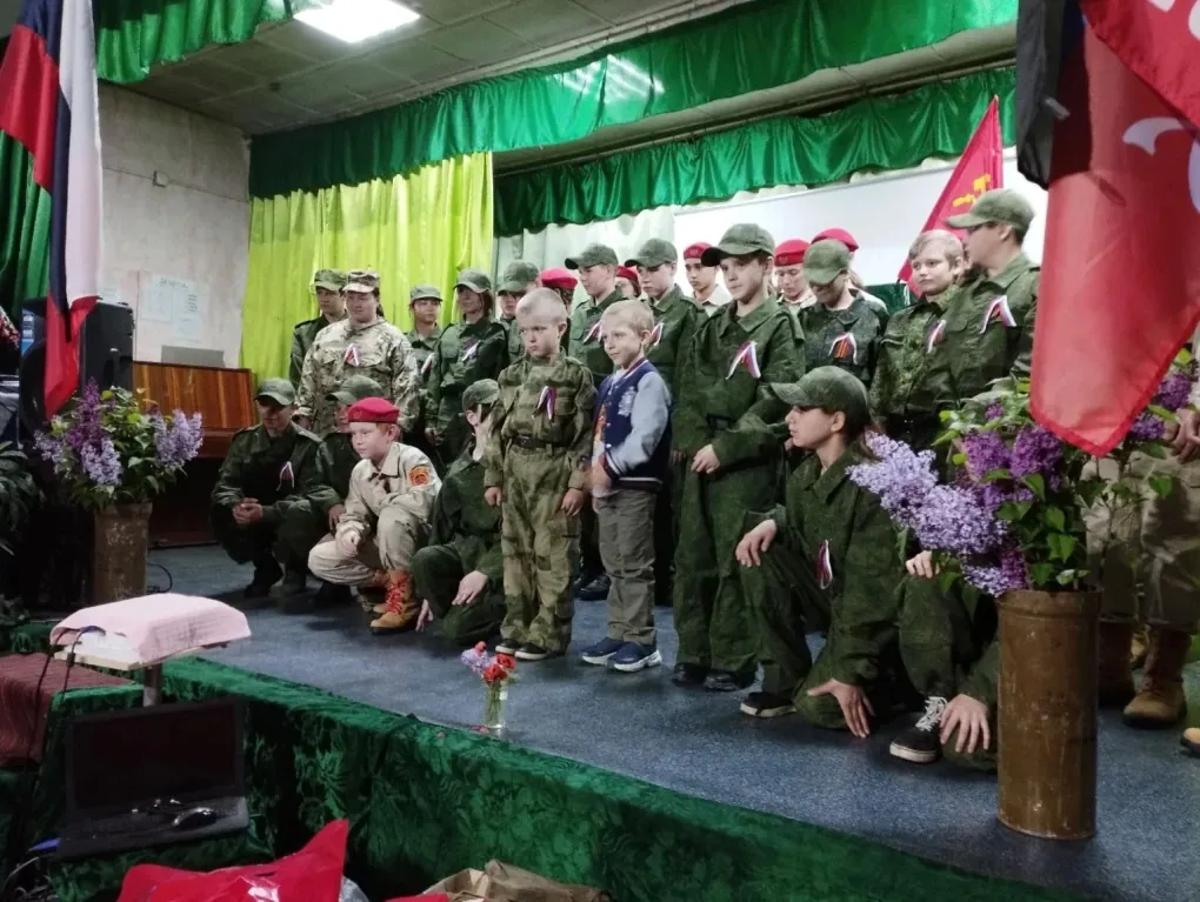
The Institutional Battlefield: Why Irregular Warfare Must Contemplate Path Dependence
Ian Murphy’s Spring 2026 commentary argues that irregular‑warfare analysis overlooks institutions, treating them as a secondary concern. Using Russia’s occupation of the Donbas, the piece shows how governance tools—passportization, education reform, and economic extraction—function as bureaucratic weapons that reshape identities and...

AI-Intelligentized Naval Mines and U.S. Subsea Access in the Paracel Islands
China’s People’s Liberation Army Navy is modeling AI‑intelligentized seabed mines that could hide in the Paracel Islands’ acoustic shadow zones, creating a persistent anti‑access/area‑denial (A2/AD) field. The concept builds on an estimated 50,000‑100,000 existing Chinese naval mines, adding adaptive target...
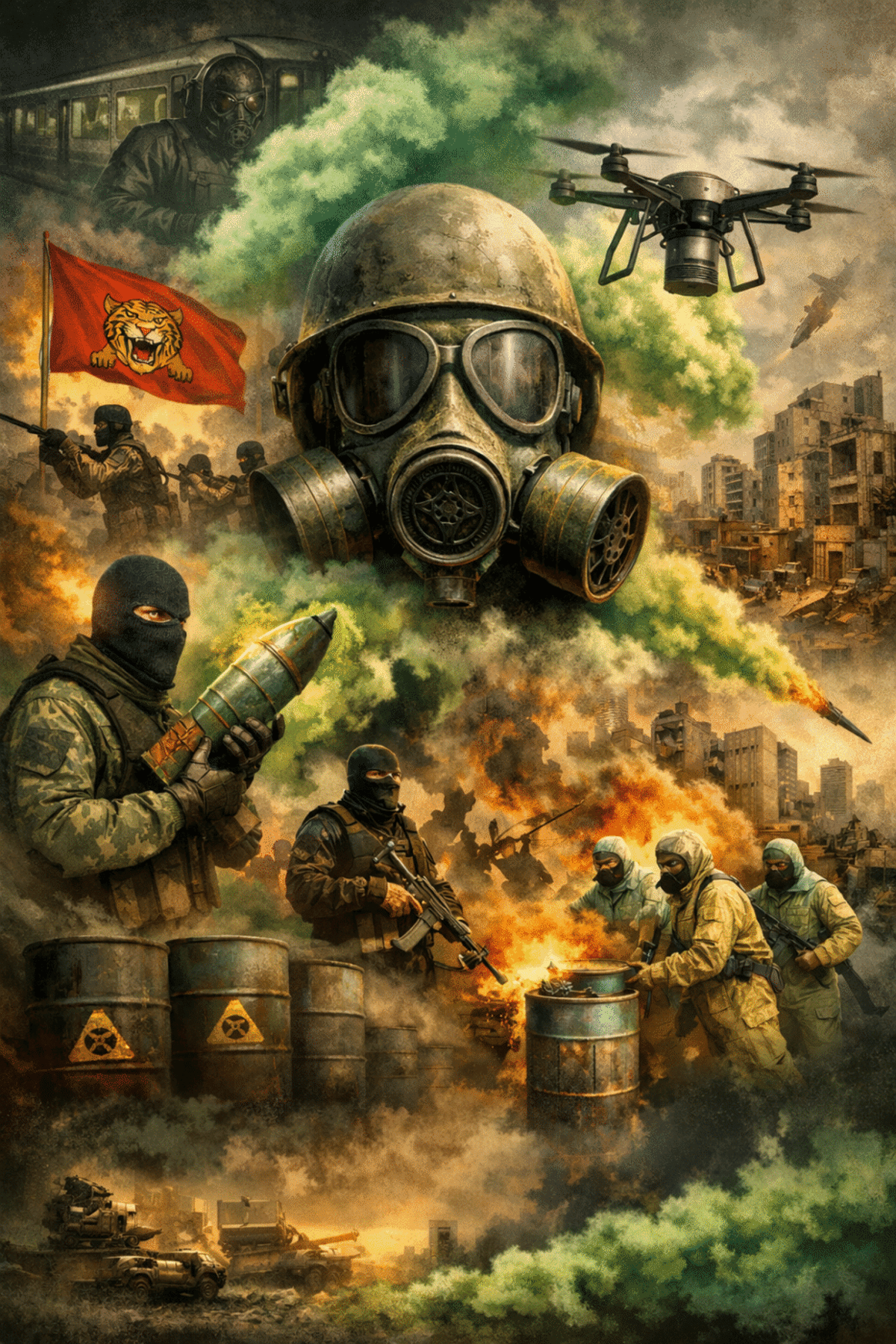
Chemical Weapons by Violent Non-State Actors in Combat
The paper reviews chemical weapon use by violent non‑state actors, highlighting the Tamil Tigers’ 1990 chlorine attack and Islamic State’s 76 documented chlorine and mustard strikes between 2014‑2017. It notes the relative ease of acquiring industrial chemicals and the primitive...

WEBINAR (2/24/26): The Revolutionists: The Story of the Extremists Who Hijacked the 1970s
Veteran journalist Jason Burke will discuss his new book, *The Revolutionists*, in a New America webinar on Feb. 24, 2026. The book chronicles the surge of international terrorism in the 1970s, from plane hijackings to hostage crises, and traces the ideological...

Transnational Organized Crime in Mexico: Continuity, Change, and Uncertainty Under the Sheinbaum Administration (Part I)
The Sheinbaum administration inherits a record‑high homicide baseline of over 190,000 deaths, reflecting entrenched violence from the López Obrador era. While the Sinaloa Cartel and CJNG remain the dominant criminal coalitions, organized crime has diversified into extortion, fuel theft, kidnapping, and...
Mapping Weaponized Drone Attacks Attributed to Mexican Drug Cartels
The NCITE research center documented 221 weaponized drone incidents in Mexico between 2021 and 2025, with 27 attacks killing 77 people. The Jalisco New Generation Cartel (CJNG) accounted for the largest share, linked to 42 attacks, while La Nueva Familia...

Cognitive Warfare Fails the Cognitive Test
The article critiques the emerging label “cognitive warfare,” arguing it is merely a re‑branding of traditional political warfare. It traces the concept’s roots to Cold‑War era strategies and highlights a persistent “Maginot mentality” that over‑emphasizes military solutions while sidelining diplomatic,...

Driving PME Transformation for the Total Force: CGSS’s Modernization of the ADL Common Core
The U.S. Army Command and General Staff College has overhauled its Asynchronous Distance Learning Common Core, slashing the program from 36 months to 12 months and introducing a three‑phase, scaffolded curriculum. The redesign adds multimodal instruction, cohort advisors, and a...

Beyond Swarming: Documenting Harassment, Assault, and ICAD by Chinese Maritime Militia
A new study documents 270 harassment, assault and ICAD incidents by China’s People’s Armed Forces Maritime Militia (PAFMM) in the South China Sea between 2012 and 2025. The research shows that nearly half of these events occurred alongside Chinese Coast...

DOJ Press Conference on Charges Announced Against Chinese Nationals Involved in Sham Marriages
The Department of Justice announced an indictment of eleven individuals accused of operating a marriage‑fraud and bribery ring that targeted U.S. service members, primarily at Jacksonville Naval Air Station. The scheme paired Chinese nationals with servicemen to secure permanent residency,...
2/13/26 National Security and Korean News and Commentary
The Small Wars Journal roundup highlights a surge of geopolitical flashpoints, from the United States covertly shipping thousands of Starlink terminals into Iran and deploying its largest warship to the Middle East, to Germany’s preparation for offensive cyber operations and...
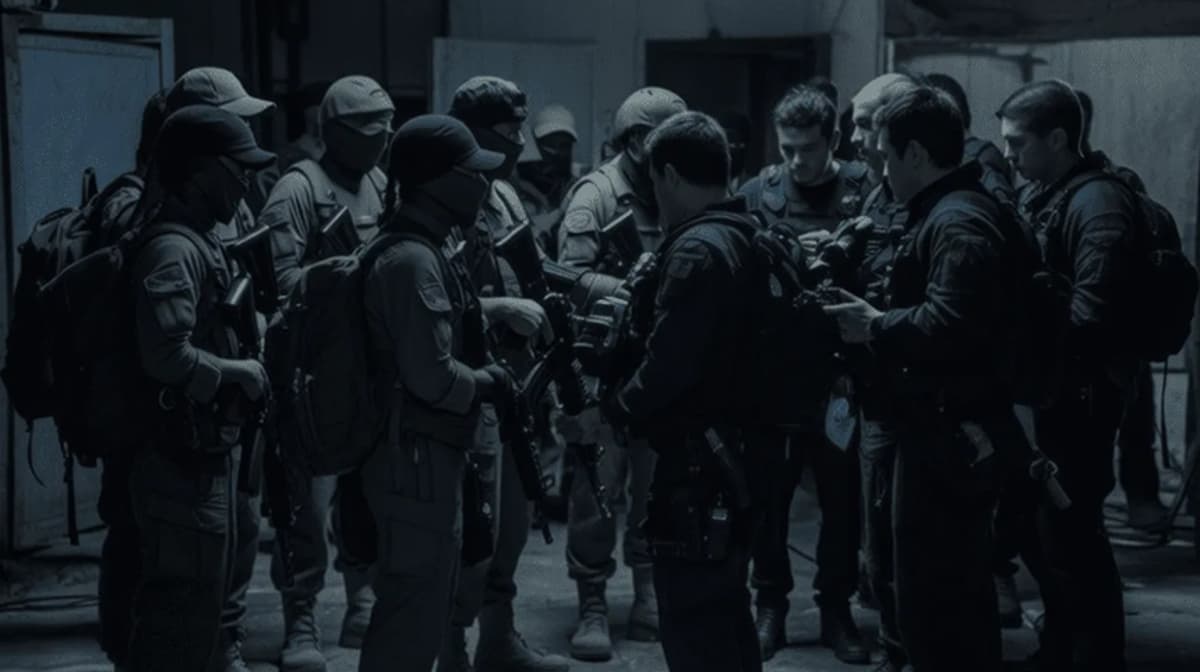
The Role of Foreign Fighters in a Taiwan Resistance Scenario
The article examines how Taiwan could incorporate foreign volunteers into a resistance movement if the island were occupied by the PLA, drawing lessons from Ukraine’s International Legion. It outlines recruitment channels, clandestine infiltration methods, and integration challenges such as language...
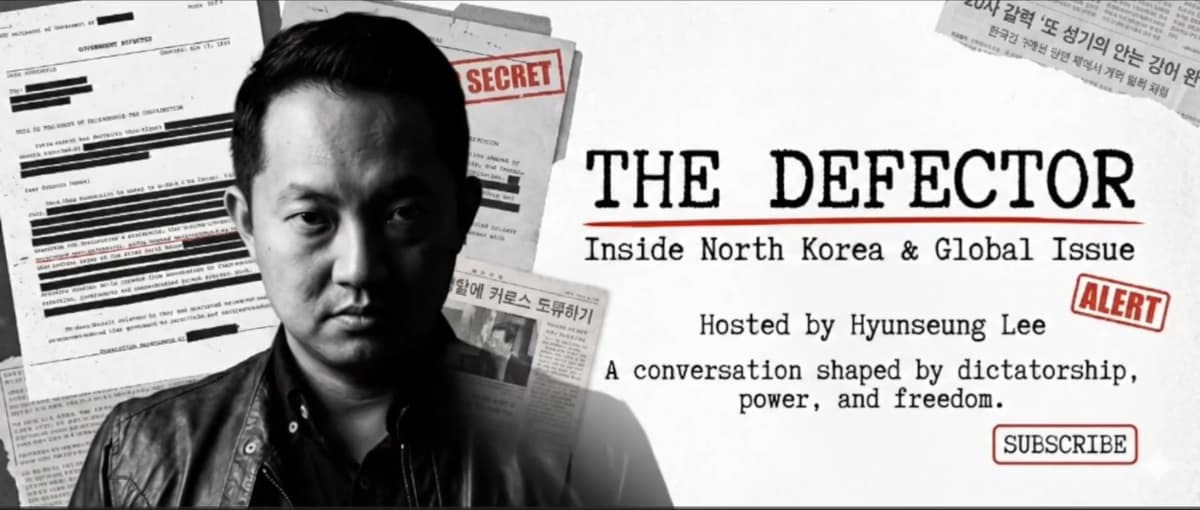
Navigating the Complexities of North Korean Strategy: Insights From David Maxwell
Security analyst David Maxwell discussed North Korea’s hybrid strategy, combining conventional forces with social‑warfare tactics, in a recent podcast. He examined the Pentagon’s new report, highlighting its impact on South Korea’s defense posture and the broader alliance framework. Maxwell warned...

Cognitive Warfare to Dominate and Redefine Adversary Realities: Implications for U.S. Special Operations Forces
Cognitive warfare expands conflict into the human mind, targeting perception, judgment, and belief formation. The paper argues the United States is unprepared for adversaries leveraging AI‑driven disinformation, deepfakes, and social‑media algorithms. It highlights China and Iran’s use of cognitive contagions...
Maduro’s Capture and International Law: The Noriega Precedent
U.S. forces captured Venezuelan President Nicolás Maduro, prompting comparisons to the 1989 U.S. operation that removed Panamanian leader Manuel Noriega. Scheffer’s brief outlines Justice Department memoranda that justify extraterritorial arrests under a self‑defense rationale against narcotics trafficking. The analysis highlights...

CNAS Podcast | Carney’s Challenge: Can Europe Take the Reins of NATO?
Canadian Prime Minister Mark Carney, speaking at Davos, warned that the international system is experiencing a rupture rather than a gradual transition, urging middle powers to reduce reliance on the United States. He called for diversified partnerships and collective action...

Invitation (2/19/26): Turning OSINT Chaos Into Strategic Clarity | Irregular Warfare Initiative
On February 19, the Irregular Warfare Initiative and CACI DarkBlue will host a half‑day convening in Reston, Virginia titled “Turning OSINT Chaos into Strategic Clarity: Countering Malign Chinese Influence.” The event gathers senior irregular‑warfare practitioners from government, intelligence, and the...