SpaceDaily
Daily aggregated space news feed spanning space science, exploration updates, and commercial space industry press releases.

Psychology Says People Who Keep Handwritten Letters in a Box at the Back of a Closet Aren’t Sentimental, They’re Holding...
Psychologists argue that boxes of handwritten letters are not merely sentimental relics but concrete evidence that someone once devoted significant time and attention to the recipient. While digital communication has absorbed the functional role of letters, it fails to provide the same effort‑based proof, leaving a psychological gap in the attention economy. The scarcity of such proof makes letter keepers cling to these artifacts, even if they rarely revisit them. The article highlights how the low cost of modern messaging devalues emotional signals, creating a subtle sense of loneliness.

Manila’s Unfinished Arsenal: How the Philippines’ Modernization Dream Ran Aground
The Philippines' 15‑year Armed Forces modernization program has delivered hulls but left many weapons systems unfinished, exemplified by the Jose Rizal‑class frigates that entered service in 2020‑21 without combat management systems or missiles. Delays and a costly procurement scandal—a 16‑billion‑peso...

Psychology Says the People Who Keep Saying They’re Fine when They Clearly Aren’t Aren’t Lying, They Learned Somewhere Along the...
People who answer “I’m fine” when they aren’t are not deliberately lying; they are conserving the limited emotional energy required for full disclosure. Research shows that suppressing authentic feelings taxes attention, working memory, and physiological recovery, making a brief “fine”...

Psychology Says People Who Are Warm on the Surface but Have No Close Friends Aren’t Lonely because They’re Disliked —...
Psychologists explain that people who appear warm and low‑maintenance often feel lonely because they never allow others to be needed by them. The interpersonal process model of intimacy shows that true closeness emerges from reciprocal self‑disclosure and responsiveness, not from...

Psychology Suggests People Who Still Write Things Down on Paper Instead of Their Phone Aren’t Being Old-Fashioned — They’ve Quietly...
People who continue to write notes on paper aren’t simply nostalgic; they deliberately choose a tool that outperforms digital alternatives for them. Research shows handwritten notes boost conceptual understanding and trigger broader brain connectivity compared with typing. This habit reflects...

The Pentagon Wants to Kill a Missile-Warning Program Congress Already Saved
The Pentagon’s FY2027 budget request proposes terminating the Next‑Gen OPIR Polar missile‑warning satellite program even though Northrop Grumman has already delivered a flight‑ready sensor. The effort was originally designed to place two polar‑orbiting sensors over the Arctic, but the Space...

Psychology Says People Who Maintain a Strong Memory Deep Into Retirement Share a Single Trait that Has Nothing to Do...
Recent neuroscience reviews reveal that genuine curiosity, not diet or brain‑training apps, is the single trait that helps retirees preserve sharp memory. Studies by Michiko Sakaki and Alan Castel show curiosity activates dopamine and norepinephrine pathways, sustaining the brain’s memory...
Psychology Says People Who Keep Their Cars Immaculately Clean Inside Aren’t Just Tidy, They Grew up in Households Where Chaos...
A new psychological analysis links immaculate car interiors to childhood environments marked by unpredictable chaos. The "control hypothesis" argues that adults who grew up in erratic households use the car as a private, controllable sanctuary, reinforcing a sense of safety....

Psychology Says the People Who Forget Names Almost Immediately After Meeting Someone Aren’t Rude, Scattered, or Bad with People, They’re...
Psychologists explain that forgetting a new acquaintance’s name isn’t a social flaw but a result of the brain allocating limited working‑memory resources to reading non‑verbal cues, mood, and hierarchy during introductions. Studies on thin‑slicing and the Baker/baker paradox show the...
The Most Overlooked Source of Adult Anxiety Isn’t Stress — It’s the Constant Low-Grade Exhaustion of Monitoring How You’re Perceived...
The article highlights self‑monitoring—a habit of constantly gauging how we appear—as a hidden source of adult anxiety and fatigue. High self‑monitors replay conversations, script interactions, and shift their behavior for each audience, draining cognitive resources. This hyper‑vigilant social scanning leads...

Psychology Says the 60s Is the Decade in Which Most Women Have the Rare Opportunity to Become Genuinely Classy —...
The article argues that women in their sixties experience a rare window of freedom as long‑standing external structures—career, motherhood, partnership, and beauty standards—simultaneously loosen. Retirement, adult children, and the fading of physical appearance pressures create space for an internal self...

Psychology Says People Who Always Keep Their Phone on Silent Aren’t Antisocial — They’ve Quietly Decided that Their Own Mental...
Keeping a smartphone on silent is increasingly framed as a personal boundary rather than antisocial behavior. Behavioral research shows that constant notifications raise anxiety and cost roughly 23 minutes to regain focus after each interruption. Professionals who adopt silent mode...

Psychology Says People Who Keep Old Voicemails From People Who Have Died Aren’t Grieving Wrong, They’re Keeping a Small Door...
Psychologists argue that preserving voicemails of deceased loved ones is not a sign of unhealthy grieving but a form of "continuing bonds," where the relationship is reshaped rather than severed. Studies show that occasional playback of mundane recordings—like a reminder...

Psychology Says the People Who Grew up Reading Books, the Kind Who Hid Under Blankets with a Torch, Who Read...
Psychology research shows that children who immerse themselves in fiction develop a richer inner life and stronger social‑emotional skills. Studies by Raymond Mar, Keith Oatley and colleagues link frequent fiction reading to higher empathy and theory‑of‑mind performance. Neuroscientists such as...

The Brutal Reality of Trying to Build a Home on Mars
Building a habitat on Mars faces lethal environmental challenges. The thin, CO₂‑rich atmosphere provides less than 1% of Earth’s pressure and extreme cold, while perchlorate‑laden dust is toxic and pervasive. Communication delays of up to 48 minutes and 0.38 g gravity...

The 90-Year-Old Who Became the Oldest Person in Space — and What He Said when He Came Back
In October 2021, 90‑year‑old William Shatner became the oldest person to travel to space aboard Blue Origin’s New Shepard sub‑orbital rocket. The ten‑minute flight left him visibly moved, and he later described the experience as a funeral rather than a...

Astronauts Call It the “Overview Effect” — but You Don’t Need to Leave Earth to Feel It
The "overview effect"—a cognitive shift astronauts feel when viewing Earth from orbit—was first identified by Frank White in 1987 after interviewing dozens of crew members. Neuroscience now shows that awe, the emotional core of the effect, can lower inflammation markers...

Psychology Says People Who Reread the Same Five Books Every Few Years Aren’t Stuck, They’re Checking Which Version of Themselves...
Psychologists argue that rereading a handful of favorite books isn’t a sign of stagnation but a self‑administered diagnostic. By returning to the same five titles every few years, readers use the fixed text as a control variable to measure how...
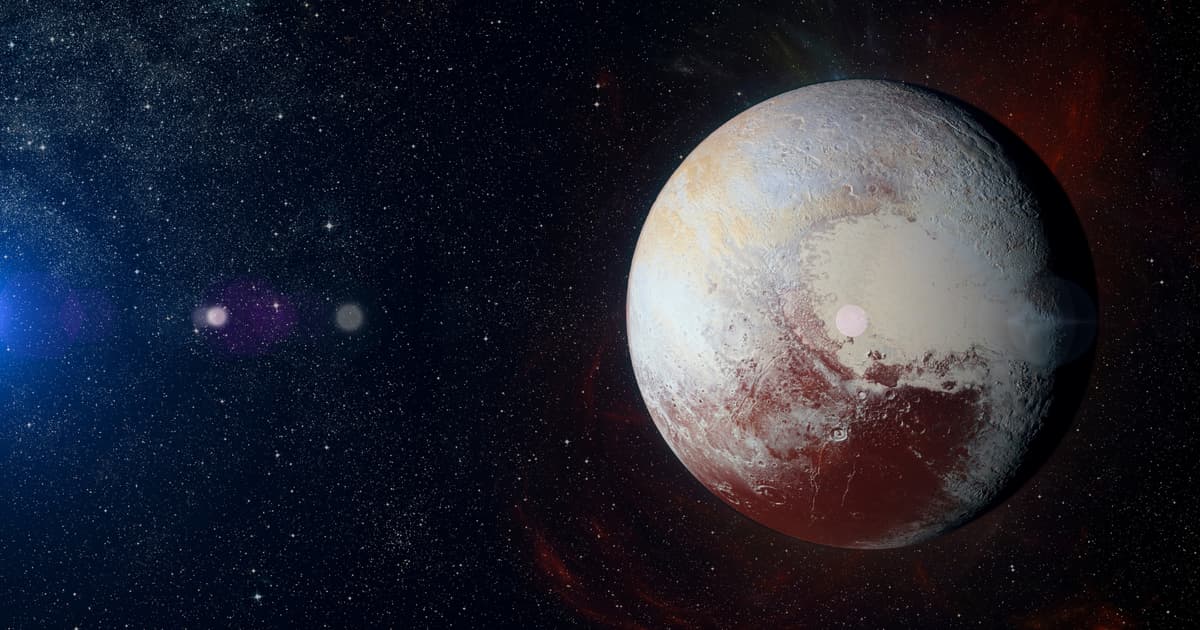
Pluto Has Glaciers, an Atmosphere, and Probably an Ocean. Why Isn’t It a Planet?
The article argues that Pluto should be reinstated as a planet, citing New Horizons data that revealed active glaciers, towering water‑ice mountains, a layered nitrogen atmosphere, and a likely subsurface ocean. It critiques the International Astronomical Union’s 2006 definition, which...
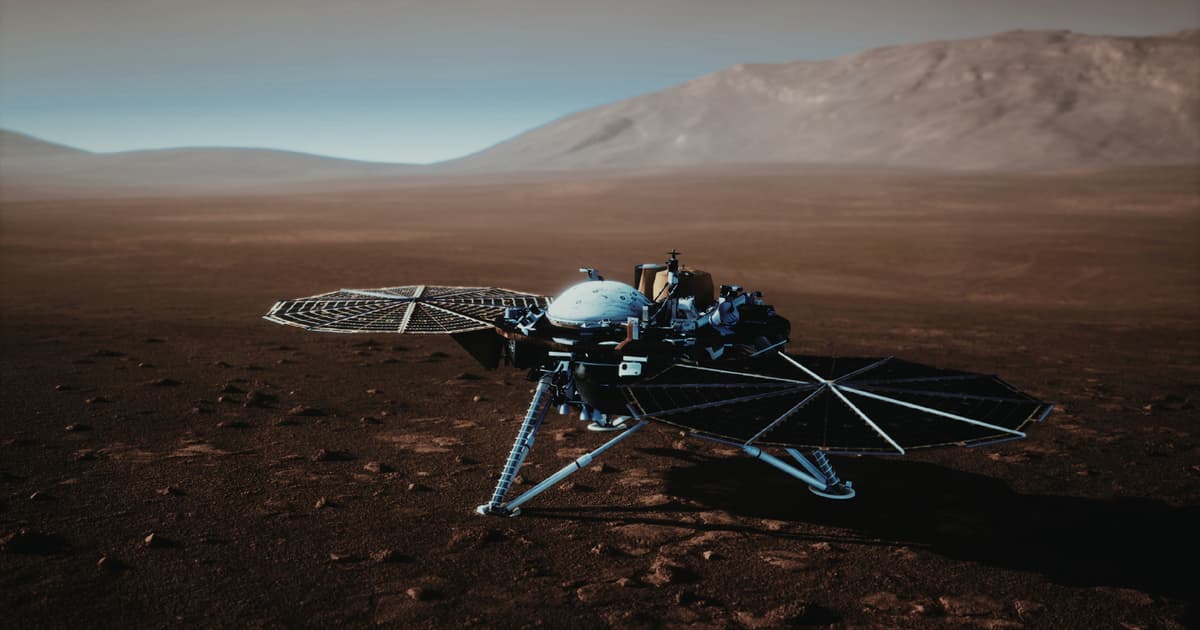
5 Places in Our Own Solar System Where Scientists Think Life Might Actually Exist
Scientists now focus on five solar‑system bodies where microbial life could exist, shifting the search for extraterrestrials from distant exoplanets to nearby moons and planets. Mars’ subsurface lakes, Europa’s ice‑covered ocean, Enceladus’ water plumes, Titan’s methane lakes and hidden ocean,...

Psychology Says the Single Biggest Predictor of Happiness Isn’t Income, Relationships, or Health – It’s the Ability to Be Present...
Harvard psychologists Matthew Killingsworth and Daniel Gilbert found that the single biggest predictor of moment‑to‑moment happiness is whether the mind is focused on the present, not income, relationships, or health. Using an iPhone app, they sampled 2,250 people over a...

People Who Use Therapy Language to Avoid Intimacy Aren’t Healing. They’ve Just Found a More Sophisticated Way to Keep Everyone...
The article argues that many people weaponize therapy‑derived language to keep emotional distance while appearing self‑aware. By naming triggers, attachment patterns, and capacity, they create a veneer of intimacy that actually serves as a sophisticated avoidance strategy. This linguistic armor...

Psychology Says the People Who Genuinely Get Better at Life Aren’t the Ones Running the Most Systems or Chasing the...
The article argues that genuine self‑improvement comes from stopping a single, costly habit rather than layering more systems or books. Research published in *Nature* shows people default to adding solutions—a bias called subtraction neglect—while ignoring the simpler option of removal....

Anger Is Often Grief that Didn’t Get Permission to Be Sad First
The article argues that anger is frequently a secondary response that masks grief or sadness that has been denied permission to surface. Neuroscience research shows that suppressing sadness reduces outward cues but leaves the brain’s emotional signal largely unchanged, allowing...
The Hardest Part of Healing Isn’t the Work. It’s Grieving the Version of Yourself Who Survived without It.
Astronauts returning from long‑duration missions often struggle not with physical readjustment but with grieving the hypervigilant “survival self” that kept them alive in space. Space psychologists note that this identity, built through extreme isolation and constant threat monitoring, persists after...

My Father Told Me at Seven that I Was Too Sensitive, and I’m 40 Now, Still Catching Myself Flattening My...
A single comment from the author’s father—"you’re too sensitive"—programmed a subconscious habit of flattening his voice that has persisted for 33 years. The habit, rooted in the nervous system’s threat‑response, makes him lower pitch, volume, and soften language before speaking,...

Adults Who Apologize Constantly Aren’t Polite – They Were Trained to Treat Their Own Presence as Something that Required Ongoing...
The piece argues that chronic over‑apologizing is a learned survival tactic, not simple politeness. It traces the behavior to childhood emotional neglect and the “fawn response,” where apologizing defused danger. Research links the habit to anxiety, diminished self‑worth, and reduced...

Confidence Isn’t the Absence of Doubt. It’s the Willingness to Act Before the Doubt Finishes Its Sentence.
The article reframes confidence as the willingness to act while doubt is still speaking, rather than waiting for certainty. It draws on decision‑science research that shows people set internal evidence thresholds, with low thresholds prompting quicker action and faster learning....

I Stopped Initiating — No Calls, No Texts, No Suggesting Plans — Just to See Who Would Notice. Three Months...
The author stopped reaching out to friends for three months to see who would notice, exposing a pattern of one‑sided relationships. The silence revealed that only a handful of contacts initiated contact on their own, while many long‑standing friends never...

Why some People Feel a Specific Kind of Sadness on Sunday Afternoons that Has Nothing to Do with Monday and...
Sunday afternoon sadness is a widely reported mood dip that occurs in the late‑afternoon, regardless of employment status or age. Researchers argue it stems from childhood weekend routines, when the day’s structure faded and emotional cues like dimming light and...

Ambition Is Quieter than People Think. It Rarely Looks Like Hunger. Most Days It Looks Like a Person Who Can’t...
The article argues that modern ambition is no longer the loud hustle image but a quiet, internalized drive that punishes any moment of rest with guilt. It links this hidden ambition to perfectionism, describing a “high‑functioning burnout” where people appear...

Psychology Says the Reason Older People Stop Caring Isn’t Apathy – Its Actually the Highest Form of Self Awareness
Stanford psychologist Laura Carstensen’s Socioemotional Selectivity Theory shows that as people perceive their time as limited, they shift from pursuing new achievements to prioritizing emotional meaning. Older adults deliberately narrow social circles, focusing on relationships that provide genuine warmth, which...

The People Who Struggle to Make Decisions Weren’t Born Indecisive. They Grew up in Houses Where the Wrong Choice Had...
The article argues that indecision is a learned response to overcontrolling or unpredictable parenting, not an innate personality trait. Research from Charles Sturt University shows childhood trauma rewires the brain for hyper‑vigilance, while a 2025 Frontiers in Education study links...

Children Who Were Called ‘Too Sensitive’ or ‘Too Serious’ Often Grow Into Adults Who Don’t Realize Their Constant Self-Monitoring Isn’t...
Children labeled “too sensitive” or “too serious” often internalize those judgments, turning constant self‑monitoring into a survival habit rather than a personality trait. Neuroplasticity research shows repeated adult criticism rewires the brain, creating an automatic vigilance system that operates below...

Psychology Says People Who Read Before Bed Every Night Have a Fundamentally Different Brain than People Who Watch Tv
New research shows that people who read a physical book each night develop measurably different brain patterns than those who watch television before sleep. Reading engages language, visual and associative networks, strengthening connectivity and neuroplasticity, while TV delivers pre‑packaged images...

The People Who Laugh the Loudest in Group Settings Are Often the Ones Who Go Home and Decompress for Three...
The piece reveals a hidden human dynamic in the commercial space sector: people who dominate social settings with loud laughter often suffer severe performance fatigue, needing up to three days of solitude to recover. This invisible emotional labor fuels networking,...
There’s a Particular Ache in Being the Person Who Notices Everything About Everyone and Wonders if Anyone Has Ever Actually...
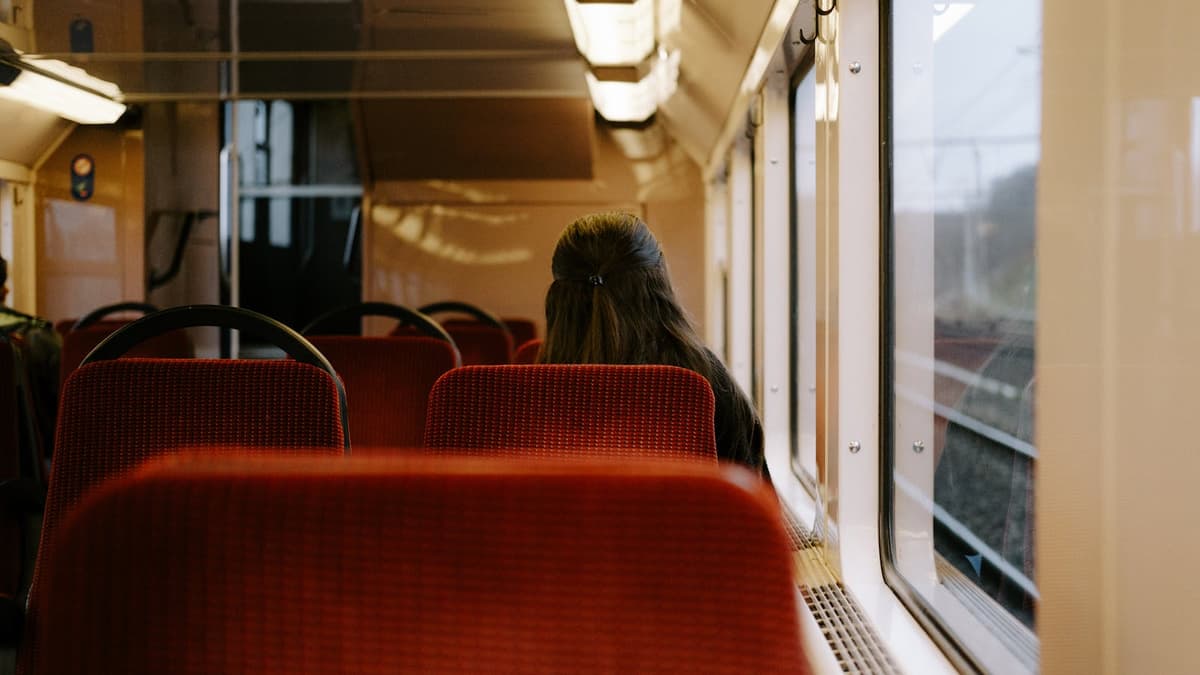
The article explores the hidden cost of being the perpetual "noticer"—someone who constantly tracks, interprets, and manages others' emotions. Research shows this one‑sided emotional labor leads to higher stress, anxiety, and lower relationship satisfaction. The piece links hypervigilance to early...

The People Who Remember Everyone’s Birthday but Quietly Hope Someone Will Remember Theirs without a Reminder
The article examines people who habitually remember everyone’s birthdays and life events, often using spreadsheets and calendar alerts, while hoping their own milestones are noticed without prompting. It reveals that this relational labor is a form of emotional work that...

Some People Don’t Want Advice. They Want a Witness. And Confusing the Two Is How We Lose Each Other in...
The article argues that many conversations fail because listeners default to giving advice instead of simply witnessing the speaker’s experience. Research shows that genuine listening lowers defensiveness, improves mental health, and even outperforms AI‑generated empathy. Gender norms and workplace cultures...

I Spent 30 Years Being the Friend Everyone Called During Their Crises, and when Mine Finally Came Last Spring, I...
The author reflects on three decades of being the go‑to crisis friend, only to realize during her own emergency last spring that she had no one to call. She describes how the role creates an invisible contract that suppresses reciprocity,...
The Loneliest People in Extreme Environments Aren’t the Ones Far From Home. They’re the Ones Who Return and Discover that...
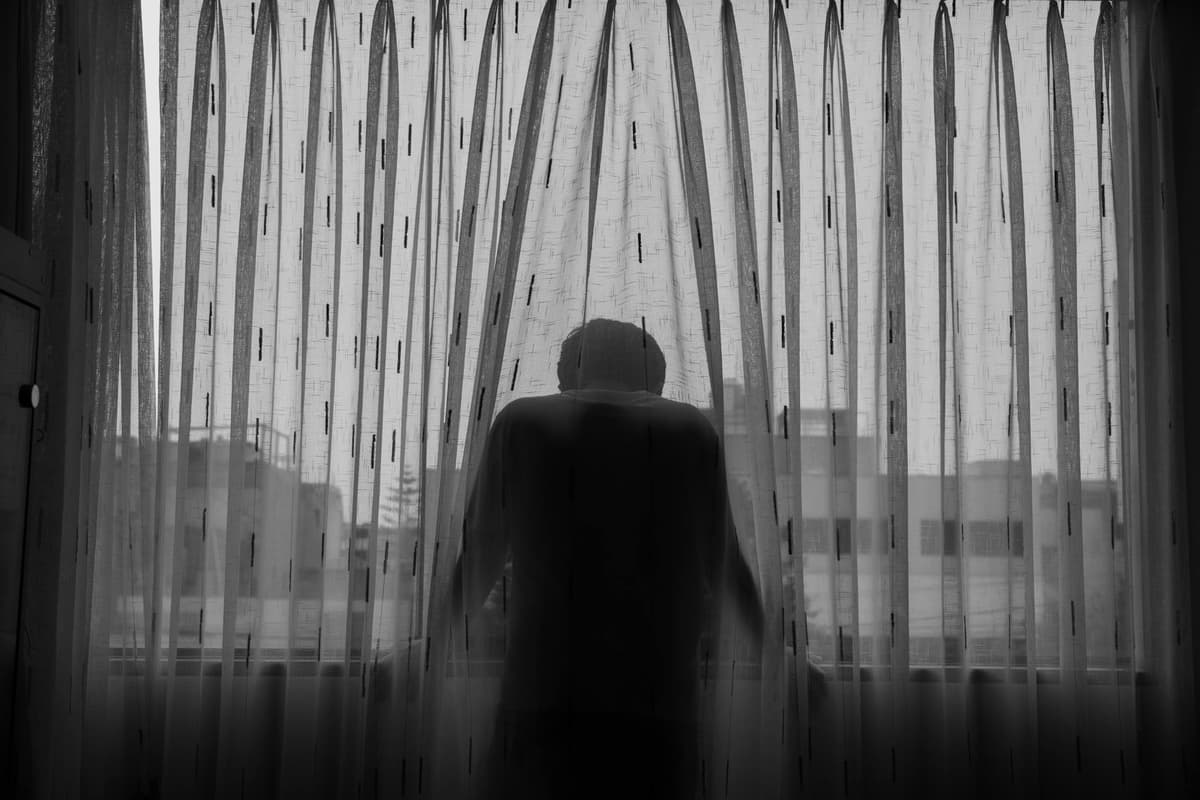
Returnees from extreme environments—astronauts, submariners, polar crews, and combat veterans—often face a profound form of loneliness that persists long after they step back onto familiar ground. Researchers label this phenomenon reverse culture shock or re‑entry distress, a type of existential...

The People Who Overexplain Themselves in Every Message Are Usually Apologizing in Advance for Existing in a Way Nobody Ever...
The article explains that over‑explaining in text messages is less about clarity and more a pre‑emptive apology for taking up space. Psychological research links the habit to self‑silencing, high guilt sensitivity, insecure attachment, and childhood exposure to volatile conflict. In...

The People Who Say ‘I’m Fine’ the Fastest Are Usually the Ones Who Learned, Very Young, that Nobody Had the...
The article explains how children who experience emotional neglect learn to answer “I’m fine” instantly, treating the phrase as a protective shortcut rather than a truthful statement. This rapid response stems from an early need to conserve emotional bandwidth in...

Psychology Says the Most Reliable Signs of Genuine Intelligence Are Almost Always Misread by the People Around Them – because...
A growing body of cognitive‑psychology research shows that the behaviors most associated with genuine intelligence—slow, deliberate pauses, openly admitting uncertainty, changing one’s mind, asking basic‑looking questions, and engaging the strongest version of an opponent’s argument—are routinely misread as weakness. The...
Shadow War in the Gulf: UAE Unravels Iran-Linked Cell Targeting Emirati Youth
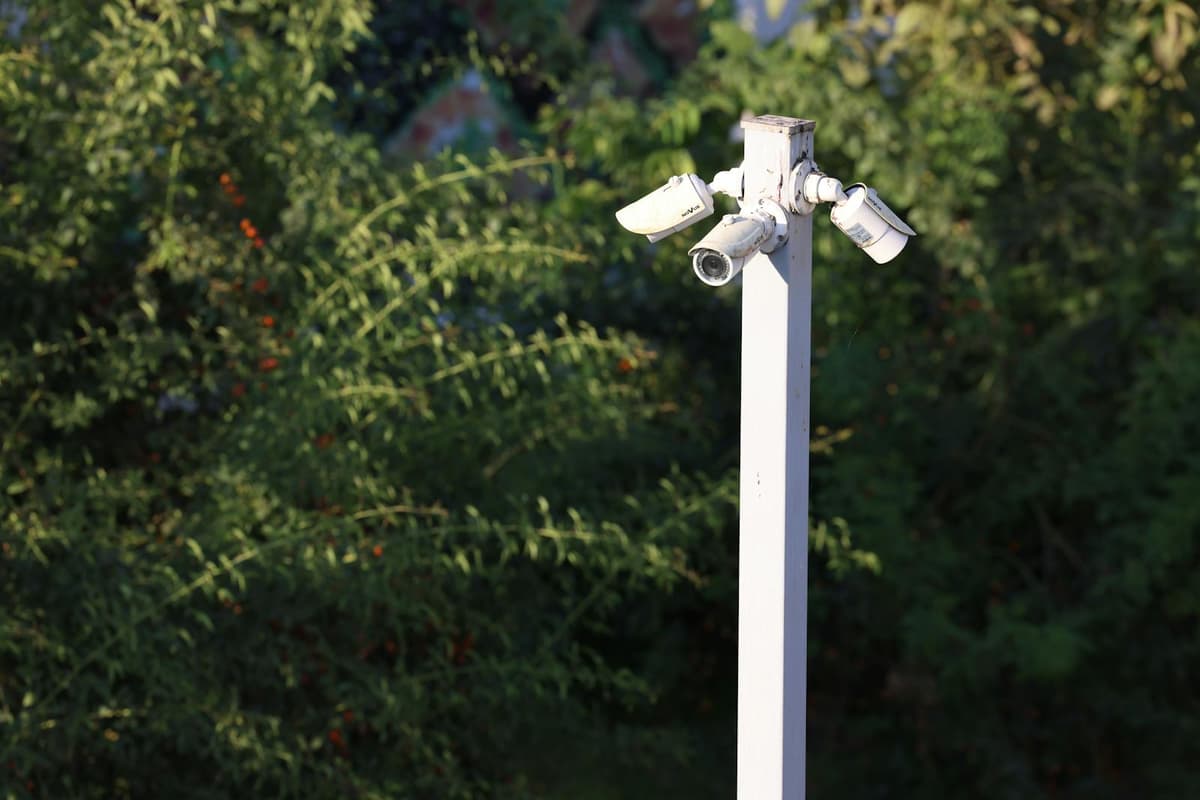
The United Arab Emirates announced the arrest of several individuals accused of running an Iran‑linked cell that sought to recruit Emirati youth and fund extremist propaganda. Prosecutors say the group established a secret organization, pledged allegiance to foreign entities, transferred...

I’m 37 and if I Could Sit Down with My 25-Year-Old Self, I Wouldn’t Tell Him to Enjoy It More,...
At 37, the author reflects on a decade of chasing approval while working a minimum‑wage warehouse job after a psychology degree. He realized he was performing for an audience that never truly supported him, mistaking attention for genuine backing. By...

Trump’s Iran War Justification Unravels as His Own Intelligence Chief Breaks Ranks
President Donald Trump defended the June 2‑5 airstrikes on Iran’s nuclear facilities as a solo decision based on an imminent threat, despite Director of National Intelligence Tulsi Gabbard’s testimony that Iran was years from a bomb. The intelligence gap sparked...

Psychology Says the Reason Attractive Kind People Sometimes Have No Close Friends Isn’t a Personality Flaw — It’s that They’ve...
The article explains that attractive, kind people often feel profoundly lonely because the halo effect causes others to value them for what they provide rather than who they are. Research dating back to Thorndike and a 2022 study of 11,000...

The People Who Mistake Self-Sufficiency for Healing and Don’t Realize They’ve Just Gotten Better at Hiding What Still Hurts
Self‑sufficiency is widely praised, but the article argues it often disguises unresolved emotional pain rather than true healing. It distinguishes between genuine processing—where people can articulate hurt—and mere containment, which appears as high performance but erodes connection over time. The...

The People Who Remember Every Small Kindness but Can’t Recall a Single Compliment About Themselves
Researchers describe a memory asymmetry where people vividly recall concrete acts of kindness but lose self‑praise, a pattern dubbed the fading affect bias. Astronauts and isolated crews consistently report remembering supportive actions while failing to retrieve compliments, a bias that...