SpaceDaily
Daily aggregated space news feed spanning space science, exploration updates, and commercial space industry press releases.
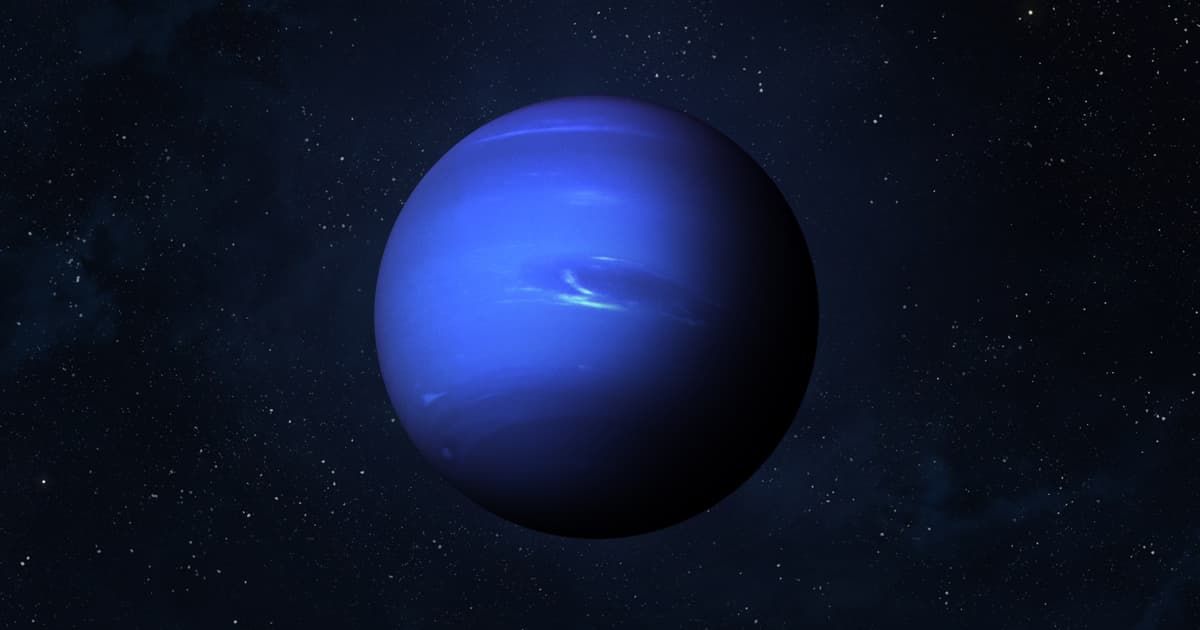
Neptune Was Found Not by Anyone Scanning the Night Sky but by Mathematics — Urbain Le Verrier Noticed Uranus Being...
In 1846 French mathematician Urbain Le Verrier used the wobble of Uranus to calculate where an unseen planet must lie. He sent his coordinates to Johann Galle at Berlin Observatory, where Galle and assistant Heinrich d’Arrest spotted Neptune within a degree of the prediction that same night. Parallel work by English mathematician John Couch Adams arrived later and was less complete, while earlier observations by James Challis had missed the planet. Le Verrier later proposed a similar hidden planet, Vulcan, which never existed, prompting Einstein’s relativity.
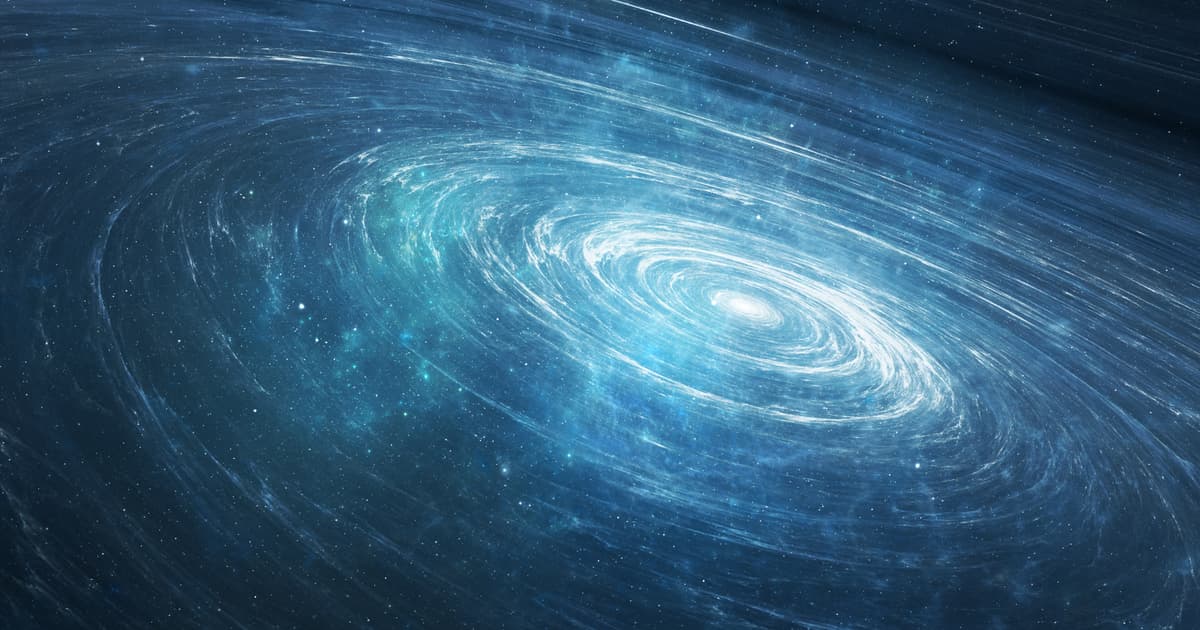
When Vera Rubin Measured the Spin of Galaxies, She Found Their Outer Stars Moving so Fast that Visible Matter Alone...
In the late 1960s Vera Rubin and Kent Ford began measuring how fast stars orbit in spiral galaxies, discovering that outer stars move at the same speed as those near the core. Their rotation‑curve data for 21 galaxies showed a...
When NASA’s 77-Tonne Skylab Station Fell Out of Orbit in 1979 and Scattered Debris Across Western Australia, the Shire of...
In July 1979 the U.S. Skylab space station re‑entered Earth’s atmosphere uncontrolled, scattering debris across a sparsely populated stretch of Western Australia. The Shire of Esperance humorously issued NASA a $400 littering ticket, knowing it was a joke rather than...
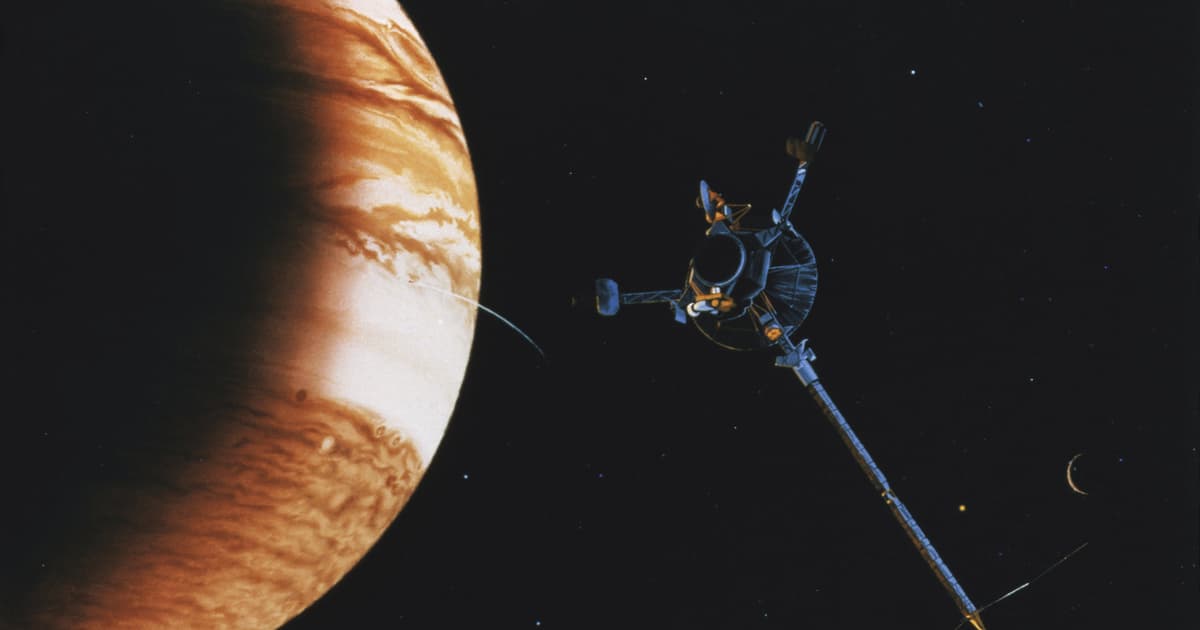
When the Galileo Spacecraft’s Main Antenna Failed to Unfurl on the Way to Jupiter, Engineers Salvaged the Mission by Rewriting...
NASA’s Galileo probe lost its 4.8‑metre high‑gain antenna in 1991, threatening the mission’s data return. Engineers responded by rewriting spacecraft software, adding aggressive data compression, and re‑architecting the Deep Space Network to combine multiple dishes. The low‑gain antenna, originally meant...
Ayisha Ashruf and Her Colleagues at Vikram Sarabhai Space Centre Tracked Seventeen Pieces of 1960s-Era Space Junk for 36 Years...
Researchers at India’s Vikram Sarabhai Space Centre tracked 17 pieces of 1960s space debris for 36 years, spanning three solar cycles. They identified a clear inflection point: once sunspot numbers or F10.7 radio flux reach roughly 67‑75% of a cycle’s...
Voyager 2 Flew Past Neptune in 1989 and Detected Faint Hints of Auroras It Couldn’t Explain — because the Magnetic...
The James Webb Space Telescope has directly detected Neptune’s auroras by imaging the H3+ ion in the planet’s upper atmosphere, confirming the presence of auroral activity that Voyager 2 only hinted at in 1989. Webb’s infrared spectrograph captured the faint H3+...
In 1999, NASA Lost a $125 Million Mars Spacecraft because of a Metric-versus-Imperial Mix-Up — the Kind of Conversion Mistake...
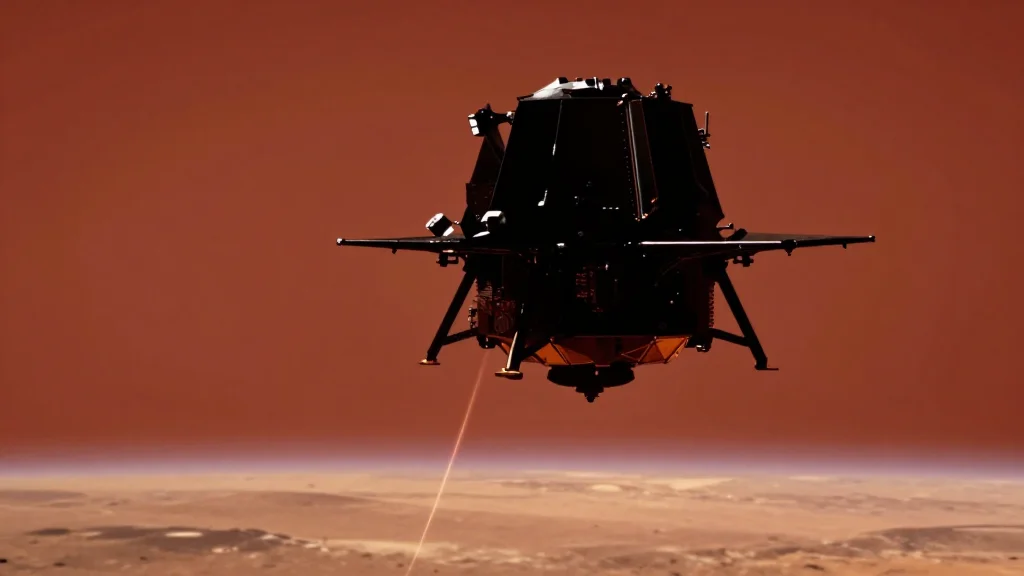
In December 1998 NASA launched the $125 million Mars Climate Orbiter to study Martian weather and support the Polar Lander. On 23 September 1999 the probe entered Mars orbit but a unit‑conversion error in navigation software dropped its trajectory 170 km lower than planned,...
Two Radio Astronomers Spent Months Trying to Eliminate a Faint Hiss in Their Antenna, Even Scrubbing Out Pigeon Droppings, Before...
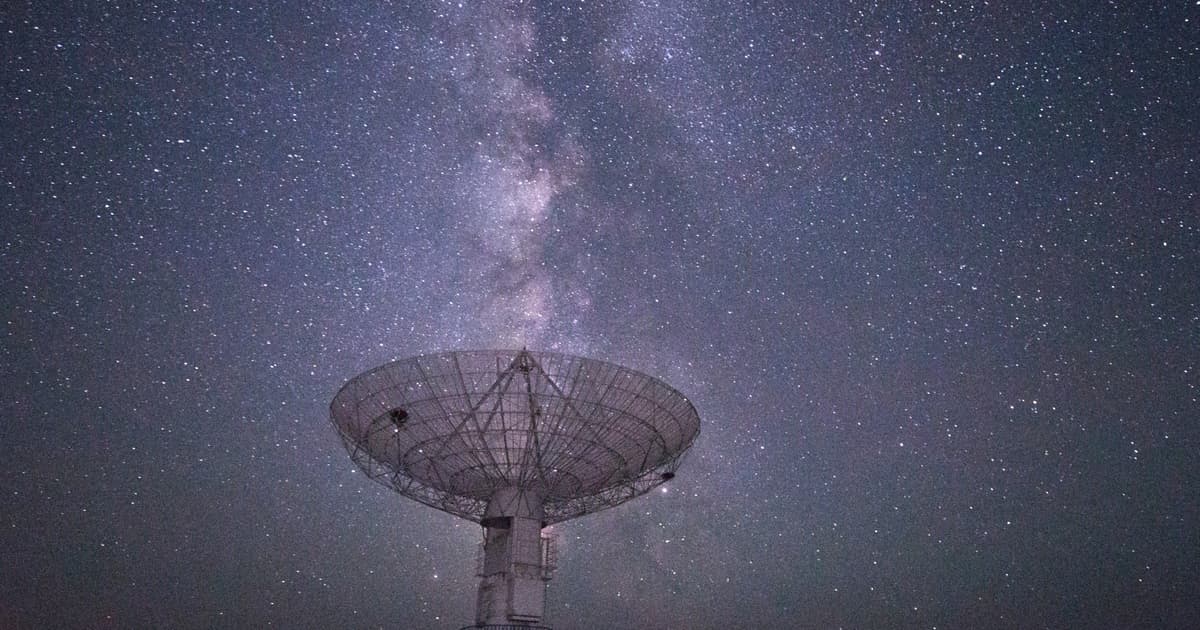
In 1964‑65 Arno Penzias and Robert Wilson used Bell Labs' Holmdel Horn Antenna—originally built for Project Echo—to hunt down a persistent hiss. After eliminating electronics, atmospheric effects, and even pigeon droppings, the residual signal remained isotropic and temperature‑stable. They identified...
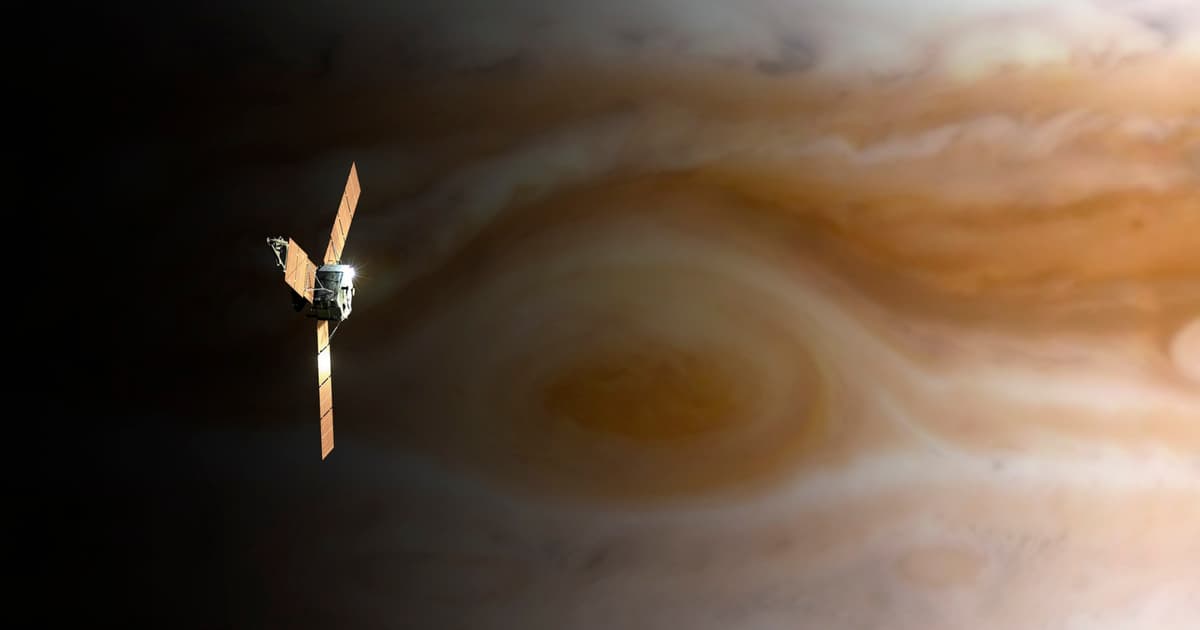
In 1995, NASA’s Galileo Spacecraft Sent a Probe Into Jupiter’s Atmosphere that Kept Transmitting for Just 58 Minutes as It...
On 7 December 1995 NASA’s Galileo spacecraft released a 339‑kg probe that plunged into Jupiter’s atmosphere at 47 km/s, transmitting data for 58 minutes before heat and pressure silenced it. The probe survived the extreme deceleration—over 200 g—and temperatures near 16,000 °C, deploying a parachute after...
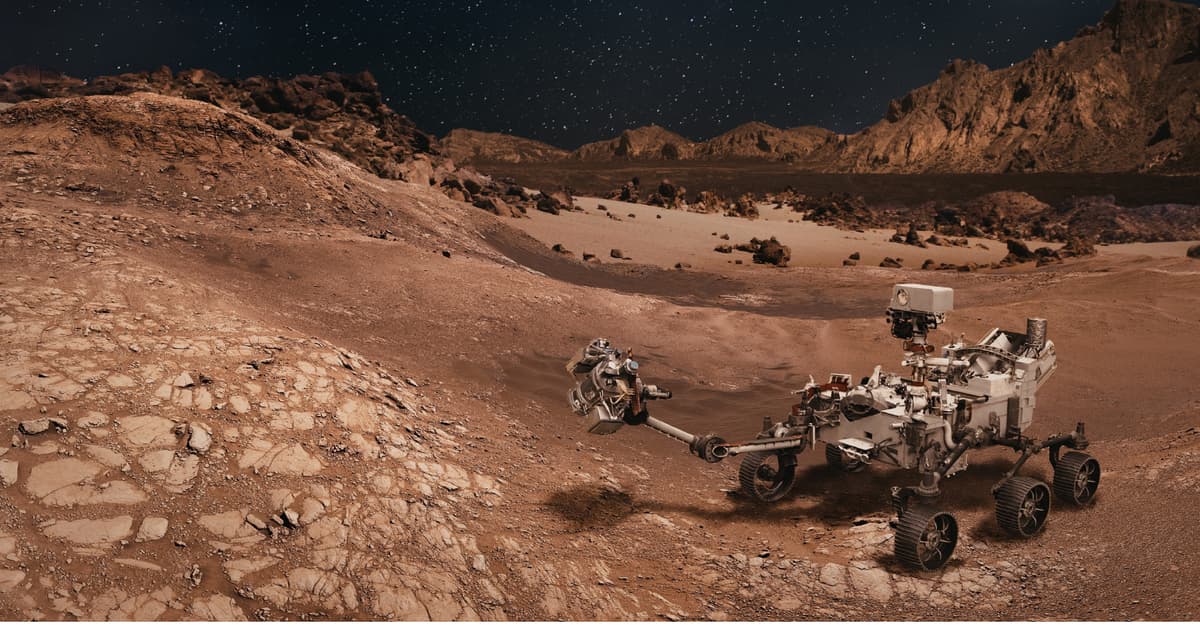
When a Soviet Rover Went Silent on the Moon in 1971, Scientists Assumed It Was Gone for Good — but...
In 1970 the Soviet Luna 17 mission delivered Lunokhod 1, the first rover on another world, equipped with a French‑built laser retroreflector. The rover went silent in September 1971 and its reflector was presumed lost for decades. High‑resolution images from NASA’s Lunar Reconnaissance...
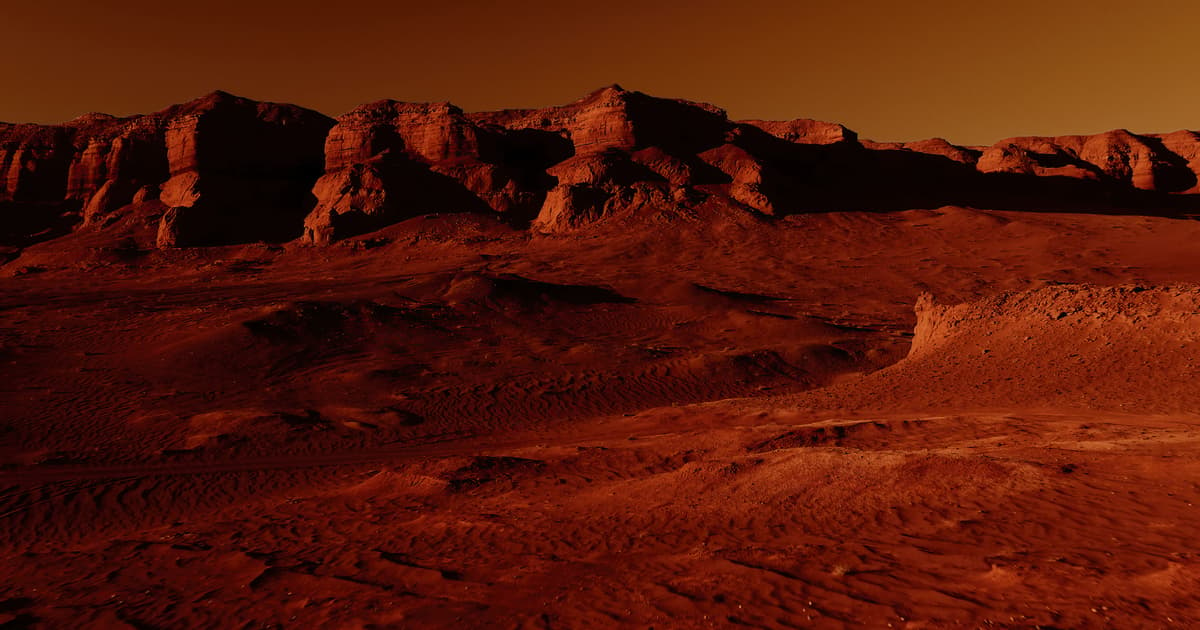
Olympus Mons on Mars Is a Volcano More than Two and a Half Times the Height of Everest, but Its...
Olympus Mons on Mars towers roughly 22 km above the surrounding plains, making it about two‑and‑a‑half times taller than Earth’s Mount Everest. Its massive shield‑volcano shape spreads over a 600‑km‑wide base—an area comparable to the state of Arizona—giving it a gentle...
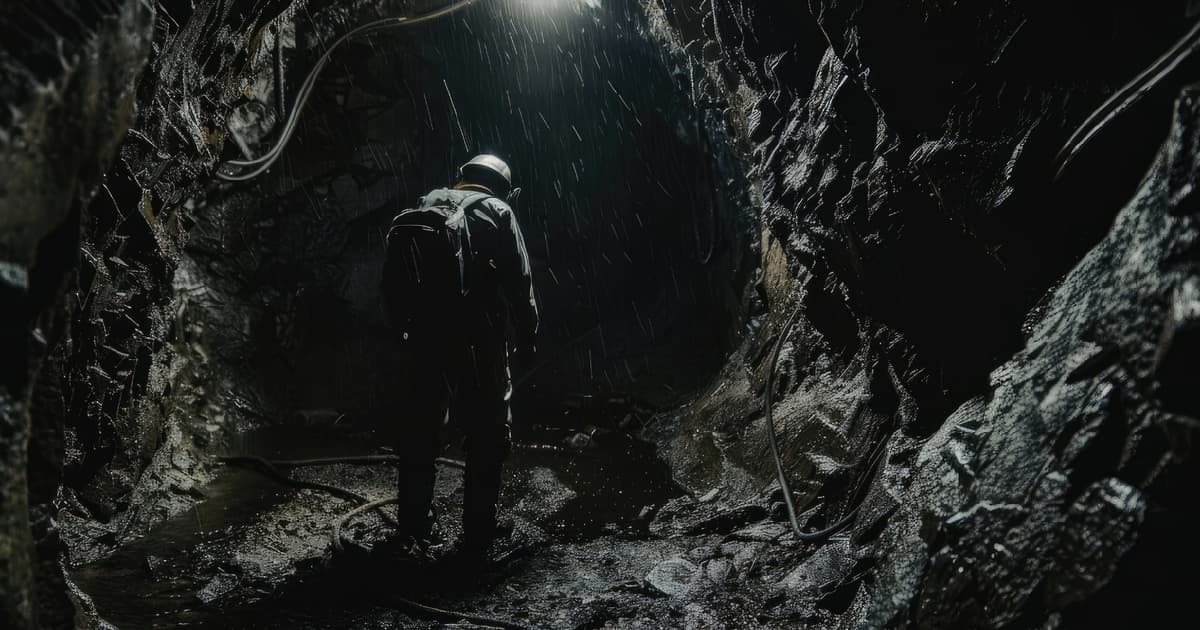
French Scientist Michel Siffre Spent Two Months Alone in a Cave with No Clock, No Calendar, and No Sunlight —...
On July 16, 1962, 23‑year‑old French speleologist Michel Siffre entered the Scarasson glacier cave and remained isolated for about two months with no clock, calendar or sunlight. Deprived of all external time cues, his sleep‑wake cycle lengthened to roughly 24.5 hours...
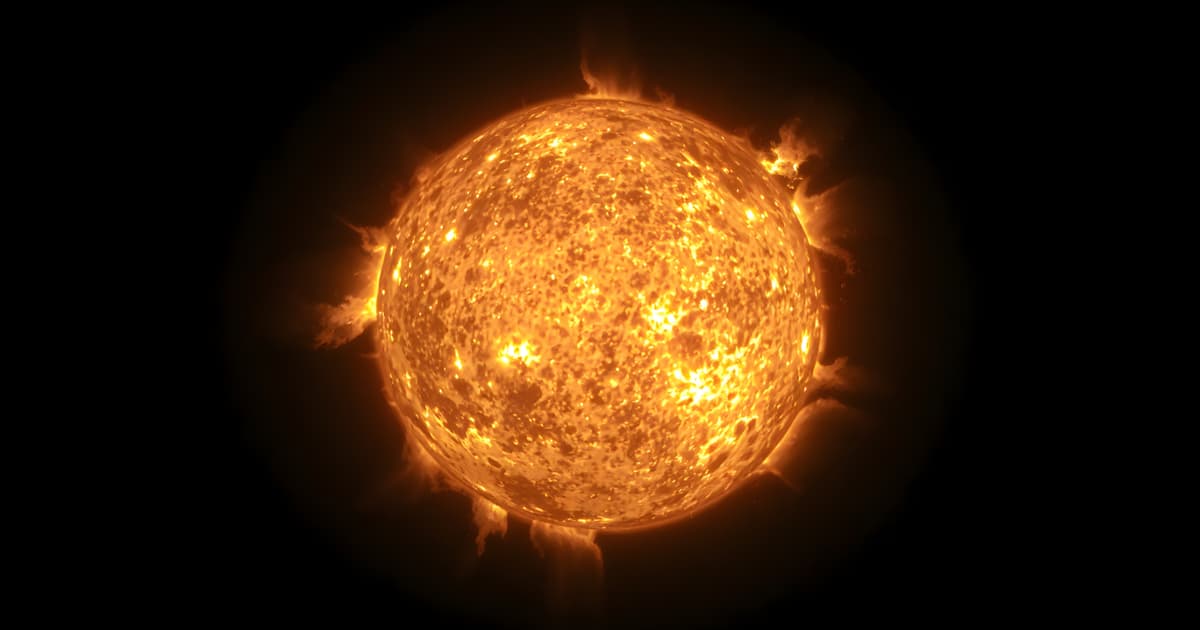
Helium Was Discovered on the Sun 27 Years Before Anyone Found It on Earth — Spotted as an Unexplained Yellow...
French astronomer Pierre Janssen first recorded a bright yellow line at 587.5 nm during the August 18 1868 total solar eclipse, a signature later identified as helium. Two months later, Norman Lockyer named the element after the Greek sun god, asserting its existence...

Almost Half of Women in Their 60s and 70s in Japan Now Prefer Getting Personal Advice From AI Rather than...
A late‑May 2026 survey of 1,449 Japanese adults revealed that 47.8% of women in their 60s and 70s prefer consulting an artificial intelligence for relationship advice, reversing the overall trend toward human counsel. Men of the same age favored humans...

China Is Sending an Astronaut to Its Space Station for a Full Year — a National Record — as Beijing...
On May 24, 2026 China will launch Shenzhou‑23 on a Long March‑2F rocket, sending three astronauts to the Tiangong space station for a historic year‑long stay. The mission marks the longest Chinese crewed flight and includes Li Jiaying, the first...
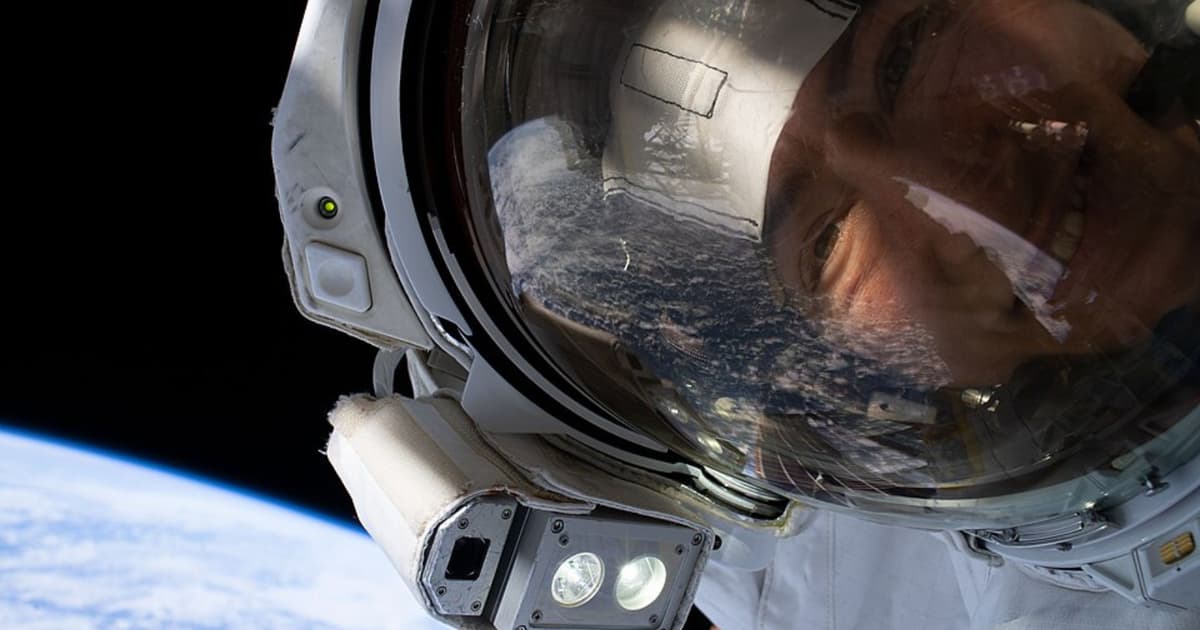
The First All-Female Spacewalk in History Did Not Happen Until October 2019, Fifty-Eight Years After Yuri Gagarin Orbited Earth —...
NASA planned an all‑female spacewalk for March 29, 2019 with Christina Koch and Anne McClain, but the EVA was scrapped when only a single medium‑size hard‑upper‑torso suit component was ready on the ISS. The mission was re‑assigned, and the first all‑female EVA finally...
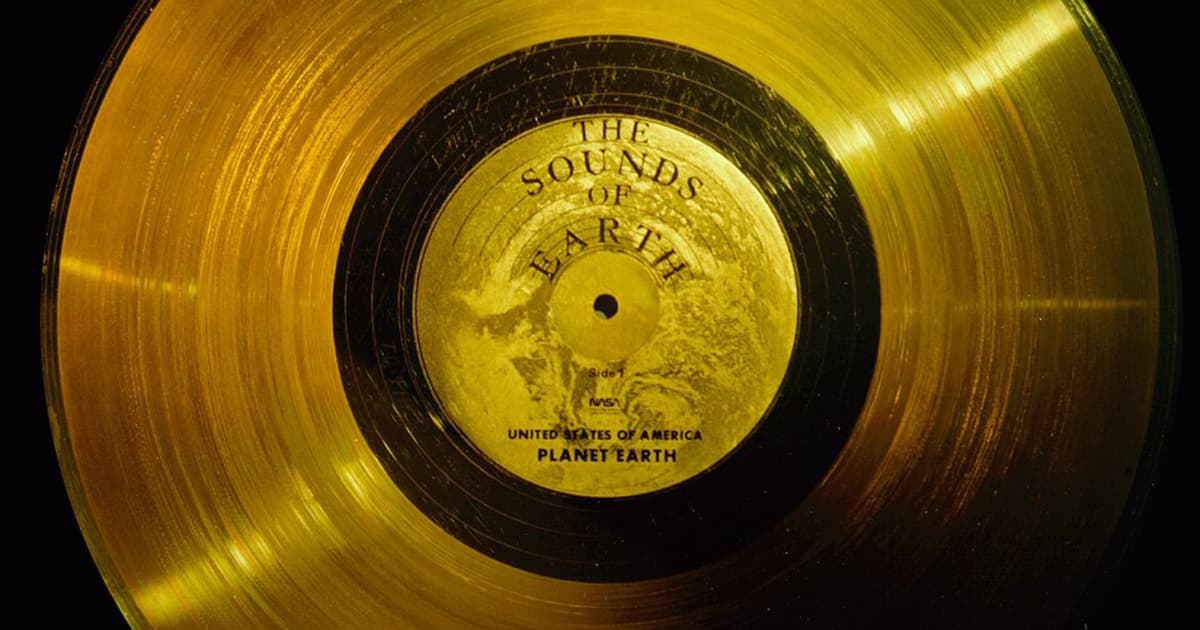
The Voyager Golden Record Carries Greetings in 55 Languages — a Deliberate Attempt to Send a Small Sample of Human...
NASA’s Jet Propulsion Laboratory turned off Voyager 1’s Low‑energy Charged Particles experiment in April 2026 to stretch the spacecraft’s dwindling power supply, signaling the final decade of active transmissions. The Voyager Golden Record, a 12‑inch gold‑plated copper disc launched in 1977, carries...

Before He Climbed the Ladder for the Last Time, the Final Astronaut to Walk on the Moon Knelt and Traced...
On December 14, 1972, Apollo 17 commander Gene Cernan knelt on the Moon and traced the letters “TDC” – the initials of his nine‑year‑old daughter Tracy – into the lunar dust. The gesture came just before he climbed the ladder for...
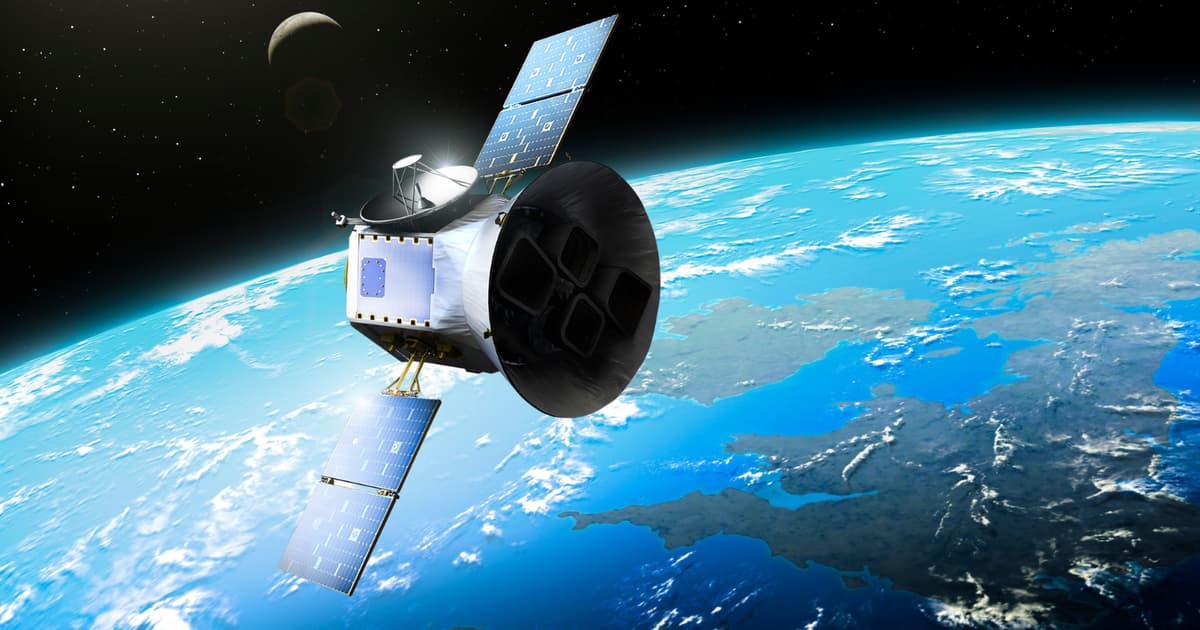
A NASA Satellite Launched in 1976 Carries a Carl Sagan–Designed Plaque Sealed Inside Its Core, Mapping Earth’s Continents 268 Million...
On 4 May 1976 NASA launched LAGEOS‑1, a 60‑cm brass‑aluminium sphere that serves as a passive laser‑ranging target for measuring Earth’s tectonic motion. Inside its core are two stainless‑steel plaques designed by Carl Sagan, each displaying three continental maps: Pangaea...
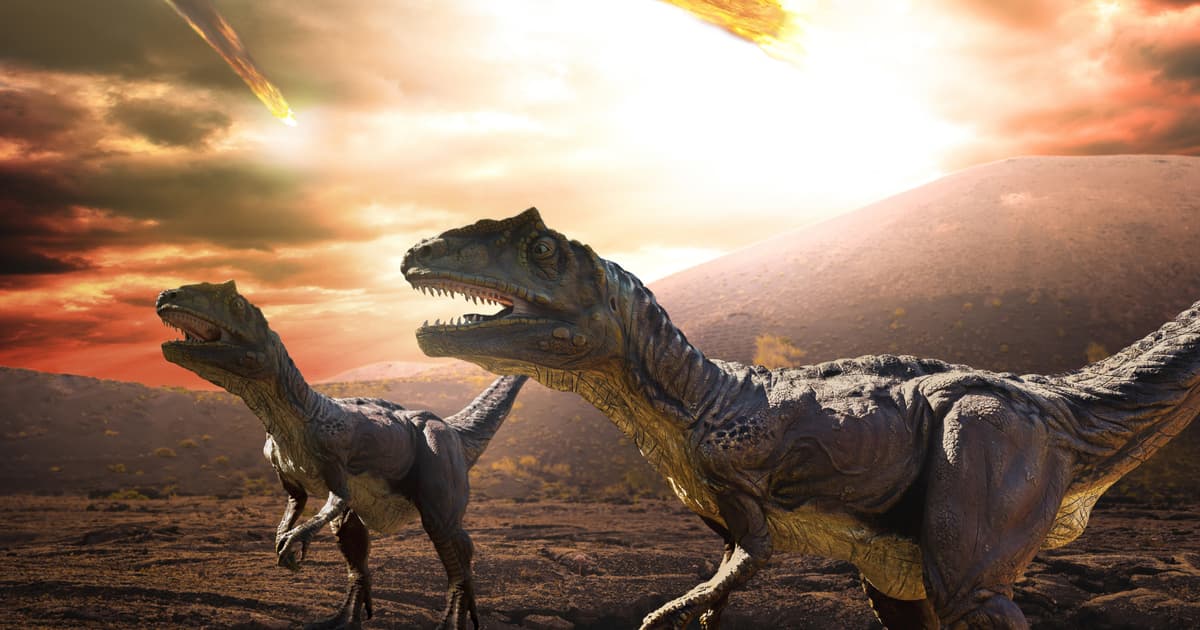
The Asteroid that Ended the Dinosaurs Struck What Is Now Mexico with Such Force that It Blasted Molten Ejecta High...
About 66 million years ago a 10‑15 km asteroid slammed into the Yucatán Peninsula, creating the 180‑km‑wide Chicxulub crater and releasing energy equivalent to millions of the largest nuclear weapons. The impact hurled molten rock into space, which re‑entered the atmosphere within...
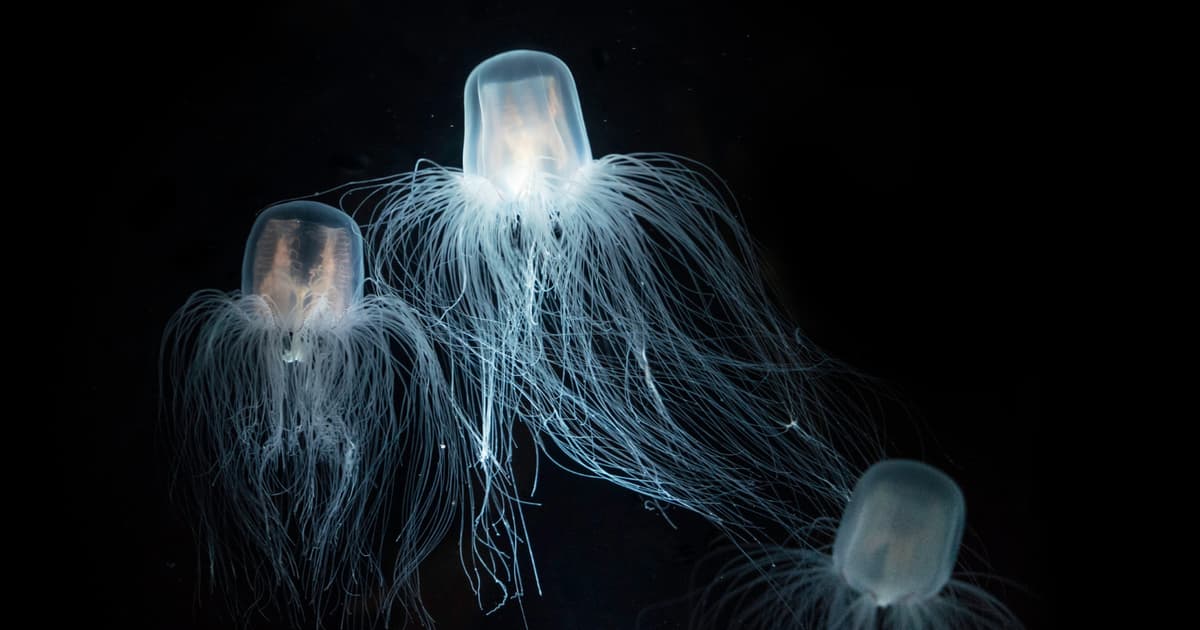
A Tiny Jellyfish Can Reverse Its Own Life Cycle when Injured or Starving, Turning Back Into Its Younger Self Instead...
Scientists have confirmed that the tiny hydrozoan jellyfish Turritopsis dohrnii can reverse its adult medusa stage back to a polyp when stressed, a process called transdifferentiation. A 2022 comparative genome analysis revealed expansions in DNA‑repair, telomere‑maintenance and stem‑cell genes that...
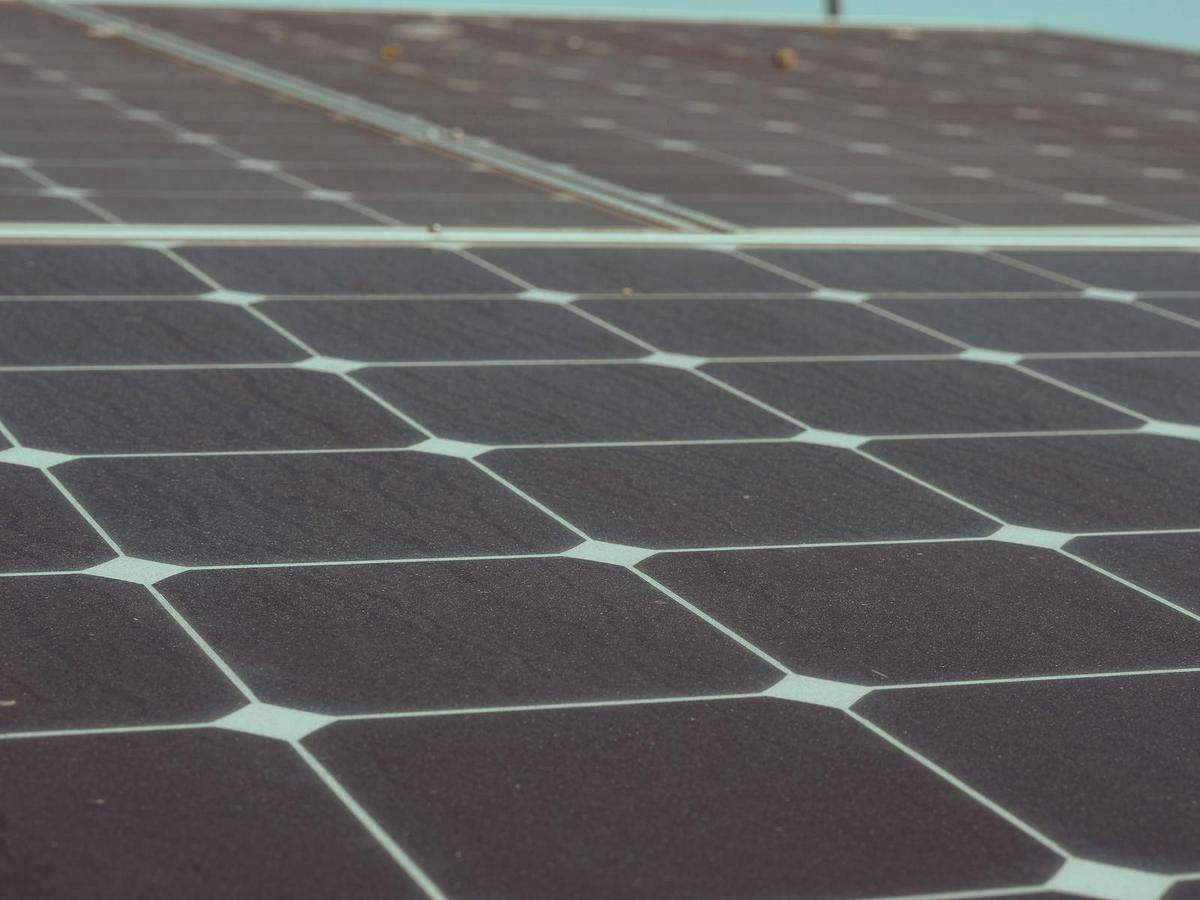
Atomic Oxygen in Low Earth Orbit Slowly Eats Spacecraft Surfaces, and the ISS Survives because Engineers Learned to Coat, Test,...
Atomic oxygen in low Earth orbit continuously erodes exposed spacecraft polymers, a problem first noticed when early satellites returned with scoured paint and brittle Kapton. NASA’s Glenn Research Center addressed the issue through the Materials International Space Station Experiment (MISSE),...
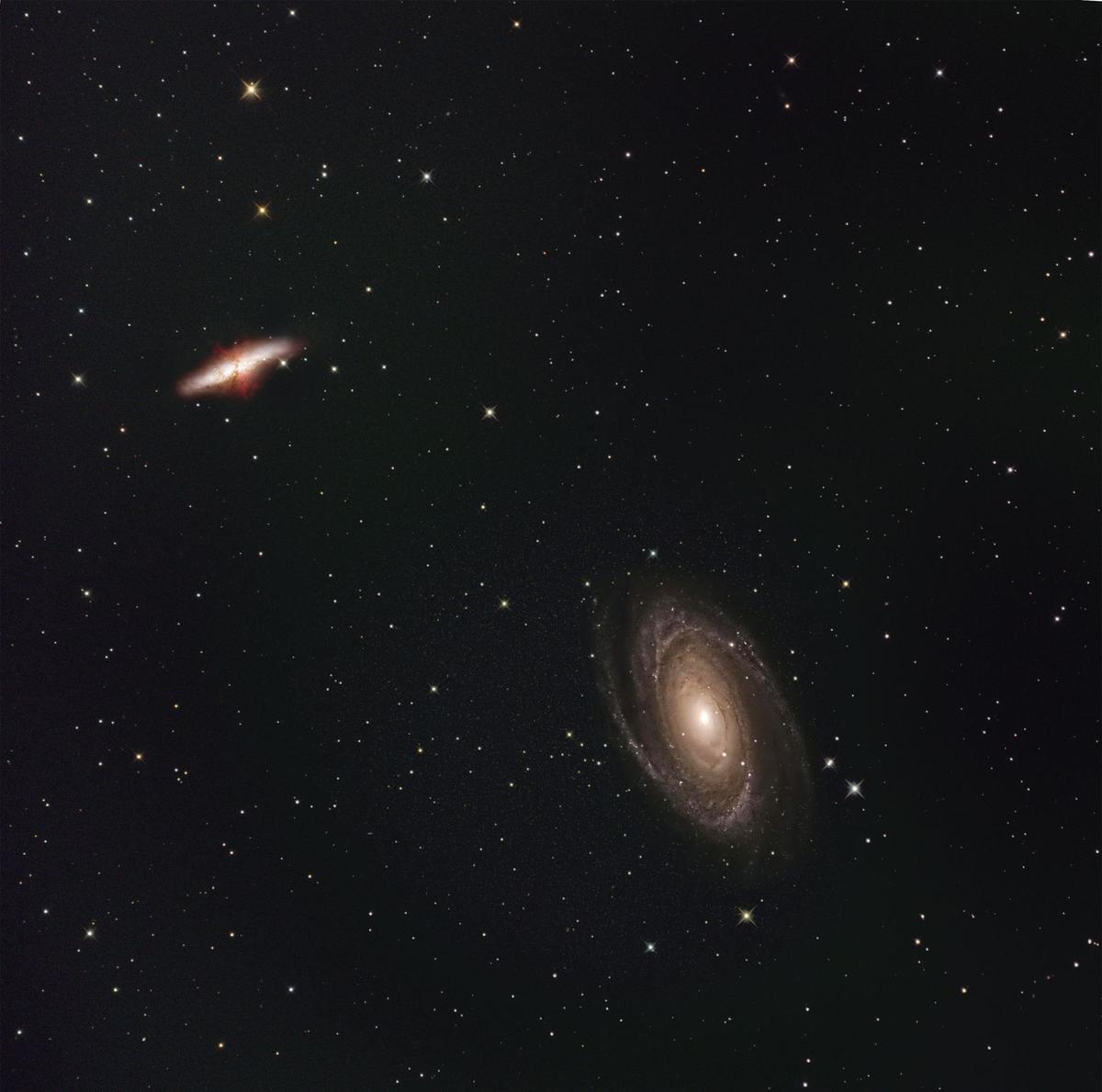
Webb Just Clocked Nearly 9,000 Young Star Clusters and Found the Biggest Ones Break From Their Birth Clouds in 5...
Astronomers using James Webb and Hubble data identified nearly 9,000 young star clusters across four nearby galaxies and found that the most massive clusters shed their surrounding gas in about 5 million years, while smaller clusters take 7‑8 million years. This timing...

The Fuel-Saving Lunar Trajectory that Looks Like the Long Way Round Could Solve One of Crewed Moon Travel’s Most Awkward...
Researchers have identified a new Earth‑Moon transfer that threads through the L1 Lagrange point, shaving roughly 59 m/s of delta‑v from the best low‑energy routes described in the literature. The trajectory enters the lunar manifold from the far side, a counter‑intuitive...
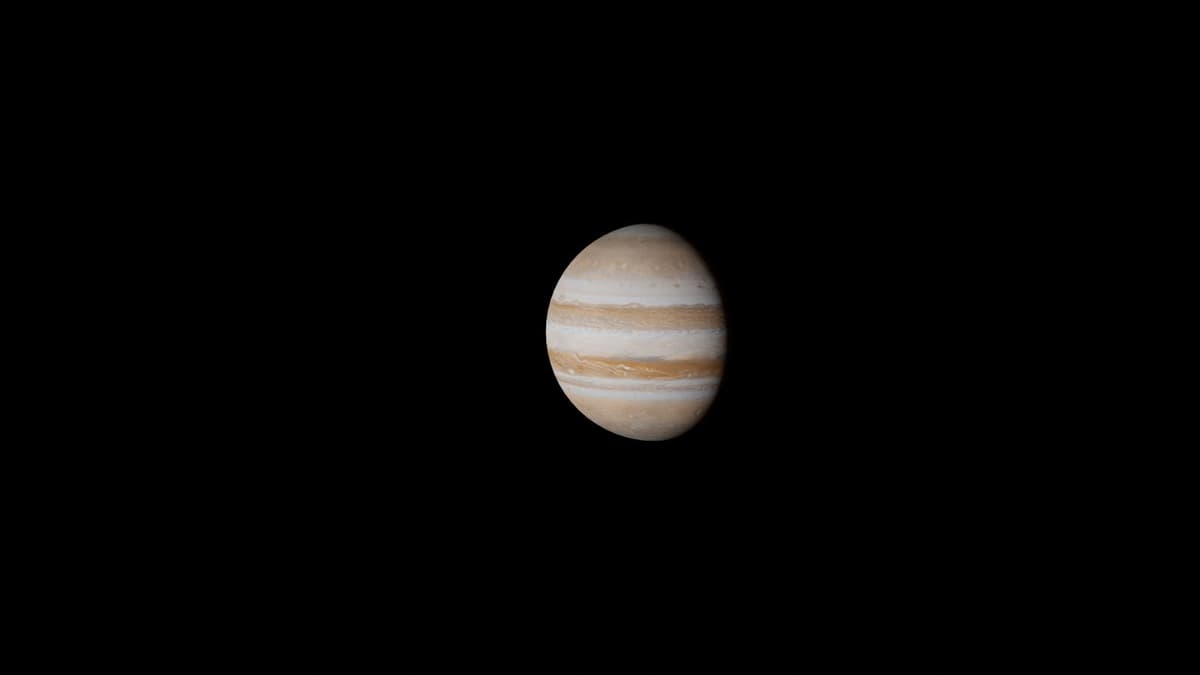
NASA Deliberately Crashed Galileo Into Jupiter in 2003 to Protect Europa, After the Spacecraft Found Signs of the Ocean It...
In 2003 NASA deliberately steered the Galileo orbiter into Jupiter at 48.2 km/s, ending the mission to prevent the spacecraft from possibly contaminating Europa after it had supplied strong evidence of a subsurface salty ocean. The probe, launched in 1989,...
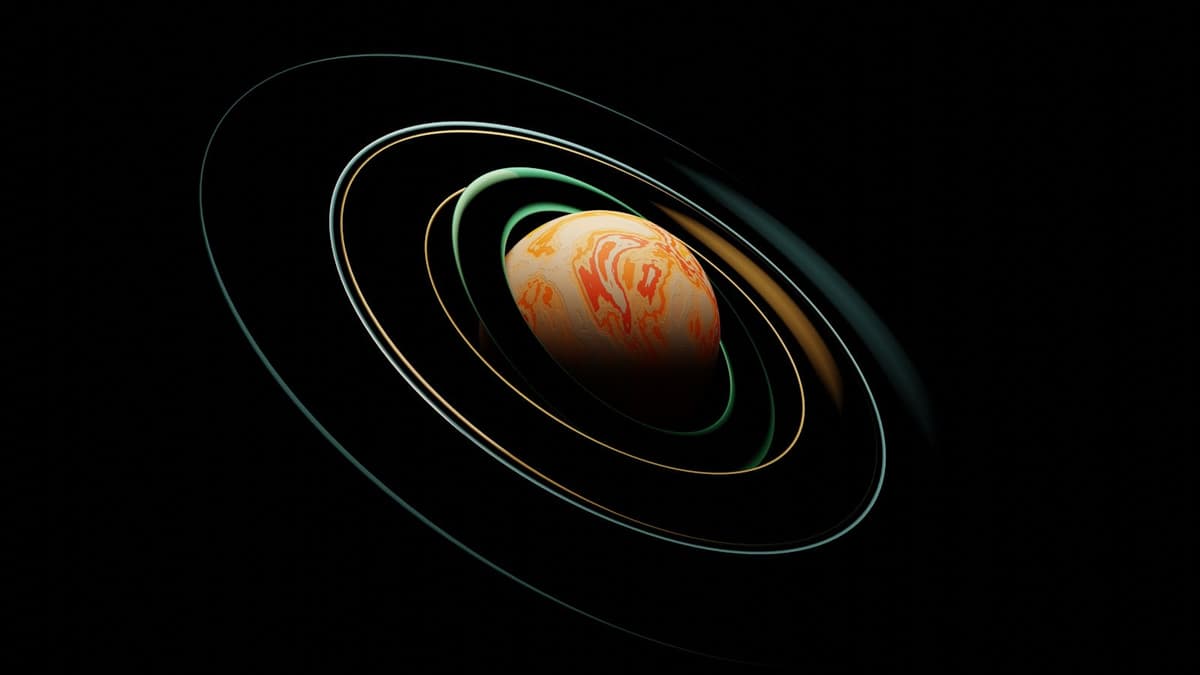
The Cassini Spacecraft Was Deliberately Flown Into Saturn in 2017 because NASA Refused to Risk Contaminating Enceladus, and in Its...
On September 15, 2017 NASA deliberately steered Cassini into Saturn’s atmosphere to eliminate any chance of contaminating the ocean‑bearing moon Enceladus. After 13 years of orbiting Saturn and revealing active geysers, subsurface oceans, and complex chemistry, the probe ran low...
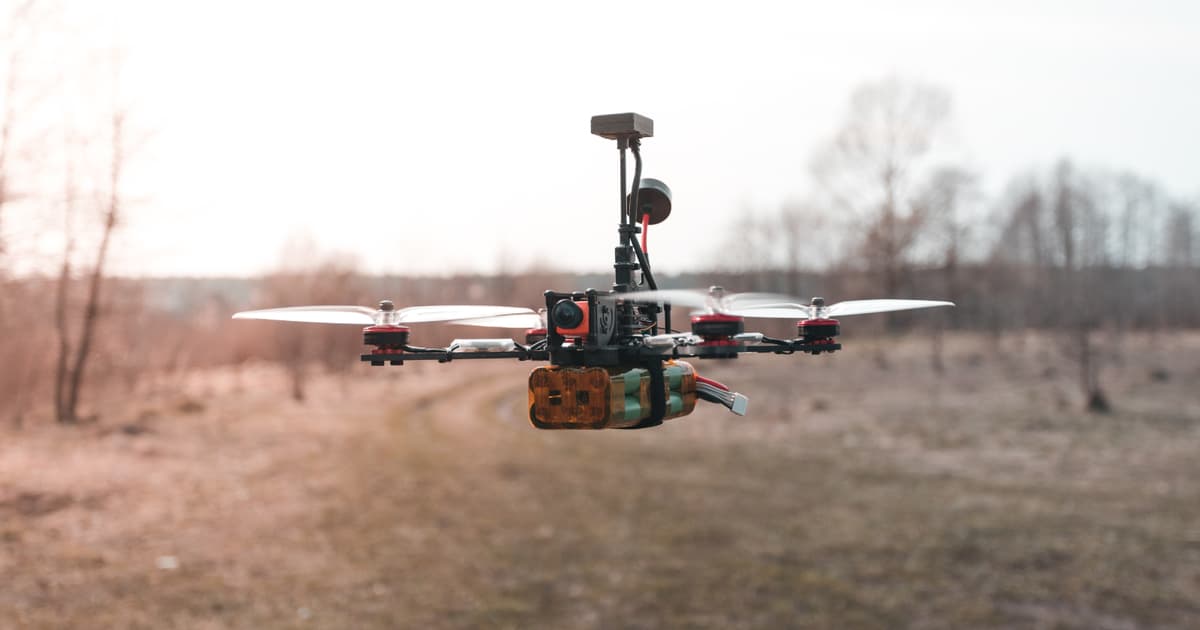
The War in Ukraine Has Become the World’s Largest Live Test of Autonomous Drone Warfare — and What Both Sides...
The Ukraine‑Russia war has become the largest live test of autonomous drone warfare, with Ukraine producing over 4.5 million UAVs in 2025—more than the entire NATO alliance—and Russia churning out 50,000 fiber‑optic‑guided drones each month. Both sides have rapidly iterated tactics,...
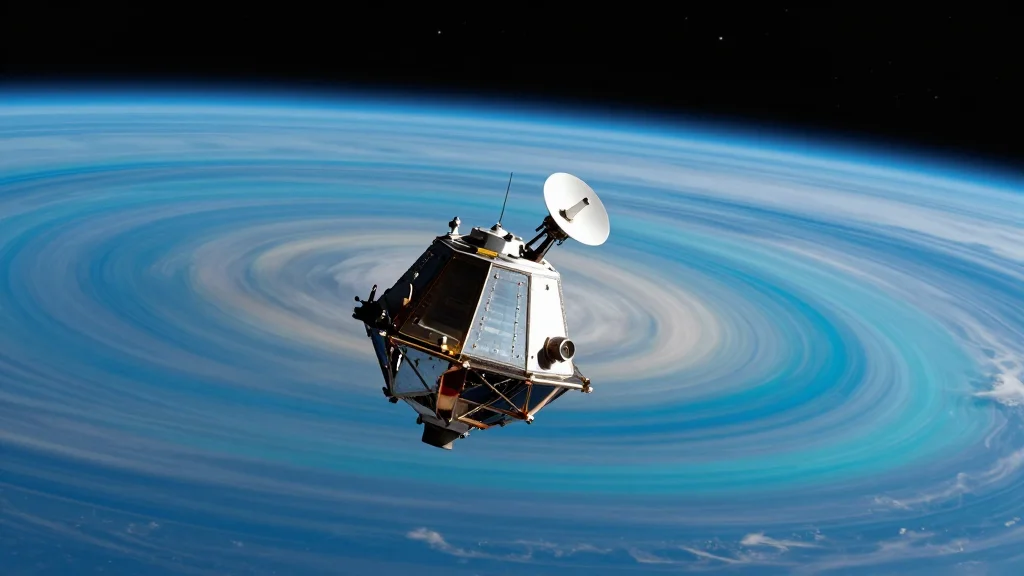
Voyager 2 Photographed Neptune in Light so Dim that some Exposures Lasted Seconds or Even Minutes, While the Spacecraft Was...
On 25 August 1989 Voyager 2 flew past Neptune, delivering the sharpest close‑up images of the distant planet. Because sunlight at Neptune is only about 0.1 % of Earth’s, exposures ranged from 15 seconds to several minutes. To prevent motion blur while the spacecraft raced...
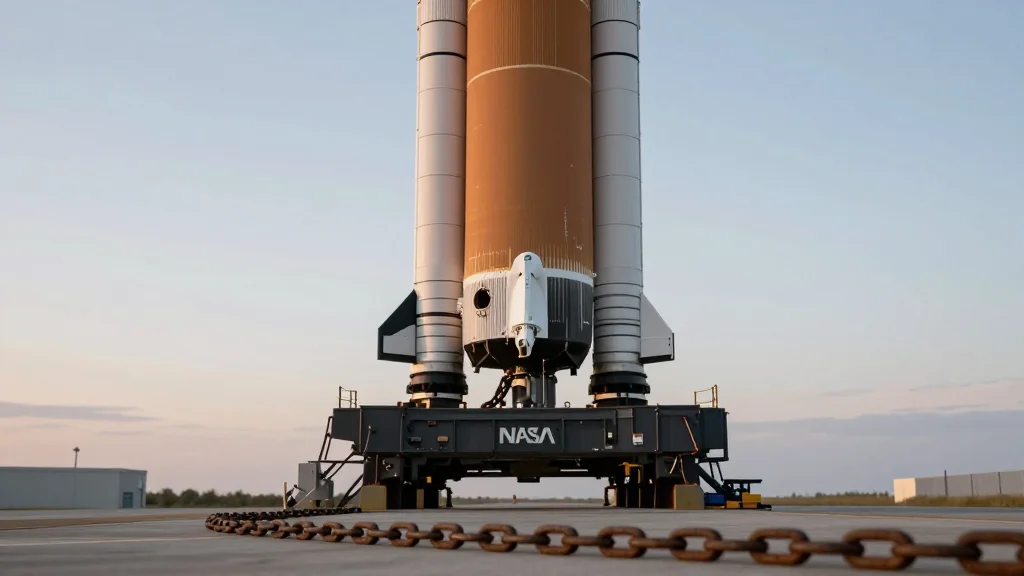
America Is Preparing to Land Humans on the Moon While Quietly Proposing to Terminate 53 Science Missions, Lay Off Thousands...
The White House’s FY 2027 budget request trims NASA’s overall funding by roughly 23%, dropping the topline from $24.4 billion to $18.8 billion. While the Exploration directorate sees a modest 9% boost for Artemis, the Science Mission Directorate faces a 46% cut, shrinking...

Why Are so Many of Us Still Awake at Midnight Watching Something We Don’t Even Care About? Researchers Call It...
Researchers label the habit of scrolling through videos late at night as "revenge bedtime procrastination," a form of bedtime procrastination where individuals delay sleep despite having no external constraints. The behavior stems from a desire to reclaim personal autonomy after...
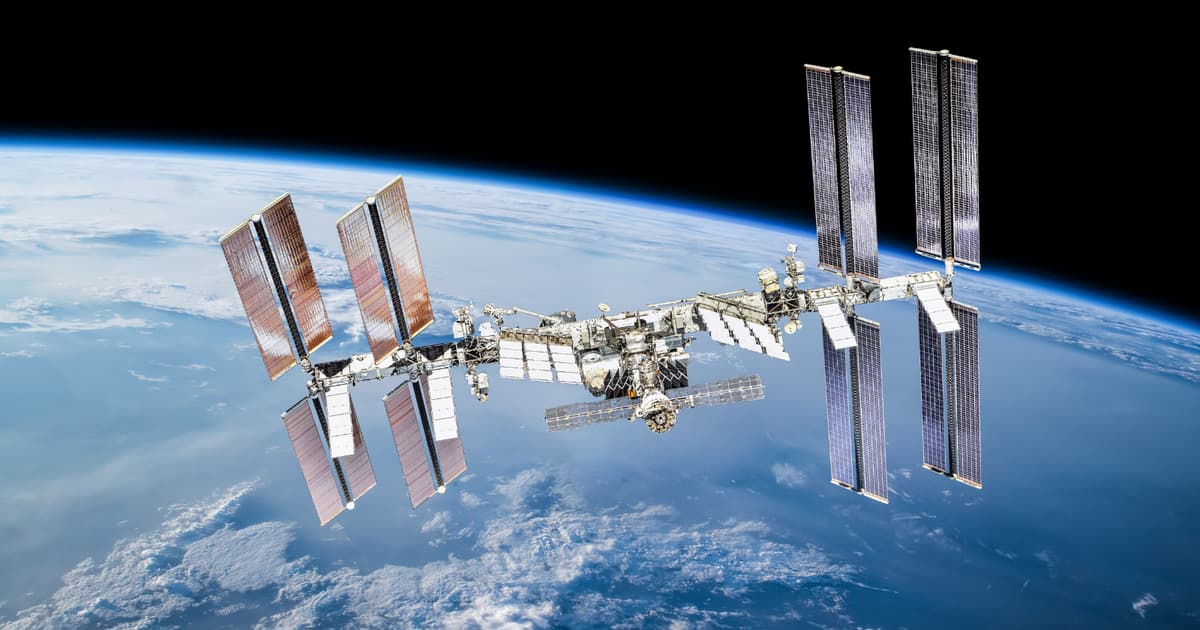
The International Space Station Has Had Continuous Human Presence for over Twenty-Five Years. The Daily Habits that Made that Possible...
The International Space Station has hosted an uninterrupted human presence for over twenty‑five years, with more than 290 astronauts from 26 nations rotating through its modules. Daily crew life revolves around surprisingly ordinary habits: roughly two hours of exercise, eight...
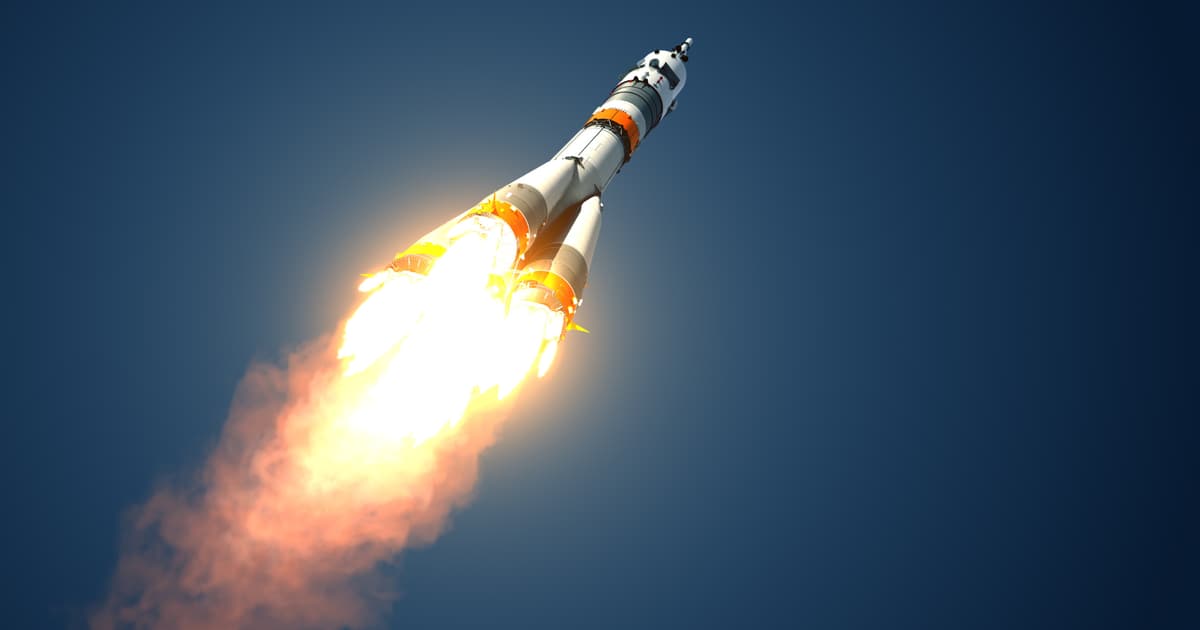
When Soviet Cosmonaut Sergei Krikalev Launched to Mir in May 1991, the Country that Sent Him Was Still the USSR;...
Sergei Krikalev launched to the Mir space station in May 1991 as a Soviet cosmonaut and returned in March 1992 after 311 days, by which time the USSR had dissolved, his hometown was renamed Saint Petersburg, and the Baikonur launch site...

Scientists Just Reversed About 80% of Aging in Elderly Mice in a Single Month — and They Did It by...
Researchers at Bar‑Ilan University reported that boosting the protein SIRT6 in elderly male mice reversed about 80% of age‑related chromatin accessibility changes in liver cells within a month. The reversal was achieved using a hepatocyte‑specific AAV8 viral vector, and it...
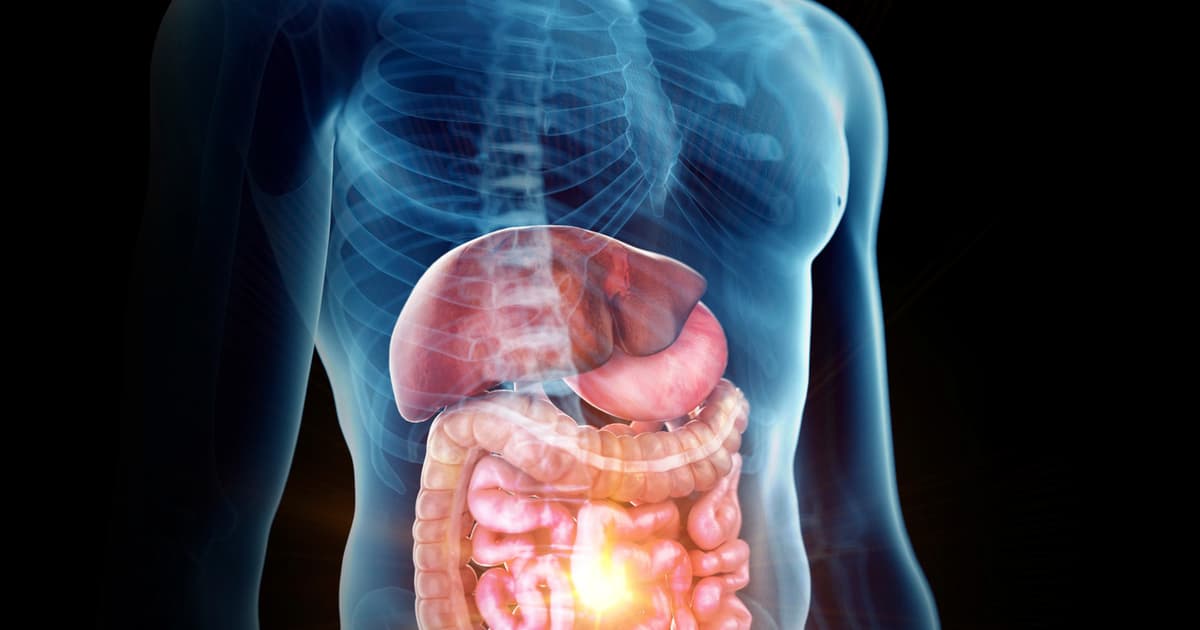
The Deepest Part of the Human Gut Contains a Peripheral Nervous System of About 500 Million Neurons — More than...
Researchers highlight that the enteric nervous system (ENS) in the gut contains roughly 500 million neurons—about five times more than the spinal cord—and functions with considerable autonomy. This “second brain” regulates digestion, blood flow, and enzyme release without direct brain commands....

The Most Accurate Atomic Clocks in Operation Now Lose Less than One Second Every 30 Billion Years — and the...
Physicists at JILA have used ultracold strontium optical lattice clocks to directly measure gravitational time dilation across a one‑millimetre vertical span. The clocks achieve a precision of about one part in 10^21, equivalent to losing less than one second over...
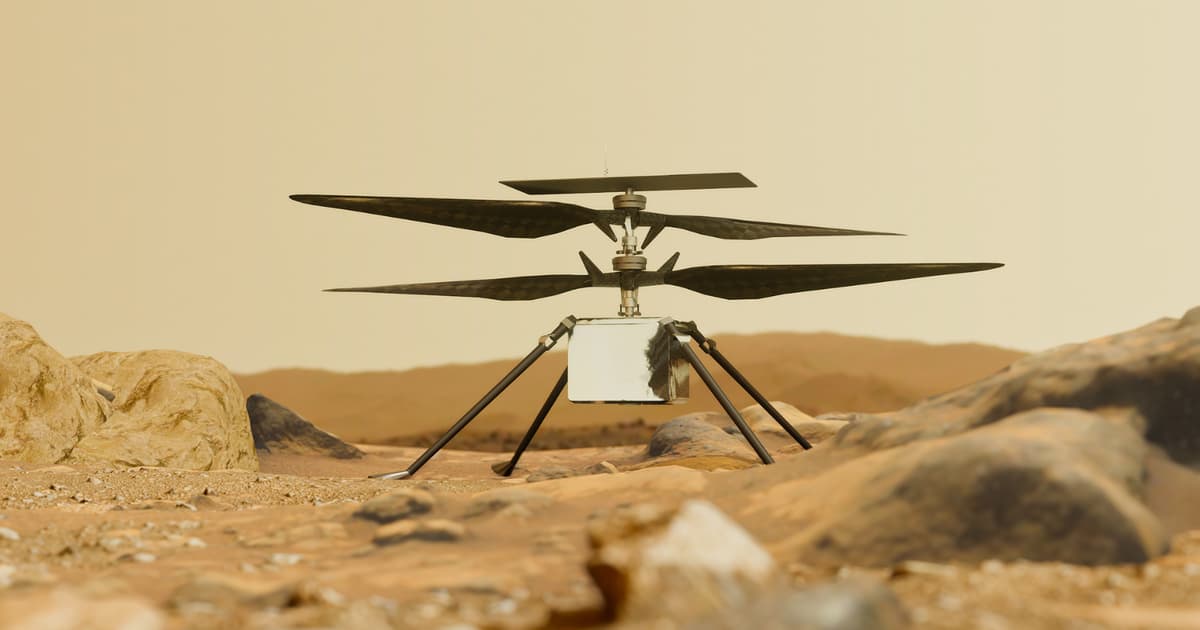
The Mars Helicopter Ingenuity Completed 72 Flights in an Atmosphere Less than One Percent as Dense as Earth’s Before Rotor...
NASA’s Ingenuity helicopter, built for just five test flights, completed 72 missions over nearly three years, logging more than two hours of flight in an atmosphere less than one percent as dense as Earth’s. Weighing 1.8 kg and costing about $85 million,...
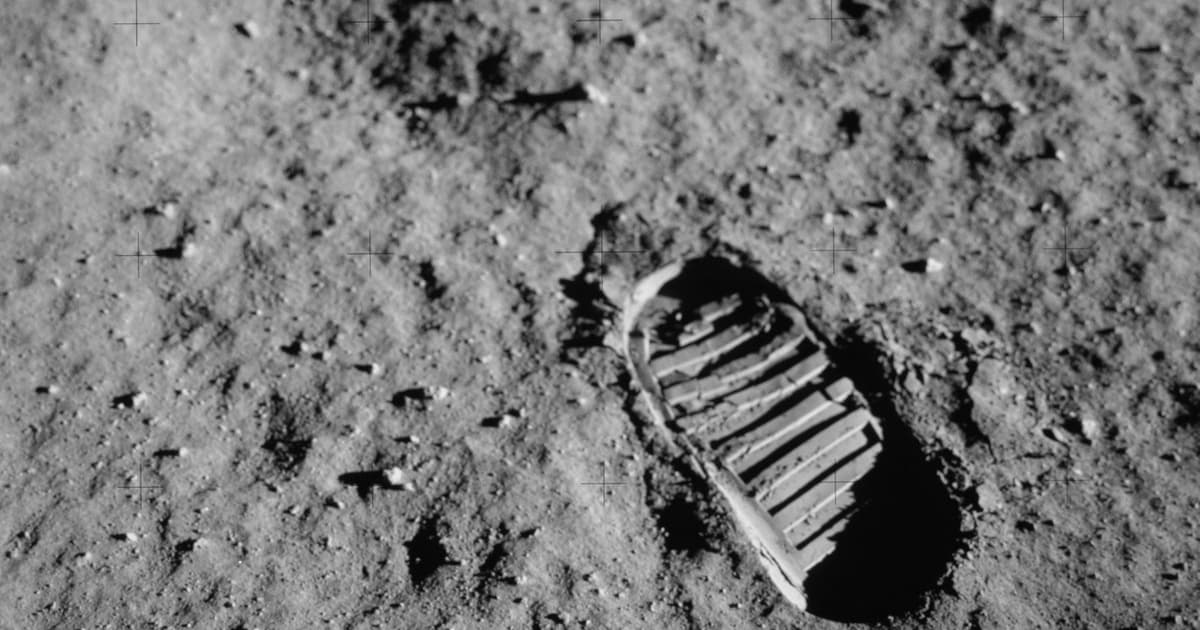
Richard Nixon’s White House Had a Speech Prepared in Case Neil Armstrong and Buzz Aldrin Became Stranded on the Lunar...
Two days before Apollo 11 landed, Nixon speechwriter William Safire drafted a 12‑sentence address to be delivered if Neil Armstrong and Buzz Aldrin were stranded on the Moon. The memo also prescribed a phone call to the astronauts’ families, a burial‑at‑sea...
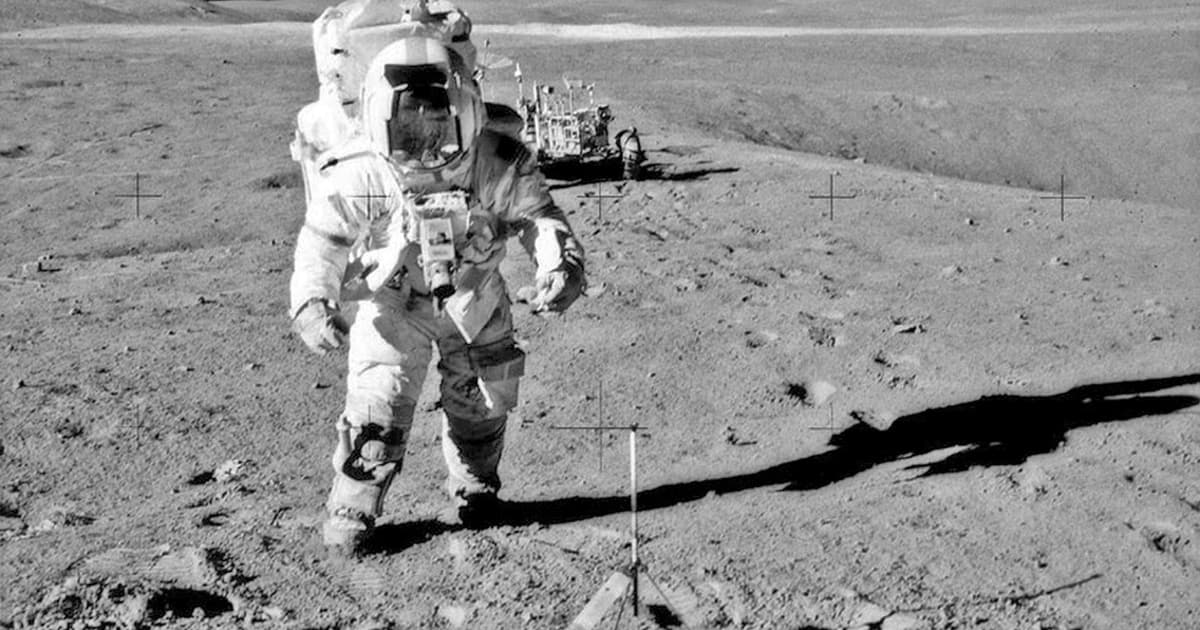
Astronauts Who Walked on the Moon Reported that the Dust Tracked Back Into the Lunar Module Smelled Like Spent Gunpowder,...
Apollo astronauts who returned to the lunar module reported a distinct odor resembling spent gunpowder when the cabin was repressurised. The scent originated from lunar regolith particles that clung to suits and mixed with the module’s oxygen‑rich, humid air. Scientists...
The Mars Rovers Carry No Clocks Set to Earth Time, so the Engineers Driving Them Shifted Their Entire Lives to...
NASA’s Curiosity and Perseverance rovers operate on a 24‑hour‑39‑minute Martian sol, forcing JPL engineers to adopt the same schedule for the first 90 sols of each mission. The shift pushes alarms later each day, leading staff to sleep in California...

Female Brains Have Measurably More Connections Between the Two Hemispheres, and Male Brains Have More Connections Within Each Hemisphere —...
A 2013 diffusion‑tensor imaging study of 949 young adults found that, on average, female brains have more interhemispheric connections while male brains show greater intra‑hemispheric wiring. Follow‑up research confirmed the pattern but showed it shrinks when brain size and developmental...

The Opportunity Rover Survived on Mars for 14 Years — Roughly 55 Times Longer than Its 90-Day Design Mission —...
NASA’s Opportunity rover, built for a 90‑day mission, astonishingly operated for 14 years and 138 days—55 times its intended lifespan. Over that period it traversed more than 28 miles, explored the 22‑km Endeavour Crater, and returned data that reshaped our...

Submarine Crews and Astronauts Experience the Same Set of Psychological Pressures and Have Evolved Opposite Ways of Handling Them, and...
Researchers comparing isolated, confined extreme (ICE) environments find that submarine crews and astronauts face identical stressors—family separation, cramped quarters, disrupted sleep cycles, monotony, and limited privacy—but their institutions have built opposite psychological support models. Navies rely on structural role mastery,...
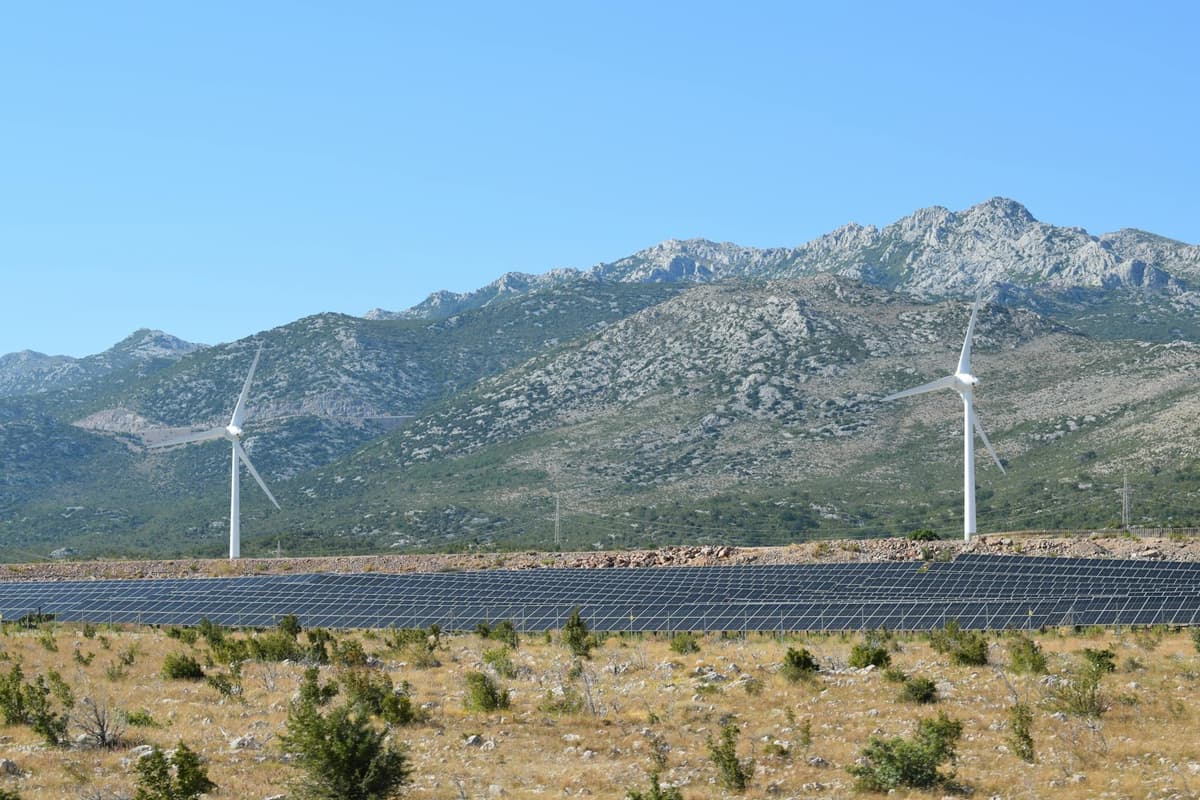
Norway’s Sovereign Wealth Fund — Built Entirely From Oil Revenue — Is Now the Single Largest Investor in the Global...
Norway’s Government Pension Fund Global, built from oil and gas revenues since 1996, now owns roughly 1.5 % of every publicly traded company, covering about 9,000 firms worldwide. The fund’s principal is untouchable, with only projected returns used for the national...
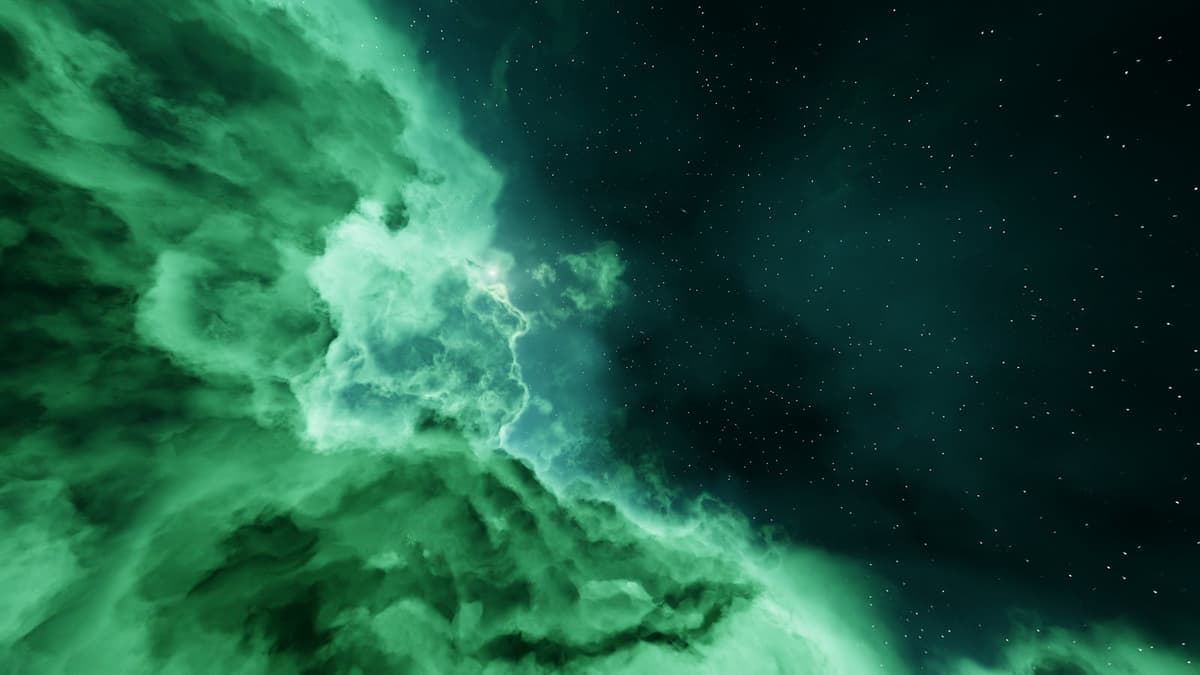
The Water in Your Coffee This Morning Is Older than the Sun, Formed in Interstellar Clouds Before the Solar System...
Scientists confirm that roughly half of Earth’s water originated in cold interstellar clouds long before the Sun formed, making the water in a morning coffee older than our star. The key evidence comes from the deuterium‑to‑hydrogen (D/H) isotopic ratio, a...
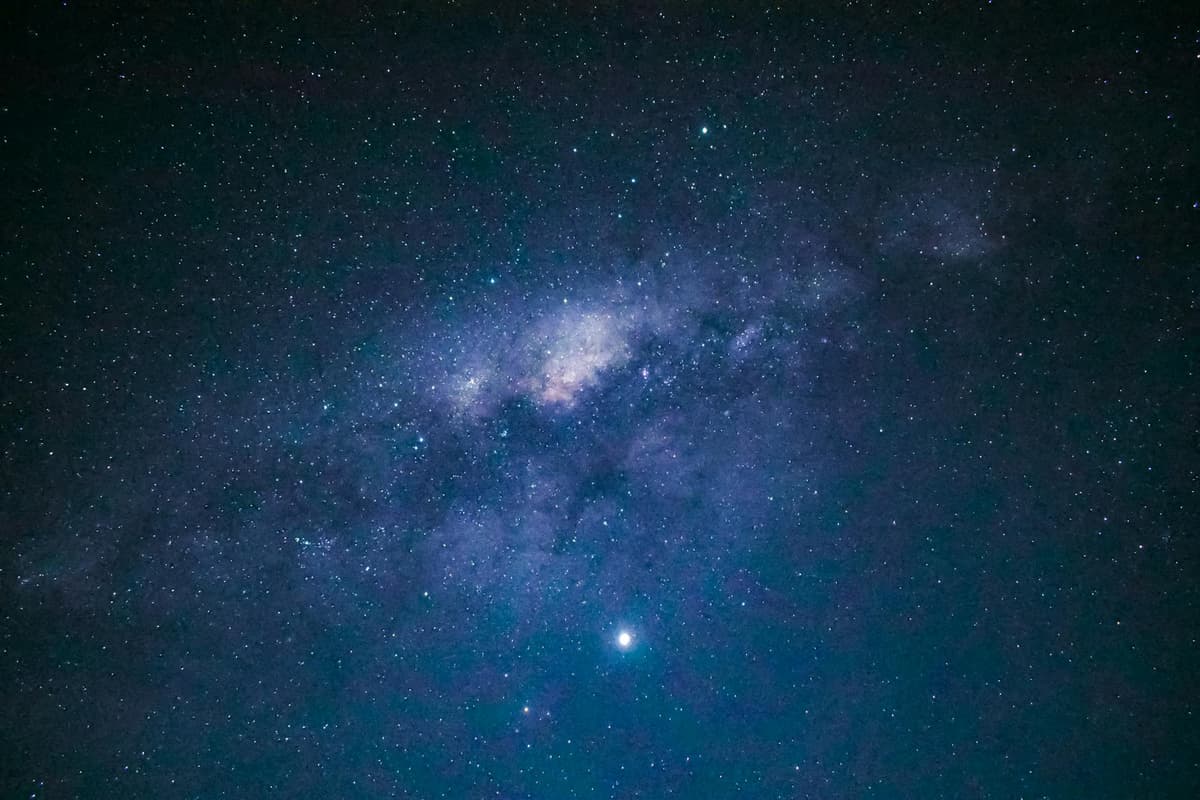
The Supermassive Black Hole at the Centre of the Milky Way Has a Mass of 4 Million Suns, and the...
The Milky Way’s central object, Sagittarius A*, has a mass of roughly 4 million suns, a figure derived from the orbital motions of nearby stars rather than a direct measurement. Our solar system orbits the galactic center at about 514,000 mph (230 km/s), completing...

There Is a Moment Near Death, Documented in EEG Recordings of Dying Patients, when the Brain Produces a Coordinated Burst...
Recent EEG studies have documented a brief, coordinated surge of high‑frequency gamma activity in the brains of some patients minutes after cardiac arrest and in anesthetized rats during induced death. The gamma bursts reach amplitudes several times higher than those...

The ISS Travels at 17,500 Miles per Hour, Which Means Astronauts Inside It Are Aging Measurably Slower than People on...
NASA’s year‑long mission showed that the International Space Station’s orbital speed of about 17,500 mph creates a measurable relativistic time‑dilation effect. Astronaut Scott Kelly, after 340 days aboard the ISS, was calculated to be roughly five milliseconds younger than his identical...
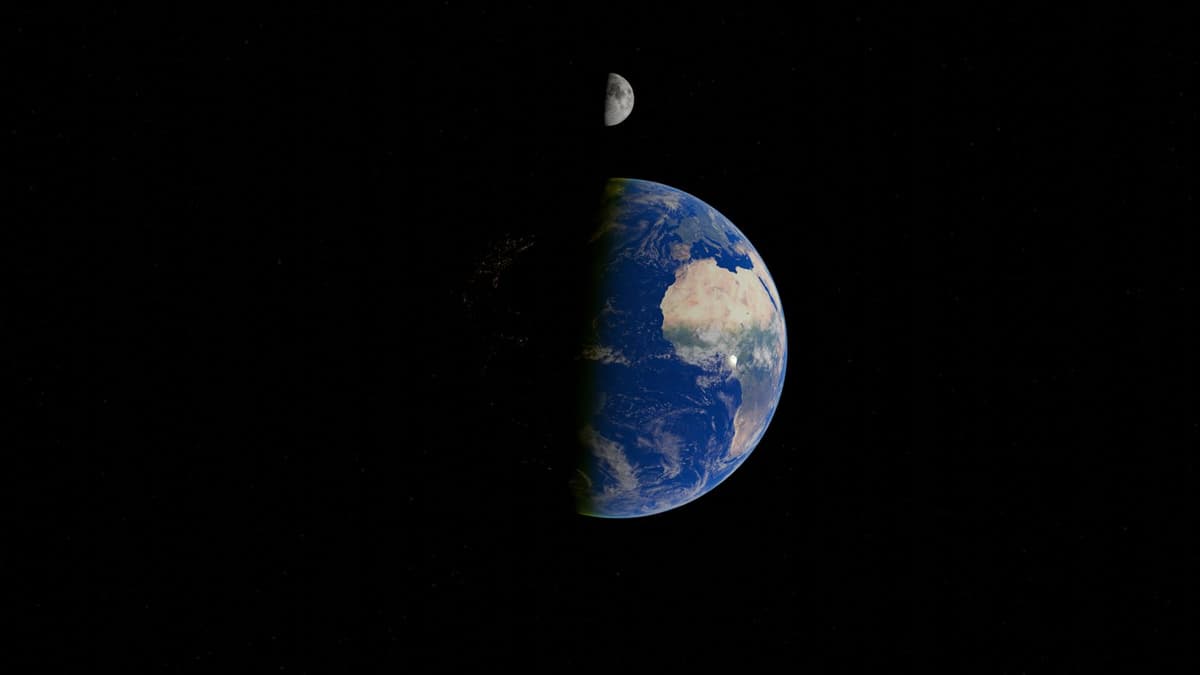
The Apollo Astronauts Left Behind Retroreflectors on the Lunar Surface that Scientists Still Bounce Lasers Off Today, and the Round-Trip...
Apollo astronauts installed passive retroreflector arrays on the Moon in 1969, 1971 and 1972. Modern laser stations fire picosecond pulses at these mirrors, timing the round‑trip to within a few centimeters. The data show the Moon is receding from Earth...
Neutron Stars Are so Dense that a Sugar-Cube-Sized Piece Would Weigh as Much as Mount Everest — and They Spin...
Neutron stars compress about 1.4 solar masses into a 20‑km sphere, yielding densities near 4 × 10¹⁷ kg/m³—so a cubic‑centimeter would weigh roughly 160 billion kg, comparable to Mount Everest. The fastest known millisecond pulsar, PSR J1748−2446ad, rotates at 716 Hz, completing 700 revolutions each second, a...

The Gold in Your Ring Formed Before Earth Existed — and the Atoms in that Small Band Are Older than...
Gold atoms in a wedding ring were forged long before Earth existed, created in extreme astrophysical events that produce the rapid neutron‑capture (r‑process) elements. The first direct proof came from the 2017 neutron‑star merger GW170817, whose kilonova ejecta likely contained...