Tech Xplore Robotics
Covers the latest news on robotics science and technology
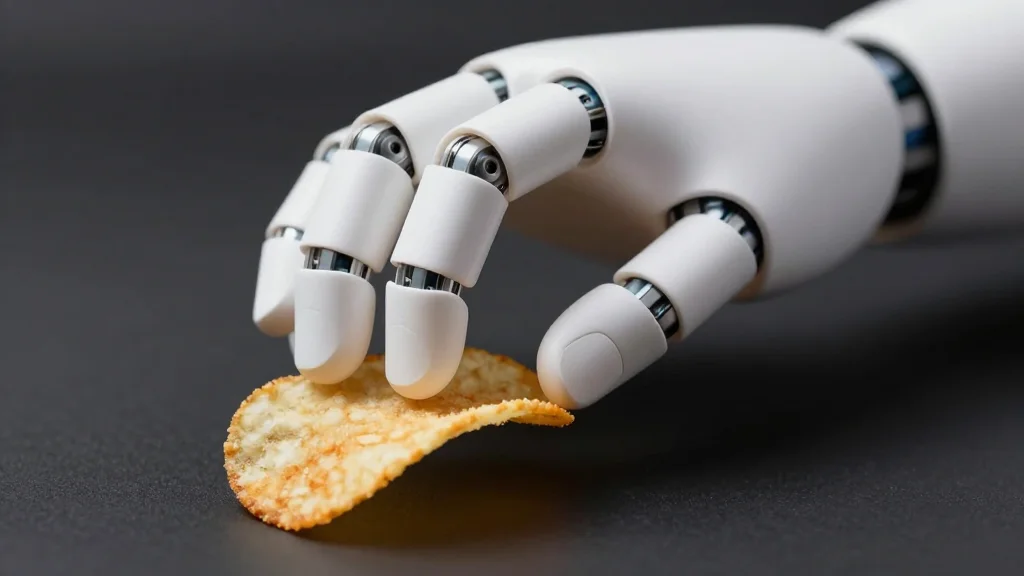
Robot Hands so Sensitive They Can Grab a Potato Chip
Researchers at the University of Texas at Austin unveiled FORTE, a tactile‑sensing robotic hand that can delicately grasp items as fragile as potato chips and raspberries. The soft‑robotic fingers use 3‑D‑printed air channels to detect pressure changes, providing real‑time slip feedback. In tests on 31 objects, FORTE achieved a 91.9% single‑trial success rate and identified 93% of slips with 100% precision. The team released the designs open‑source, targeting food processing, healthcare, and precision manufacturing.
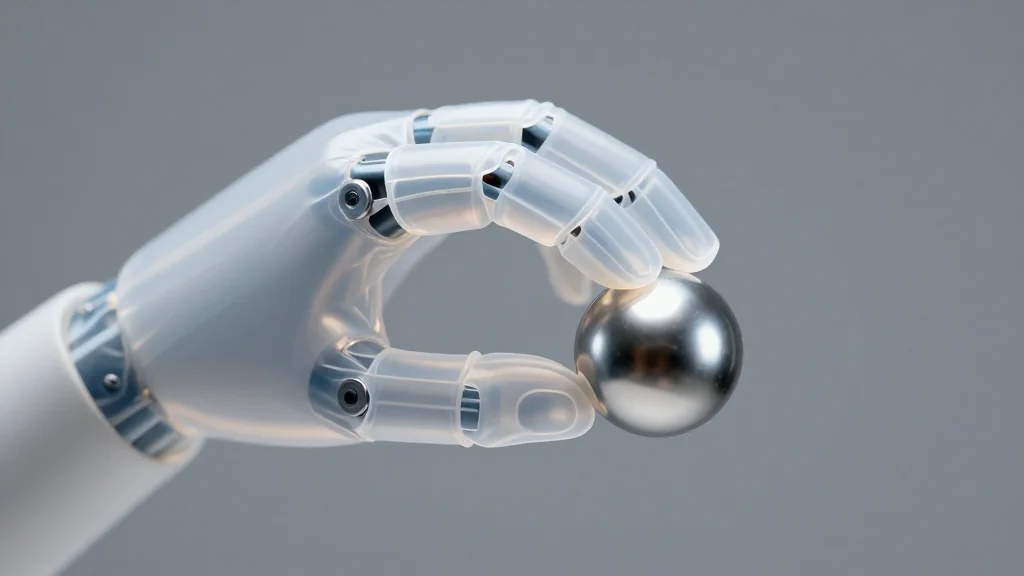
New Ultra-Low-Cost Technique Could Slash the Price of Soft Robotics
Oxford engineers have unveiled an ultra‑low‑cost method to fabricate soft‑robotic actuators using vacuum‑sealed plastic pouches and a laser cutter. The process creates functional actuators in under 10 minutes at a material cost of less than $0.10 each. Demonstrations include a...
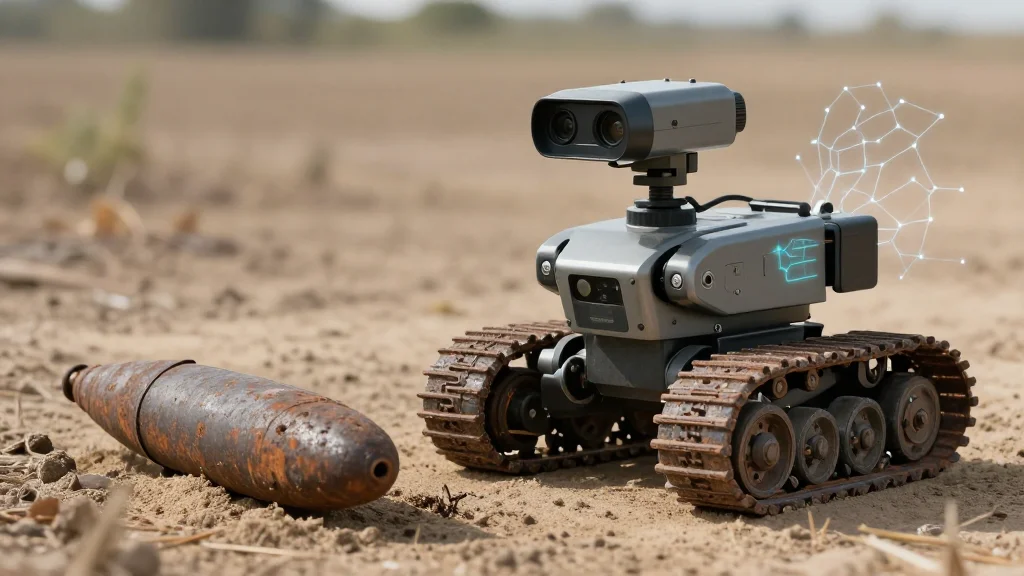
Researchers Are Combining Drones and AI to Make Removing Land Mines Faster and Safer
Researchers at Rochester Institute of Technology have combined drone‑borne multisensor imaging with artificial intelligence to dramatically speed up land‑mine detection while reducing risk to human deminers. Their field trials showed that drone‑mounted magnetic sensors match ground‑based accuracy and can survey...
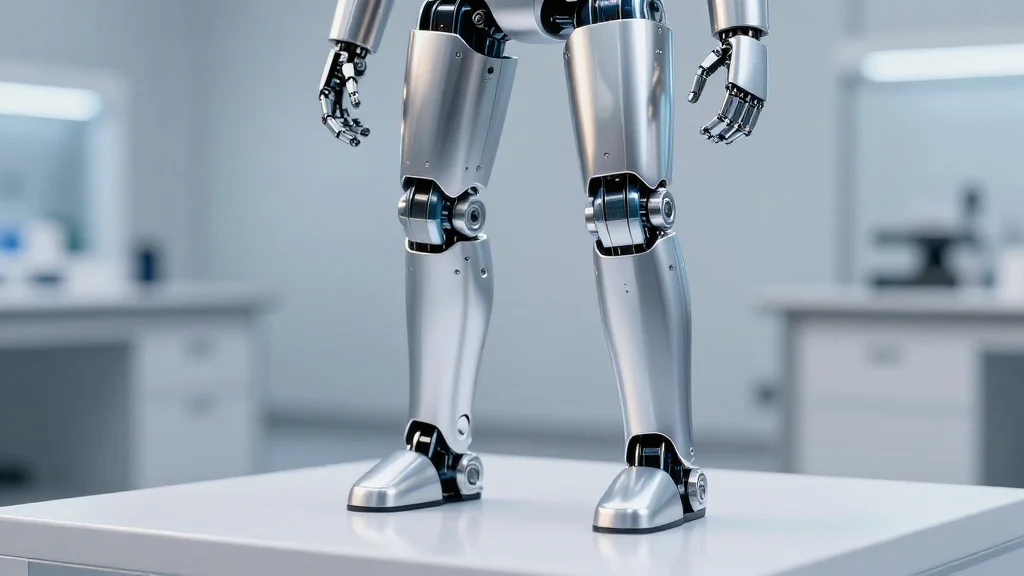
Humanoid Robots Master Parkour and Acquire Human-Like Agility
Researchers at Amazon Frontier AI & Robotics and UC Berkeley unveiled Perceptive Humanoid Parkour (PHP), a framework that lets the Unitree G1 humanoid robot perform dynamic parkour using onboard perception. By combining motion‑matching with a teacher‑student reinforcement‑learning pipeline, a single visuomotor...
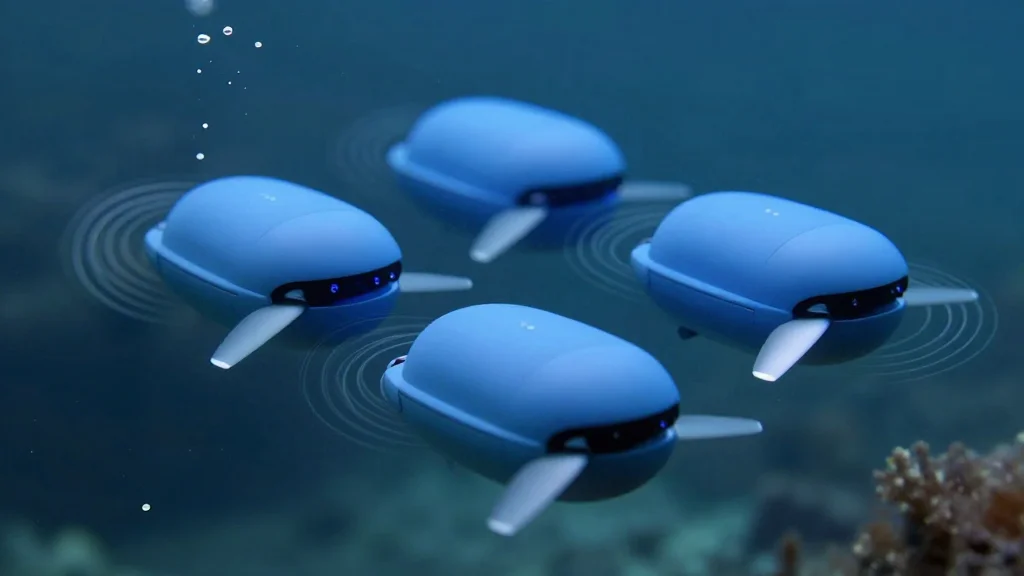
Bio-Inspired Methods Help Guide Coordination in Underwater Robot Swarms
A new review of 446 papers from 2001‑2025 shows underwater swarm robotics gaining rapid traction. Researchers highlight bio‑inspired coordination rules—drawn from fish schools and predator‑prey dynamics—as a way to overcome the latency and bandwidth limits of acoustic communication. The study...
Will AI Drones, Robots and Wearable Sensors Revolutionize Workplace Safety?
Artificial intelligence‑enabled wearables, drones and robots are poised to transform occupational health and safety, especially in high‑risk sectors such as construction, mining and oil‑gas. Real‑time monitoring of posture, fatigue, noise and hazardous exposure can alert workers before injuries occur, while...
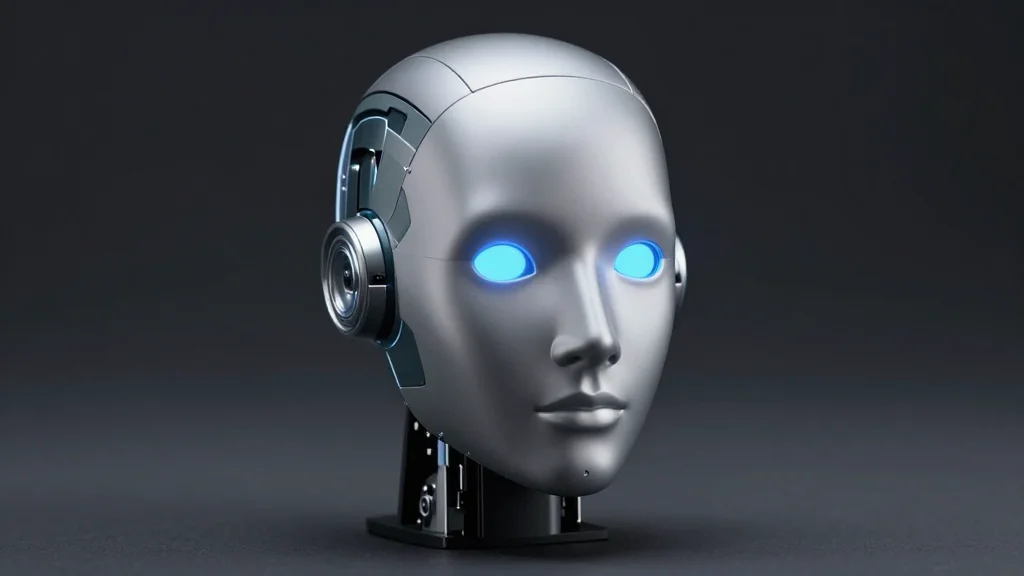
Hardware for Humanoid Robots: New Perspectives for Industrial Value Creation in Europe
Humanoid robots are emerging as a high‑growth market that could outpace the automotive sector, especially in Europe where manufacturers are seeking new value streams. A Fraunhofer‑IPA and P3 white paper reveals a fragmented hardware landscape lacking standardized architectures, with key...
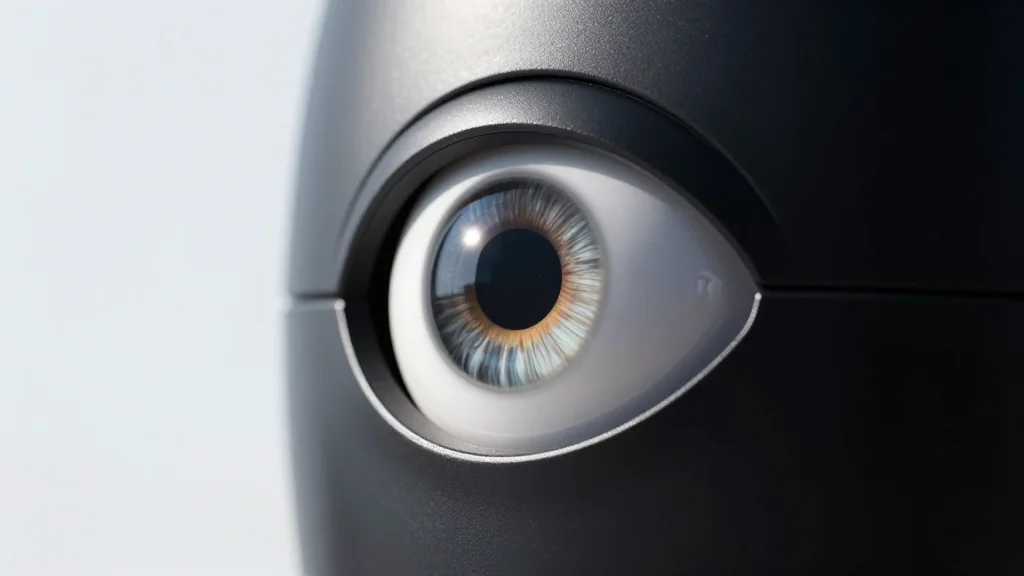
Bioinspired Robot Eye Adjusts Its Pupil to Handle Harsh Lighting
Researchers have built a bioinspired robot eye that uses a liquid‑metal actuator to mimic the pupillary light reflex. The hemispherical sensor array provides an ultra‑wide field of view, while electrical spikes from light‑sensitive material expand or contract the artificial pupil....
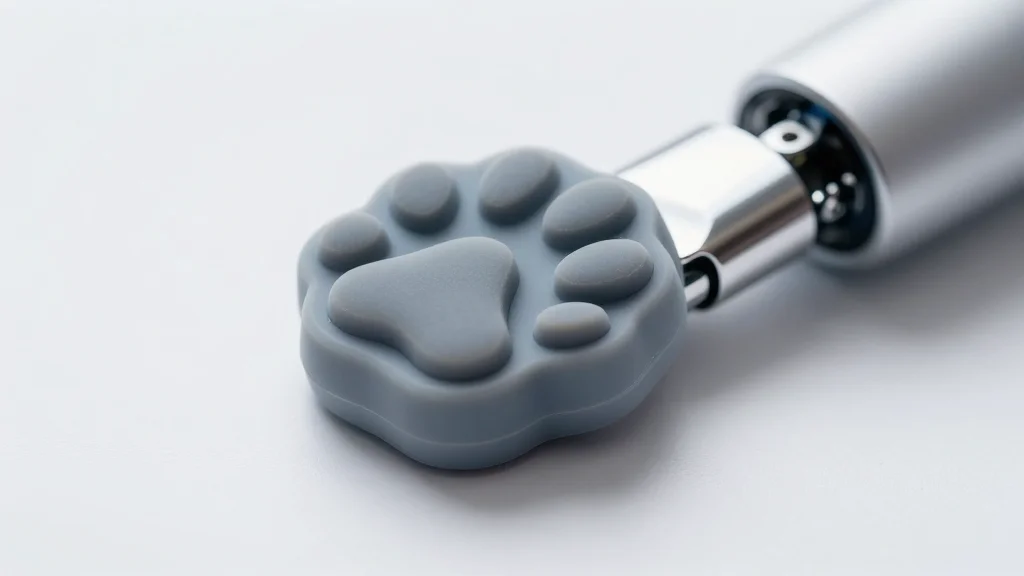
Simulated Cats and Elephants with Touch-Based Memory Help Usher in New Age of Robotics
King’s College London researchers unveiled SimTac, a physics‑based simulator that models biomorphic tactile sensors such as cat paws and elephant trunks. By generating virtual training data, SimTac slashes the prototype development cycle from roughly eighteen months to a few weeks....
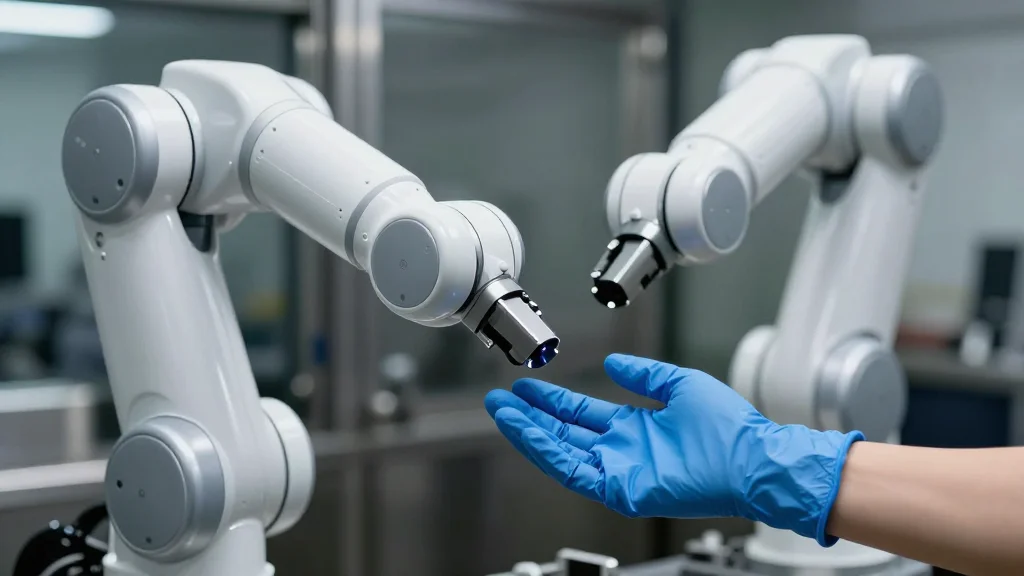
Brain-Like Chips and LIDAR Sensors May Enable Safer Human-Robot Teamwork
Fraunhofer researchers unveiled NeurOSmart, a system that fuses high‑resolution LIDAR sensing with neuromorphic AI chips to enable safe human‑robot collaboration. The LIDAR sensor uses MEMS mirrors with AlScN material to create a 3‑D view, while AI algorithms pre‑process data directly...
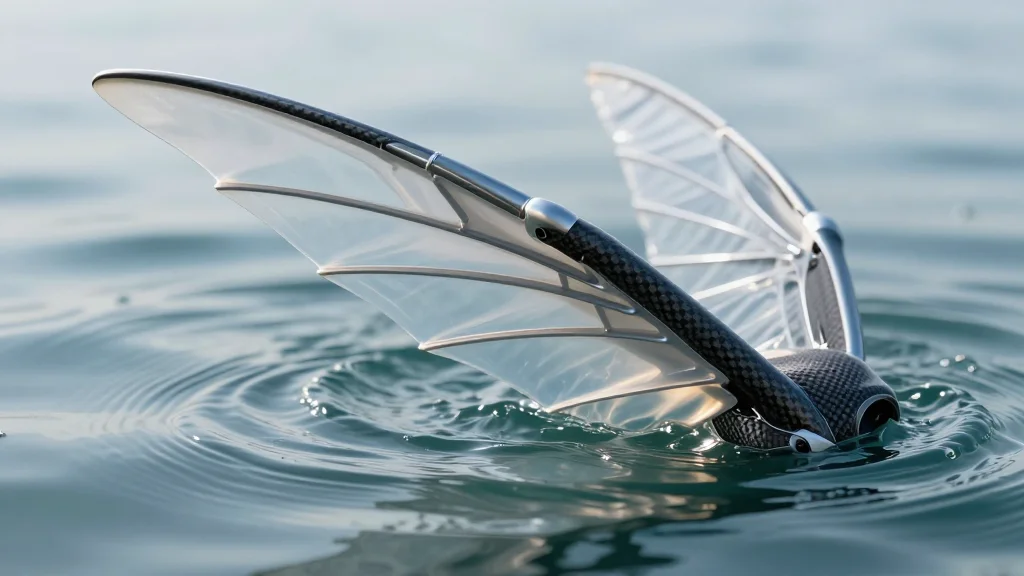
Robotic Wing Inspired by Nature Delivers Leap in Underwater Stability
Researchers at the University of Southampton have created a soft‑robotic wing with a liquid‑metal e‑skin that senses water flow and reshapes itself automatically. In lab tests the wing cut unwanted uplift impulse by 87% versus rigid AUV wings, responded up...
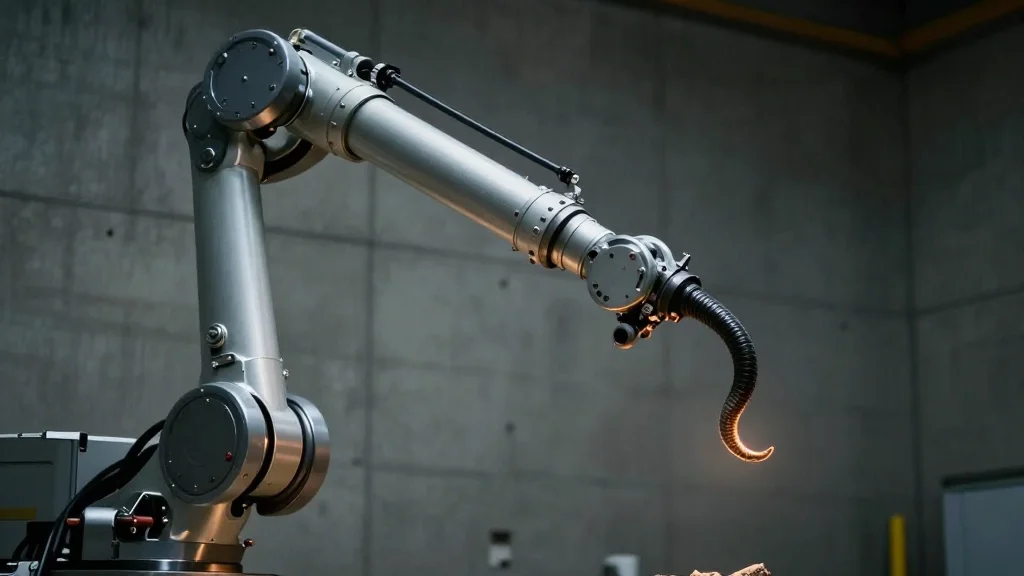
Snake-Like Robot Unveiled for Fukushima Debris Removal
TEPCO unveiled a 22‑metre, 4.6‑tonne snake‑like robot arm designed to retrieve radioactive debris from Fukushima Daiichi. The device can crawl through narrow tunnels, capture visual data, and is slated for a third trial removal later this year. Fukushima still houses...
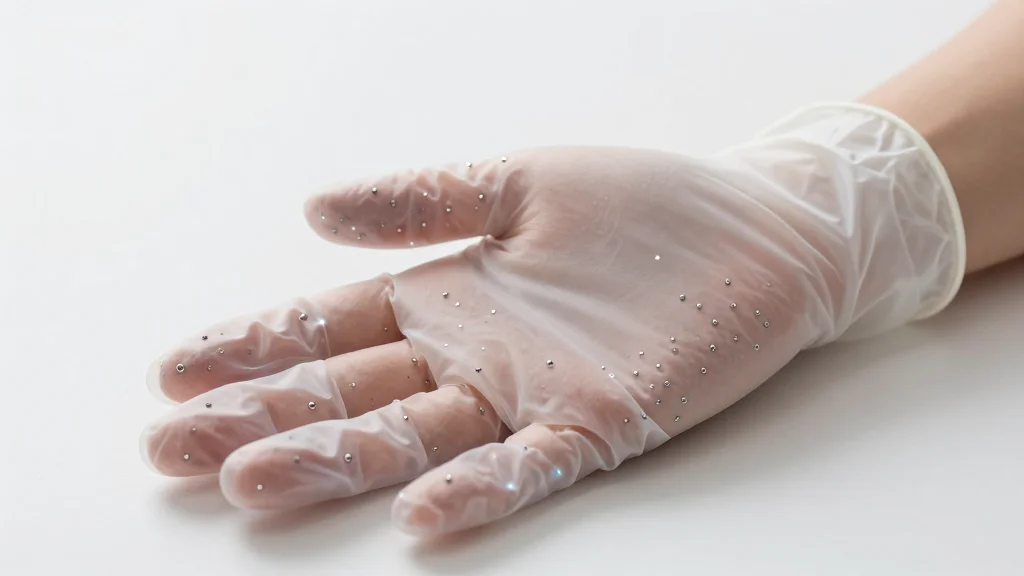
Soft-Robotic Glove Uses 37 Actuators to Cut Hand Swelling by up to 25%
Cornell researchers unveiled EdemaFlex, a soft‑robotic glove equipped with 37 shape‑memory‑alloy actuators that apply sequential pressure across all five fingers and the palm. In a small home‑use study of seven edema patients, a single 30‑minute session reduced hand volume by...
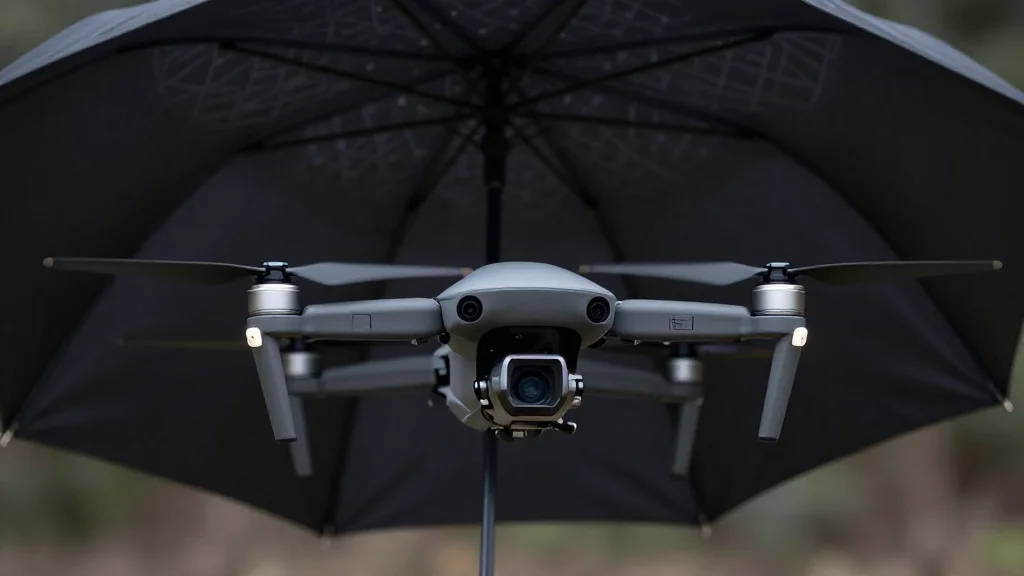
Researchers Expose Critical Security Vulnerability in Autonomous Drones
UC Irvine computer scientists have uncovered a critical flaw in camera‑based autonomous target‑tracking drones, dubbed the FlyTrap attack. By attaching a specially designed visual pattern to an ordinary umbrella, attackers can trick drones into believing the target is receding, causing...

Rise of the Rice Robots—Creating Active Smart Materials
Researchers at the University of Birmingham discovered that packed rice grains weaken when compressed rapidly—a phenomenon called rate softening. By combining rice‑based granular units with sand, they engineered a speed‑sensitive metamaterial that stiffens or bends depending on loading speed, all...
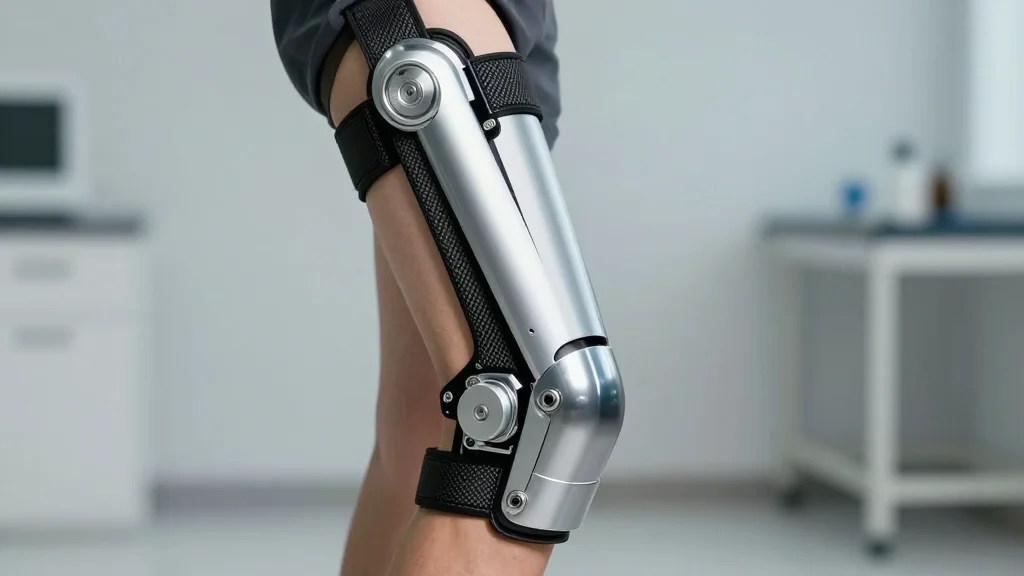
Engineers Demonstrate Lightweight 'Exoskeleton' That Helps Stroke Survivors Walk
Engineers at the University of Utah unveiled a 5.5‑pound portable hip exoskeleton that reduces the metabolic cost of walking for stroke survivors with hemiparesis by roughly 18%. The device delivers side‑specific motor assistance synchronized in real time, allowing users to...
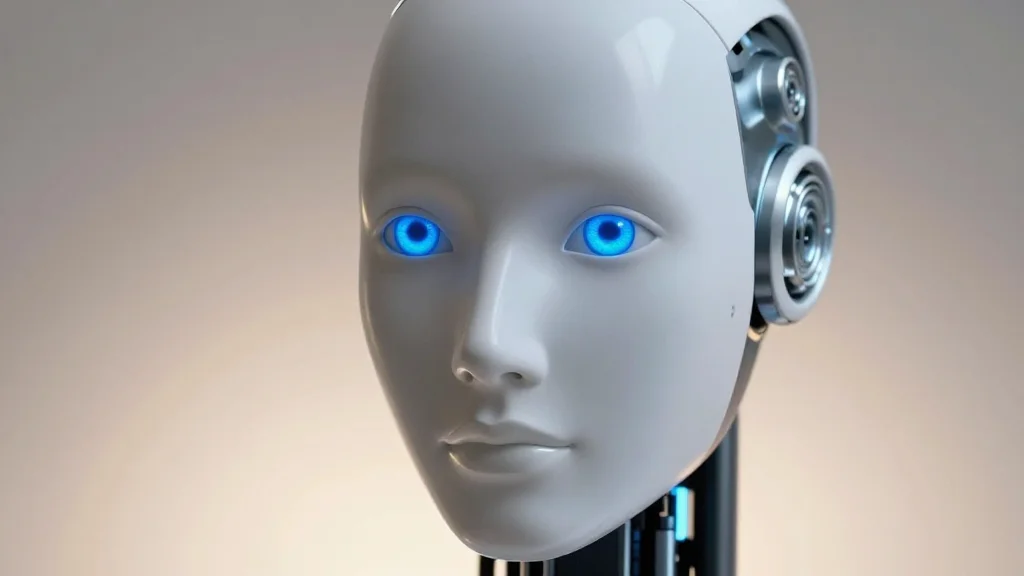
How Eyes Affect Our Perception of a Humanoid Robot's Mind
Researchers at Tampere University and the University of Bremen used AI‑generated images to compare humanoid robots with and without eyes. Participants consistently rated the eye‑equipped robots as possessing higher agency and experience, regardless of age‑like appearance or eye placement. The...
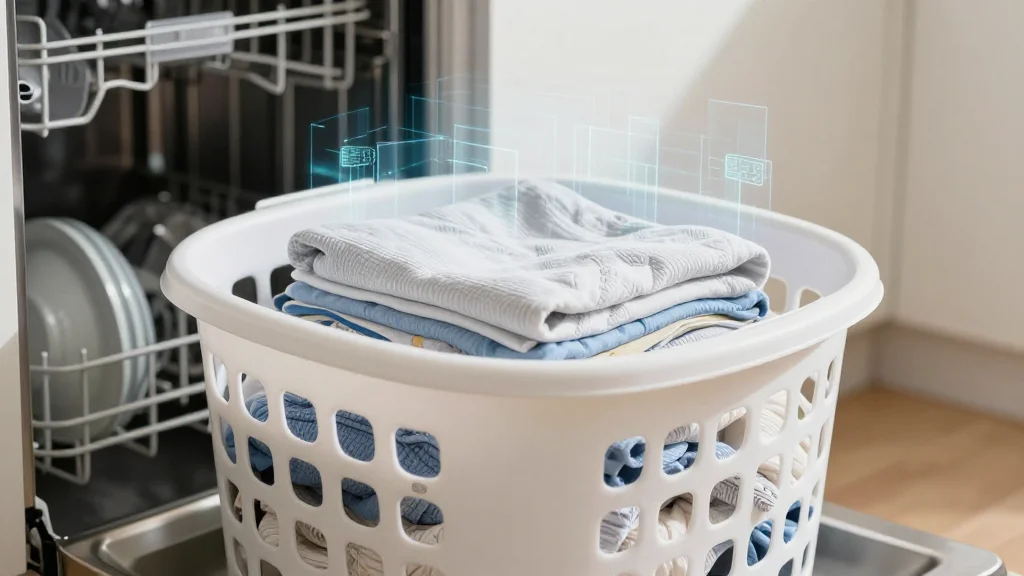
Humanoid Home Robots Are on the Market—But Do We Really Want Them?
Norwegian‑US startup 1X launched Neo, a $20,000 consumer‑ready humanoid robot that can fold laundry and load dishwashers, but it relies on remote operators wearing VR headsets to handle complex tasks. The robot records video of its actions for future AI...
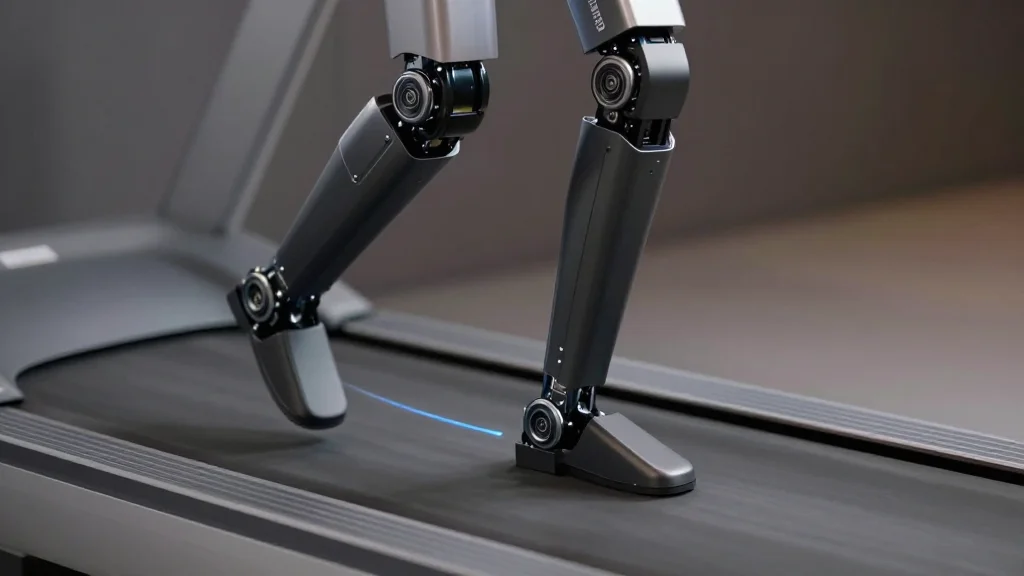
Humanoid Robots that 'Catch Themselves' Instead of Falling: What a New Walking Algorithm Changes
Georgia Tech researchers unveiled a real‑time planning and control framework that lets bipedal robots recover from instability without human input. Implemented on the Cassie robot, the algorithm uses signal‑temporal‑logic‑guided model predictive control to adjust upcoming steps when perturbations are detected....
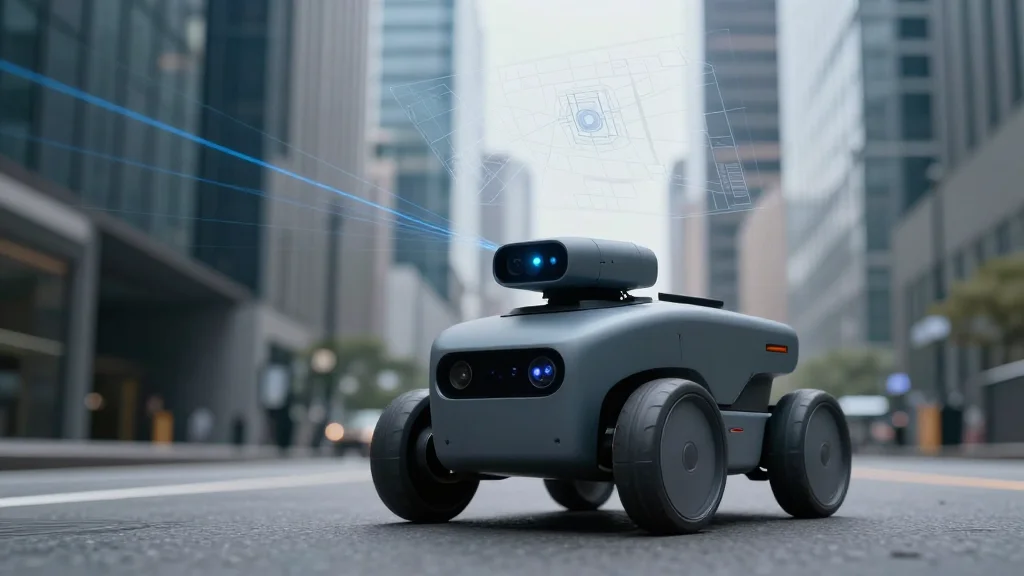
How Can You Rescue a 'Kidnapped' Robot? New AI System Helps Robots Regain Their Sense of Location
Researchers unveiled an AI‑driven localization system that lets mobile robots recover their position when GPS signals are lost or degraded. The system fuses data from onboard cameras, LiDAR, and inertial sensors to create a dynamic map and re‑localize the robot...
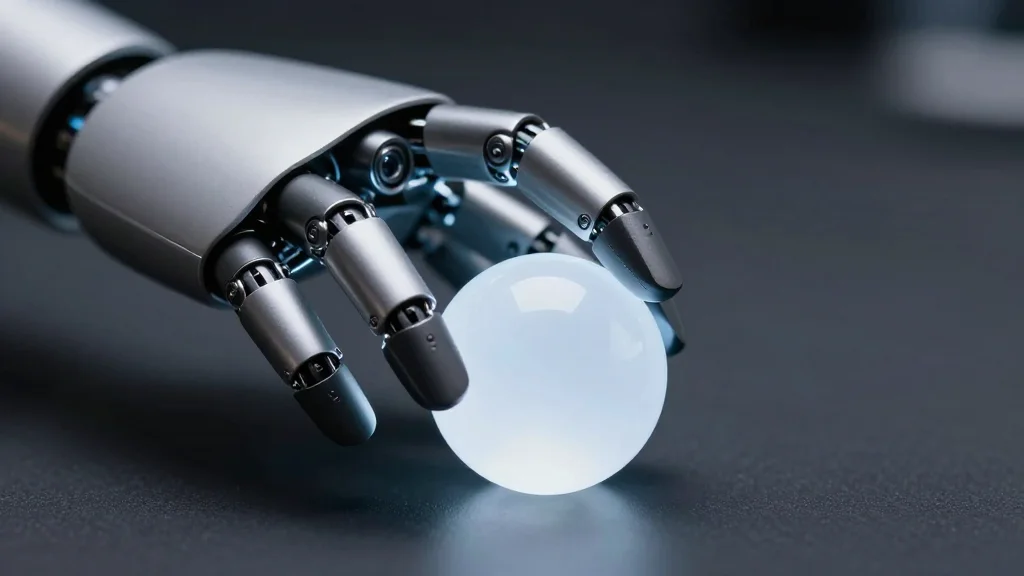
Robot Hand Approaches Human-Like Dexterity with New Visual-Tactile Training
Researchers in China introduced a visual‑tactile pretraining framework that teaches a low‑cost four‑fingered LEAP Hand to manipulate objects with human‑like dexterity. By first watching extensive videos of human hand actions and then training in simulation using only a webcam and...
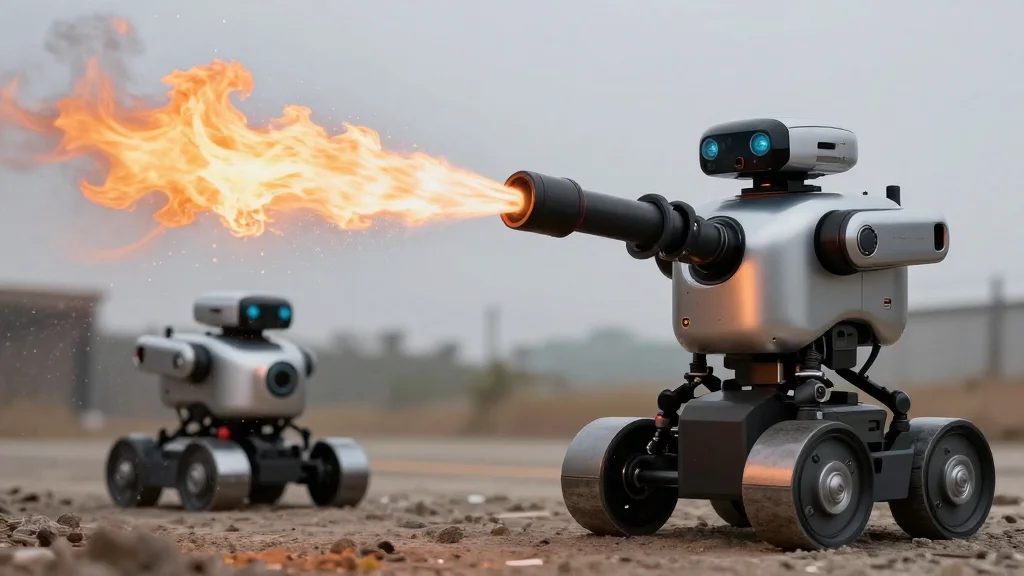
AI Robot Vehicles Learn to Team up and Extinguish Fires in Early Trial
A team of AI‑powered robot vehicles successfully completed a soft trial in which they autonomously located and extinguished simulated fires. The robots coordinated their actions, sharing sensor data to optimize water deployment and movement. Remote operators oversaw the mission, eliminating...
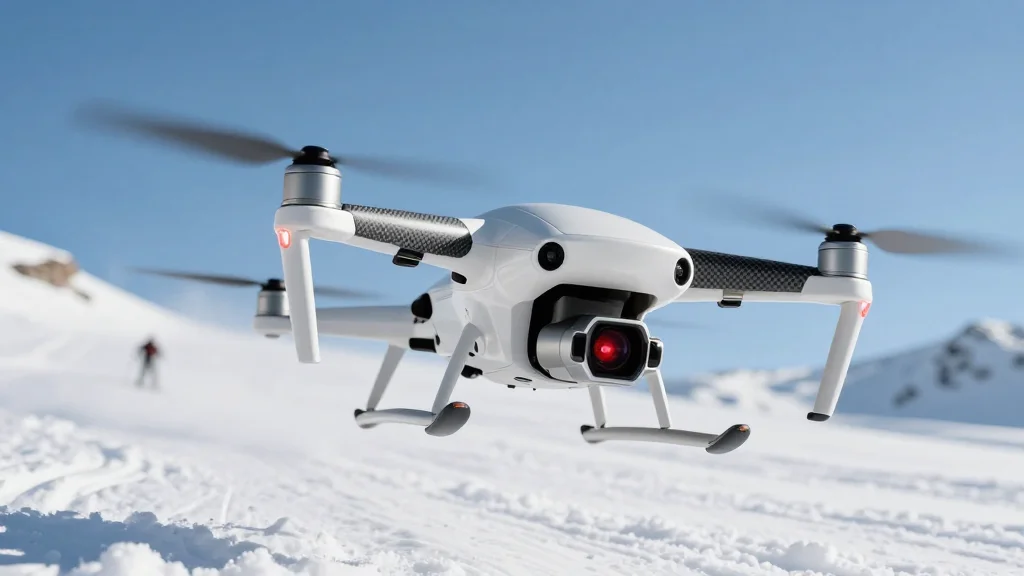
Buzz of the Olympics: How Drone Cams Deliver High-Pace Visuals and Add a New Dynamic for TV Viewers
The Winter Olympics are deploying drone‑mounted cameras to film high‑speed ski events from unprecedented angles. Broadcasters place operators on towers overlooking courses like Cortina, allowing drones to follow athletes in real time. The technology delivers dynamic, immersive visuals that enhance...

The Insect-Inspired Bionic Eye that Sees, Smells and Guides Robots
Researchers at the Chinese Academy of Sciences have engineered an insect‑scale bionic eye that replicates the fruit fly's compound vision and adds a micro‑olfactory sensor. The device captures wide‑angle visuals and detects chemical cues, enabling drones and robots to navigate...

Power of the Collective: Modular Robot Boosts Resilience by Sharing Resources
EPFL researchers have demonstrated a modular robot that boosts resilience by sharing power, sensing, and communication resources among its units. Using a hyper‑redundancy framework, the four‑module Mori3 robot kept moving even when its central module lost battery, sensors, and wireless...
An Assistive Robot Learns to Set and Clear the Table by Observing Humans
Researchers at Universidad Carlos III de Madrid unveiled ADAM, a dual‑arm service robot that learns tasks by watching humans and then coordinates its limbs through Gaussian Belief Propagation. The approach lets each arm acquire skills via imitation learning while maintaining a...
Robots Use Radio Signals and AI to See Around Corners
University of Pennsylvania engineers unveiled HoloRadar, a system that lets robots see around corners by emitting radio pulses and reconstructing hidden 3‑D scenes with AI. Unlike prior non‑line‑of‑sight methods that rely on visible light, HoloRadar operates reliably in darkness and...
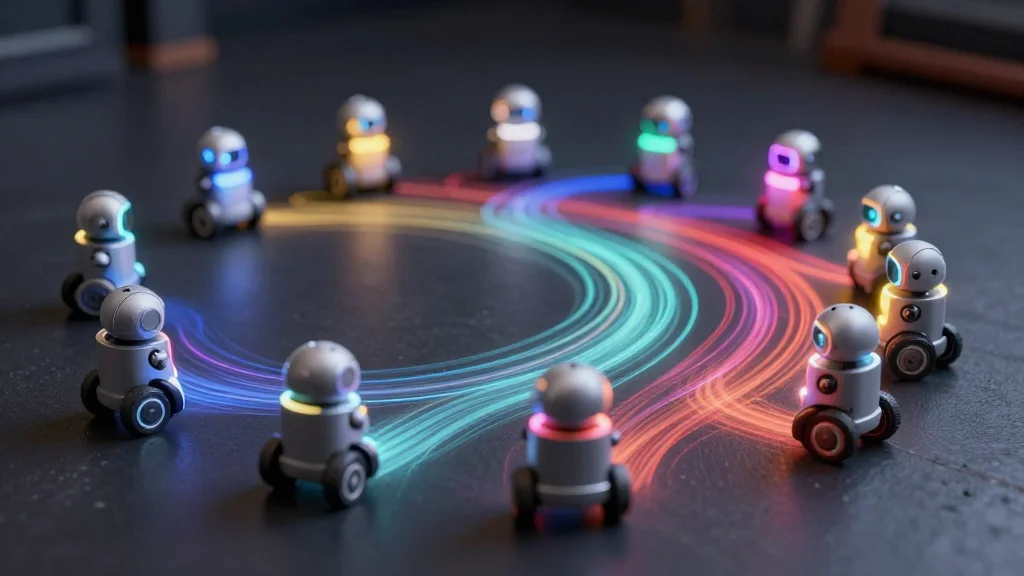
Robot Swarms Turn Music Into Moving Light Paintings
University of Waterloo researchers unveiled a swarm of light‑emitting robots that translate musical features such as tempo and chord progression into moving paint‑like trails on a floor canvas. Up to 12 wheeled robots coordinate in real time, adjusting color, intensity...

Robots that Keep Moving when Flipped? Sea Star Tube Feet Offer a Blueprint
Researchers at USC’s Kanso Bioinspired Motion Lab have uncovered how sea stars achieve locomotion using decentralized control of hundreds of tube feet. By attaching a 3D‑printed backpack and measuring individual foot responses, they showed each tube foot adjusts adhesion via...
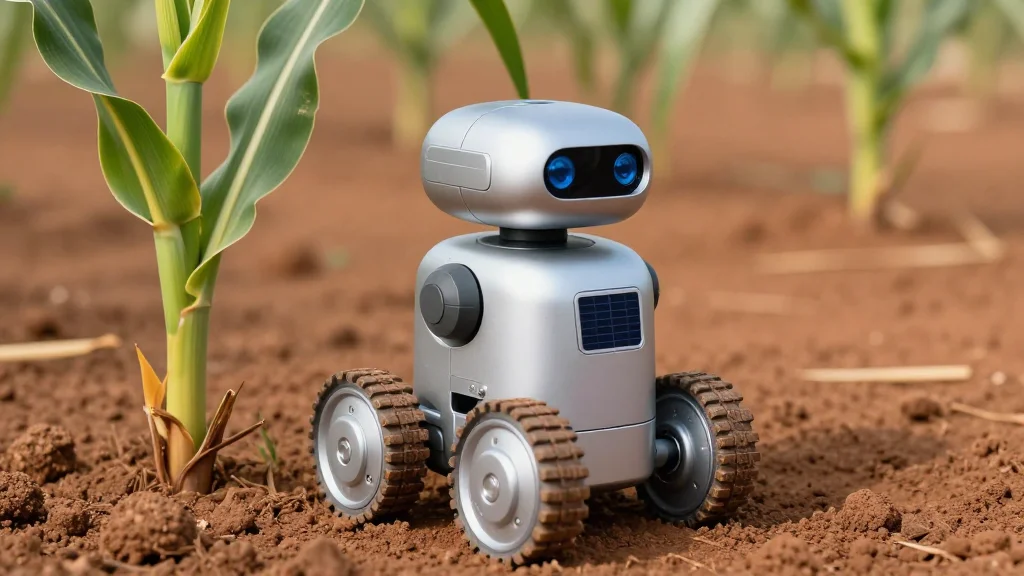
Robotics Build Path From Rural Kenya to World Stage
Jeremiah Kithinji, once a computer‑naïve student, now leads robotics clubs in Laikipia, Kenya. The clubs, serving roughly 200 pupils, recently sent a three‑member team to the World Robotics Olympiad in Singapore, where Kithinji also acted as the competition’s first Kenyan...
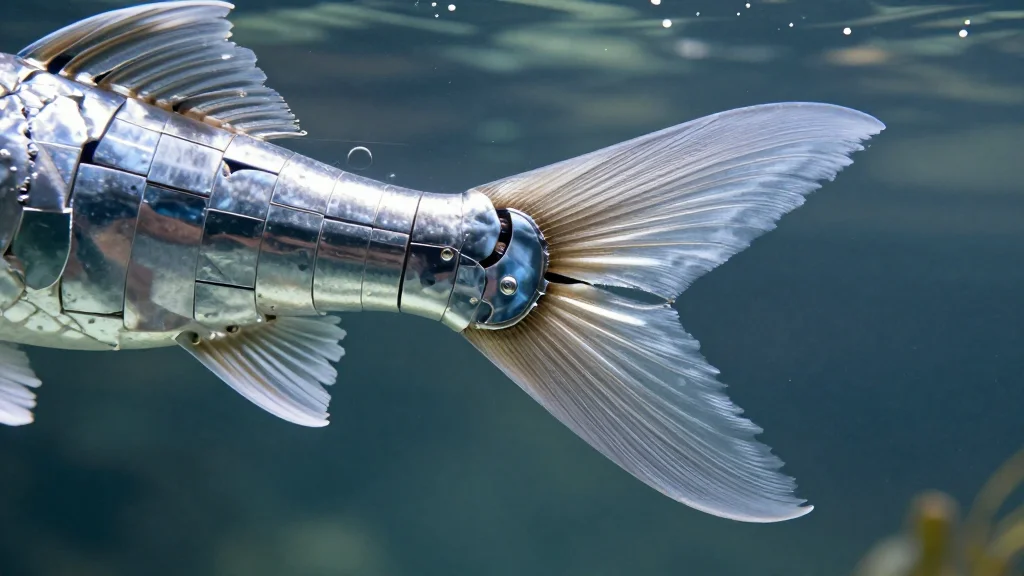
A Programmable, Lego-Like Material for Robots Emulates Life's Flexibility
Mechanical engineers at Duke University have created a Lego‑like material whose individual cells can be switched between solid and liquid states, enabling on‑demand changes in stiffness and damping. By arranging these programmable blocks, the team demonstrated a robotic fish tail...
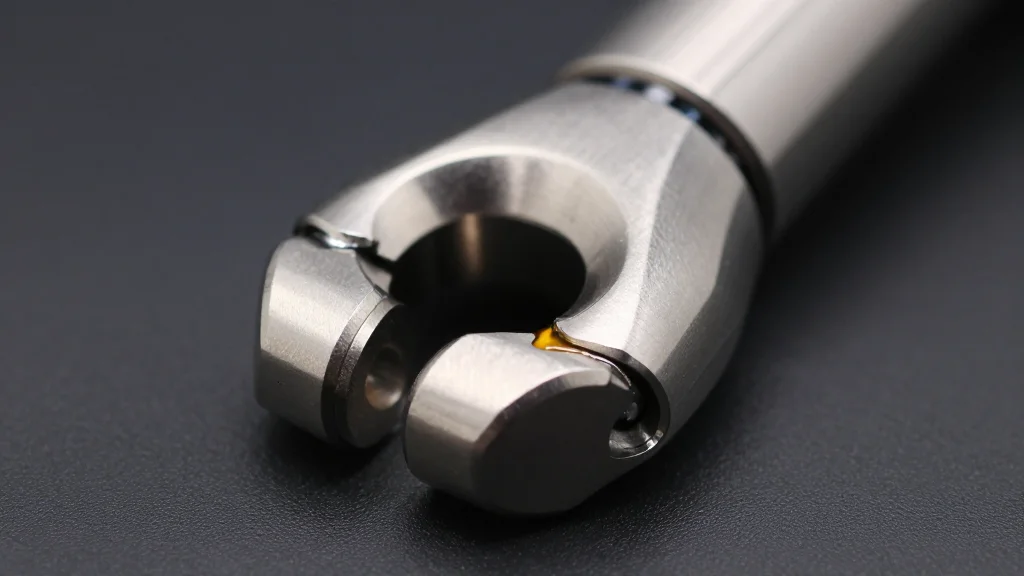
A Mathematical Framework for Optimizing Robotic Joints
Harvard SEAS researchers unveiled a mathematical framework that designs rolling‑contact joints—curved surfaces that roll and glide like a human knee—to meet specific force trajectories. The optimization simultaneously shapes each joint component, embedding task‑specific mechanics directly into hardware. Prototypes demonstrated a...
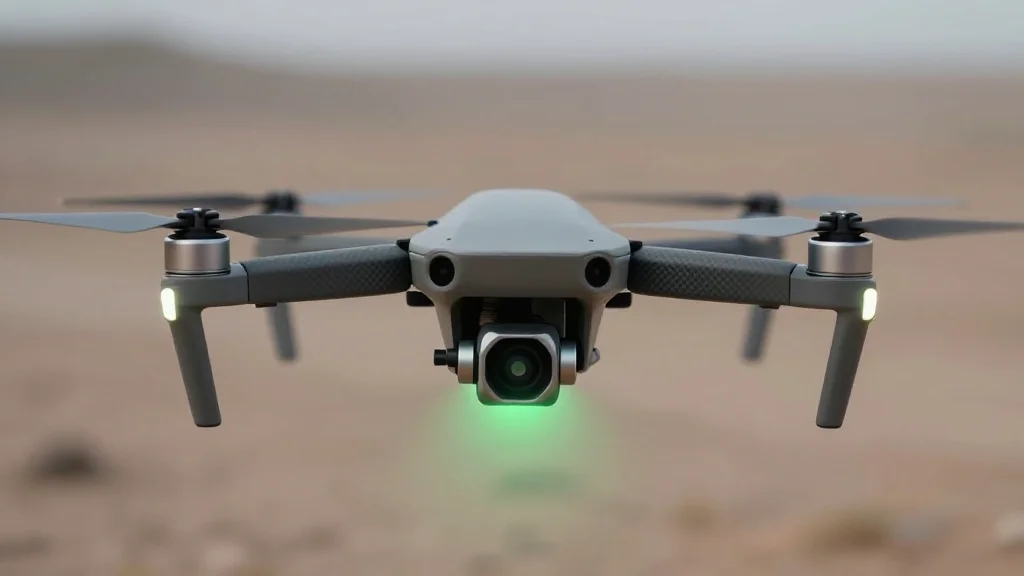
Quickly and Precisely Localizing Radioactive Material with Drones and Robots
Fraunhofer FKIE has built a highly automated unmanned aerial system that can locate radioactive sources within a few metres in just minutes. The drone combines a gamma detector with electro‑optical and infrared cameras, an Intel NUC processor, and advanced sensor‑fusion...
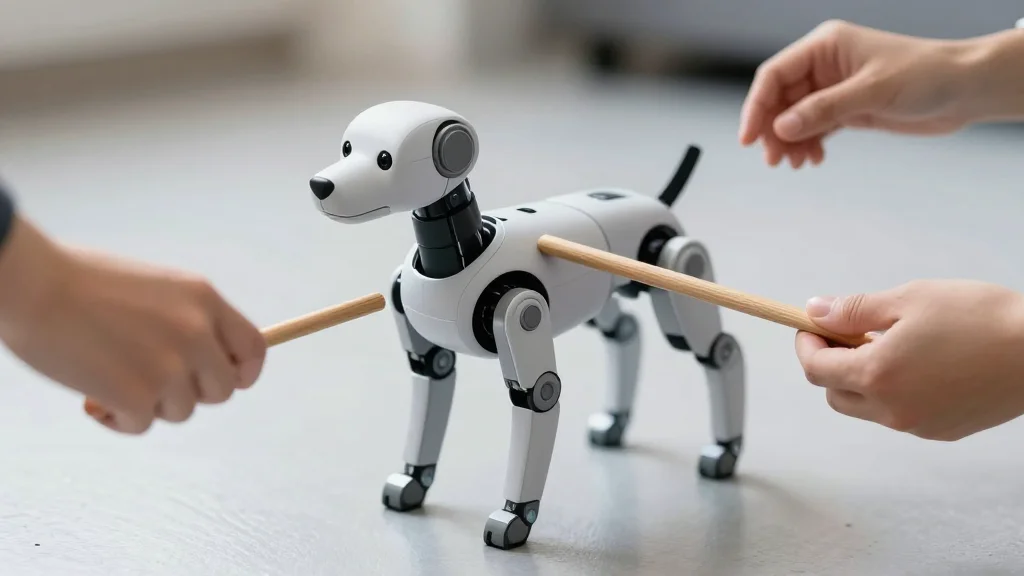
Training Four-Legged Robots as if They Were Dogs
Researchers from Korea University, ETH Zurich and UCLA unveiled a dog‑training‑inspired framework that lets humans teach four‑legged robots using touch, gestures and spoken commands. A training rod serves as a temporary guide, after which the robot responds directly to human...
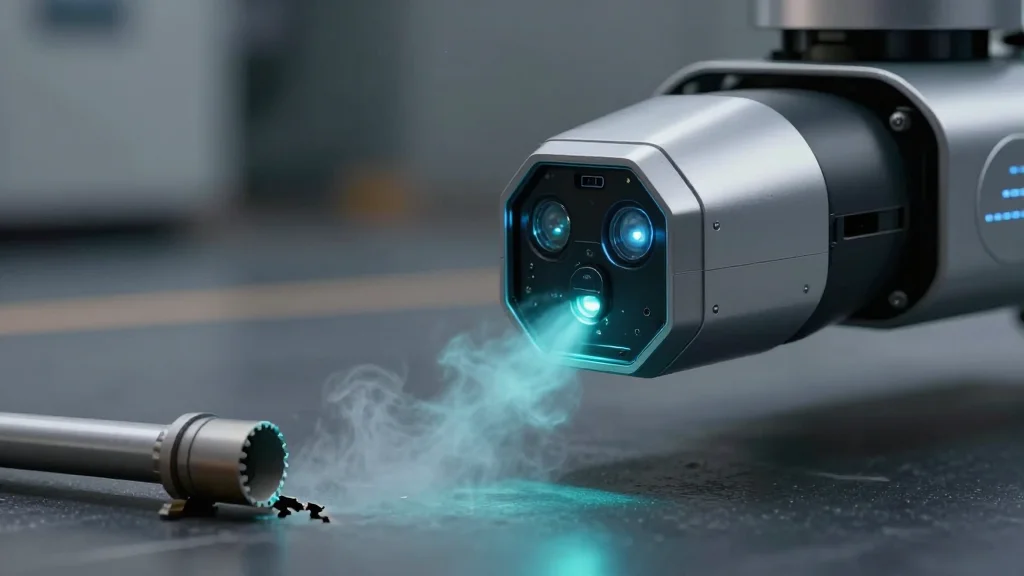
A Smelly Snapshot of the Current State of Electronic Noses for Robots
A new review in npj Robotics details rapid progress in electronic noses for robots, highlighting gains in sensor sensitivity and odor source identification. The analysis shows e‑noses now detect faint chemical signatures and pinpoint their origins more reliably. These capabilities...
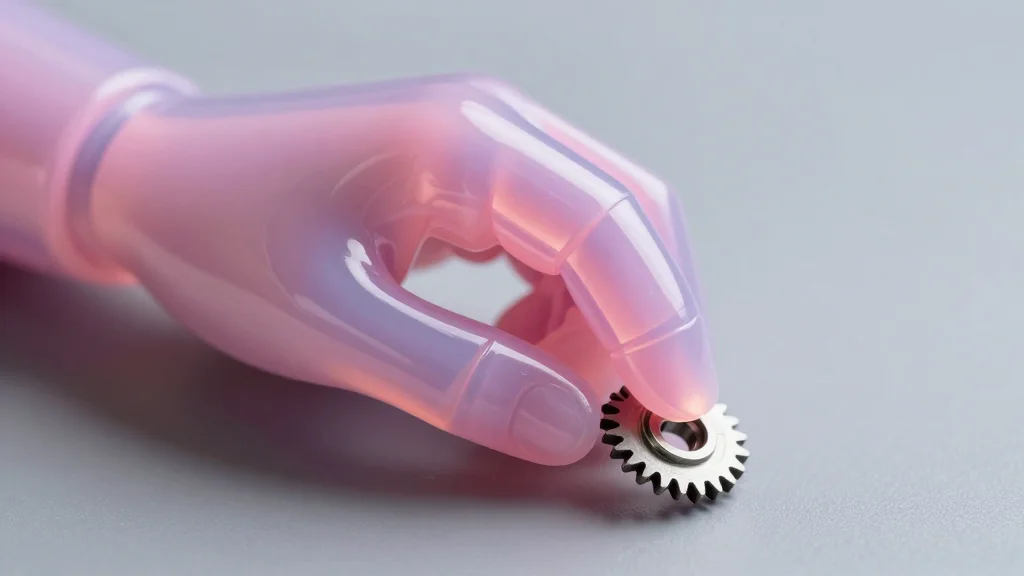
Synthetic 'Muscle' With Microfluidic Blood Vessels Shows Promise for Soft Robotics
Researchers at the University of Nebraska–Lincoln have unveiled a hydrogel‑based actuator that mimics biological muscle by embedding microgel units within a microfluidic circulatory network. The system delivers rapid chemical or thermal stimuli, allowing actuation in non‑aqueous environments and achieving faster...
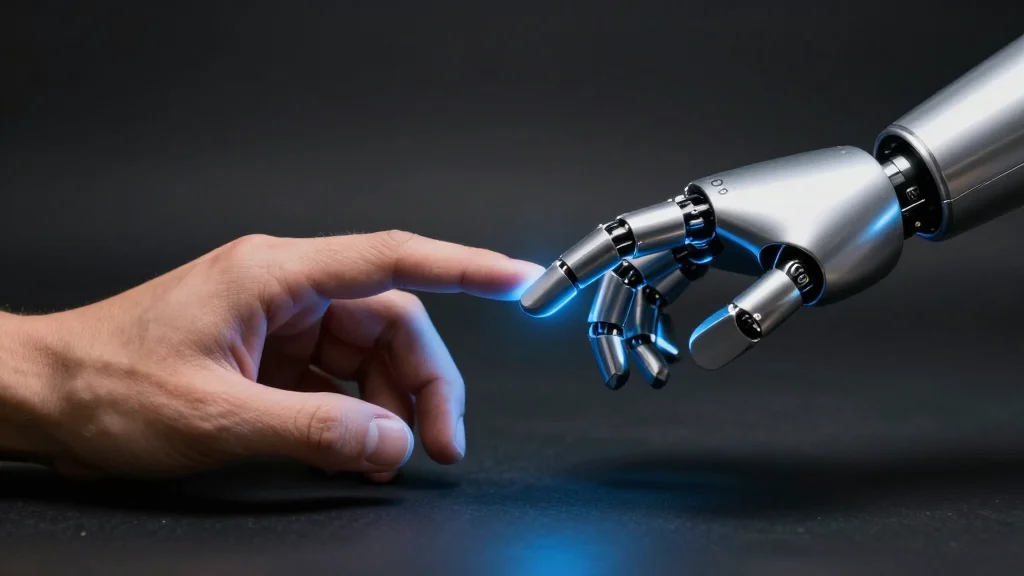
Should Companies Replace Human Workers with Robots? Study Takes a Closer Look
A new study by Binghamton University researchers challenges the prevailing push to replace human workers with robots, arguing that a collaborative, complementary approach yields greater economic value. The research contrasts a "substitute" view with a "complementary" view, finding that firms...
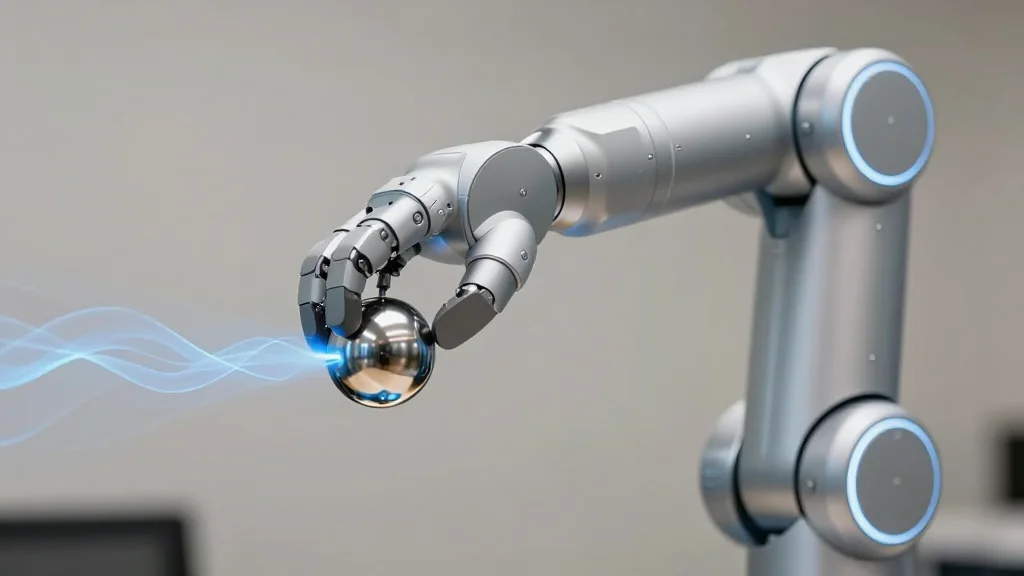
Scientists Develop Advanced Low-Damping Impedance Control for Collaborative Robots
Researchers at the Chinese Academy of Sciences and the University of Liverpool introduced an adaptive jerk control (AJC) method built on a biased sliding surface to achieve low‑damping, high‑stiffness impedance control for collaborative robots. The biased sliding surface continuously characterizes...
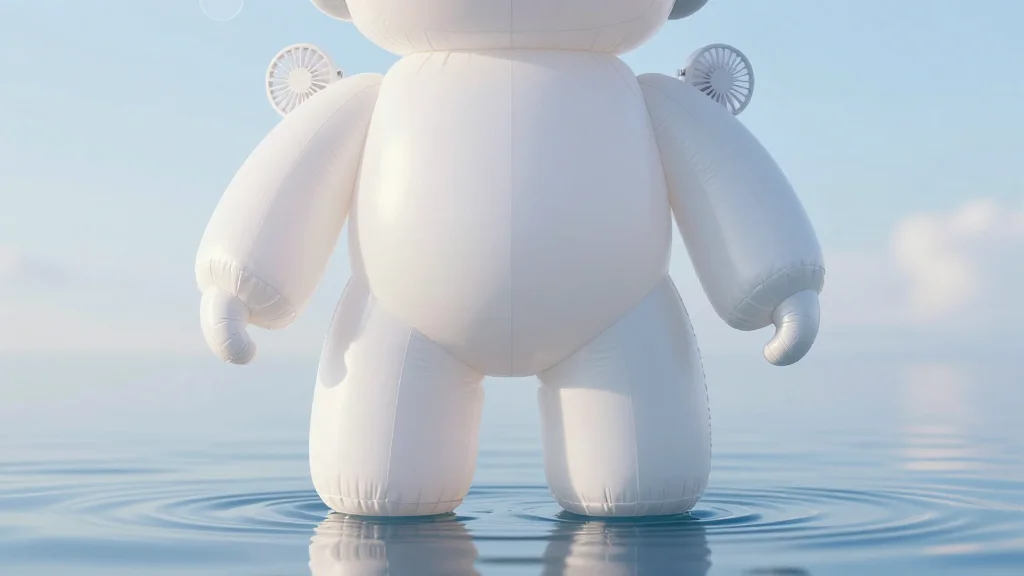
Meet the Soft Humanoid Robot that Can Grow, Shrink, Fly and Walk on Water
Researchers at Southern University of Science and Technology unveiled GrowHR, a soft humanoid robot that can inflate its limbs to more than triple their length and deflate to shrink to 36% of its original height. The robot’s bone‑mimetic, air‑filled chambers...
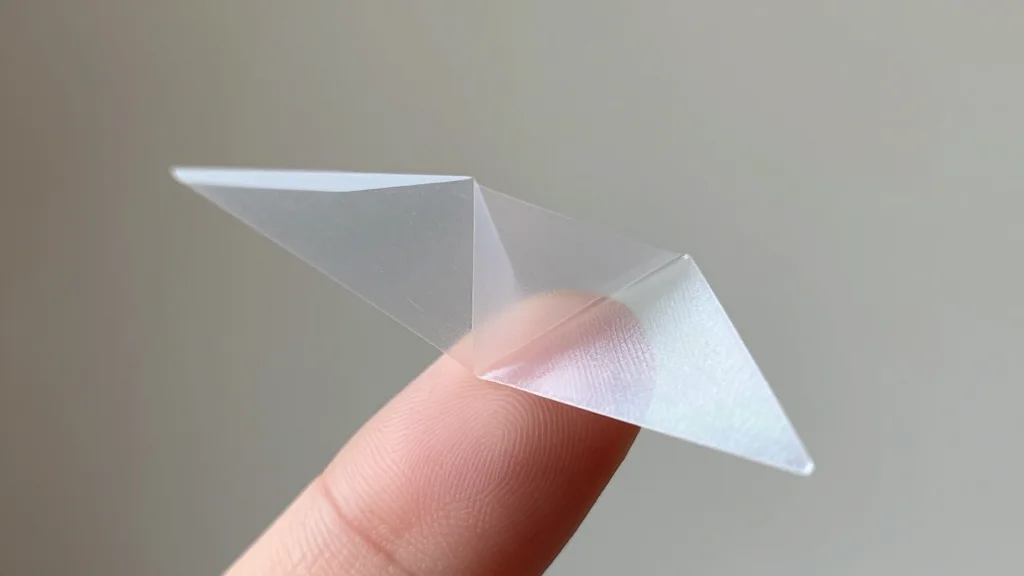
Shapeshifting Materials Could Power Next Generation of Soft Robots
McGill University engineers have created ultra‑thin graphene oxide (GO) sheets that can be programmed to fold, move and sense themselves, mimicking origami. The films are strong, flexible and can be manufactured at scale, with shape changes triggered by humidity or...
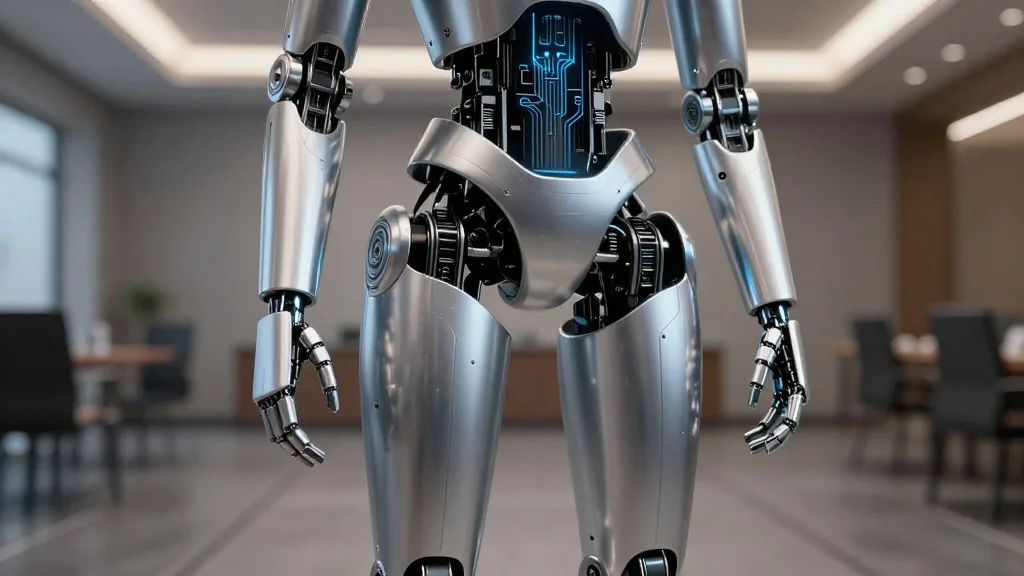
Musk Makes Davos Debut with Promise of Robots for All
Elon Musk made his first appearance at the World Economic Forum in Davos, unveiling an aggressive timeline for his Optimus humanoid robots. He announced that the robots will handle more complex tasks later this year and be available to consumers...
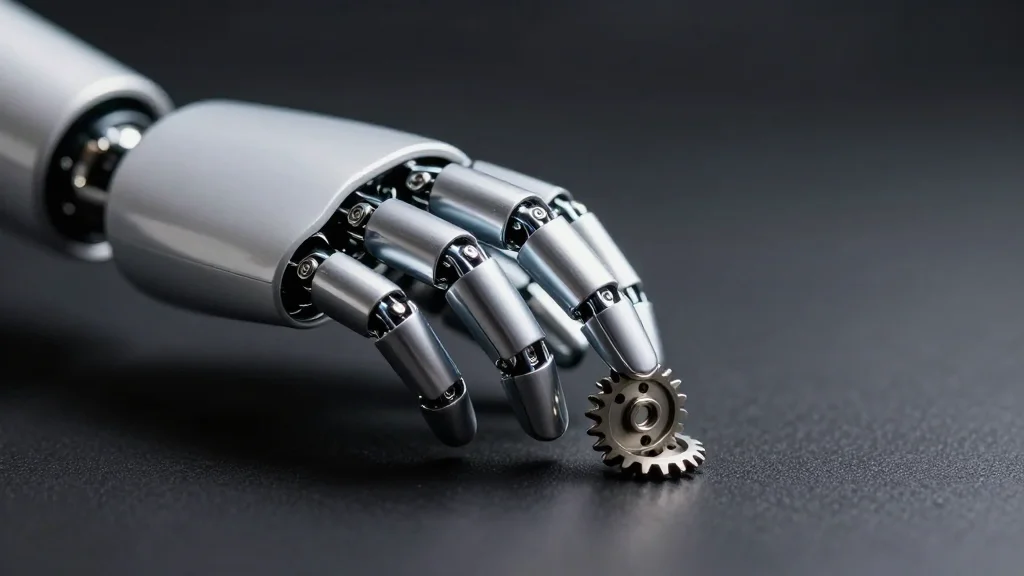
Handy Robot Can Crawl and Pick up Objects From Multiple Angles
Scientists have unveiled a detachable robotic hand that can crawl and grasp objects from either side, breaking the traditional one‑sided design of most manipulators. The hand, available in five‑ and six‑fingered versions with a 16 cm palm, can detach from its...

A Geometric Twist Boosts the Power of Robotic Textiles
EPFL researchers have introduced an X‑Crossing textile architecture that interlaces shape‑memory‑alloy (SMA) fibers in a periodic X pattern, enabling a 4.5‑gram fabric to lift 1 kg when contracted 50 %. The design aligns each fiber crossing with the desired motion, turning individual...
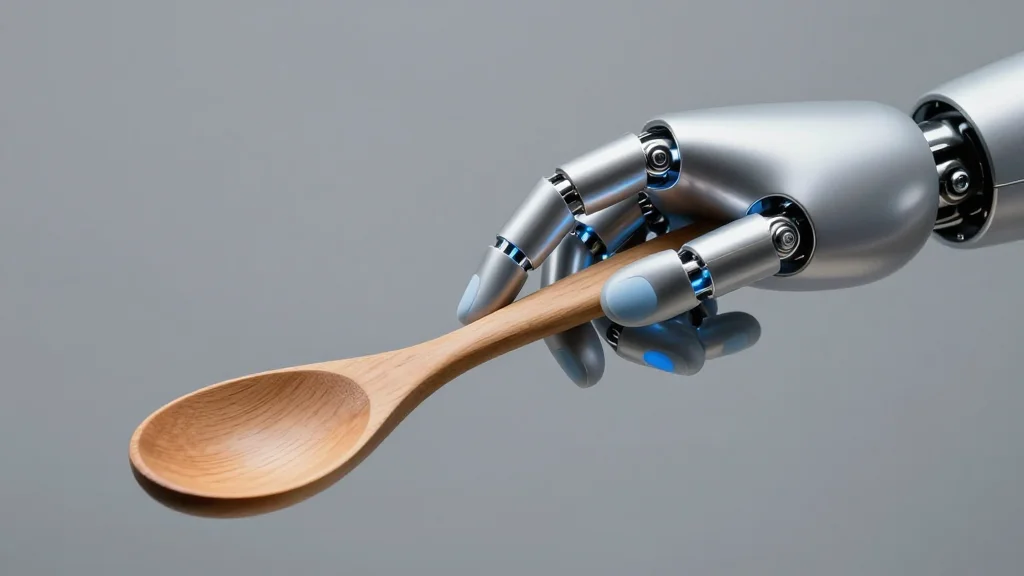
Soft Robotic Hand 'Sees' Around Corners to Achieve Human-Like Touch
Researchers at Zhejiang University unveiled FlexiRay, a soft robotic hand that uses a multi‑mirror optical system to maintain visual contact while bending around objects. The finger’s deformation redirects light, enabling a single internal camera to capture tactile data such as...

Robot Learns to Lip Sync by Watching YouTube
Columbia Engineering’s Creative Machines Lab unveiled a humanoid robot that learns realistic lip‑sync by observing itself and YouTube videos. The robot’s flexible face, driven by 26 micro‑actuators, first mapped its own motor actions via a mirror, then trained a vision‑to‑action...
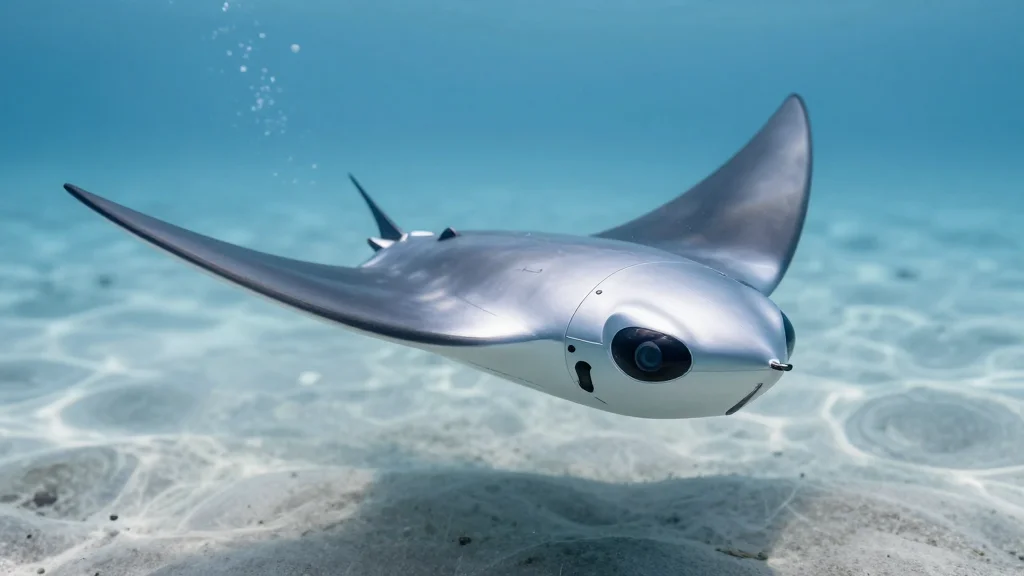
Underwater Robots Inspired by Nature Are Making Progress, but Hurdles Remain
Researchers have released a comprehensive review of bio‑inspired underwater robots, spotlighting ray‑mimicking designs that glide more steadily than traditional propeller‑driven craft. The study examined 47 prototypes, revealing a split in actuation strategies: electric servos dominate larger platforms, while soft electro‑active...
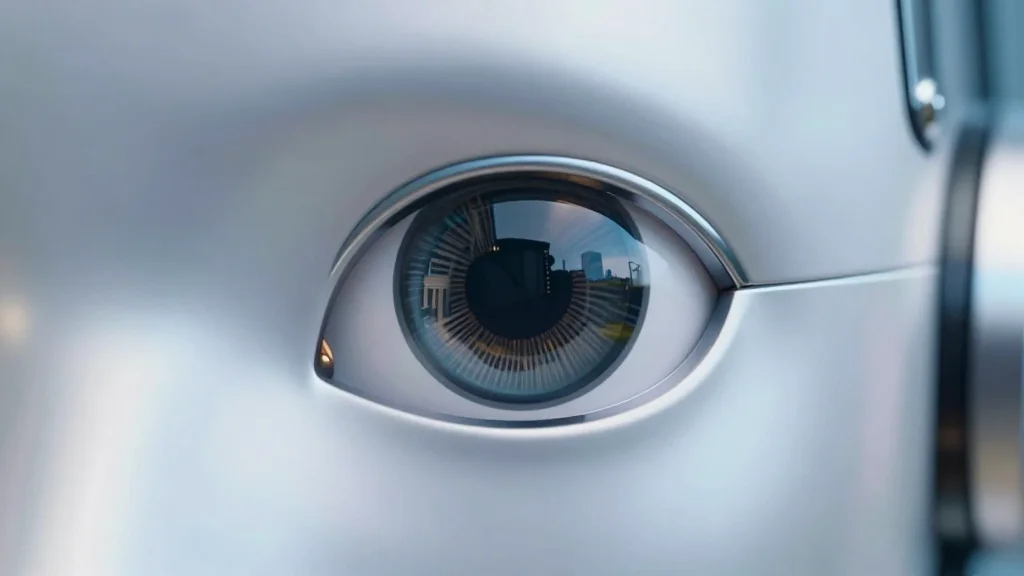
Did that Lamp Just Fold the Laundry? Alumni Rethink Home Robotics
U of T alumni Aaron Tan and Angus Fung have launched Syncere’s flagship product, Lume, a robotic floor lamp that folds laundry and hides its mechanisms when idle. The device blends a luxury lamp aesthetic with compliant motors, 360‑degree sensing, and...
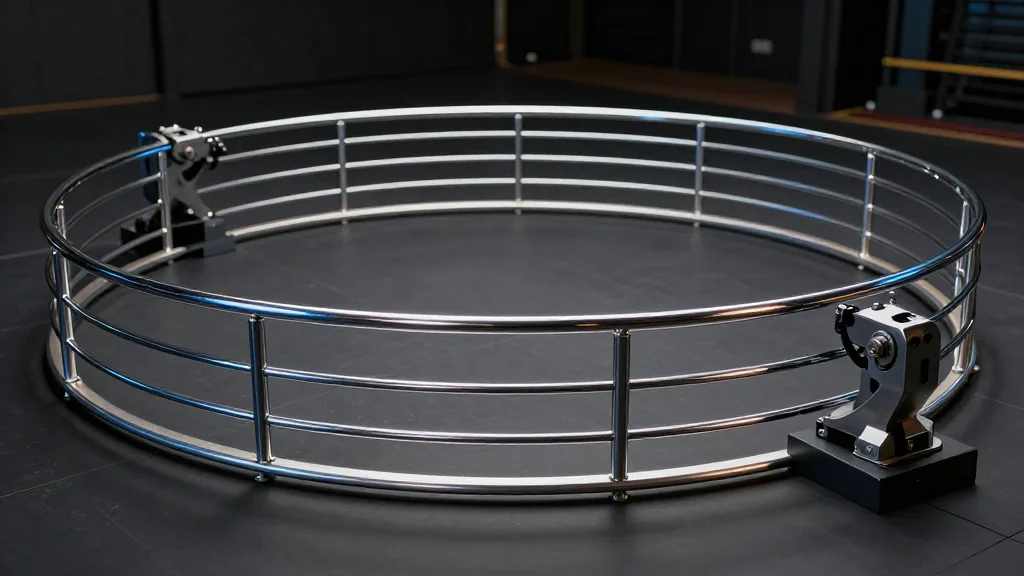
Humanoid Robots Go for Knockout in High-Tech Vegas Fight Night
Humanoid robots stepped into a ring at the Ultimate Fighting Bots showcase on the fringe of CES in Las Vegas, delivering a mixed‑martial‑arts style spectacle. Piloted by humans using motion‑sensing game controllers and real‑time camera tracking, the bots mirrored their...
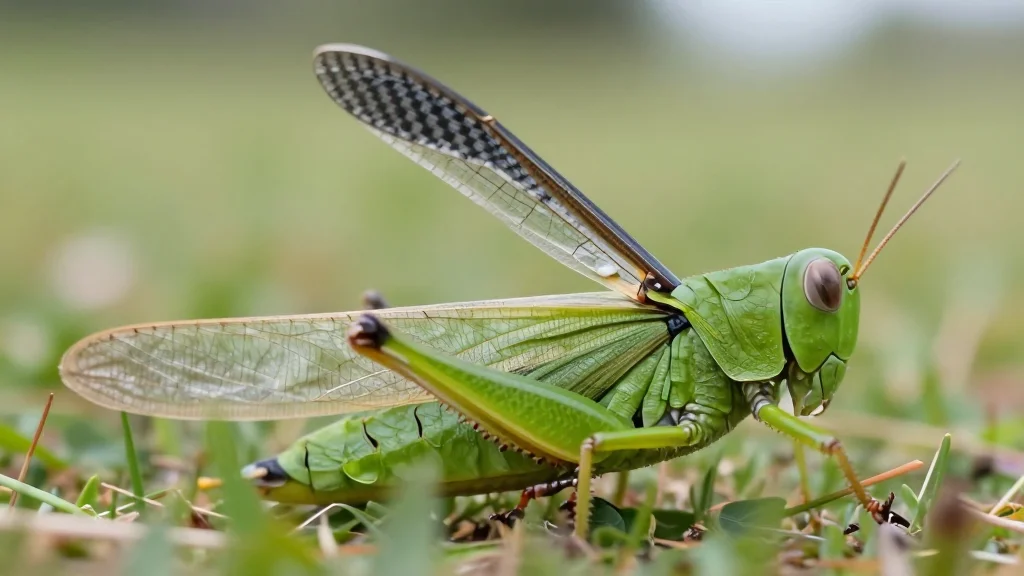
Grasshopper Wings Inspire Gliding Robot Design
Researchers at Princeton and the University of Illinois studied the hindwings of the American grasshopper to inspire untethered gliding robots. Using CT scans they 3D‑printed wing prototypes that varied in corrugation, shape, and smoothness. Tests in water chambers and free‑flight...
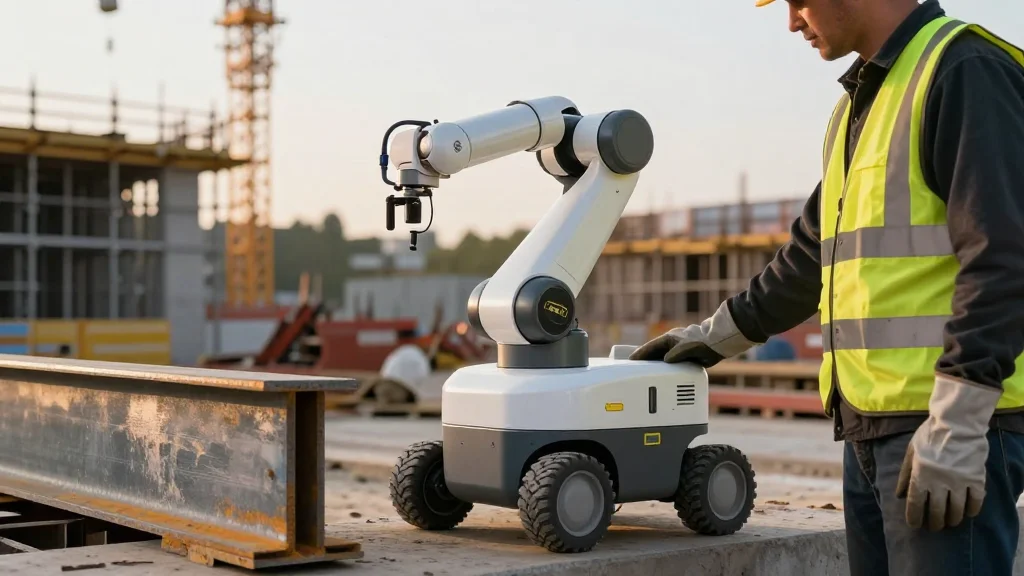
From Individuals to Crews, AI Brings Teamwork Into Construction Productivity Analysis
Researchers at National Taiwan University have unveiled an AI system that automatically identifies construction activities at both individual and crew levels using ordinary site video footage. The multi‑granular framework links worker actions, crew collaborations, and overall site operations, delivering a...