Tech Xplore Robotics
Covers the latest news on robotics science and technology
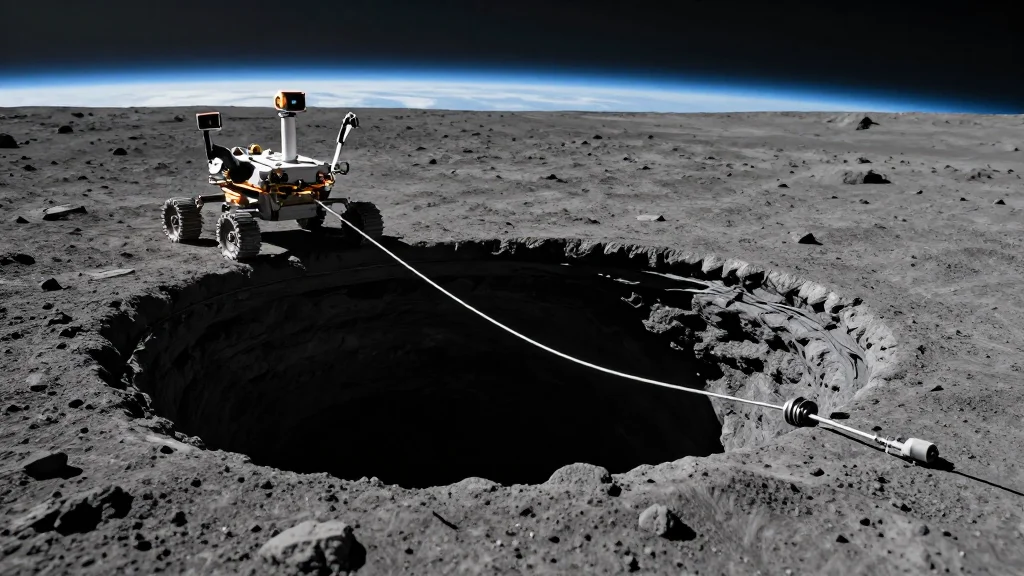
The Origami Wheel that Could Explore Lunar Caves
A KAIST research team led by Professor Dae‑Young Lee has unveiled an origami‑inspired variable‑diameter wheel that can expand from 230 mm to 500 mm without traditional hinges. The elastic metal frame and fabric tensioners allow the wheel to flex, double its size, and climb steep lunar regolith obstacles. Laboratory tests using simulated lunar soil showed superior traction and survival of a 100 m‑equivalent drop in lunar gravity. The technology is positioned to enable small rovers to access lava tubes and pits that could host future lunar habitats.
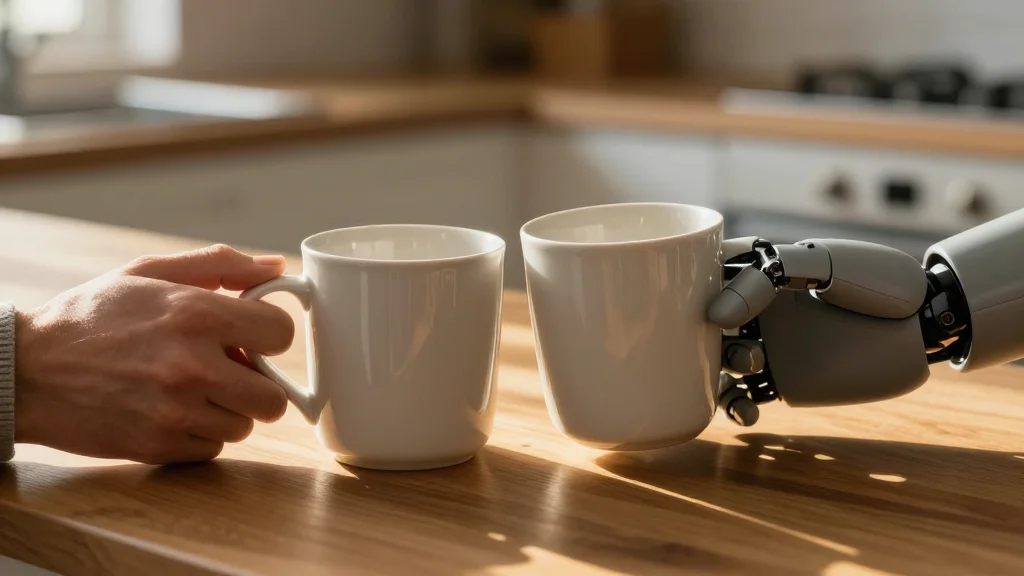
Technology that Helps Robots Read Human Intentions Could Lead to Safer, Smarter, More Trustworthy Machines
Researchers at the University of Manchester’s PRIMI project are teaching robots a rudimentary theory of mind, enabling them to infer human beliefs, preferences, and intentions. By merging motor intelligence with cognitive reasoning, the system aims to anticipate assistance needs and...
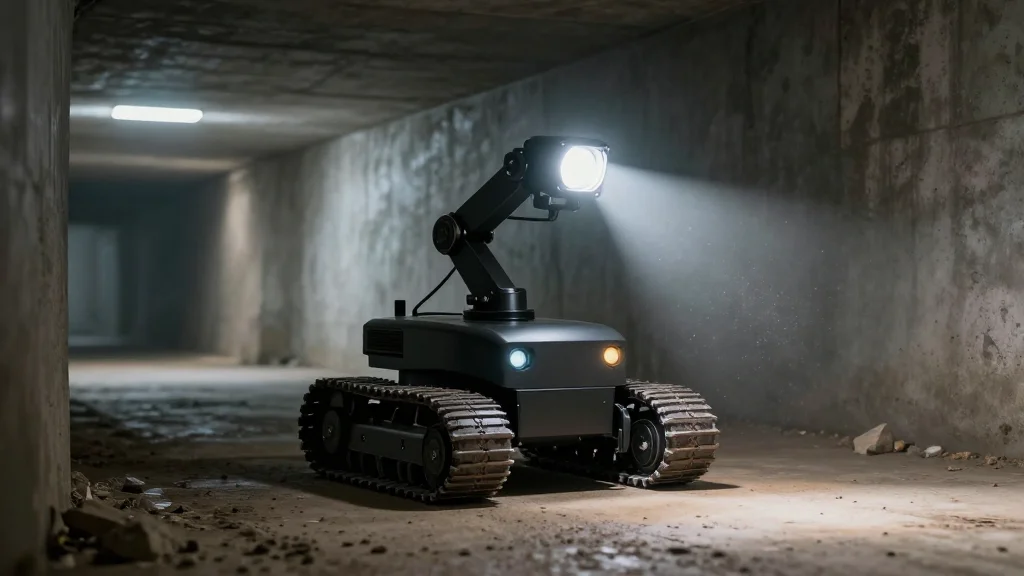
Machine Learning Helps Robots See Clearly in Total Darkness Using Infrared
University of Manchester researchers have developed a machine‑learning system that converts raw infrared data into clear, visible‑light‑like images. The technique lets robots operate in total darkness without redesigning their vision software, cutting computational load and development time. Published on arXiv...
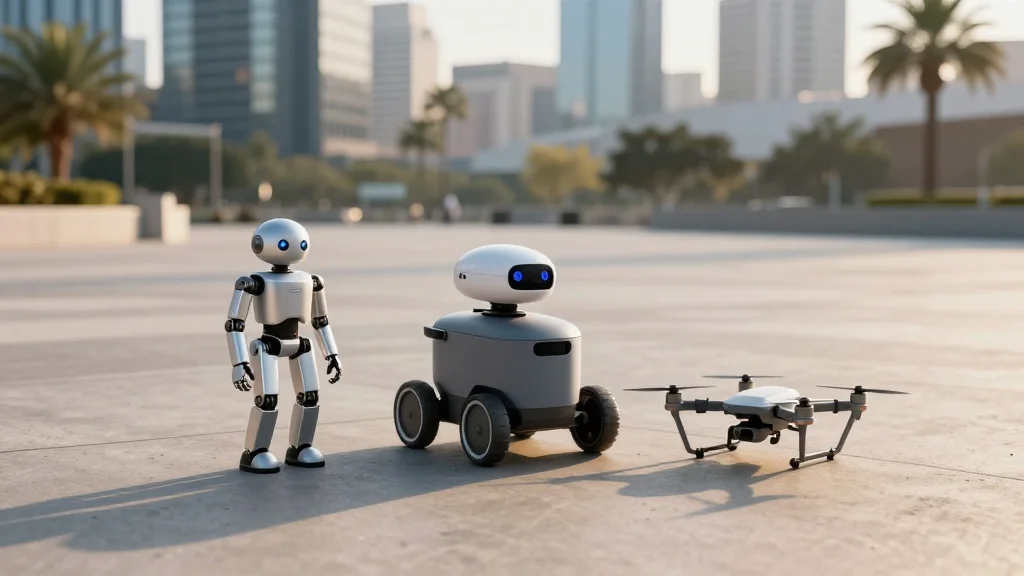
At a Silicon Valley Summit, Robots Fold Laundry—And Investors Open Their Wallets
At the Humanoids Summit in Mountain View, startups showcased robots that can fold laundry, highlighting a rapid escalation of capital into humanoid robotics. Venture capital invested nearly $2.8 billion in U.S. humanoid firms in 2025, up from $42.6 million in 2020, with...
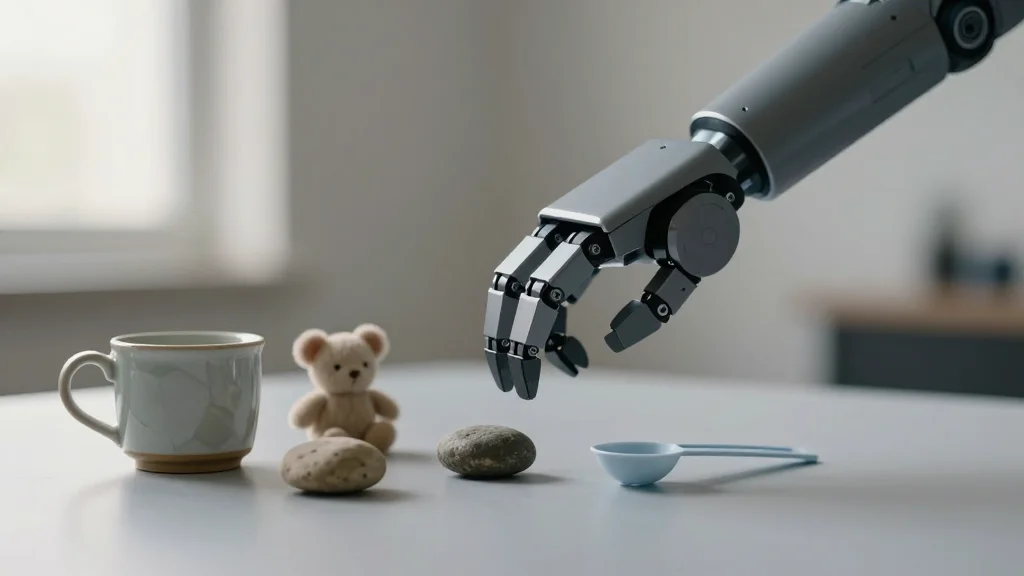
Robotic Arm Successfully Learns 1,000 Manipulation Tasks in One Day
Researchers at Imperial College London introduced MT3, an imitation‑learning system that taught a Sawyer robotic arm 1,000 distinct manipulation tasks in less than 24 hours. The method uses trajectory decomposition and a retrieval‑based memory to learn from a single human demonstration...
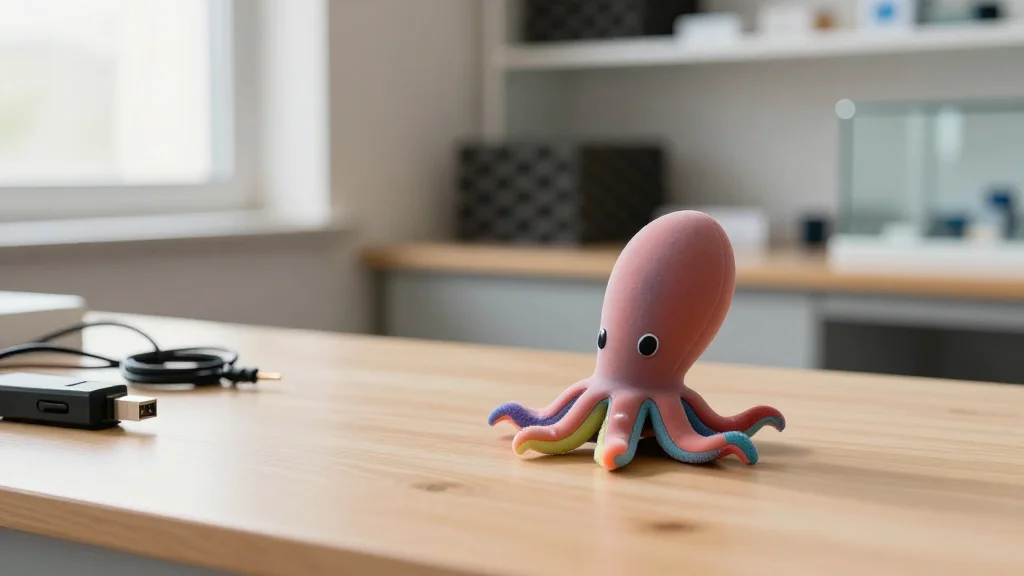
AI-Powered Robotic Hands Learn Dexterity by Mimicking Human Movements and Anatomy
ETH Zurich’s Soft Robotics Lab unveiled an AI‑driven robotic hand that mimics human anatomy using artificial tendons instead of joint motors. The 21‑degree‑of‑freedom hand learns dexterous tasks through a blend of reinforcement and imitation learning powered by transformer models. Data...
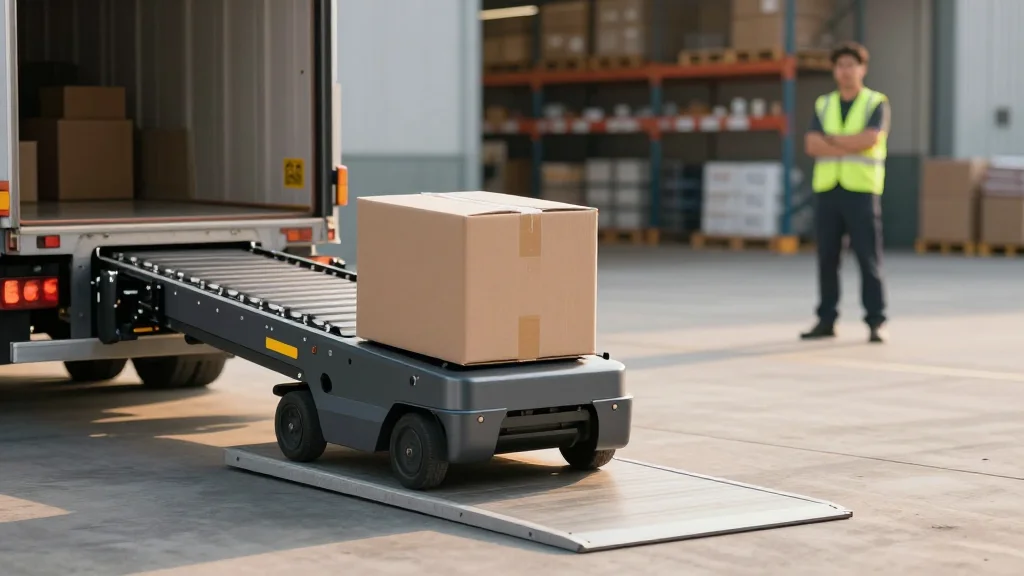
UPS Buys Hundreds of Robots to Unload Trucks in Automation Push
United Parcel Service is spending $120 million to acquire 400 Pickle Robot units that can unload trucks in about two hours each. The purchase is part of UPS’s broader $9 billion automation program aimed at cutting labor costs and boosting margins. Pickle’s...
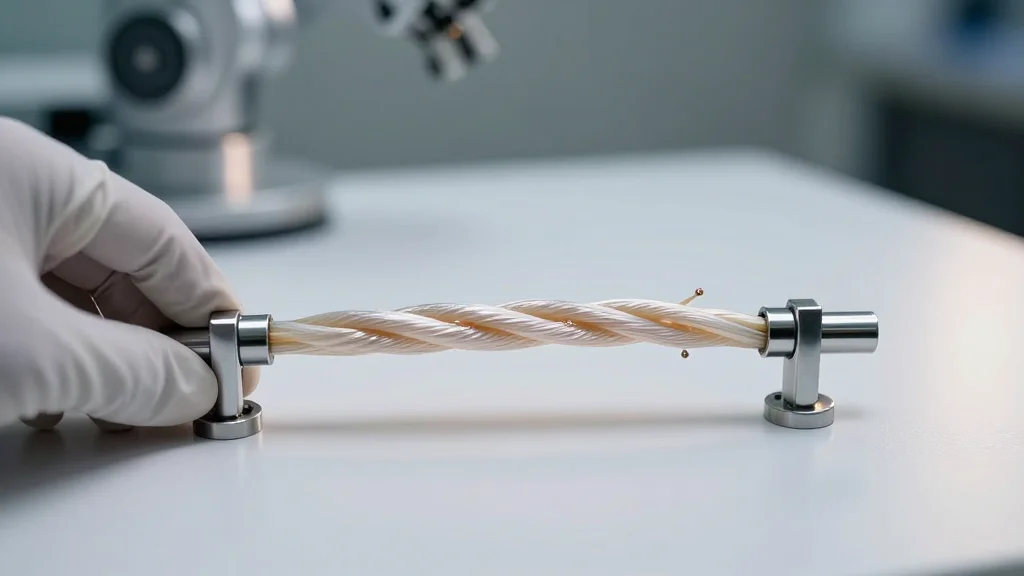
Beyond Mimicry: Fiber-Type Artificial Muscles Outperform Biological Muscles
The December 2025 npj Robotics review highlights fiber‑type artificial muscles that now outperform natural muscle in speed, strain and stress. Torsional actuation has been recorded at over 11,000 rpm, tensile strains reach 8600 %, and isometric stresses exceed 28 MPa—more than a hundred...
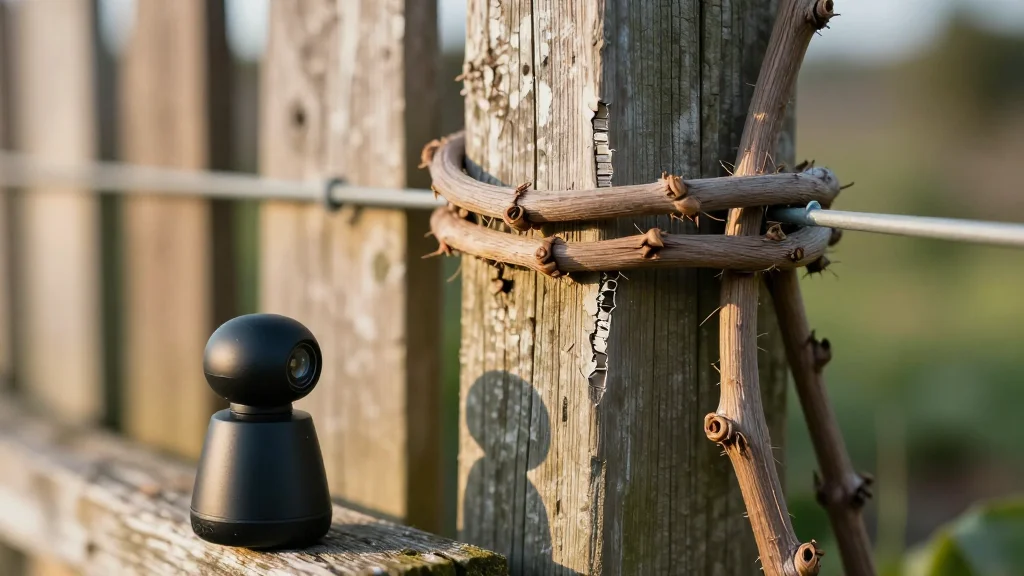
Vine-Inspired Robotic Gripper Gently Lifts Heavy and Fragile Objects
MIT and Stanford engineers unveiled a vine‑inspired soft robotic gripper that inflates pneumatic tubes to snake around and gently lift objects ranging from a glass vase to a watermelon, and even a human subject in a bed. The device switches...
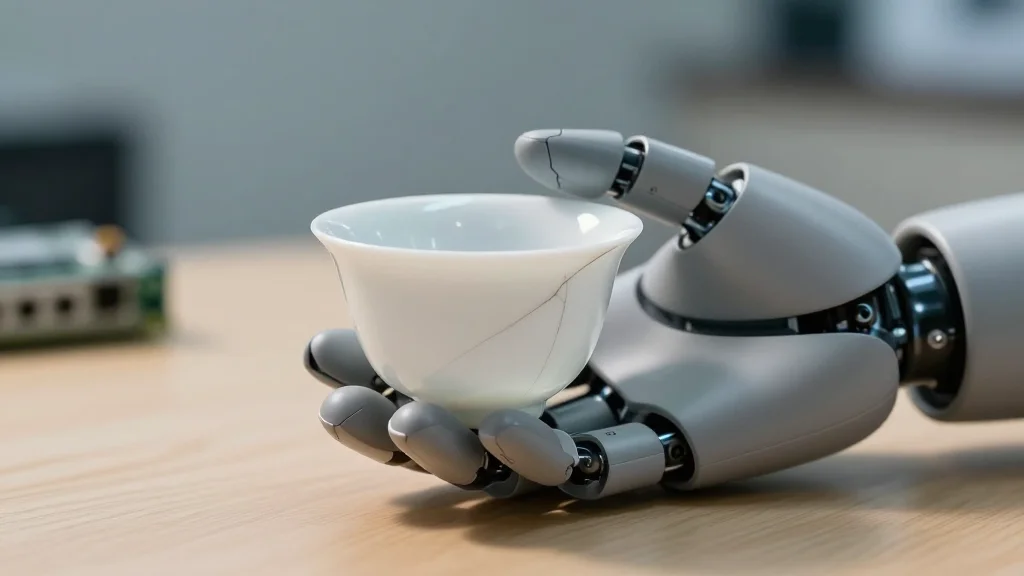
The Science of Human Touch, and Why It's so Hard to Replicate in Robots
Robots excel at visual perception but still struggle to replicate the nuanced human sense of touch. Human skin contains multiple mechanoreceptors that detect vibration, stretch, texture, and pressure, and our touch is an active, dynamic process. Soft‑robotics researchers are embedding...