Tech Xplore Robotics
Covers the latest news on robotics science and technology
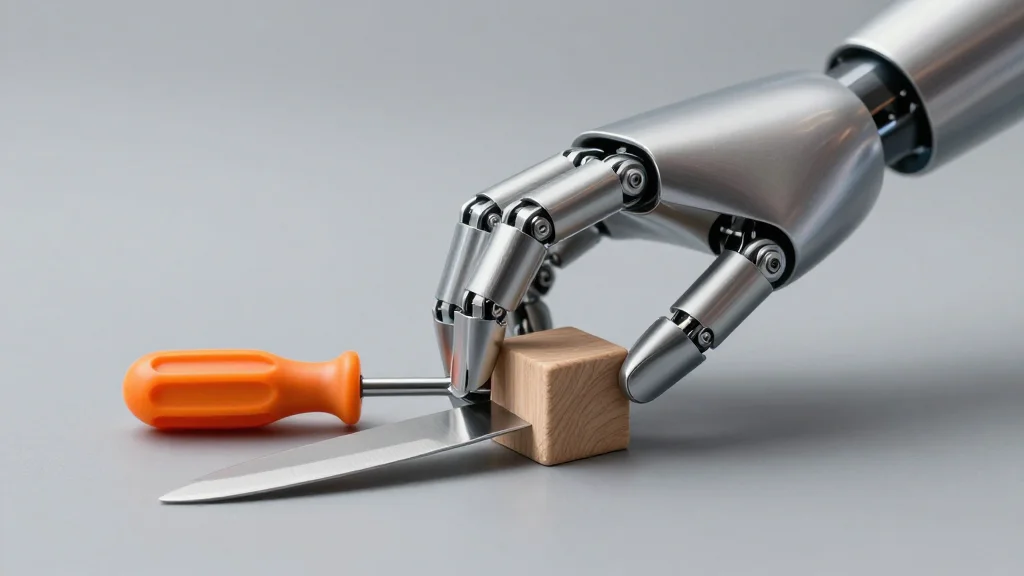
FingerEye Bridges Touch and Vision to Improve Robot Handling Before and After Contact
Researchers at the National University of Singapore and RoboScience unveiled FingerEye, a compact vision‑tactile sensor that merges binocular RGB cameras with a compliant ring to deliver continuous perception before, during, and after contact. The sensor’s marker‑based pose estimation translates ring deformation into force‑torque signals, enabling robots to plan and adapt dexterous manipulation strategies. Integrated with an imitation‑learning policy, FingerEye demonstrated robust performance on tasks ranging from delicate chip picking to articulated syringe handling. The hardware and code are open‑source, inviting broader adoption across research and industry.
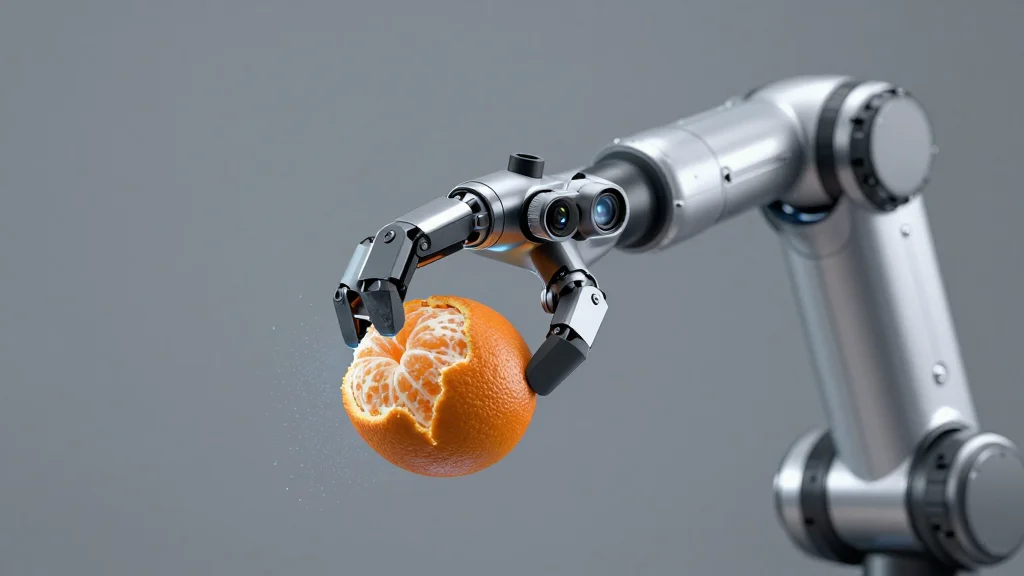
Bananas, Cups and Peelers: Robots Learn How to Handle Curved Objects Like Fruits and Tools
Researchers at EPFL and Idiap unveiled a geometrically aware system that lets robots manipulate irregular objects by mapping surface directions with a stereo camera. The approach creates a 3‑D point cloud and uses diffusion‑based orientation fields to generate local frames,...
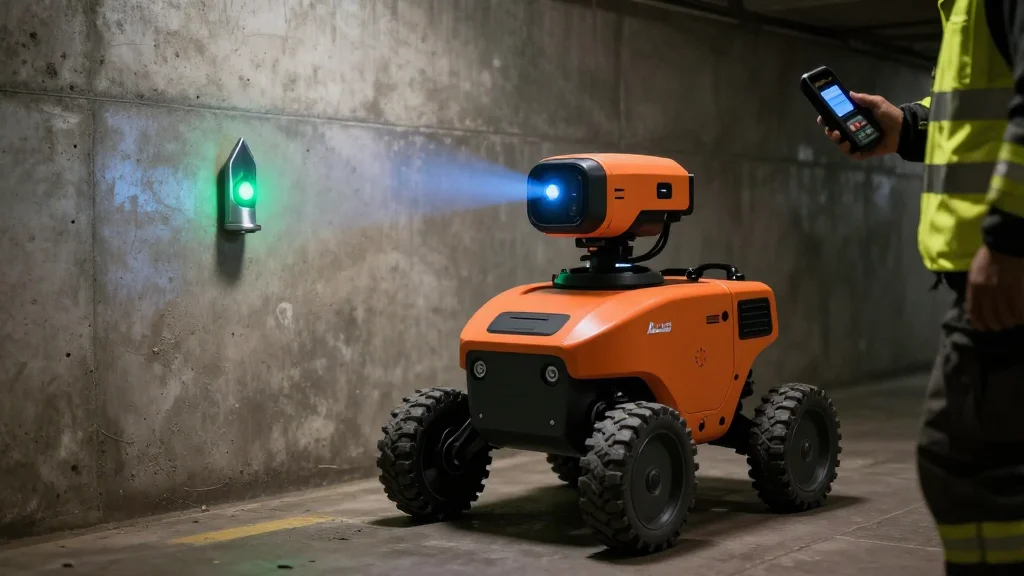
Researchers Develop Navigation System for Underground Rescue Teams
A consortium led by TU Graz unveiled NIKE MATE, a navigation system that fuses robot‑collected sensor data with a self‑built ultra‑wideband (UWB) network to map underground rescue sites in real time. The system creates a dynamic map and provides sub‑meter positioning for...
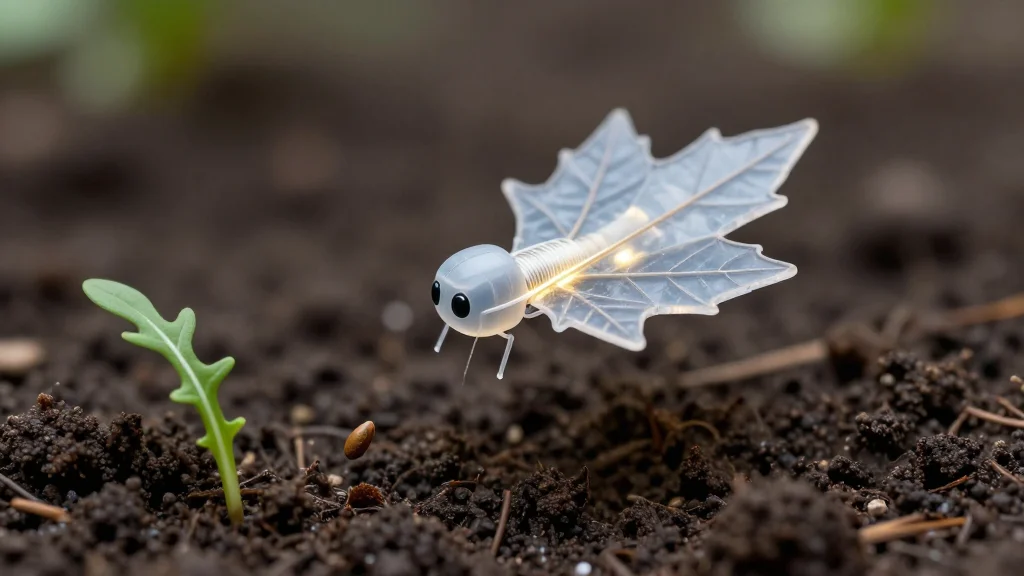
Tiny, Knotted Robots Jump, Fly and Plant Seeds
Researchers at Penn Engineering have created millimeter‑scale soft robots that store elastic energy in a Kevlar‑core, liquid‑crystal‑elastomer fiber and release it by heating. When the knot in the fiber unties at 60‑90 °C, the robot can leap up to two meters,...

Handle with Care: Soft Robot Gripper Picks Ripe Fruit without Bruising
Cornell researchers led by Rob Shepherd have built a soft‑robot gripper that uses stretchable fiber‑optic strain gauges to gauge fruit stiffness and determine ripeness. The device gently twists strawberries off the plant with a planetary‑gear wrist, avoiding the bruising that...
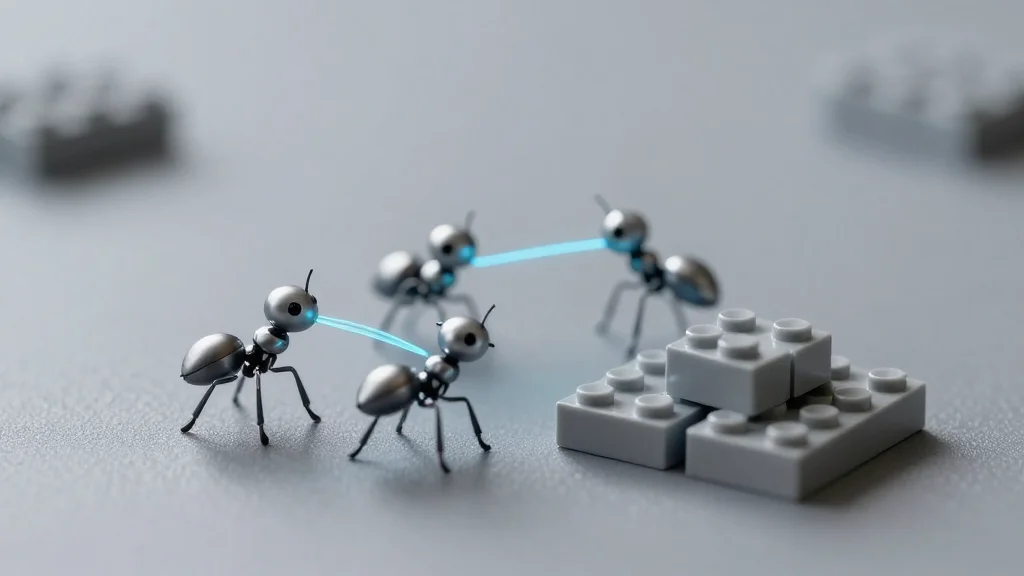
Simple Robots Inspired by Ants Collectively Build and Excavate
Harvard researchers have created a swarm of simple robots, called RAnts, that coordinate using light‑based “photormones” to emulate ant pheromone communication. By following a few local rules—gradient following, material transport, and threshold‑based deposition—the robots can spontaneously build or excavate structures...
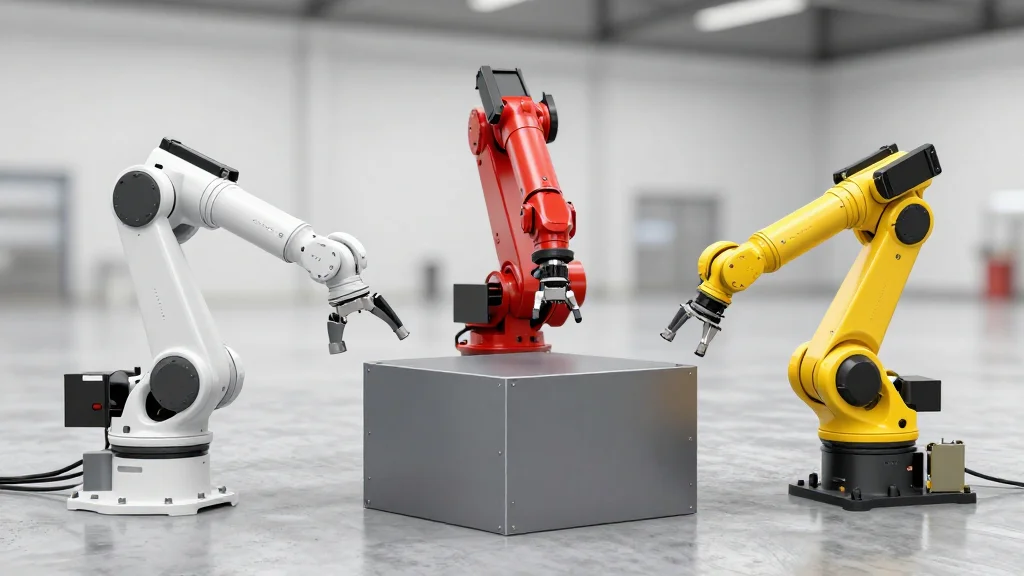
Kinematic Intelligence Lets Three Different Robots Learn the Same Task Safely
Researchers at EPFL’s LASA laboratory introduced a control framework called kinematic intelligence that translates a single human‑demonstrated task into a generic movement strategy adaptable to multiple robots. The system mathematically maps demonstrations, classifies each robot’s joint limits, and automatically tailors...
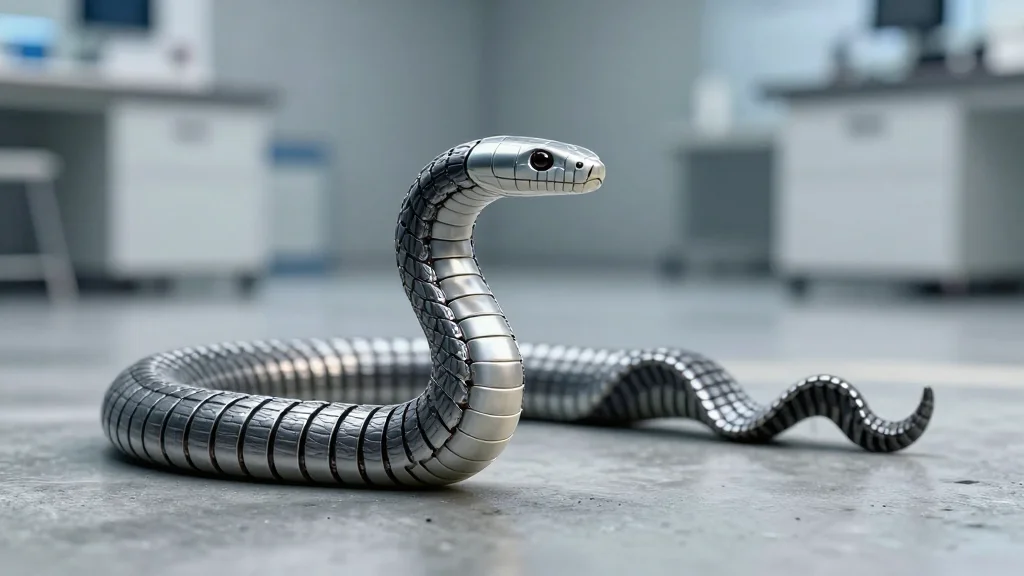
AI-Guided Snakebot Unlocks Rolling Move that Doubles Speed per Unit Power
Researchers at Osaka Metropolitan University have created an AI‑guided snake robot that can switch to a rolling gait, achieving roughly twice the travel speed per unit of power on flat surfaces. The system uses deep reinforcement learning and an observation...
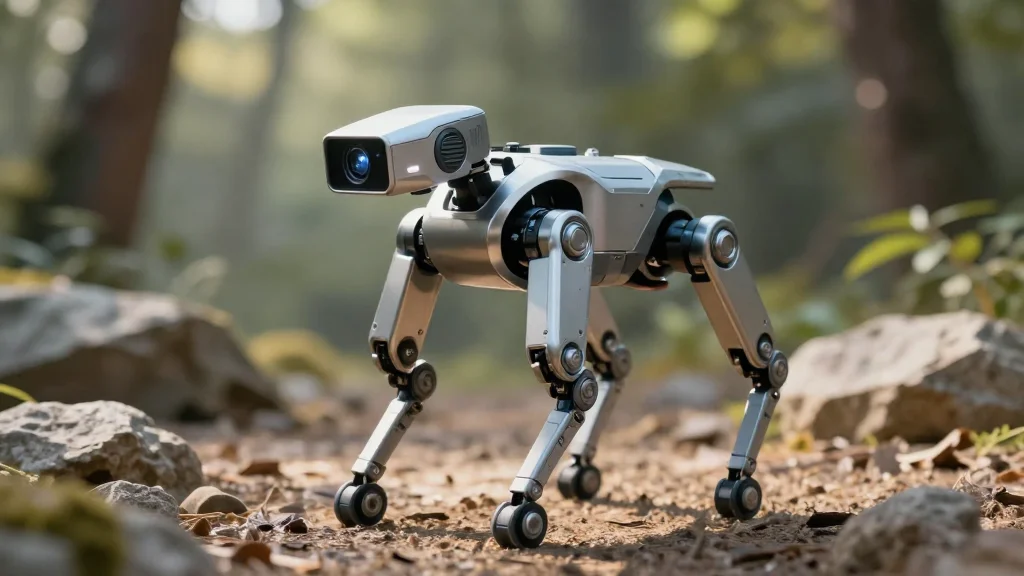
This Robot Sees Danger, Decides Its Route and Powers over Obstacles While Carrying Loads
KAIST researchers unveiled DreamWaQ++, a quadrupedal‑robot control system that fuses camera, LiDAR and proprioceptive data to anticipate terrain and adjust its gait in real time. The multimodal reinforcement‑learning architecture lets the robot climb 35° slopes, traverse stairs and clear obstacles...

Origami-Inspired Robot Built From Printable Polymers Uses Electric Current to Move
Engineers at Princeton have built a soft‑rigid hybrid robot using 3D‑printed liquid crystal elastomer (LCE) hinges and embedded flexible printed circuit boards. The robot moves by localized heating of the polymer, eliminating the need for motors or external pneumatic systems....
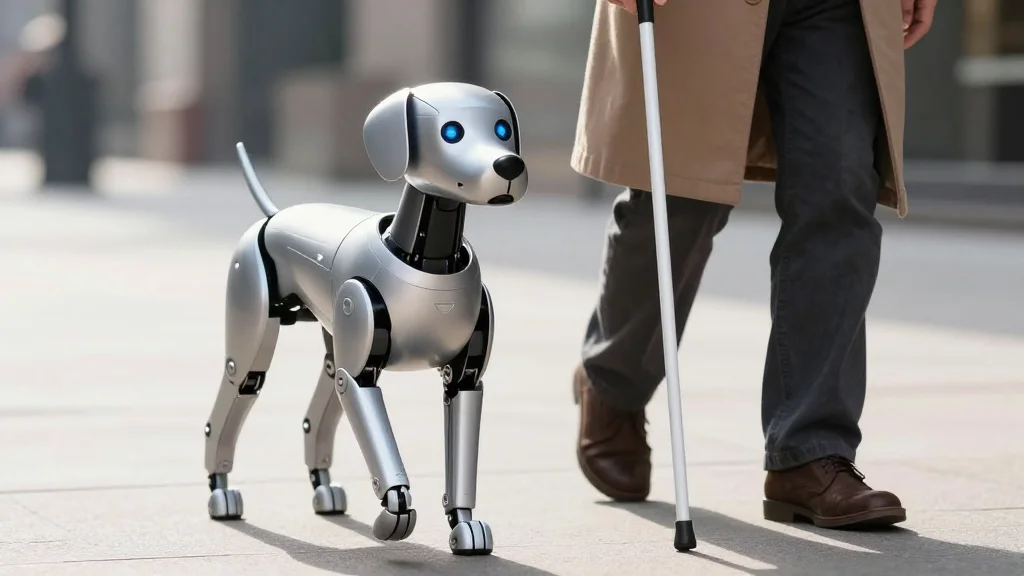
These AI-Powered Guide Dogs Don't Just Lead, They Talk
Binghamton University researchers have built a robot guide dog that uses GPT‑4 to converse with visually impaired users, offering route planning and real‑time verbal navigation cues. The system was demonstrated at AAAI 2026 and tested with seven legally blind participants who...
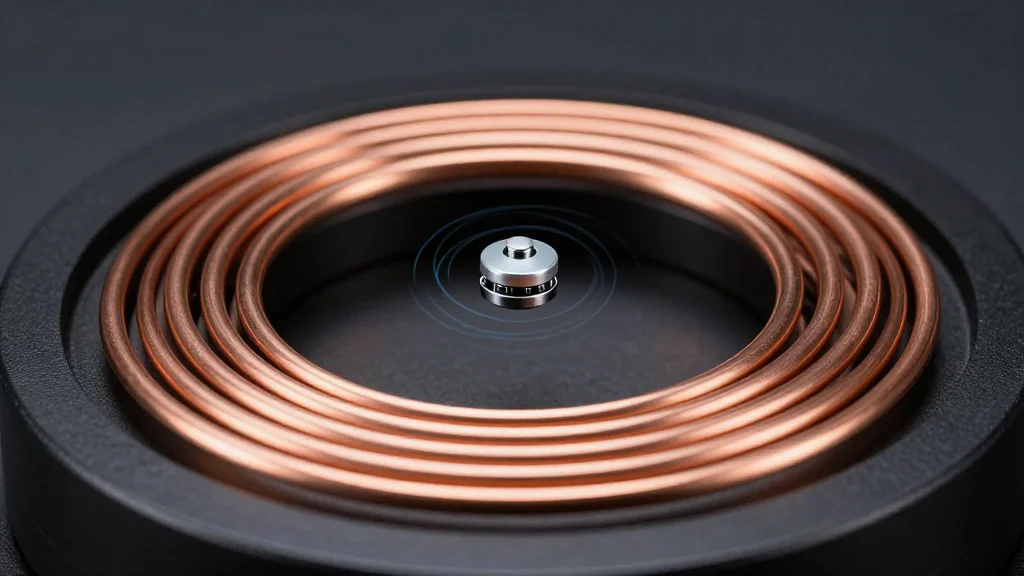
Magnetic Coil Setup Guides Microrobots without Seeing Them
SMU researchers have built a triaxial Helmholtz coil system that creates a uniform magnetic field gradient, enabling microrobots to be guided without continuous visual tracking. The six‑coil arrangement, calibrated with a triaxial magnetometer and refined by Tikhonov regularization, delivers consistent...
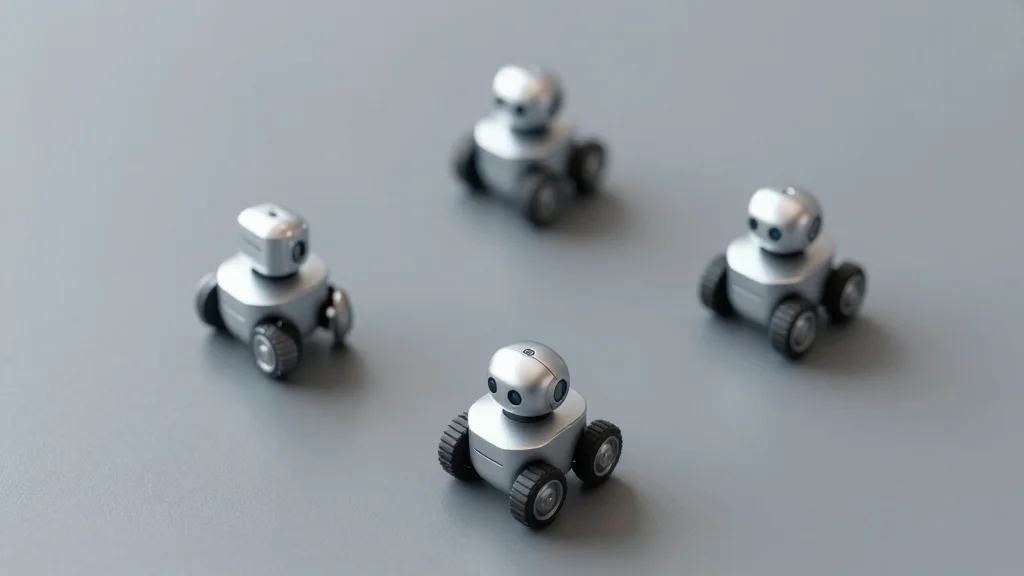
Too Many Cooks, or Too Many Robots? Finding a Goldilocks Level of Randomness to Keep Robot Swarms Moving
Harvard researchers led by L. Mahadevan and Ph.D. student Lucy Liu discovered that adding a calibrated amount of randomness to robot swarm movement can prevent gridlock and boost efficiency. Using simulations and physical wheeled robots, they identified a Goldilocks zone where...
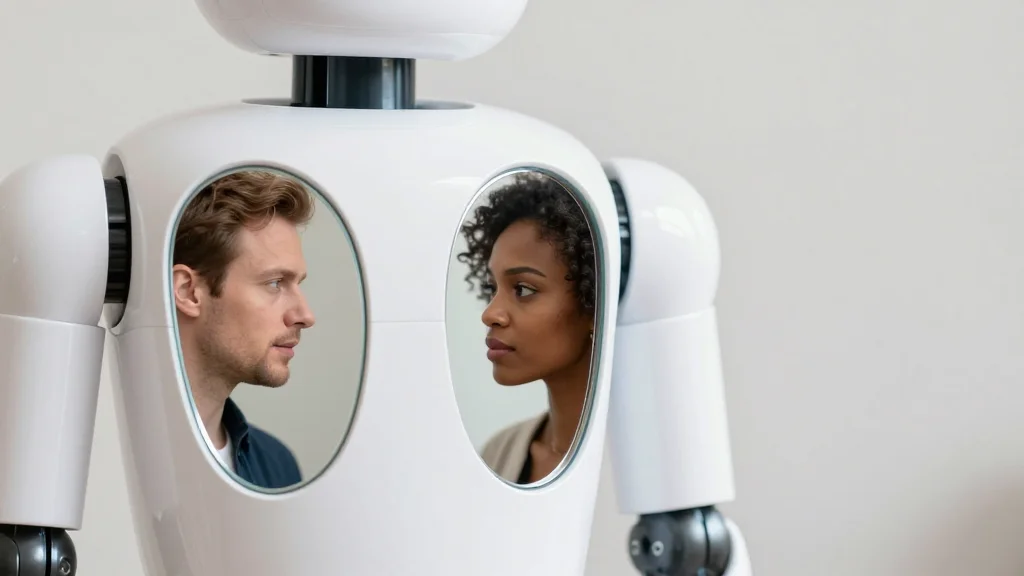
Introducing MirrorBot, a Robot Designed to Foster Human Connection
Cornell University researchers unveiled MirrorBot, a four‑foot robot equipped with dual mirrors that creates eye contact between strangers. In a waiting‑room experiment with 32 participants, the robot sparked conversations and playful exchanges, with 12 of 16 pairs reporting that their...
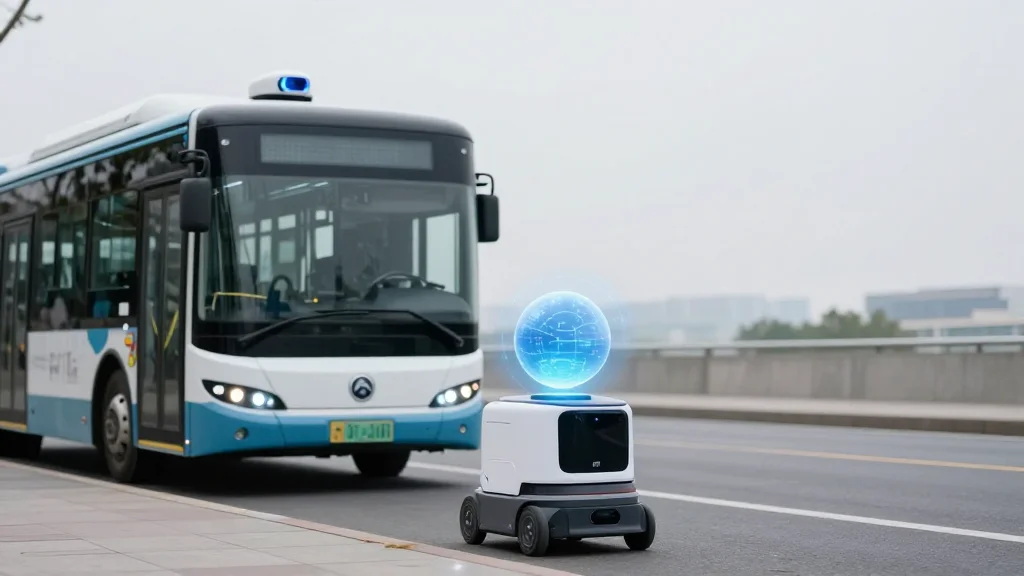
Do You Trust Me? A Framework for Making Networks of Robots and Vehicles Safer
Harvard researchers introduced “cy‑trust,” a quantitative trust metric that lets autonomous robots and vehicles evaluate data from peers before acting. The framework assigns each data source a trust score between 0 and 1 using onboard sensors, lidar, radar and signal‑processing of...
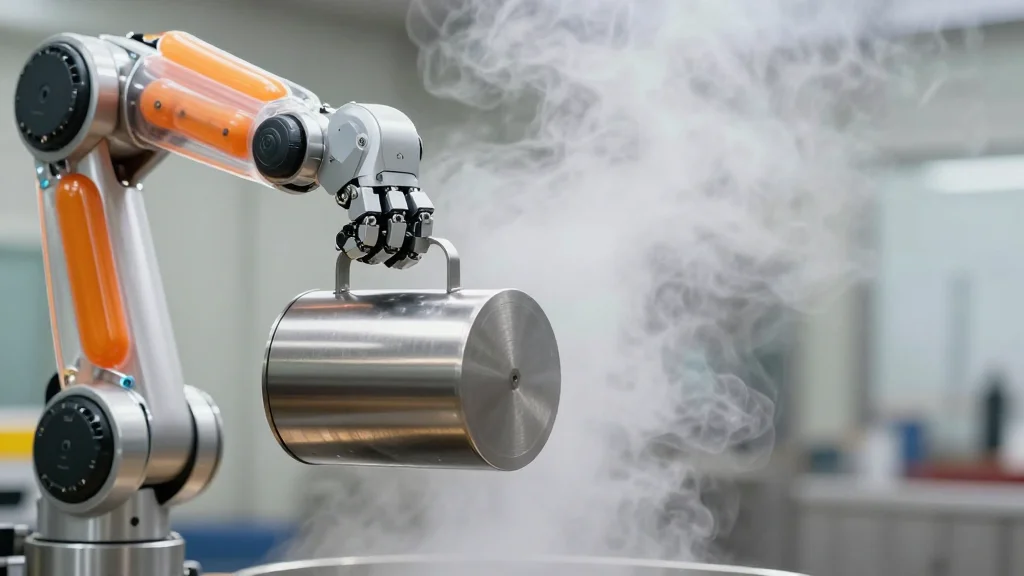
Air-Powered Artificial Muscles Could Help Robots Lift 100 Times Their Weight
Arizona State University researchers have created air‑powered artificial muscles that mimic biological tissue. The pneumatic actuators can lift up to 100 times a robot’s own weight while remaining lightweight and untethered. Their design enables operation in extreme conditions such as...

Researchers Build a Robotic Swarm with No Electronics, No Batteries and No Brains
Georgia Tech researchers have created an electronic‑free robotic swarm whose behavior emerges solely from its mechanical design. Tiny particle robots latch, release and reconfigure when exposed to external vibrations, eliminating the need for sensors, processors or batteries. The system scales...

Combining the Robot Operating System with LLMs for Natural-Language Control
Researchers from Huawei Noah's Ark Lab, TU Darmstadt and ETH Zurich unveiled an open‑source framework that fuses large language models with the Robot Operating System (ROS). The system interprets natural‑language commands and translates them into robot actions via inline code...
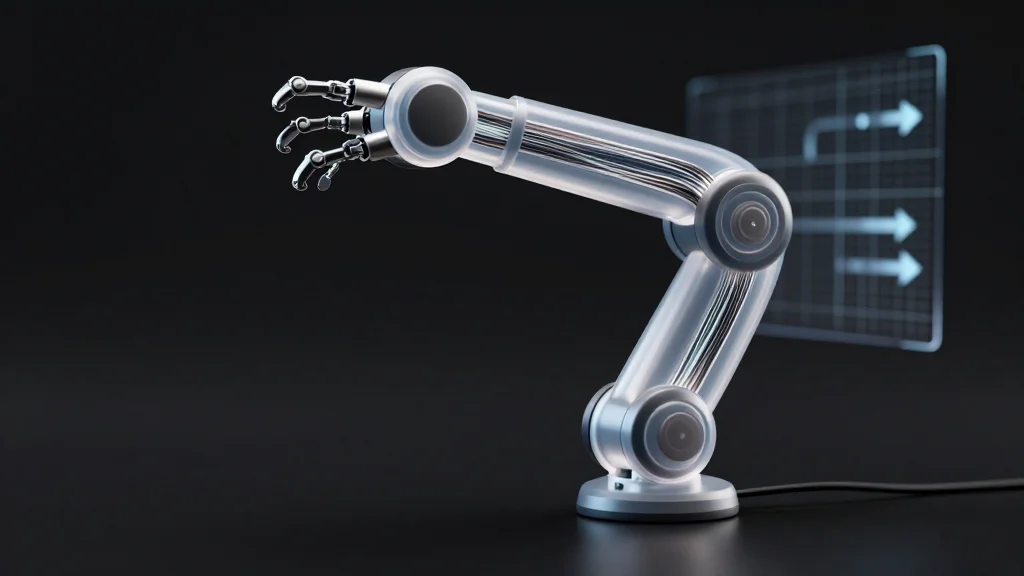
Control Framework Lets Flexible Robots Move in Tight Spaces with Less Math
Researchers at the Indian Institute of Technology Gandhinagar unveiled a virtual actuation space (VAS) framework that simplifies control of tendon‑driven continuum robots (TDCR). By representing each robot section with just direction and magnitude, VAS eliminates the need for complex infinite‑degree‑of‑freedom...
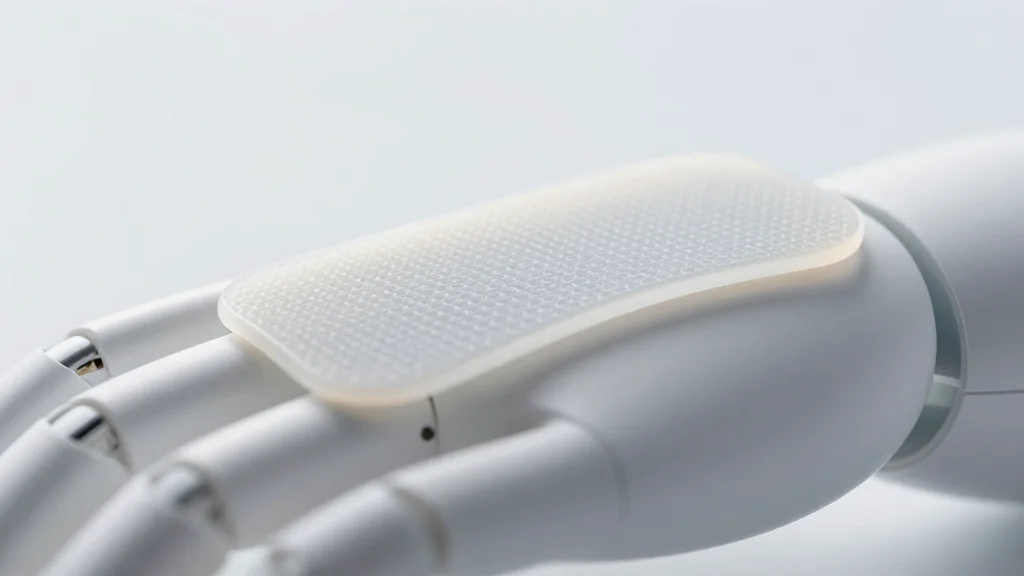
Q&A: Robots Can't Feel, but Novel Sensors Could Change That
Researchers at Penn State have developed a flexible pressure‑sensor array using reduced graphene oxide aerogel, creating an electronic skin capable of ultrahigh sensitivity and a broad pressure range. Each 8 mm sensor supports roughly three ounces of force and endures over...
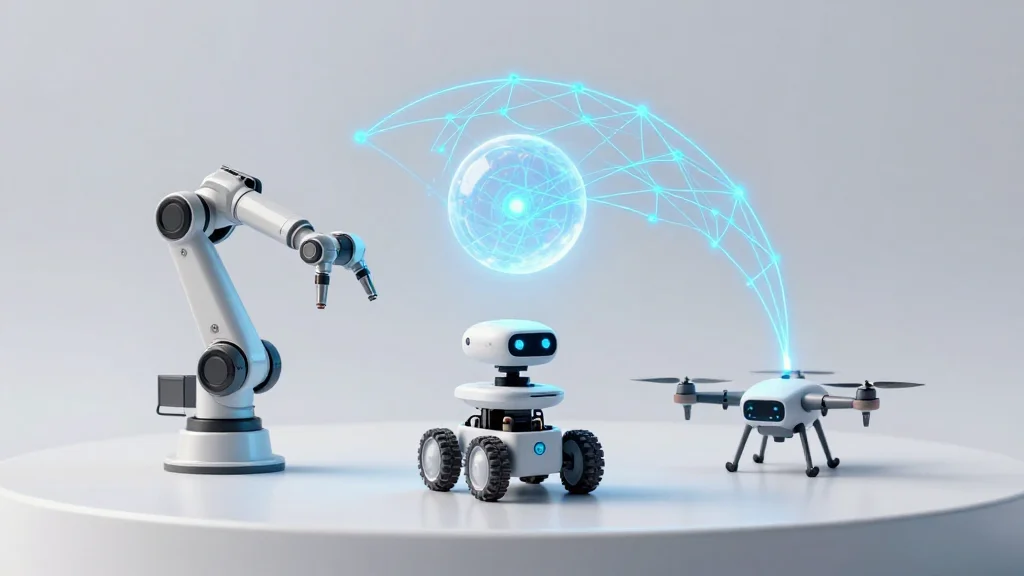
Robots with Different Bodies Can Now Share Skills: What Intention-Based Learning Changes
Researchers introduced Intention‑Aligned Imitation Learning (IAIL), a method that lets robots share skills by focusing on high‑level goals expressed in natural language rather than exact motions. Published in Science Robotics, the approach was validated on seven heterogeneous robots across 30...
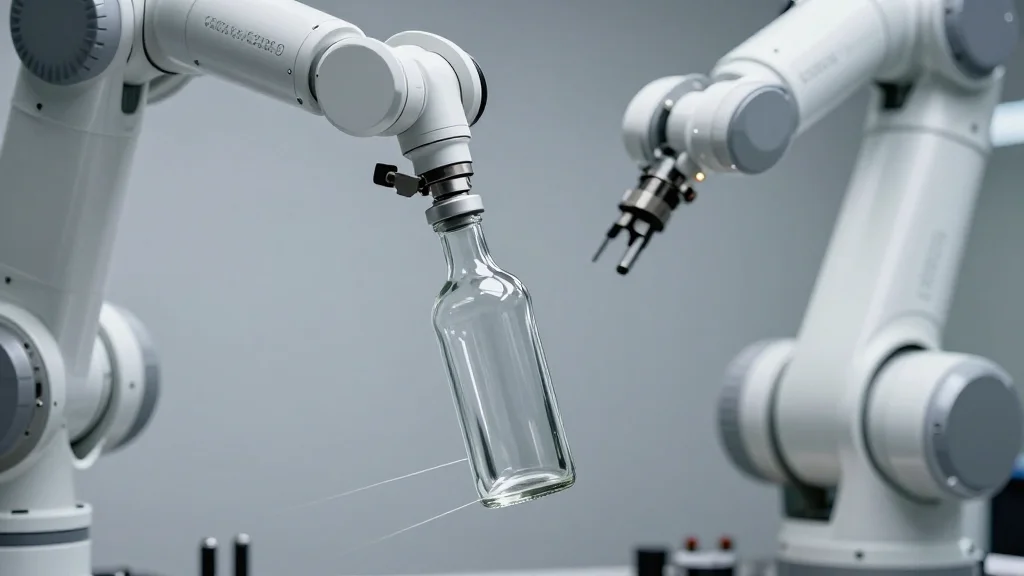
HEAPGrasp: A Faster, Smarter Way for Robots to Handle Tricky Objects
Researchers at Tokyo University of Science introduced HEAPGrasp, a novel robot grasping system that relies solely on RGB images to reconstruct 3D shapes of transparent, reflective, and opaque objects. By extracting silhouettes from multiple viewpoints and using a shape‑from‑silhouette algorithm...
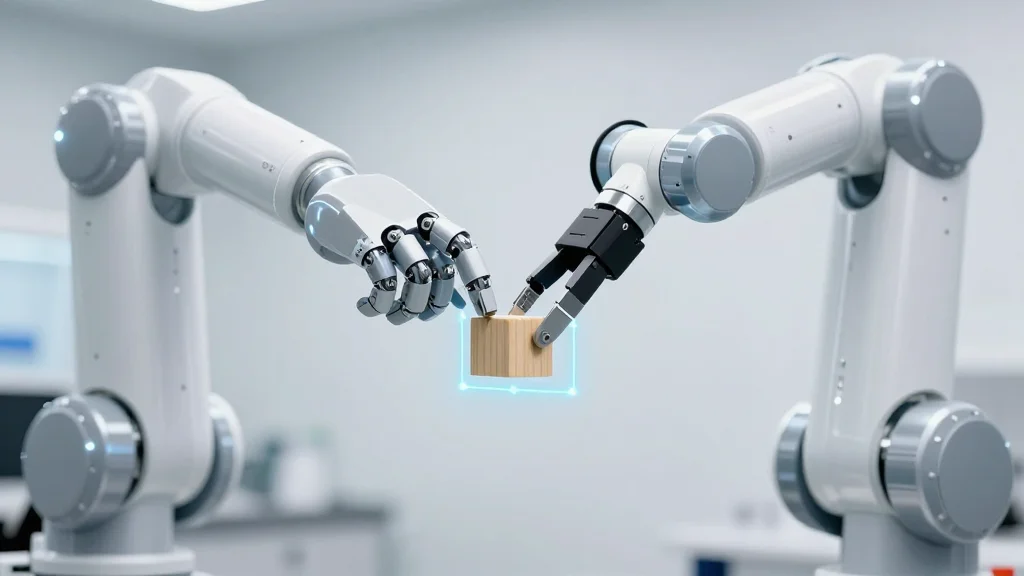
AI Benchmark Helps Robots Plan and Complete Their Chores in the Real World
Microsoft and academic researchers introduced GroundedPlanBench, a benchmark that tests robots on 1,009 tasks drawn from 308 real‑world scenarios, exposing gaps between language‑based planning and precise motor execution. To bridge this gap they built V2GP, a video‑to‑spatially grounded planning system...
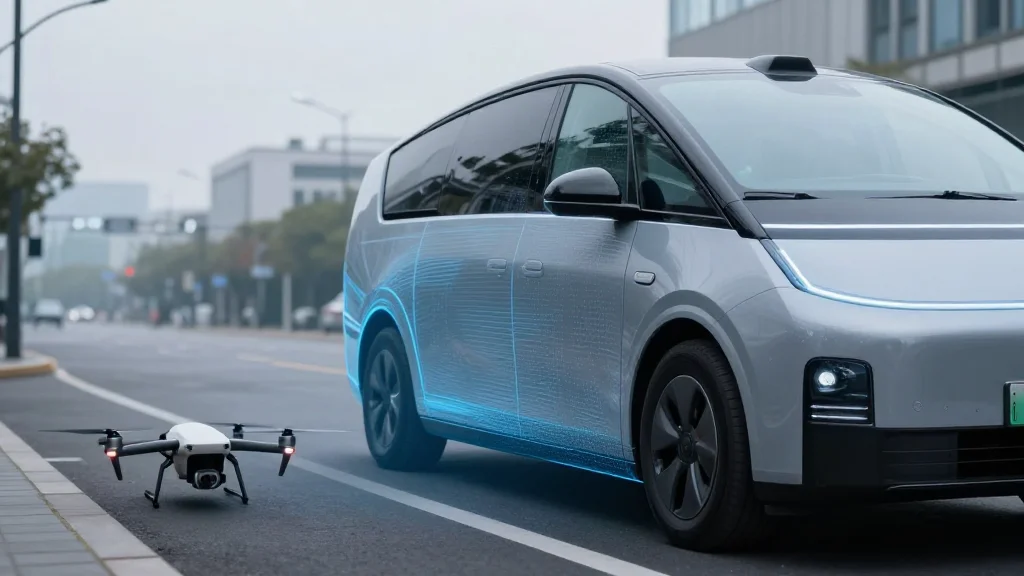
Digital Twins to Rescue Robots: What Faster 3D Point Cloud Processing Enables
Researchers at Kaunas University of Technology unveiled a hybrid attention‑based model that fuses local detail and global context for 3D point‑cloud segmentation. The system processes complex scenes in just over two seconds per frame while preserving high accuracy, especially for...

Video-Based AI Gives Robots a Visual Imagination
Harvard researchers led by Yilun Du introduced a video‑based robot foundation model that can generate short imagined video clips of future actions. Trained on massive internet video datasets, the system builds a world model that lets robots visualize outcomes before...

AI System Learns to Prevent Warehouse Robot Traffic Jams, Boosting Throughput 25%
MIT researchers and automation firm Symbotic unveiled a hybrid AI system that blends deep reinforcement learning with a fast planning algorithm to prioritize warehouse robots and prevent traffic jams. In simulations mirroring real e‑commerce layouts, the approach lifted robot throughput...

A Robotic Hand without Motors? How a Sub-Second Shape-Shifting Actuator Could Work
A KAIST team led by Professor Seong Su Kim has created a two‑way hybrid actuator that merges shape‑memory alloy (SMA) and shape‑memory polymer (SMP) into a motor‑free device. By embedding a tape‑spring structure, the actuator snaps between bent and flat...

Wristband Enables Wearers to Control a Robotic Hand with Their Own Movements
MIT researchers have unveiled a smartwatch‑sized ultrasound wristband that images wrist muscles and tendons to infer hand gestures in real time. An on‑board AI model translates these images into the 22 degrees of freedom that define finger and palm positions,...

Drones Paired with AI Could Help Search‑and‑rescue Teams Find Missing Persons Faster
Researchers at Kennesaw State University have built an autonomous drone that combines infrared, thermal and color cameras with AI to locate missing persons and assess their condition. The system maps a grid, identifies human bodies, extracts forehead temperature pixel‑by‑pixel, and...

Artificial Neural Network Reproduces Gait Patterns of Four-Legged Animals
Researchers at Brown University's Carney Institute have built a 24‑neuron artificial neural network that can generate five distinct quadruped gaits—bounding, pacing, trotting, walking and pronking—and switch between them instantly. The model leverages attractor‑based dynamics, extending the classic Hopfield framework from...

Five-Level Model Rates Humanoid Robots Across Mobility, Manipulation and Cognition
Fraunhofer IPA introduced the Humanoid Capabilities Navigator, a five‑level model that rates humanoid robots from 0 (absent) to 4 (human‑level) across mobility, manipulation, cognition and safety. The framework lets manufacturers and end‑users compare robots transparently and match capability levels to...

Bird‑like Robots Promise Greater Flexibility and Control than Drones
Rutgers engineers have demonstrated a solid‑state ornithopter that flaps its wings using piezoelectric actuators instead of traditional motors, gears, or linkages. The team also built a multi‑physics computer model that simultaneously captures wing dynamics, aerodynamics, electrical behavior, and control logic,...

Radiation‑hardened Wi‑Fi Chip Survives 500 kGy for Nuclear Plant Decommissioning Robots
Researchers at Institute of Science Tokyo have created a 2.4 GHz Wi‑Fi receiver chip that endures radiation doses up to 500 kGy, a level far beyond typical commercial electronics. By simplifying transistor layouts, enlarging devices, and swapping radiation‑sensitive transistors for passive inductors,...

Insect-Inspired Robot Tracks Odors Even with only One Working 'Antenna'
Researchers have built a bio‑inspired robot that tracks odor sources using a strategy derived from silkworm moths, which can navigate with only one antenna. The platform retains high localization accuracy even when one of its two olfactory sensors fails, performing...
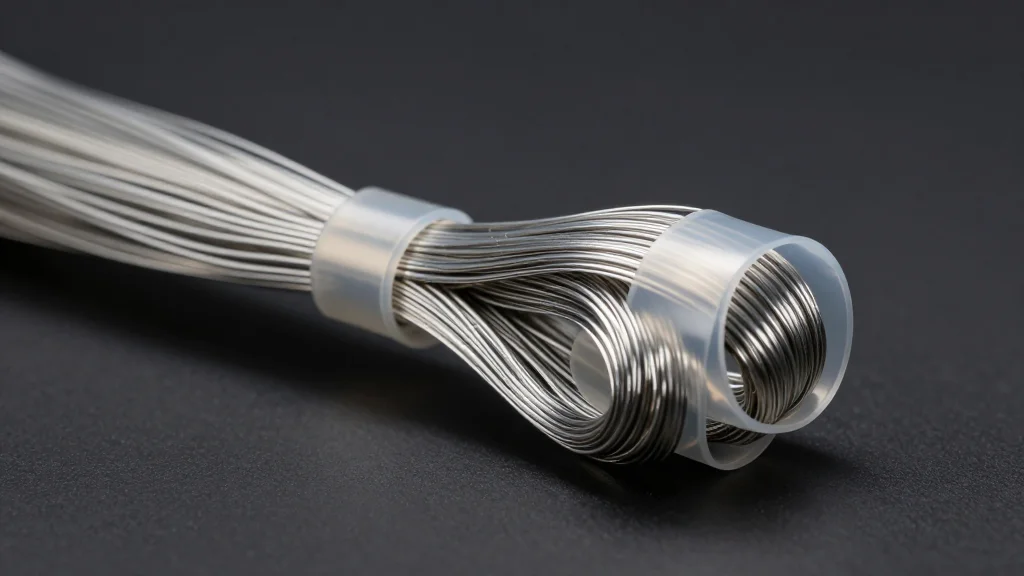
Simple Motor Networks Mimic Human Muscle Behavior Under Increasing Load
Scientists at the University of Bristol have built a tabletop network of simple electric motors that self‑organize into coordinated traveling waves, reproducing the load‑dependent recruitment seen in human muscle. The motors interact only through a shared backbone, creating mechanical feedback...
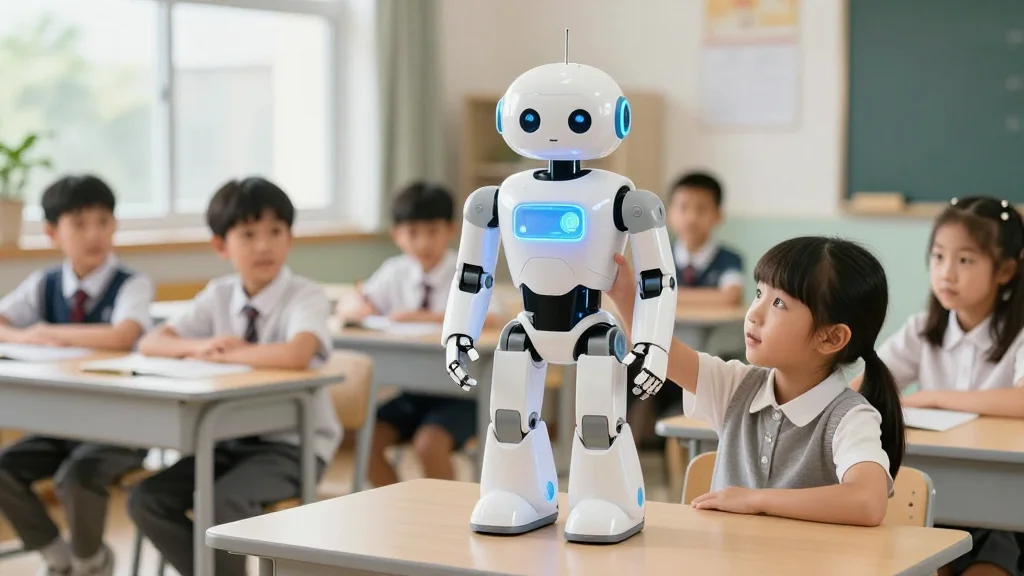
How Chicago Robot Tutors Are Teaching SEL Effectively, without Pretending to Be Human
University of Chicago researchers partnered with Chicago Public Schools to test robot tutors in fourth‑grade SEL lessons. The experiment compared robots that used fictional, emotion‑laden dialogue with robots that spoke factually and admitted they had no feelings. Both robot groups...
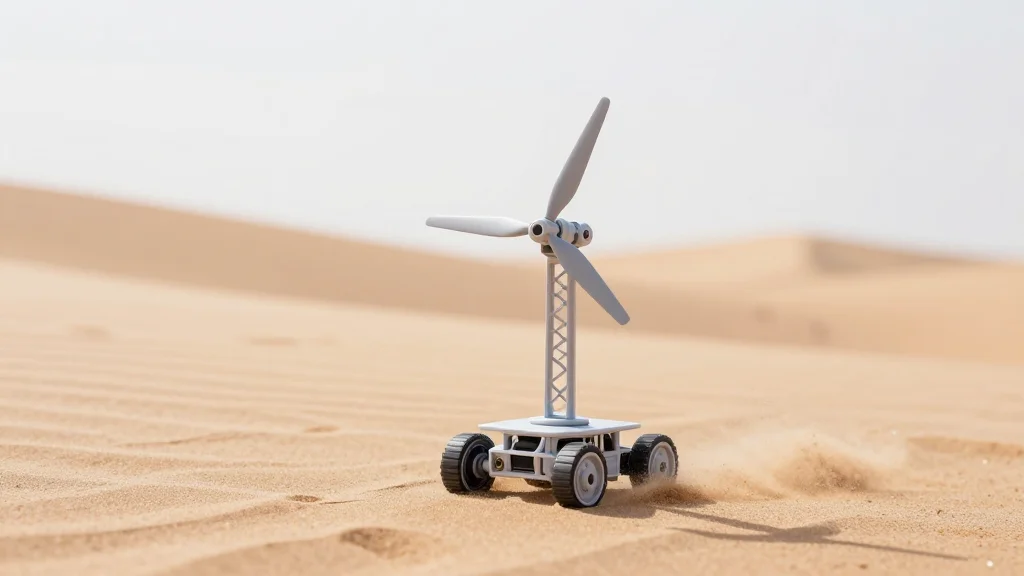
Wind-Powered Robot Could Enable Long-Term Exploration of Hostile Environments
Researchers at Cranfield University unveiled WANDER‑bot, a low‑cost 3D‑printed robot powered entirely by wind. By using a Savonius turbine and Jansen linkage, the robot converts ambient airflow into locomotion, removing the need for batteries. The fully printable design allows on‑site...
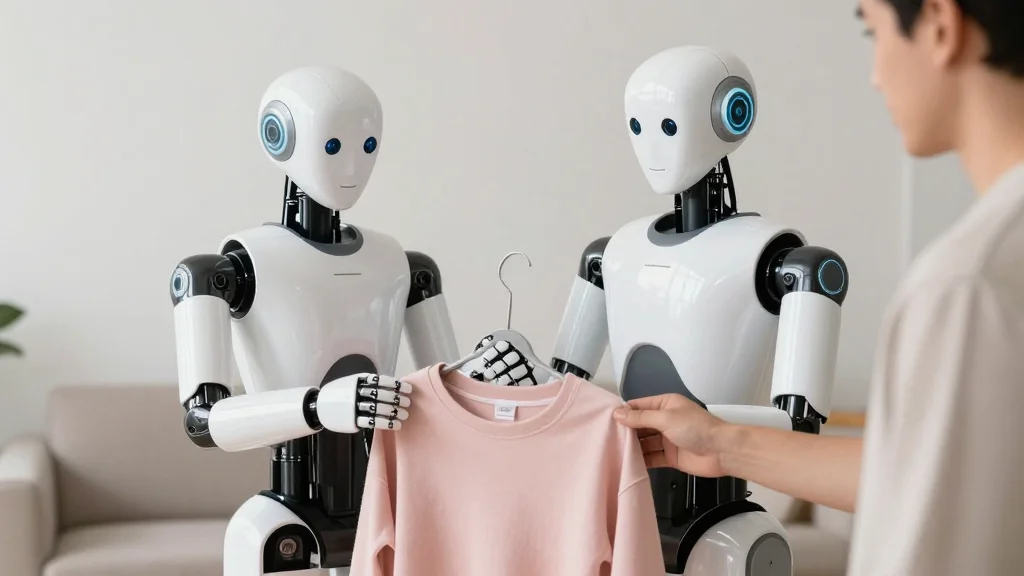
Smarter, Faster, and More Human: AI System Helps Robots Outpace Their Human Teachers
Georgia Tech researchers introduced Speed‑Adaptive Imitation Learning (SAIL), a system that lets robots execute learned visuomotor tasks faster than the human demonstrations they were trained on. By dynamically adjusting motion speed while preserving accuracy, SAIL achieved three‑to‑four‑fold speed gains across...

Generative AI Improves a Wireless Vision System that Sees Through Obstructions
MIT researchers have combined generative AI with millimeter‑wave (mmWave) radar to reconstruct hidden 3D objects and entire indoor scenes. The new Wave‑Former system fills gaps in partial reconstructions, boosting shape‑accuracy by roughly 20 % over prior methods. An expanded system called...
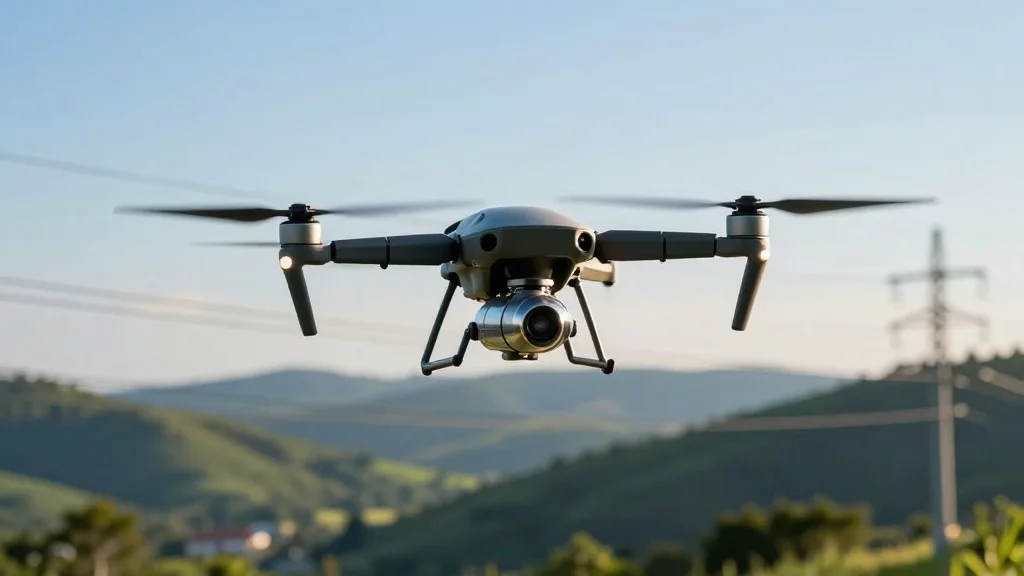
Swapping Batteries for Hydrogen Gives Drones a Whole New Range
Researchers at Norway's SINTEF have built a hydrogen‑fuel‑cell drone that swaps its battery for a lightweight hydrogen tank, delivering multi‑hour flight endurance. The prototype can inspect long stretches of power lines, conduct search‑and‑rescue missions, and map terrain, offering a cheaper,...

Sheepdogs Reveal a Better Way to Guide Robot Swarms
Georgia Tech researchers analyzed sheep‑dog trial footage and identified a two‑step herding routine—first subtly aligning stationary sheep, then applying pressure to move them. They built a computational model that captures both the dog’s influence and peer interactions, revealing that small...

Compostable Robot Endures over 1 Million Uses Before Becoming Plant Food
A joint research team from Seoul National University, Sogang University and Johannes Kepler University Linz has created a fully biodegradable soft robot that can endure over one million actuation cycles and then decompose into safe compost. The device uses a...

Autonomous Navigation of Microrobots in Complex Flows Demonstrated for the First Time
Researchers at Leipzig University have, for the first time, demonstrated that synthetic microswimmers can autonomously navigate complex fluid flows by using their own body shape as a sensor. The team employed reinforcement‑learning algorithms coupled with real‑time optical control, enabling particles...
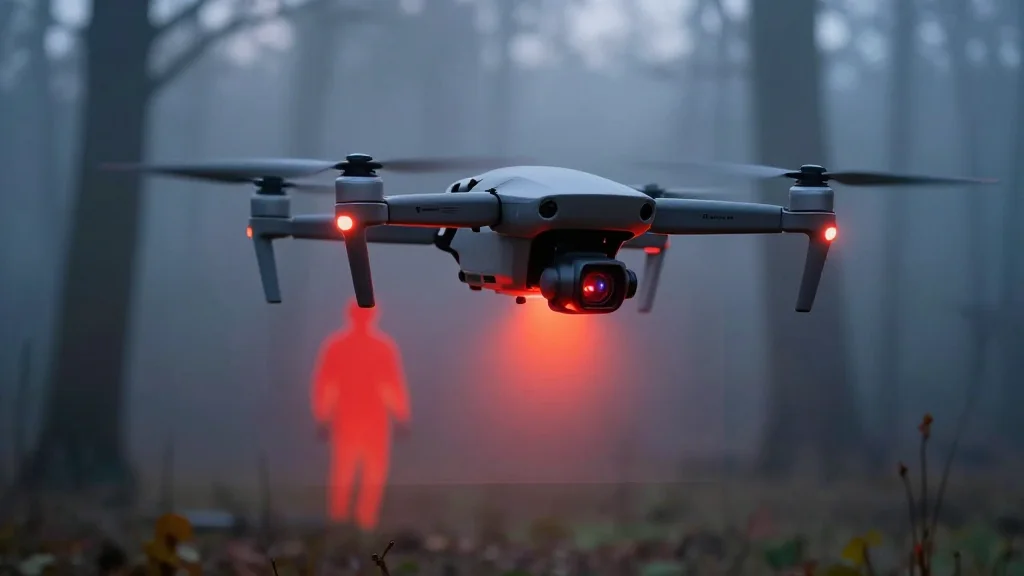
Thermal Cameras Used in Drones and Robots Can Be Tricked by Heat Sources, Study Finds
University of Florida researchers uncovered three previously unknown vulnerabilities in thermal‑camera perception systems used by autonomous drones and robots. The flaws—rooted in image equalization, sensor calibration and lens optics—can be triggered by ordinary or malicious heat sources, causing real obstacles...
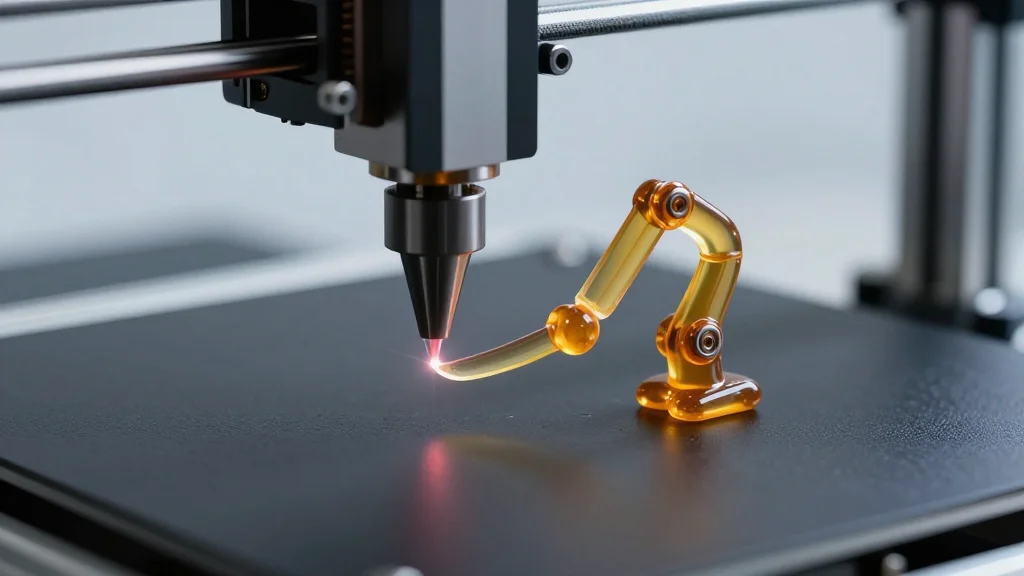
4D Printing Technology Uses Waste Sulfur to Enable Self-Actuating Soft Robots
Researchers at KRICT, Hanyang University and Sejong University have unveiled the world’s first 4D‑printing platform that uses sulfur‑rich polymers derived from petroleum‑refining waste. By engineering a loosely cross‑linked sulfur polymer network, the material can be extruded, printed, and programmed to...
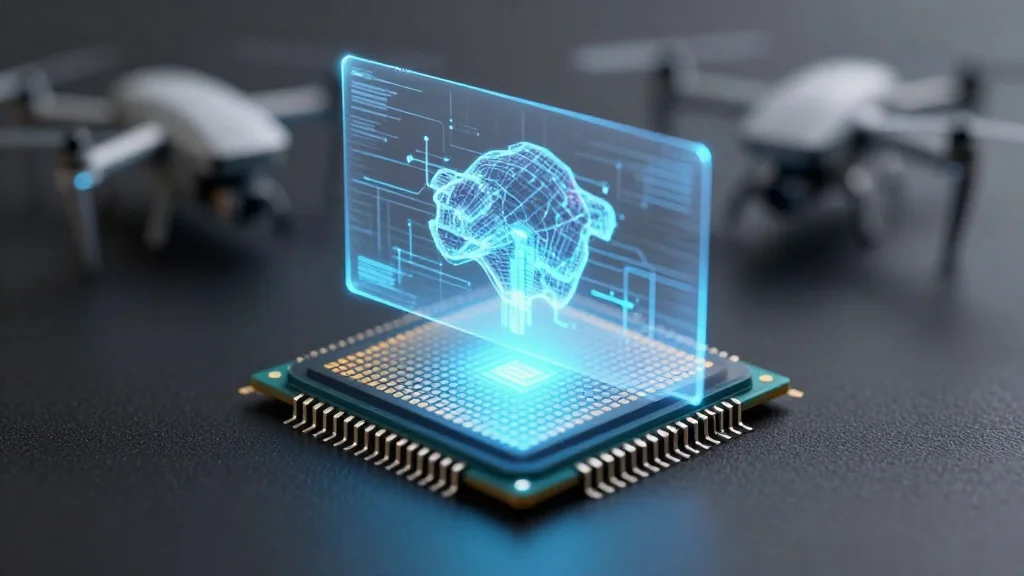
New Chip Lets Robots See in 4D by Tracking Distance and Speed Simultaneously
Researchers have created a silicon chip that integrates a 61,952‑pixel focal‑plane array capable of both emitting and receiving FMCW LiDAR signals, delivering 4D imaging that captures distance and speed simultaneously. The prototype generated detailed 3D point clouds at ranges from...
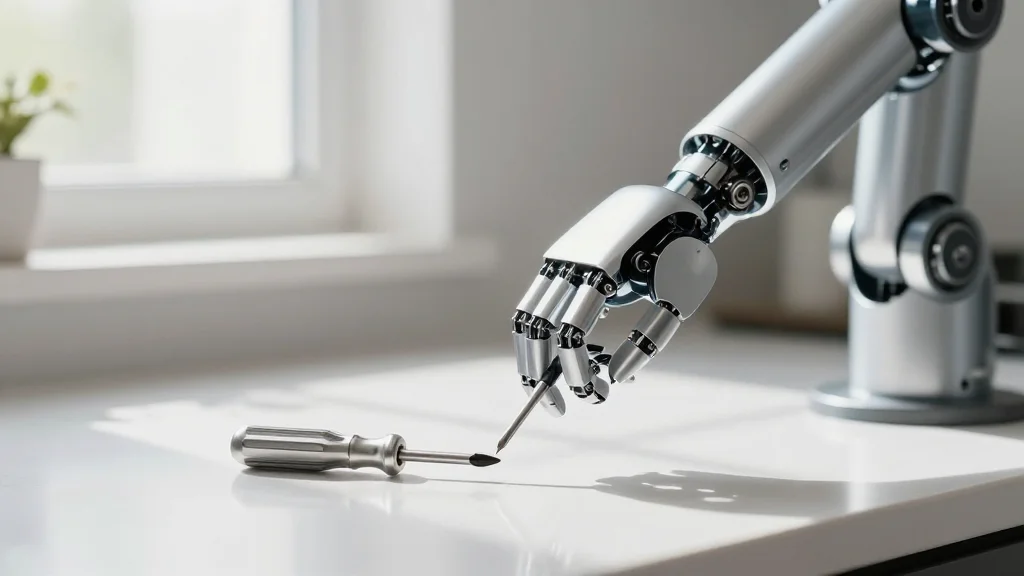
Robots that Learn Everyday Tasks Can Free Humans From Repetitive Work
Korea Institute of Machinery and Materials (KIMM) unveiled the RoGeTA robot task AI, a system that learns everyday activities from human demonstrations and executes them through a hierarchical task‑execution framework. The platform combines task‑extraction, virtualized training environments, and step‑by‑step reasoning,...
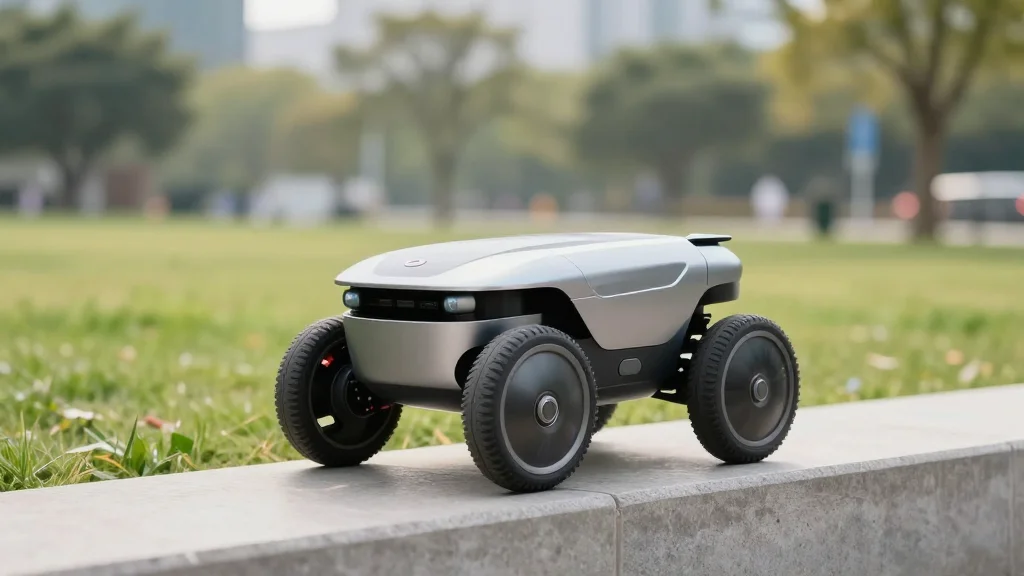
A Bicycle Robot that Can Drive Fast and Jump over Obstacles
Researchers at the Robotics and AI Institute unveiled the Ultra Mobility Vehicle (UMV), a bicycle‑based robot that can drive at 8 m/s, hop over 1‑meter obstacles, and perform flips using only five actuated degrees of freedom. The platform uses a heavy...
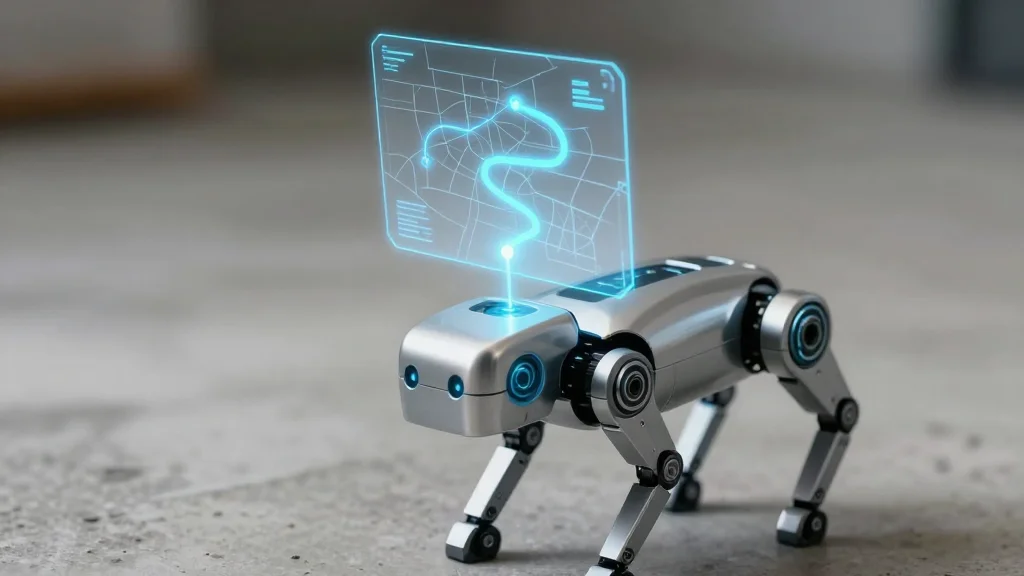
Hybrid AI Planner Turns Images Into Robot Action Plans
MIT researchers unveiled VLM‑guided formal planning (VLMFP), a hybrid AI system that converts a single image into executable robot action plans. The approach couples a vision‑language simulator (SimVLM) with a generative model (GenVLM) to produce PDDL files for classical planners,...
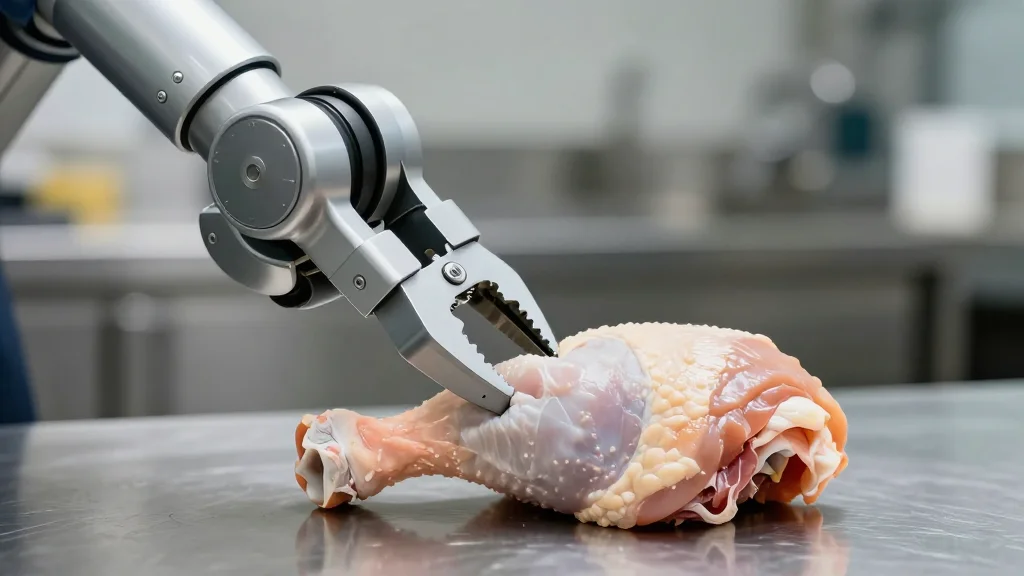
Poultry Processing Robotics Advances with ChicGrasp
Researchers at the Arkansas Agricultural Experiment Station unveiled ChicGrasp, a dual‑jaw robotic gripper that learns to grasp, lift, and hang chicken carcasses by imitating human motions. The system employs a diffusion‑policy imitation‑learning algorithm and camera perception, achieving an 81% success...