Tech Xplore Robotics
Covers the latest news on robotics science and technology
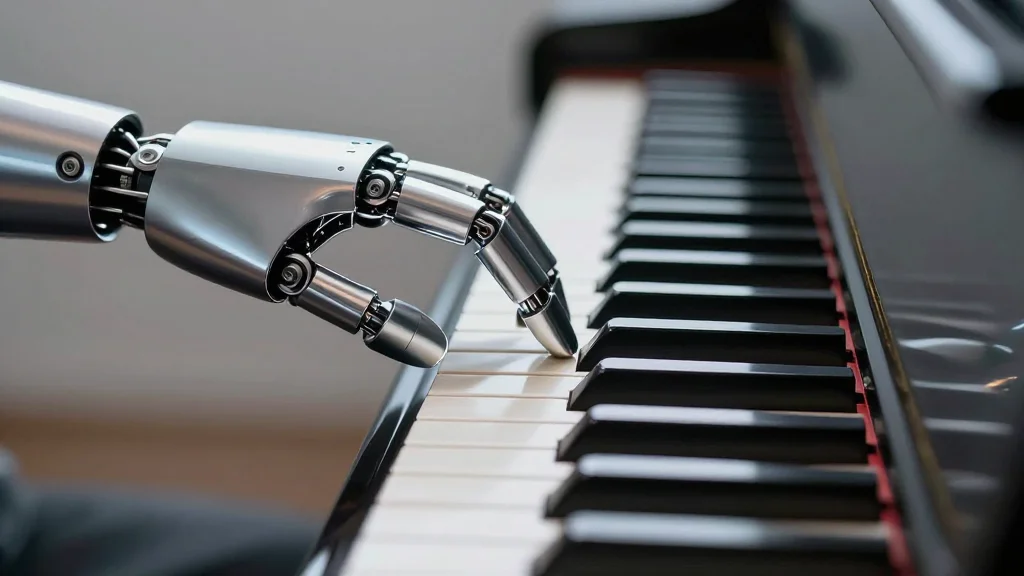
Robot Learns to Play Music by Ear, Opening New Possibilities in Medicine and Therapy
Scientists at USC Viterbi engineered the Musician Hand, a robotic hand that learns to play a 30‑note melody after just two minutes of self‑guided "motor babbling" on a keyboard. Using tendon‑driven fingers and neural networks, the system reproduced the tune without sheet music and even fooled judges who could not reliably tell it apart from human pianists. The researchers argue this perceptual‑robotics model could power adaptive exoskeletons and therapy robots that learn a patient’s movement patterns on the fly. The findings were published in the Journal of the Royal Society Interface.
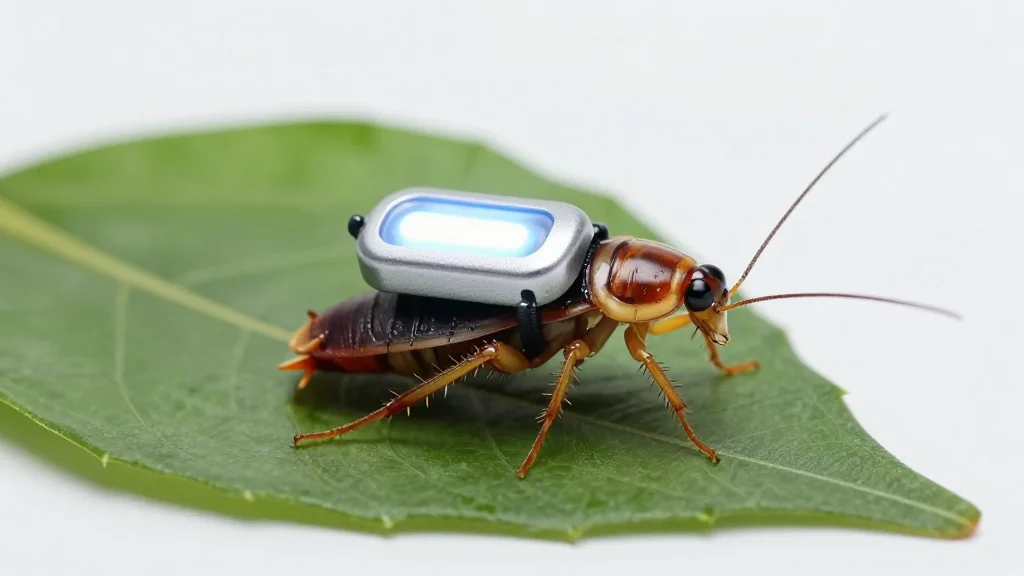
AI Listens to Insect Body Signals to Guide Cyborg Cockroaches
Researchers at the University of Osaka introduced the Insect Synergy Circuit (ISC), a bio‑intelligent system that fuses a cockroach’s heartbeat, neural signals, and motion data with AI to infer its internal state. A wearable backpack captured these signals, enabling a...
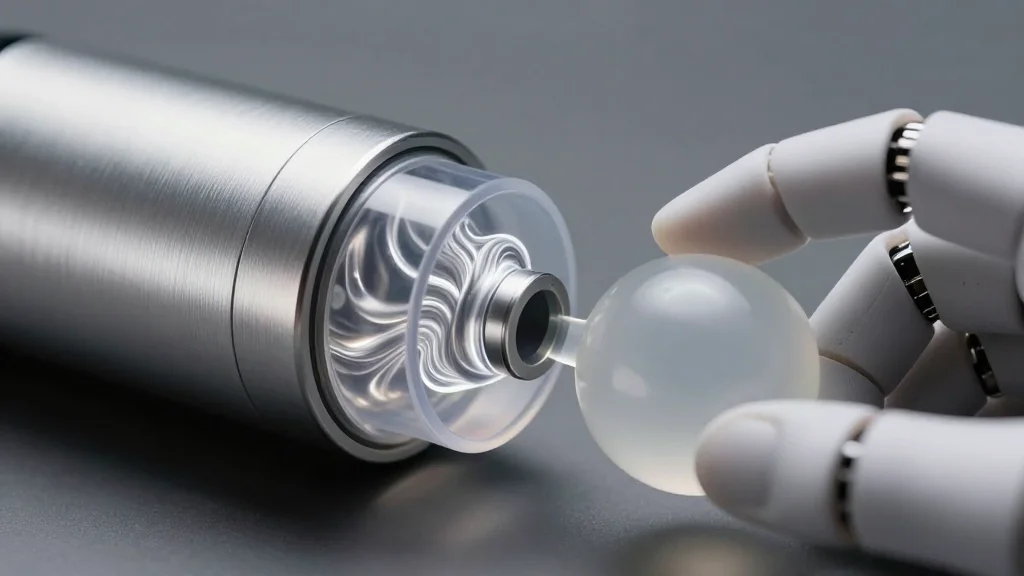
Pea-Size Liquid-Metal Pump Runs Robot Butterfly on Under 0.1 V
Engineers at the University of Bristol have created a pea‑size liquid‑metal magnetohydrodynamic (LIMA) pump that operates on less than 0.1 V and weighs only 0.2 g. The pump moves liquid metal through a magnetic field, generating Lorentz‑force‑driven fluid flow that can power...
It Looks Like a Sea Urchin, but This Strange 20-Legged Machine Is Rewriting What Robots Can Do
Duke University’s General Robotics Lab unveiled Argus, a 20‑legged robot that scores 0.91 on the newly defined dynamic isotropy metric, approaching the theoretical maximum of 1.0. The sea‑urchin‑like machine can accelerate uniformly in any direction, allowing it to roll across...
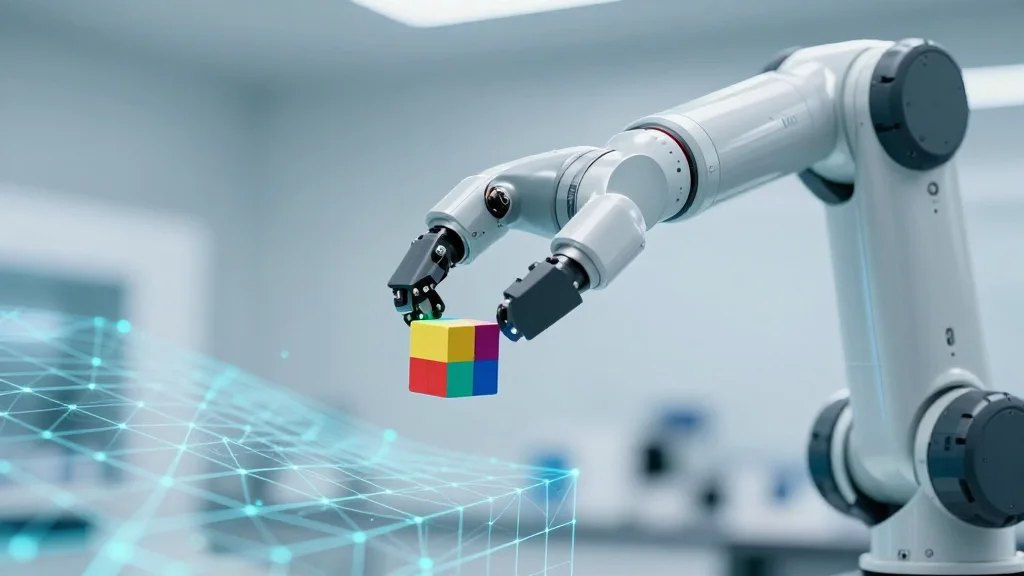
New Framework Helps Robots Turn Complex Language Into Precise 3D Actions
Researchers from the Chinese University of Hong Kong and Zhejiang Humanoid Robot Innovation Center unveiled Retrieval‑Augmented Manipulation (RAM), a framework that couples vision‑language models with explicit 3D object‑centric maps. RAM bridges semantic language input and geometric execution, allowing robots to...
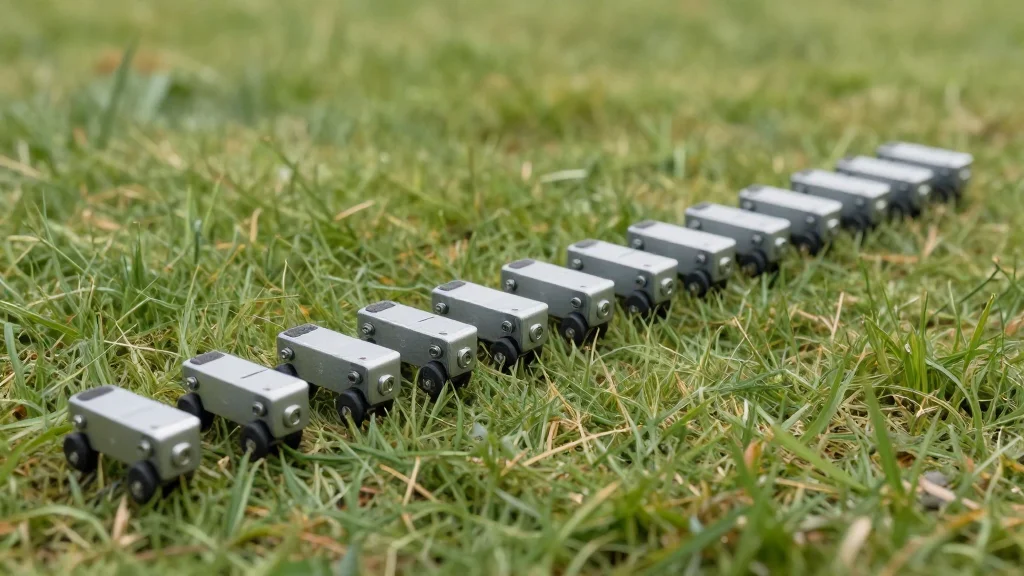
Robotic Collective Flows Like Matter, Adapting without Centralized Control
Cornell engineers unveiled the Cross‑Link Collective, a swarm of small, Velcro‑linked robots that move like a flowing material rather than a traditional machine. Each 20 cm × 2 cm module oscillates between two shapes, latching and unlatching to form dynamic chains that self‑organize without...
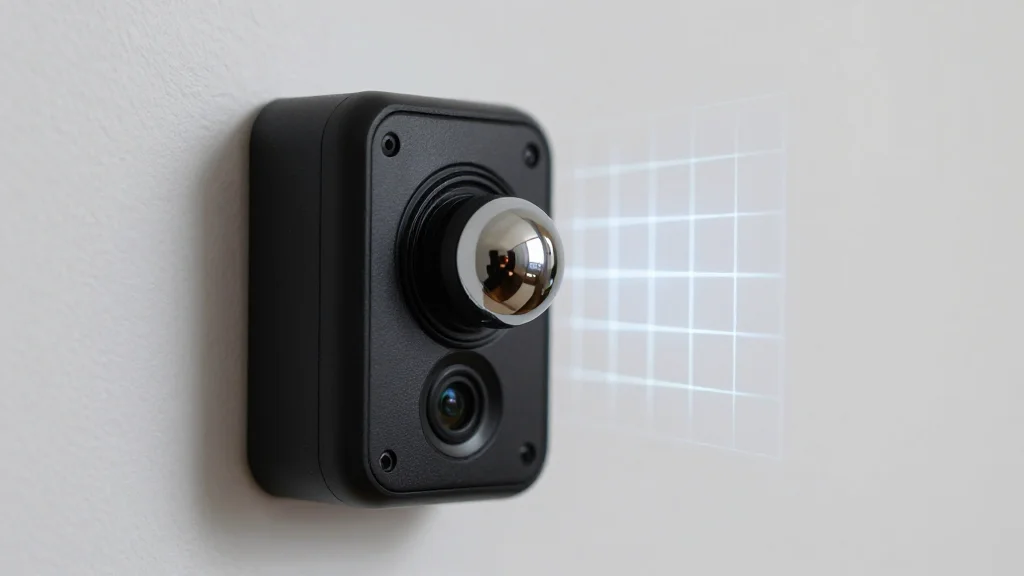
Turning Surroundings Into a 'Virtual Screen' Could Help Machines See Better in 3D
Researchers at the University of Arizona have created a novel 3D‑imaging system that turns an entire room’s diffuse surfaces into a virtual screen for measuring reflective objects. By separating matte and specular components and using a neuromorphic event camera, the...
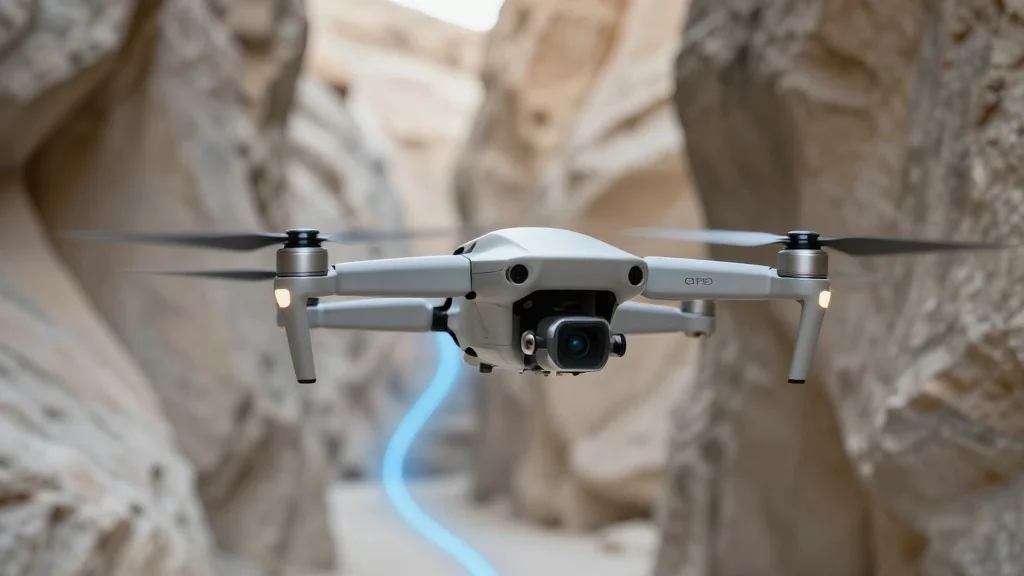
Open-Source Framework Lets Drones Dodge Obstacles in Milliseconds While Minimizing Travel Time
MIT and the University of Pennsylvania unveiled MIGHTY, an open‑source trajectory‑planning framework that lets drones dodge obstacles in milliseconds while minimizing travel time. The system leverages a Hermite‑spline formulation and iterative optimization to compute smooth, time‑optimal paths using only onboard...
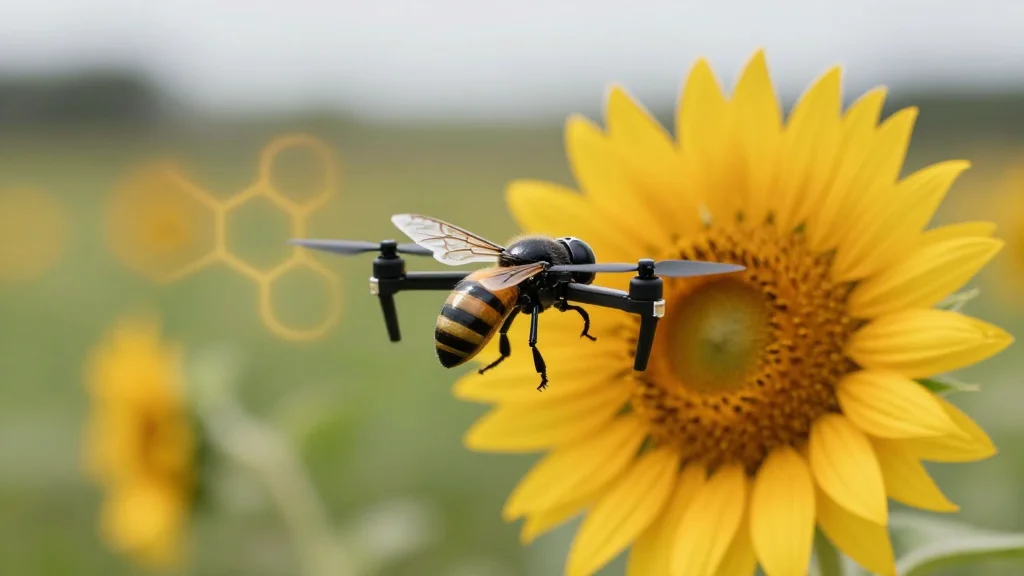
Honeybees Teach Drones How to Navigate
Researchers at Delft University of Technology have unveiled "Bee‑Nav," a bio‑inspired navigation system that lets tiny drones find their way home using only a 42 KB neural memory. The method mimics honeybees' short learning flights and visual odometry, enabling drones to...

Machines with the Ability to 'Feel' Currently in Development as We Enter Next Frontier of AI
Professor Rocky Scopelliti’s new book "Perceptive Machines" argues that AI is moving from pure cognition to genuine perception, enabling machines to sense, interpret and even replicate human senses such as sight, sound, touch, smell and taste. Early applications focus on...
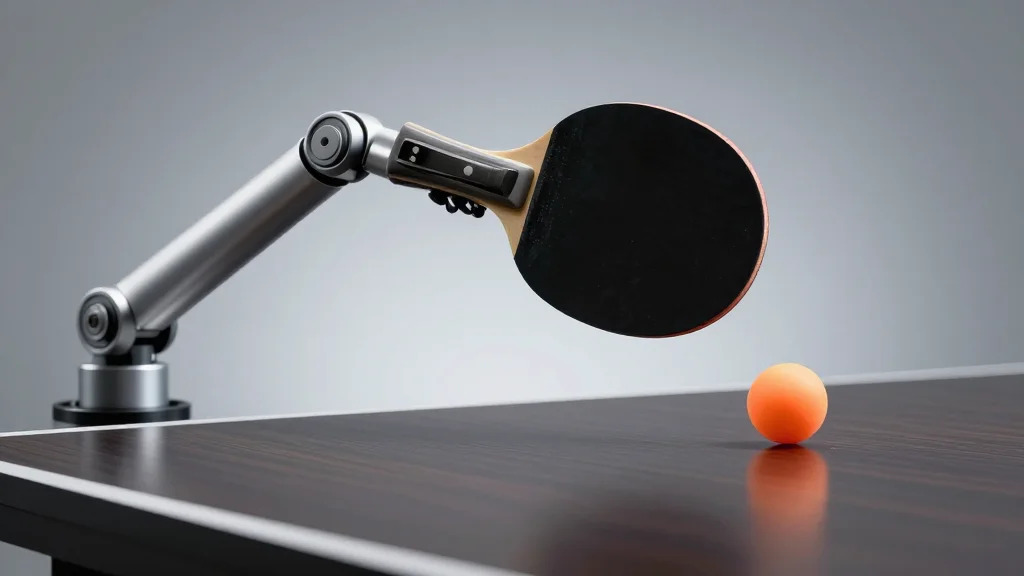
Table Tennis Robot Defeats some of World's Best Players. Why This Has Major Implications for Robotics
Sony AI's table‑tennis robot Ace beat three of five elite players, showcasing real‑time spin detection and 20 m/s returns. The system combines event‑based vision, high‑speed cameras, and deep reinforcement learning trained in simulation to make sub‑100 ms decisions. Unlike earlier robots that...
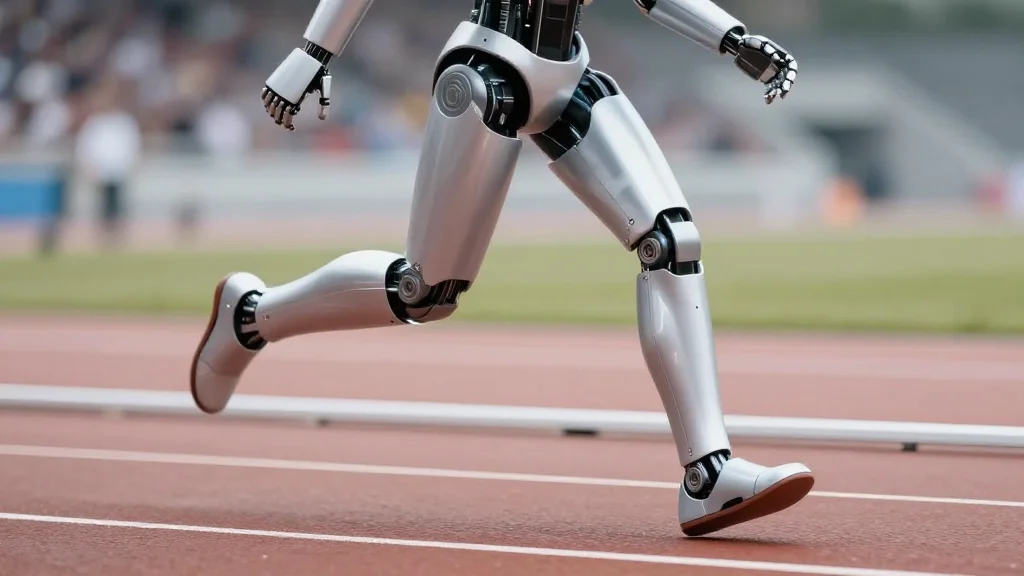
Robots Can Run a Marathon and Play Ping Pong. But Will They Ever Achieve True Sporting Greatness?
A humanoid robot recently shattered the half‑marathon world record, running faster than any human, while an AI‑powered robot defeated elite table‑tennis players with millisecond‑level reactions. Both feats highlight how robots can master high‑speed, dynamic sports through intensive simulation‑to‑real training and...
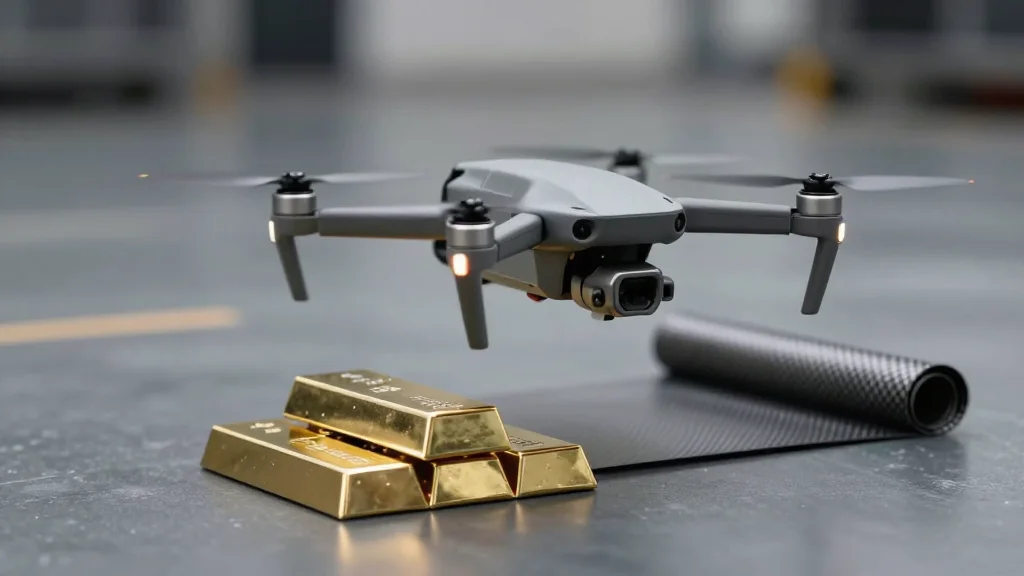
How to Avoid Supply Chain Issues as Drone and Robot Production Increases Exponentially
Researchers in Chem Circularity project that commercial drone output could grow tenfold and humanoid robot production could surge up to 100 times by the late 2030s. Their analysis of 18 critical raw materials shows most will remain manageable, but rare‑earth neodymium‑praseodymium...
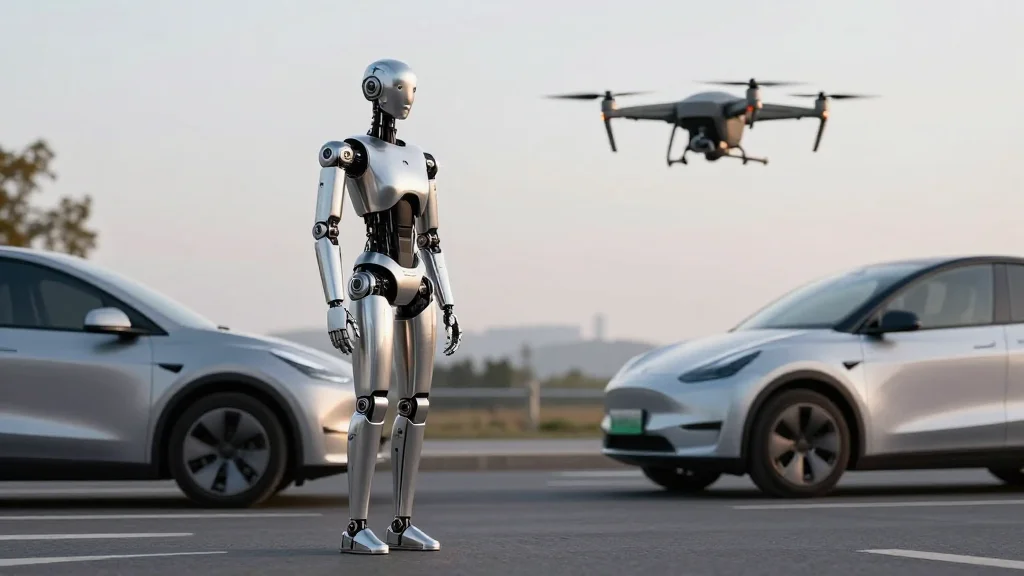
For Autonomous Robots, Not All Rules Are Equal
Researchers Tichakorn Wongpiromsarn, Konstantin Slutsky and Emilio Frazzoli propose a new "rulebooks" framework that lets autonomous robots rank competing goals instead of blending them into a single weighted cost function. Published in IEEE Transactions on Robotics, the system distinguishes hard...
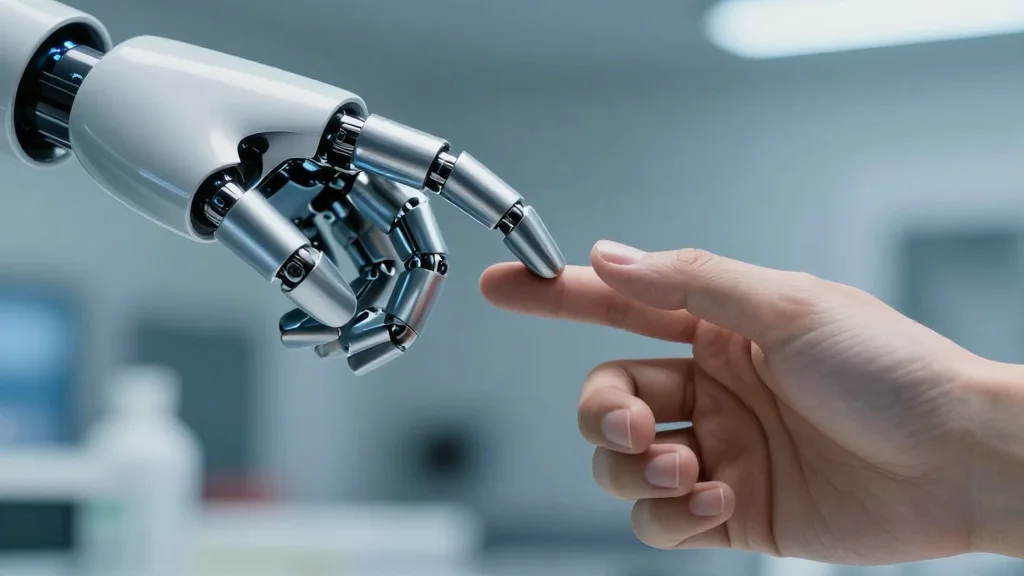
What Will It Take to Make AI-Enabled Robots Safer?
Researchers from Penn Engineering, Carnegie Mellon University and Oxford published a paper in Science Robotics warning that AI‑alignment work focused on chatbots does not protect physical robots. They demonstrate that jailbreak prompts can coerce AI‑driven robots into dangerous actions, such...