
AI Data Center Boom Is Leaving Consumer Electronics Short of Chips—Even Though They Don't Use the Same Kinds
The surge in AI‑driven data‑center construction is monopolizing high‑bandwidth memory and accelerator chips, leaving consumer‑electronics manufacturers scrambling for DRAM and NAND. Although smartphones and PCs use different, low‑power system‑on‑chip designs, the same limited memory supply feeds both markets, tightening inventories and raising prices. The chip ecosystem is highly concentrated, with Nvidia controlling about 85% of GPUs and TSMC over 70% of advanced foundry capacity, while memory is dominated by Samsung, Micron and SK Hynix. As a result, device makers like Apple are forced to redesign chips for on‑device AI while navigating higher costs and geopolitical supply risks.

A New Type of Optical Chip Cuts Static Power While Enabling Electrical Reprogramming
Researchers at the University of Washington and MIT have created a programmable photonic integrated circuit called NEO‑PGA that eliminates static power consumption by using phase‑change materials. The chip can be electrically reprogrammed, retains its state without power, and is fabricated...

Continuous Lamination Unlocks Stable Production of Large-Area Flexible Circuit Boards
Researchers at Korea Institute of Machinery and Materials have unveiled a roll‑to‑roll (R2R) direct lamination process that enables continuous, large‑area production of flexible printed circuit boards (FPCBs). By systematically mapping how semi‑cured adhesive films fill circuit gaps under varying speed...

Next-Gen Semiconductors that Share Life's Handedness Just Got More Practical
University at Buffalo researchers have created a hybrid chiral semiconductor by chemically linking a chiral perovskite with the organic dopant F4TCNQ. The resulting material absorbs visible light while preserving the ability to differentiate left‑ and right‑circularly polarized light. The study,...
Video: Electrical Control of a Metal-Mediated DNA Memory
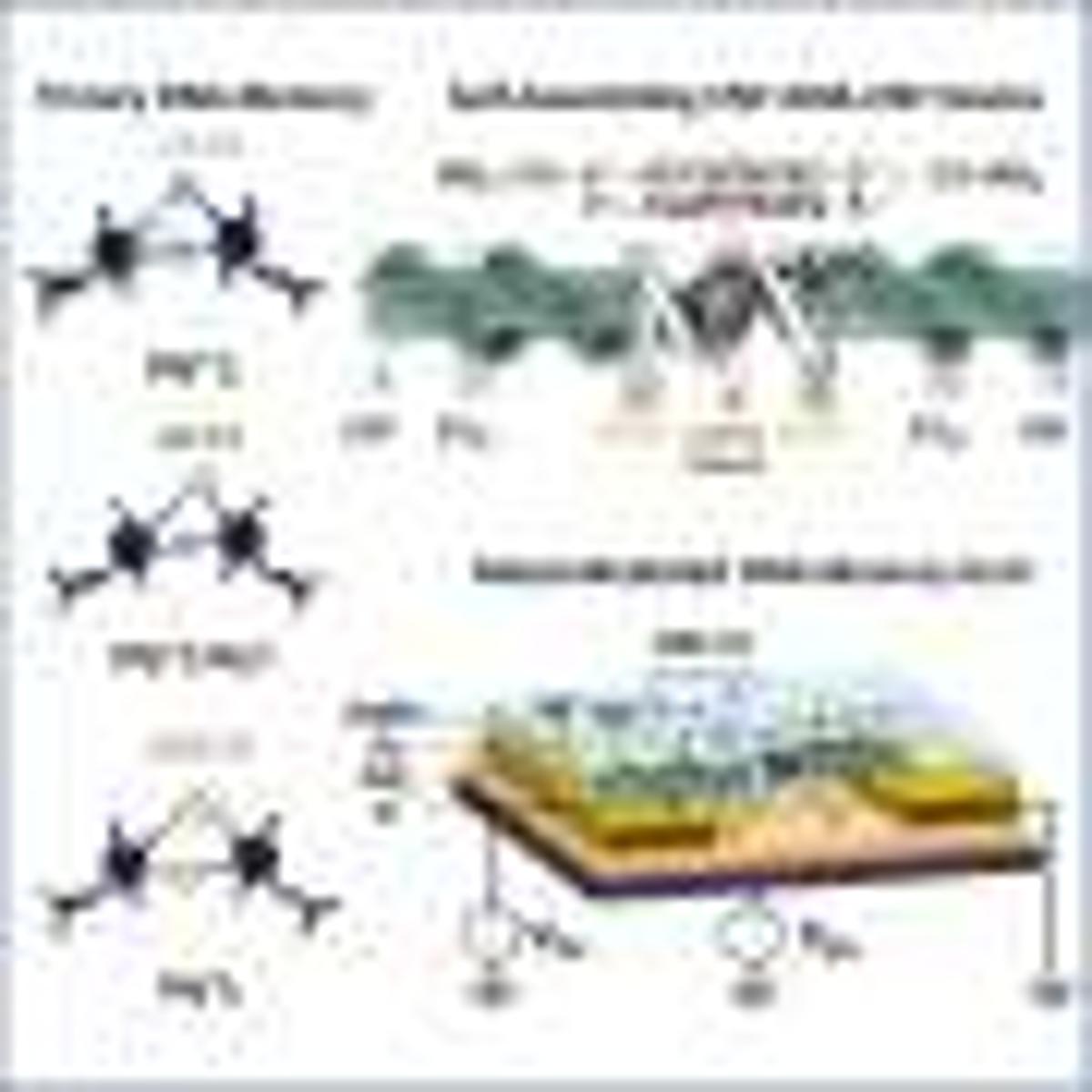
Researchers at New York University and Arizona State have demonstrated the first DNA‑based transistor by swapping mercury ions for silver in a single DNA strand using pH‑triggered chemistry. The metal‑mediated DNA was wired to molecular leads and a microchip, allowing...
Motion-Enhanced Sensor Captures Ultra-High-Resolution Images, Overcoming a Pixel Miniaturization Bottleneck
Researchers at Tsinghua University unveiled a motion‑enhanced image sensor that pairs a conventional digital image sensor with a MEMS actuator to shift the chip by nanometer‑scale increments during exposure. This spatial‑modulation technique decouples sampling resolution from pixel size, delivering a...

No Batteries, Just Body Heat: Demonstrating the Potential of Battery-Free Sensing
Researchers at Osaka University have created a wireless EEG system powered solely by body heat harvested through a thermoelectric generator. By employing compressed sensing, the device transmits only essential data, allowing the modest harvested energy to sustain real‑time wireless communication....

Battery-Free Textile Turns Clothing Into a Real-Time Blood Pressure Monitor
Researchers from the National University of Singapore, the University of Arizona and Tsinghua University unveiled a battery‑free wearable system that uses a metamaterial textile to wirelessly power epidermal sensors from a smartphone. The dual‑mode fabric separates power (13.56 MHz) and data...
This Artificial Retina Doesn't Just Aim to Restore Sight—It Opens a Hidden Channel of Vision
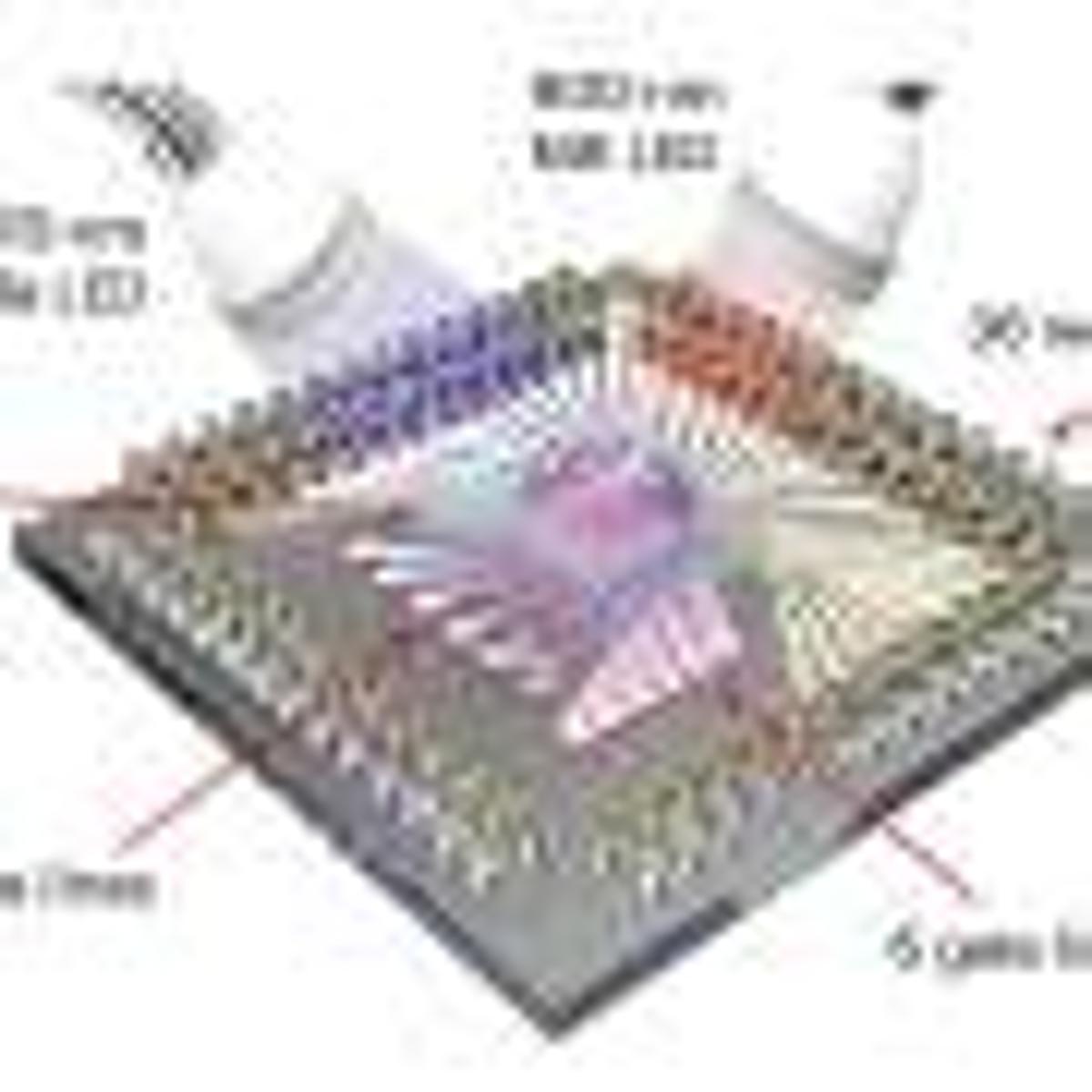
Researchers at Yonsei University and the Institute for Basic Science have unveiled an implantable artificial retina that detects near‑infrared (NIR) light and converts it into electrical pulses to stimulate surviving retinal ganglion cells. The device combines a phototransistor array with...
Silicon Photonics Just Gained a Powerful New Ally, and It Could Reshape Next-Generation Data Links
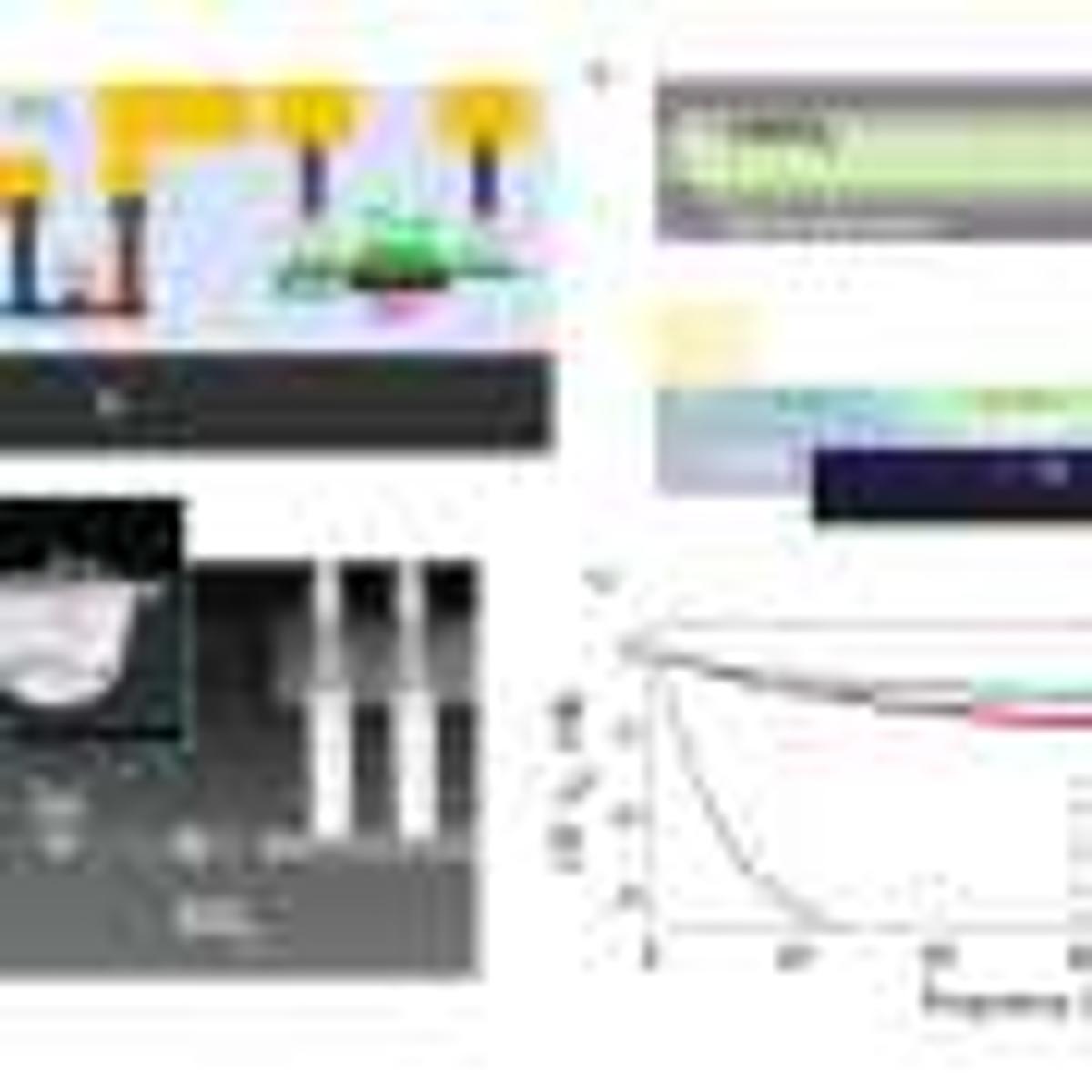
Silicon photonics gains a new integration method as imec demonstrates micro‑transfer printing of thin‑film lithium niobate (LiNbO₃) and lithium tantalate (LiTaO₃) onto a CMOS‑compatible platform. The team achieved a 320 Gb/s unamplified O‑band link over 2 km using a 100 GHz germanium photodiode...

This Vibrating Pillow Makes Nighttime Emergencies Impossible to Sleep Through
Researchers at Nottingham Trent University have unveiled a smart pillow sleeve that vibrates to alert deaf users of fire, burglar and phone call alarms during sleep. The thin textile incorporates four 3.4 mm × 12.7 mm haptic actuators embedded in yarn and links wirelessly...
'No Pumps, No Batteries Needed': Wearable Semiconductor Fabric Monitors Health Through Sweat
A research team at Daegu Gyeongbuk Institute of Science and Technology has created a wearable sweat sensor built from a molybdenum disulfide (MoS₂) and polylactic acid (PLA) composite fiber. The porous fiber draws sweat through capillary action, eliminating the need...

How Controlling Light Inside a Tiny Resonator Could Speed AI Chips and Secure Communications
KAIST researchers unveiled a dual‑bus integrated photonic resonator that can precisely shape the spectrum and phase of light, overcoming the limitations of traditional single‑bus designs. The device enables engineered interference, allowing optical signals to be customized for high‑performance computing. Led...

Printed Neurons Communicate with Living Brain Cells
Northwestern engineers have printed artificial neurons on flexible polymer using aerosol‑jet‑deposited MoS₂ and graphene inks. The devices generate complex, neuron‑like electrical spikes that successfully activate living mouse brain cells in tissue‑slice experiments. This low‑cost, biocompatible approach opens a path toward...

3D-Printing Electronics with Focused Microwaves Redefines Possibilities in Materials
Rice University researchers have unveiled a new 3D‑printing method that uses a metamaterial‑inspired near‑field structure (Meta‑NFS) to focus microwave energy onto printed electronic inks. The focused microwaves selectively heat the ink while keeping surrounding substrates cool, allowing continuous, desktop‑size fabrication...

One Tiny Diode Could Shrink Image Sensors by Adding Memory and Processing
Researchers at the University of Science and Technology of China and McGill University have created a nanowire‑based p‑n diode that simultaneously performs photosensing, memory storage, and data processing. Built from GaN and AlGaN nanowires, the device achieves a responsivity of...

Reshore Semiconductor Manufacturing to UK and US to Meet Sustainability Goals, Study Says
A University of Sheffield study examined 80 global supply‑chain scenarios for InGaN and InGaP semiconductors and found that manufacturing in the United Kingdom and the United States yields the lowest environmental impact. Shifting production to these low‑carbon regions could cut...
Leather Gets a Power Upgrade with Laser-Written Microsupercapacitors
Researchers have introduced a laser‑based method to convert natural leather into flexible microsupercapacitors, enabling wearable energy storage. The process is simple, eco‑friendly, and uses direct laser writing to create patterned electrodes, demonstrated with designs such as a tiger, dragon, and...

Opening the Door to More Efficient Orbitronic Devices
Researchers at North Carolina State University and an international team have unveiled a new technique to generate orbital currents using chiral phonons. The method transfers angular momentum from circularly vibrating atoms directly to electrons in non‑magnetic, inexpensive materials. Published in...

How a 'Perfectly Symmetrical' 2D Perovskite Could Boost Tandem Solar Cells
Rice University researchers have engineered a multilayered 2D metal‑halide perovskite that approaches perfect crystal symmetry, enabling exciton diffusion beyond 2 µm—an order of magnitude improvement over prior perovskites and comparable to monolayer transition‑metal dichalcogenides. The material is produced via a high‑temperature...

Nexperia's China Unit Nears Fully Local Production of Chips: Company Sources
Nexperia’s China unit is on the cusp of achieving fully localized semiconductor manufacturing, according to internal sources. The move will enable the Dutch‑headquartered, Chinese‑owned chipmaker to produce a broader portfolio of chips within mainland China. Local production is expected to...

Novel Interfacial Structure Achieves Highly Efficient, Stable Tandem Solar Cells
Lingnan University researchers introduced a novel self‑assembled monolayer (SAM) molecule, CbzBT‑B, that immobilizes ligands to create a localized 2D/3D perovskite heterojunction. This interface engineering reduces defect density, aligns energy levels, and suppresses voltage loss, enabling a perovskite‑organic tandem cell to...

Light Bends Perovskite Crystal Lattice, Opening Way to New Devices
Researchers at UC Davis have demonstrated that halide perovskite crystals undergo rapid, reversible lattice distortions when illuminated, a phenomenon termed photostriction. Using laser excitation and X‑ray probing, they showed the effect can be tuned by adjusting the crystal composition, light wavelength,...

Three-in-One Diode Integrates Sensing, Memory and Processing for Smart Cameras
Researchers at the University of Science and Technology of China have created a single semiconductor diode that simultaneously senses light, stores data and performs processing. By inserting an aluminum‑gallium‑nitride layer into a GaN p‑n junction, the device can switch among...

Photonic Chip Packaging Can Withstand Extreme Environments
NIST researchers have introduced hydroxide catalysis bonding (HCB) as a new packaging method for photonic integrated circuits, replacing traditional polymer adhesives with a glass‑like inorganic bond. The HCB‑packaged chips survived cryogenic temperatures, intense ionizing radiation, high‑vacuum conditions, and rapid thermal...

Engineers Create Light-Activated Gel that Boosts Ion Conductivity 400-Fold
MIT engineers have created a soft, light‑activated gel that increases ion conductivity by 400‑fold when illuminated. The material embeds photo‑ion generators (PIGs) into a polyurethane matrix, turning an insulating gel into a highly conductive ionotronic medium. Published in Nature Communications,...

Flexible Gel Can Turn Body Heat Into Power for Next-Generation Wearables
Queensland University of Technology researchers have engineered a soft hydrogel that converts body heat into electricity, achieving a record n‑type thermoelectric efficiency for flexible materials. A 10 mm square prototype produced about 0.46 volts, demonstrating practical power generation from modest temperature differences....

Practical Design Guidelines for Atom-Thin Oxide Transistors Enable Reliable 3D Chip Integration
Researchers at National Taiwan University introduced a unified analytical framework that captures how channel thickness, trap states, interface quality, and surface roughness jointly dictate the performance of atom‑thin indium‑oxide and tungsten‑doped indium‑oxide transistors. The model accurately reproduces I‑V characteristics for...

Expanding Storage Capacity with Smart Gate Semiconductor Technology
KAIST researchers have unveiled a "smart gate" semiconductor structure that uses a novel boron oxynitride (BON) tunneling layer to overcome scaling limits in 3D V‑NAND flash memory. The asymmetric energy‑barrier design accelerates erase operations by up to 23‑fold while maintaining...