The Regulatory Review (Penn) - Latest News and Information
Technology Pulse
EMAIL DIGESTS
Daily
Every morning
Weekly
Tuesday recap
EMAIL DIGESTS
Daily
Every morning
Weekly
Tuesday recap

Federal student loan debt now exceeds $1.8 trillion, with one in six U.S. adults carrying balances and a 10 % delinquency rate projected for 2025. The Trump administration’s One Big Beautiful Bill Act will cap borrowing amounts and eliminate the Grad PLUS program, effectively ending the Biden SAVE plan in July 2026. Critics warn the caps could limit access to high‑cost professional fields and shift borrowers toward private loans, while existing gender and racial disparities in debt burdens remain stark.

This week’s federal actions spanned health, environment and constitutional law. A U.S. District Judge halted the CDC’s plan to cut child vaccine recommendations, deeming the process arbitrary, while another judge struck down Arkansas’s Ten Commandments classroom display law as a...

Michael Francus proposes that states create a regulatory framework for city finances that prioritizes stable revenue sources and limits debt, mirroring the safeguards used by counties. He highlights county practices such as reliance on property taxes, state aid, debt caps,...

The 2025 GENIUS Act created a federal framework for dollar‑pegged stablecoins, granting them regulatory approval and a clear compliance perimeter. By requiring licensed issuers and 1:1 reserve backing, the law effectively excluded Bitcoin from the U.S. payment infrastructure. On‑chain data...

U.S. Health and Human Services Secretary Robert F. Kennedy Jr. is steering a push to expand the National Vaccine Injury Compensation Program (VICP) to cover autism spectrum disorder claims. Recent actions include a proposal to amend the VICP Injury Table,...

The article debunks three common myths about climate change: that it is not happening, that mitigation is quick, easy and cheap, and that the National Environmental Policy Act (NEPA) is the primary barrier to essential infrastructure projects. It cites recent...
The week saw a surge of lawsuits targeting the Trump administration, including Anthropic’s dual suits over alleged unlawful sanctions, Liberty Justice Center’s challenge to a new 10% global tariff, and the DNC’s FOIA suit against multiple federal agencies. Courts also...

AI-driven skill assessments could replace degree requirements, offering faster, merit‑based hiring. The article proposes a Department of Labor challenge to create portable, job‑specific AI tests for high‑demand roles. Successful tools would lower hiring costs, improve labor mobility, and reduce reliance...

The EU Short‑Term Rental Regulation (EUSTRR) takes effect in May, creating a unified registration system and mandatory data‑sharing protocol for an estimated four million short‑term rental units across all 27 member states. While substantive rules such as caps or quotas...

The European Union’s AI Act adopts a rights‑driven, human‑centric regulatory model, aiming to protect fundamental rights while curbing the power of large tech firms. Critics argue the EU has used regulation as a substitute for a coherent AI investment strategy,...

Federal regulators, led by the SEC, are cracking down on “AI washing,” where firms exaggerate or falsify AI capabilities in investor communications. Recent enforcement actions cite violations of the Securities Act of 1933, the Exchange Act of 1934, and Rule 10b‑5...
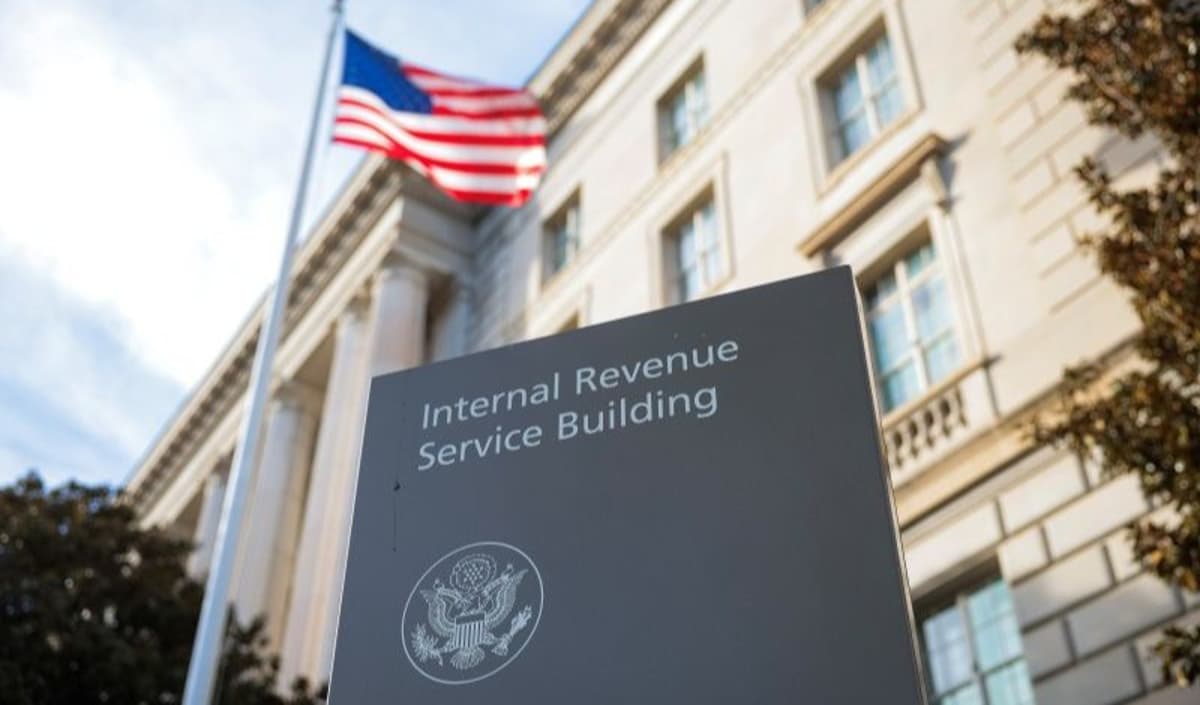
Congress has stripped more than $40 billion of IRS funding authorized by the Inflation Reduction Act, threatening the agency’s capacity to combat cross‑border financial crime. IRS Criminal Investigation referrals fell to a 40‑year low in FY2024, and its special‑agent force has...

The article argues that regulator‑regulatee agreements are not merely a peripheral tool but the dominant paradigm shaping modern regulation. Across sectors—from automobile safety to artificial intelligence and data‑privacy settlements—agreements precede, accompany, or replace traditional command‑and‑control rules. This perspective blurs the...


