
How Instant Payments Expose Banks to New Risks
A new Wharton‑MIT study shows Brazil's instant‑payment system Pix forces banks to hold more liquid assets and simultaneously push riskier lending. High‑Pix banks increased liquid holdings from roughly 8% to over 14% of assets while sub‑prime loan shares rose from 22% to 35%. The effect is strongest at smaller, less‑capitalized banks, which use the safety buffer to chase higher yields. The authors warn that similar pressures could arise from stablecoins, tokenized deposits, and U.S. initiatives like FedNow, especially as the Federal Reserve tightens liquidity through quantitative tightening.

How Personalized AI Tutors Can Help Students Learn
A Wharton‑led study tested an AI tutoring platform in ten Taipei high schools, varying only the sequence of practice problems. Students receiving a personalized problem sequence—adjusted in real time based on performance—outperformed peers on a standard Python exam by 0.15...

Does Your Insurance Protect You From Climate Risk?
Wharton professors Parinitha Sastry, Ishita Sen and Ana‑Maria Tenekedjieva won the 2025 Marshall Blume Prize for their paper on how climate‑risk mispricing in property insurance and mortgages creates hidden taxpayer liabilities and excess credit to vulnerable areas. The study finds...

How Rwanda Is Using Drones to Improve Health Care
In 2016 Rwanda partnered with Zipline to launch drone ports that deliver blood products to hospitals, turning multi‑hour trips into 15‑60‑minute drops. A Wharton‑led study shows the program cut postpartum hemorrhage deaths by 51% and trauma deaths by 30%, while...

AI’s Supply Chain Problem
In December PJM Interconnection missed its summer 2027 reserve target by about 6,600 MW, a shortfall driven largely by AI data‑center growth that accounts for 94% of projected load. The shortage exposes the lagging pace of power‑infrastructure build‑out—large transformers take roughly...

Lasting Loyalty: Why ‘Unreasonable Hospitality’ Wins
Unreasonable hospitality, a philosophy championed by restaurateur Will Guidara, turns service failures into loyalty‑building moments. By applying the Peak‑End Rule, companies that respond to mistakes with swift apologies, ownership, empathy, and a generous gesture can double repeat visits, quadruple frequency,...
Why Leadership Changes Often Backfire
Katherine Klein, a Wharton professor, discusses new research on leadership succession based on a large‑scale study of U.S. public schools. The findings show that new leaders have a brief, high‑impact window—typically the first six months—where their actions shape employee attitudes...

Judgment Is the New Bottleneck
AI can now generate, summarize, and analyze content, but it still cannot judge, creating a new bottleneck for businesses. On the "Where AI Works" podcast, Expedia Group senior vice president Ritcha Ranjan explains that effective AI systems must be designed...
How Economic Strain and AI Are Reshaping Family Roles
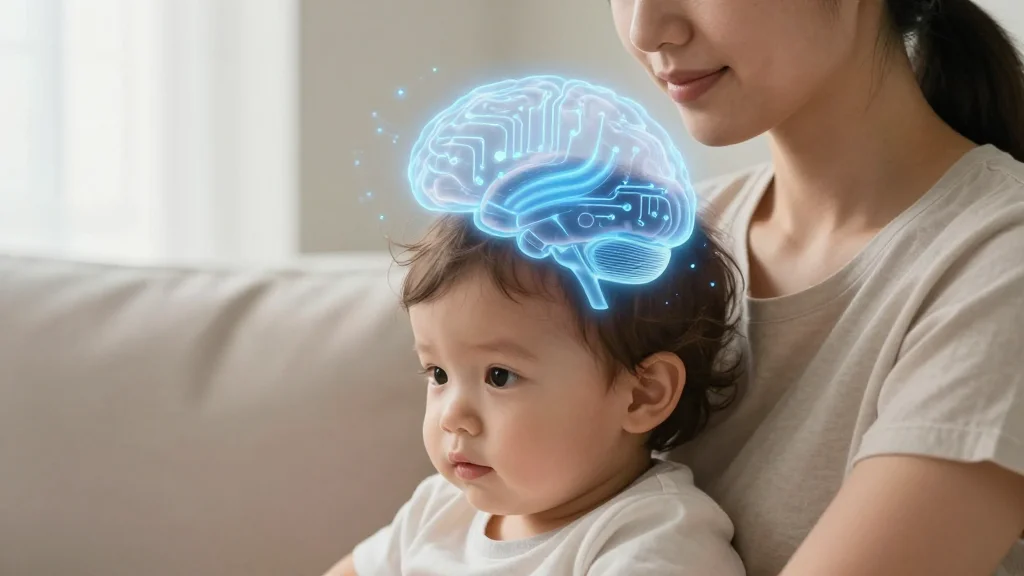
Wharton professor Corinne Low warns that soaring living expenses, entrenched gender inequality, and the rise of AI‑driven automation are converging to heighten stress on working mothers. She explains how AI is displacing routine jobs traditionally held by women, while wage...

When AI Transparency Backfires
Researchers from UNSW and Wharton reveal that popular explainable‑AI tools, especially partial dependence plots, can be deliberately manipulated to mask bias while model decisions remain unchanged. By inserting synthetic feature combinations that rarely occur in real data, models can produce...

Five Things to Know About Private Credit
Private credit has swelled to roughly $1.8 trillion since the 2008 crisis, drawing capital from everyday savers through life‑insurance annuities and other “shadow‑bank” vehicles. Recent withdrawals of billions from flagship Blackstone funds have spotlighted liquidity strains and opaque valuations. The sector’s...

How AI Agents Are Transforming Modern Marketing Strategy
Stefano Puntoni, a Wharton marketing professor, explains that generative‑AI search and autonomous agents are reshaping how brands reach consumers. These tools move beyond keyword matching to infer intent, delivering hyper‑personalized recommendations and even completing purchases without human clicks. The shift...

Climate Regulation Rollbacks and the Rise of Nuisance Lawsuits
Professor Sarah Light of Wharton warns that congressional moves to repeal the EPA’s endangerment finding under the Clean Air Act would shrink federal climate‑regulatory power. Without the finding, the EPA loses a key legal basis to curb greenhouse‑gas emissions from...
AI Adoption Is a Challenge. Here’s a Solution.
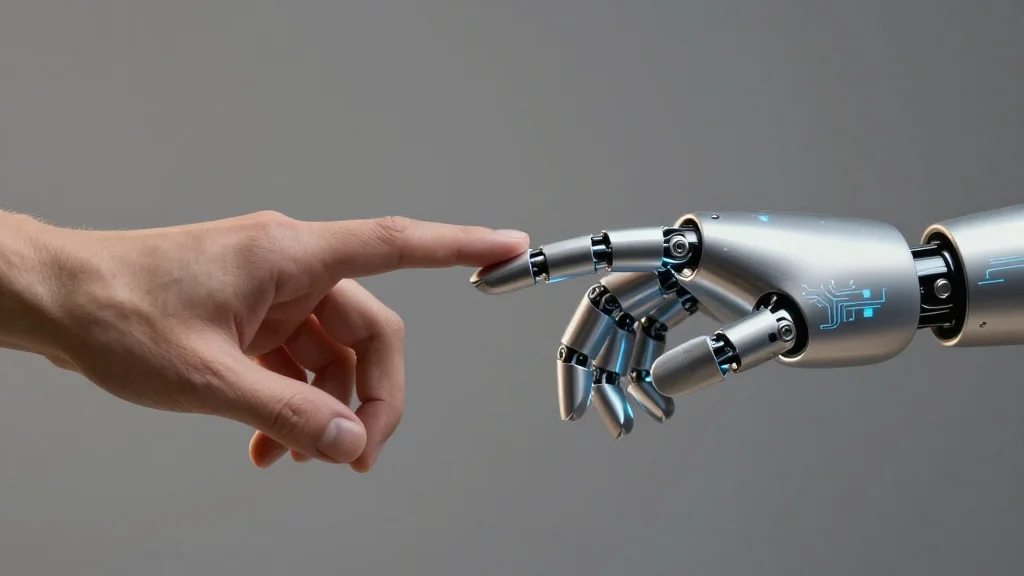
Leaders are confronting a widening gap between AI investment and employee use, with 31% of U.S. knowledge workers and 41% of Gen Z actively resisting corporate generative‑AI initiatives. Research shows the resistance stems from unmet psychological needs—competence, autonomy, and relatedness—rather than...
Why You Shouldn’t Ask Chatbots to Act Like an Expert
A new Wharton Generative AI Labs study examined six large language models on graduate‑level science, engineering and law questions and found that assigning "expert" personas to prompts does not consistently boost accuracy. In most cases, the persona‑based prompts performed no...