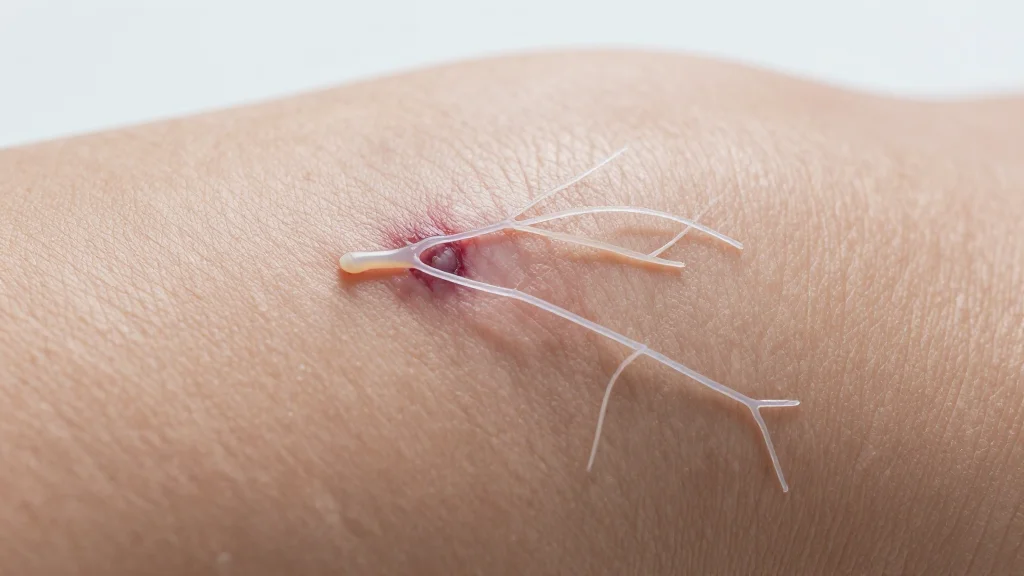
Lipopolysaccharide Exposure Before Injury Improves Regeneration in Aged Skin

Key Takeaways
- •LPS pre‑treatment accelerates wound closure in aged mouse skin
- •NETs and macrophage protrusions form a rapid physical barrier
- •Enhanced keratinocyte migration and ECM adhesion follow immune priming
- •Findings suggest immune modulation could address chronic elderly wounds
Pulse Analysis
Chronic wounds in the elderly represent a growing socioeconomic burden, with delayed healing leading to infections, hospitalizations, and increased care costs. Traditional approaches focus on topical dressings or growth‑factor applications, yet they often overlook the underlying age‑related decline in innate immunity. Understanding how the immune system can be re‑educated to support tissue repair is therefore a critical frontier for dermatology and geriatric medicine.
In a recent preclinical study, scientists administered a single low‑dose of lipopolysaccharide (LPS) to aged mice before inflicting a skin injury. The LPS priming activated neutrophils to release extracellular traps and prompted macrophages to extend membrane protrusions, together establishing a provisional barrier that sealed the wound within hours. This barrier not only blocked pathogen entry but also created a scaffold that guided keratinocytes and mesenchymal cells to migrate, differentiate, and rebuild the epidermal layer. By restoring the crosstalk between innate immune cells and epithelial tissues, the intervention reversed the typical delay seen in aged wound closure.
The implications extend beyond the laboratory. If a comparable immune‑modulating protocol can be safely adapted for humans, clinicians could pre‑emptively boost skin resilience in high‑risk populations—such as seniors undergoing surgery or those with diabetic ulcers. However, translating LPS, a potent endotoxin, into a therapeutic requires careful dose titration, delivery mechanisms, and monitoring for systemic inflammation. Ongoing research aims to isolate the beneficial signaling pathways while minimizing toxicity, potentially leading to a new class of biologics that harness the body’s own defense system to accelerate healing and reduce the economic strain of chronic wounds.
Lipopolysaccharide Exposure Before Injury Improves Regeneration in Aged Skin
Comments
Want to join the conversation?