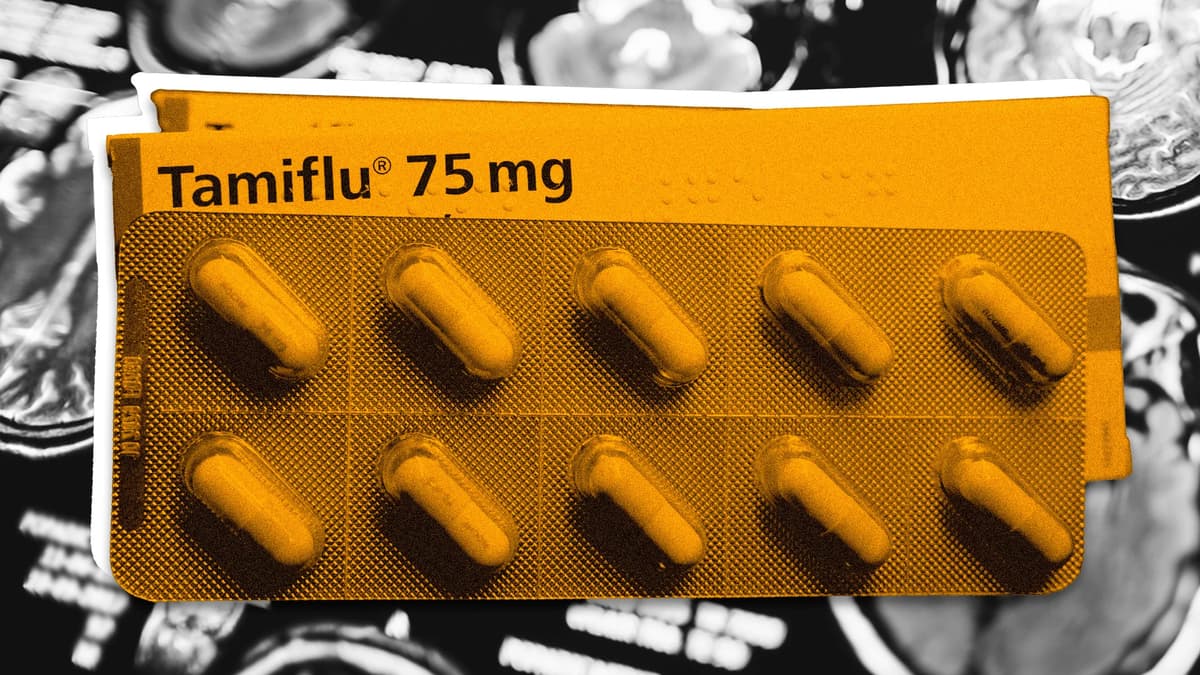
A Northwestern Study Just Revealed a Major Breakthrough in the Fight Against Cognitive Decline
Why It Matters
If flu antivirals can be safely redirected to treat cognitive decline, they could provide a low‑cost, widely available option for dementia and HIV‑related brain impairment, reshaping therapeutic strategies in neurology and infectious disease.
Key Takeaways
- •Flu antivirals reduced brain aging markers in HIV patients
- •Study linked degraded glycans to accelerated cognitive decline
- •Researchers caution against self‑medication pending clinical trials
- •Findings suggest repurposing existing drugs for dementia treatment
- •Next‑generation flu drug analogs could target aging pathways
Pulse Analysis
The Northwestern study shines a spotlight on drug repurposing, a strategy that leverages existing pharmaceuticals to address unmet medical needs. By demonstrating that flu antivirals can modulate glycans—sugar molecules that regulate inflammation—the researchers uncovered a mechanistic link between viral infection, glycan degradation, and accelerated brain aging. This insight is especially relevant for people living with HIV, where up to 25% experience cognitive deficits despite effective antiretroviral therapy. The ability to intervene at the glycan level could transform how clinicians approach neurocognitive complications in chronic viral populations.
Beyond HIV, the implications for age‑related neurodegeneration are profound. Dementia and Alzheimer’s disease have long eluded disease‑modifying treatments, prompting a search for therapies that target upstream biological processes. Flu antivirals, already approved and inexpensive, present a compelling candidate for rapid clinical translation. Their known safety profile could accelerate trial design, allowing researchers to test whether modulating glycans can slow or reverse cognitive decline in broader aging cohorts. Moreover, the study suggests that next‑generation analogs, engineered to enhance glycan protection, might offer even greater efficacy with minimal side effects.
From a market perspective, a successful repurposing pathway could disrupt the pharmaceutical landscape. Existing manufacturers could extend product lifecycles, while insurers might favor low‑cost, proven drugs over expensive novel agents. However, regulatory hurdles remain; robust randomized trials are essential to confirm efficacy and delineate optimal dosing for neurological outcomes. If validated, this approach could catalyze a wave of similar investigations, positioning flu antivirals as a cornerstone in the fight against cognitive decline and setting a precedent for leveraging established medicines to tackle complex age‑related diseases.
A Northwestern Study Just Revealed a Major Breakthrough in the Fight Against Cognitive Decline
Comments
Want to join the conversation?
Loading comments...