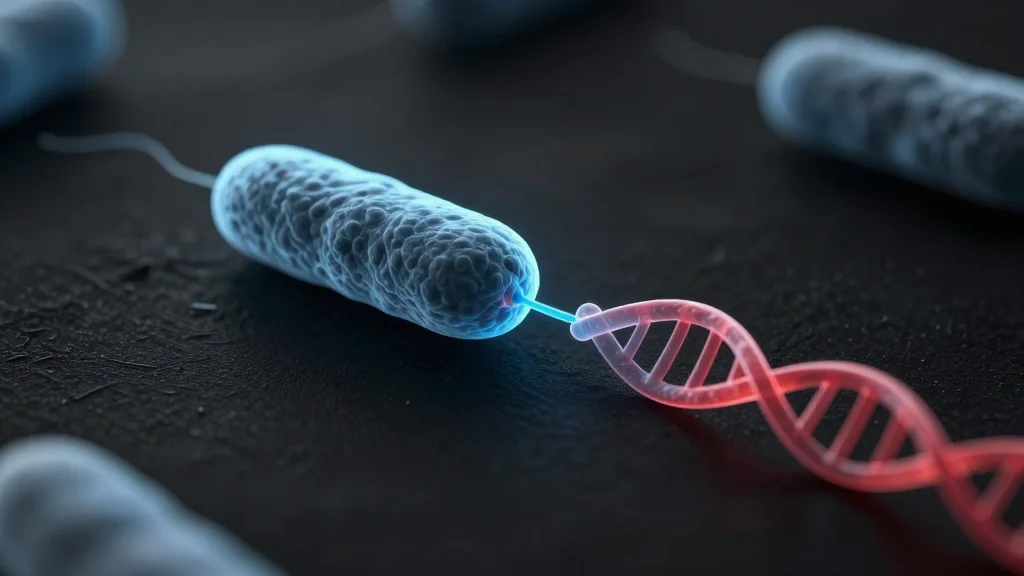
Ancient Wars Between Microbes Gave Us Key Immune Defenses
Why It Matters
The deep evolutionary ties provide fresh targets for therapeutics and a streamlined bacterial platform to dissect human immune mechanisms, accelerating translational research.
Key Takeaways
- •Bacterial antiphage systems share domains with human innate immunity
- •Over 300 microbial defense systems identified, up from few
- •Human antiviral proteins function in bacteria, confirming conservation
- •Insights guide novel antiviral drug target discovery
- •Microbial systems serve simplified models for human immunity research
Pulse Analysis
The discovery that human antiviral defenses trace back to microbial warfare reframes our understanding of immunity’s origins. Early structural clues, such as a cholera‑bacterium enzyme resembling a human viral sentinel, sparked a broader search that revealed dozens of bacterial and archaeal systems—collectively termed defense islands—mirroring eukaryotic pathways. By mapping shared domains like TIR, cGAS‑like enzymes, and gasdermins, scientists have built a phylogenetic bridge that links ancient phage resistance to modern innate immune signaling, underscoring nature’s iterative problem‑solving across billions of years.
These evolutionary parallels are more than academic curiosities; they are a fertile ground for drug discovery. The CRISPR revolution demonstrated how a bacterial antiphage tool could be repurposed for genome editing, and similar translational potential now exists for newly identified bacterial defenses. Compounds that mimic bacterial alarm molecules or inhibit conserved enzymatic steps could selectively bolster human antiviral responses. Moreover, the ability to express human immune proteins in bacteria—showing functional activity against phages—offers a rapid, cost‑effective assay platform for screening therapeutic candidates and dissecting mechanistic details that are harder to study in complex mammalian systems.
Looking ahead, the expanding catalog of microbial immunity promises to accelerate both basic and applied research. As bioinformatic pipelines mine millions of microbial genomes, more hidden defense systems will surface, some likely to share unexpected features with human pathways such as telomerase‑related DRT10. Leveraging these stripped‑down bacterial models will enable researchers to test hypotheses about human immunity at unprecedented speed, ultimately informing vaccine design, antiviral drug pipelines, and synthetic biology tools that harness nature’s oldest defense strategies.
Ancient wars between microbes gave us key immune defenses
Comments
Want to join the conversation?
Loading comments...