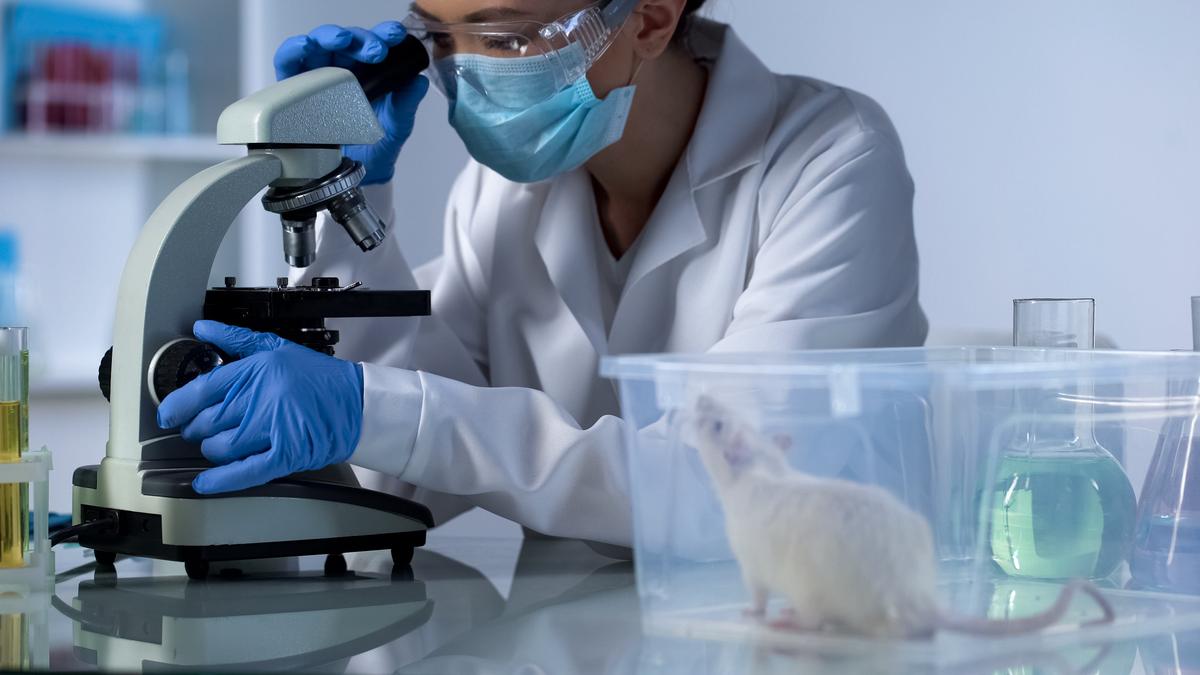
Anti-Aging Benefits of PQQ May Extend Beyond Antioxidant Effects, New Research Finds
Why It Matters
The results suggest PQQ and IPQ could become viable nutraceuticals for mitigating age‑related functional loss, reshaping anti‑aging strategies and supplement market dynamics. Demonstrating efficacy in mammals moves the science closer to human clinical exploration.
Key Takeaways
- •Lifelong PQQ or IPQ cuts midlife mortality in mice
- •Both compounds preserve muscle endurance and coordination with age
- •PQQ maintains healthy fat stores; IPQ reduces liver fat accumulation
- •Anti‑inflammatory effects linked to NF‑κB suppression and mitochondrial protection
- •Early supplementation yields greater lifespan extension than midlife start
Pulse Analysis
Pyrroloquinoline quinone (PQQ) has long been celebrated for its antioxidant capacity and its role in stimulating mitochondrial biogenesis, a process essential for cellular energy production. Recent interest has shifted toward its potential as an anti‑aging agent, prompting Japanese scientists to test both PQQ and its chemically related counterpart, imidazopyrroloquinoline (IPQ), in the senescence‑accelerated mouse prone 8 (SAMP8) model. By administering 0.02% of each compound either from weaning or beginning at middle age, the researchers could directly compare lifelong versus midlife intervention effects on lifespan and healthspan.
The data reveal that both PQQ and IPQ significantly reduced midlife mortality and delayed visible aging signs, yet they acted through distinct physiological pathways. PQQ helped maintain healthy adipose reserves, supporting survival during later life, while IPQ more effectively curtailed liver fat buildup. Muscle assessments showed that PQQ boosted overall performance without altering the decline trajectory, whereas IPQ slowed the deterioration itself. Molecular analyses linked these outcomes to suppressed NF‑κB signaling, reduced systemic inflammation, and enhanced mitochondrial protection—mechanisms that extend beyond simple redox activity.
For the supplement industry and aging research community, these findings are a compelling proof‑of‑concept that nutraceuticals can influence core aging hallmarks in mammals. However, translating mouse dosages to human equivalents requires careful safety profiling, optimal dosing studies, and long‑term clinical trials. If future research confirms comparable benefits in people, PQQ and IPQ could become cornerstone ingredients in longevity‑focused formulations, driving a new wave of evidence‑based anti‑aging products.
Anti-aging benefits of PQQ may extend beyond antioxidant effects, new research finds
Comments
Want to join the conversation?
Loading comments...