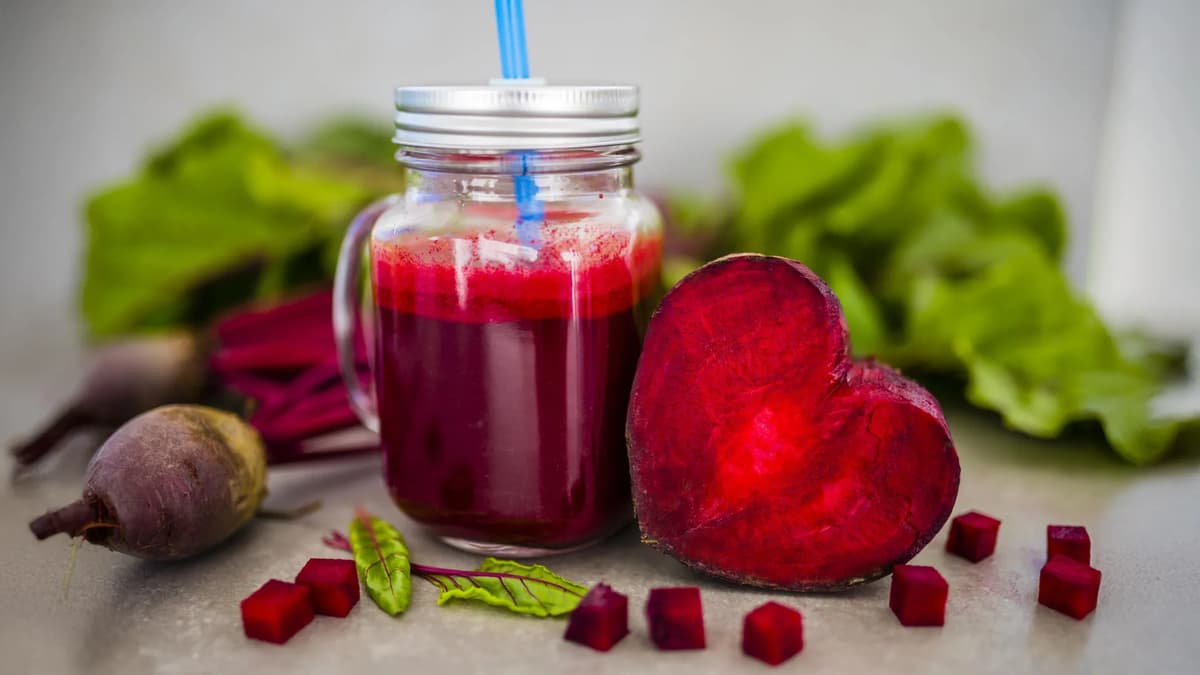
Beet Juice Lowers Blood Pressure in Older Adults in Just 2 Weeks
Why It Matters
The blood‑pressure lowering effect offers a low‑cost, food‑based strategy to mitigate cardiovascular risk in older adults, a demographic with rising hypertension prevalence. It also highlights the oral microbiome as a therapeutic target for personalized nutrition.
Key Takeaways
- •Beetroot juice lowered blood pressure in adults 60‑70 after two weeks
- •Oral microbiome shift increased beneficial Neisseria, decreased harmful Prevotella in seniors
- •Younger adults showed microbiome changes but no blood pressure reduction
- •Nitrate‑rich vegetables may aid healthy aging via mouth‑based nitric oxide pathway
- •Larger trials needed to confirm personalized nutrition effects on vascular health
Pulse Analysis
Nitrate‑rich vegetables have long been associated with cardiovascular benefits, but the biochemical route they follow is often overlooked. When we eat foods such as beetroot, spinach or kale, nitrate is first reduced to nitrite by specific bacteria residing on the tongue and in the oral cavity. These microbes, including species of Neisseria, then convert nitrite into nitric oxide, a potent vasodilator that relaxes blood vessels and helps regulate blood pressure. Disruption of this oral pathway—by age‑related microbial shifts or antiseptic mouthwashes—can blunt the protective effect, making the mouth a critical gateway for nitrate metabolism.
The Exeter trial enrolled 36 participants in their 60s and 70s alongside 39 younger adults, exposing each group to two weeks of nitrate‑rich beetroot juice and a nitrate‑free placebo in a crossover design. Older volunteers showed a statistically significant drop in systolic and diastolic pressure after the beetroot phase, coinciding with a rise in Neisseria and a decline in Prevotella species. Younger subjects experienced comparable microbiome alterations but no blood‑pressure change, underscoring how age‑related declines in endogenous nitric‑oxide production may amplify the benefit of dietary nitrate.
These findings open a pragmatic avenue for clinicians and nutritionists seeking non‑pharmacologic interventions for hypertension in seniors. Incorporating nitrate‑dense foods—whether as beetroot juice, leafy greens, or fortified products—could become a standard recommendation, especially for patients who struggle with medication adherence. However, the variability observed across individuals signals a need for larger, stratified trials that consider oral‑hygiene habits, baseline microbiome composition, and sex differences. As the food‑tech sector explores targeted probiotic or mouth‑rinse solutions to boost nitrate‑reducing bacteria, the study positions the oral ecosystem at the forefront of personalized cardiovascular nutrition.
Beet juice lowers blood pressure in older adults in just 2 weeks
Comments
Want to join the conversation?
Loading comments...