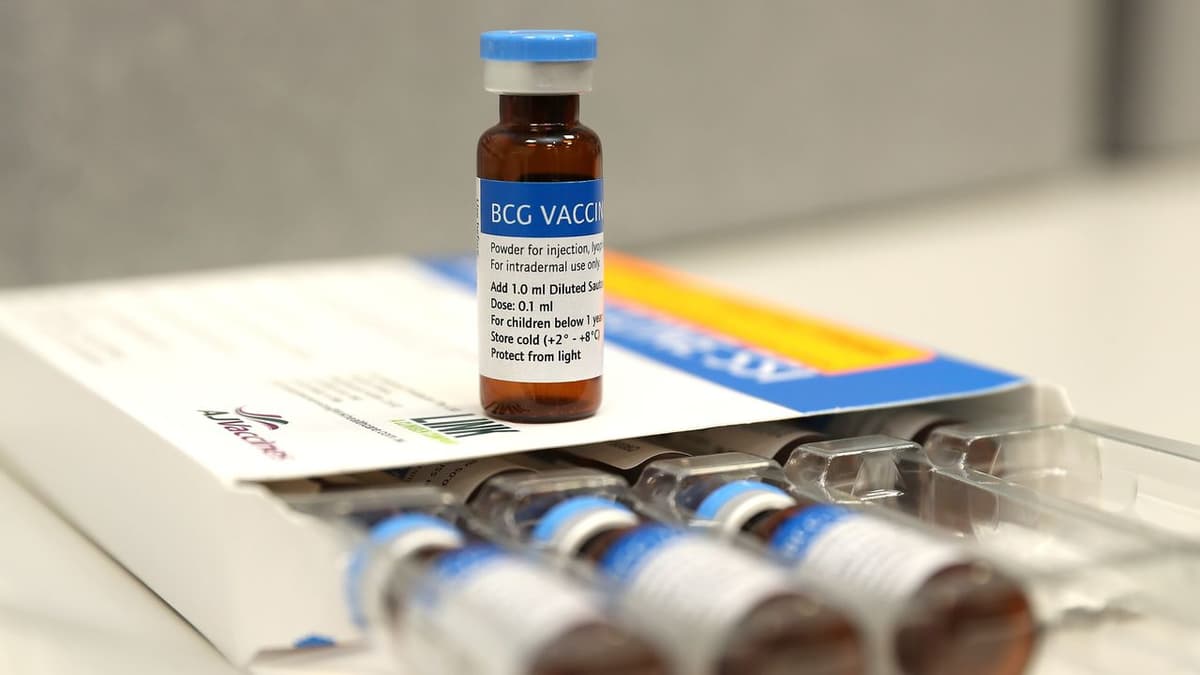
Century-Old Tuberculosis Vaccine Could Help Treat Diabetes, Trials Hint. How?
Why It Matters
If validated, BCG could provide a low‑cost, immunomodulatory tool that lessens insulin dependence for millions of Americans living with type 1 diabetes, reshaping treatment paradigms and expanding therapeutic options beyond expensive biologics.
Key Takeaways
- •Phase‑2 trials show BCG reduced insulin use in type 1 diabetes
- •HbA1c fell from 7.84% to 7.30% after five years
- •LADA patients maintained C‑peptide levels, indicating preserved insulin production
- •Experts call for larger trials to confirm BCG’s efficacy
- •BCG could become an affordable, off‑label option alongside emerging therapies
Pulse Analysis
The Bacillus Calmette‑Guérin vaccine, originally developed in the early 20th century to combat tuberculosis, has resurfaced as a potential immunotherapy for type 1 diabetes. Its established safety profile—bolstered by FDA approval for bladder cancer—makes it an attractive candidate for repurposing. By nudging the immune system away from attacking pancreatic beta cells, BCG offers a mechanistic shift distinct from conventional insulin replacement, aligning with a broader trend of leveraging old drugs for new metabolic indications.
Recent phase‑2 data presented at the American Diabetes Association meeting reveal two divergent benefits. In adults with longstanding, childhood‑onset type 1 diabetes, six BCG doses over five years produced a clinically meaningful HbA1c reduction and a 183% increase in time spent within target glucose ranges, all without heightened hypoglycemia risk. Meanwhile, a trial in latent autoimmune diabetes in adults (LADA) showed preserved C‑peptide output and a 22% relative drop in insulin demand, suggesting that BCG may protect residual beta‑cell function. Researchers hypothesize that the vaccine reprograms regulatory T cells from a fat‑burning to a sugar‑burning phenotype, thereby enhancing glucose clearance without excessive insulin spikes.
The implications extend beyond clinical outcomes. BCG’s low manufacturing cost and existing global distribution could democratize access, especially compared with high‑price biologics like teplizumab. However, the modest sample sizes and open‑label designs underscore the need for larger, multicenter trials to satisfy regulators and insurers. Should subsequent studies confirm efficacy, BCG could become a cornerstone of combination therapies—paired with antigen‑specific antibodies or gene‑editing approaches—to address both immune attack and beta‑cell regeneration, potentially reshaping the economic landscape of diabetes care.
Century-old tuberculosis vaccine could help treat diabetes, trials hint. How?
Comments
Want to join the conversation?
Loading comments...