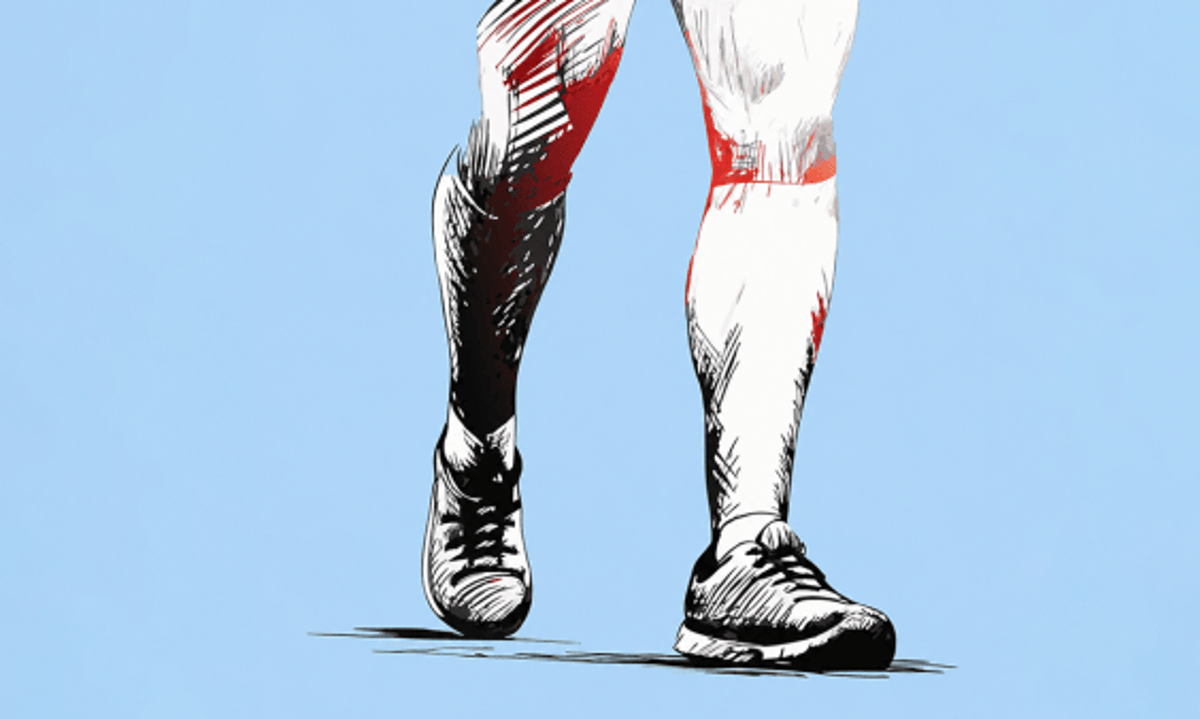
Here’s Why Our Walking Gets Slower as We Age
Companies Mentioned
Why It Matters
The slowdown in walking speed signals heightened mortality and fall risk, making it a critical health indicator for older adults. Interventions that restore gait efficiency could reduce healthcare costs and improve quality of life.
Key Takeaways
- •Older adults exhibit ankle muscle co‑contraction when stepping
- •Co‑contraction stiffens joints, cutting push‑off power and stride length
- •Prioritizing stability over speed raises fall risk in seniors
- •Balance‑focused exercises can preserve gait speed and coordination
- •Study examined 107 participants aged 26‑86 from Flinders University
Pulse Analysis
Walking speed has emerged as a powerful predictor of overall health, with slower paces linked to higher mortality, cardiovascular events, and functional decline. While clinicians have long used gait assessments to gauge frailty, the underlying biomechanics have remained opaque. Recent advances in wearable sensors and motion capture have enabled researchers to dissect the precise muscular patterns that change with age, shedding light on why the simple act of walking becomes a barometer for systemic health.
The Flinders University team focused on the ankle, a joint often overlooked in gait studies that tend to emphasize hip or knee mechanics. By recording muscle activation in 107 participants spanning three decades of life, they identified a marked increase in simultaneous activation—or co‑contraction—of opposing ankle muscles among older adults. This dual activation creates joint stiffness, enhancing balance but sacrificing the explosive push‑off needed for longer strides. The resulting gait is slower, more hesitant, and less adaptable to perturbations, explaining the observed rise in fatigue and fall susceptibility among seniors.
Importantly, the findings point to actionable interventions. Exercise programs that emphasize proprioception, ankle mobility, and coordinated muscle recruitment—such as yoga, tai chi, or targeted physiotherapy—can counteract the safety‑first neural strategy. Public health initiatives that integrate these modalities into community centers and senior living facilities may not only improve walking speed but also lower fall‑related medical expenses. As the population ages, translating biomechanical insights into scalable prevention programs will be essential for maintaining functional independence and reducing the societal burden of age‑related mobility decline.
Here’s Why Our Walking Gets Slower as We Age
Comments
Want to join the conversation?
Loading comments...