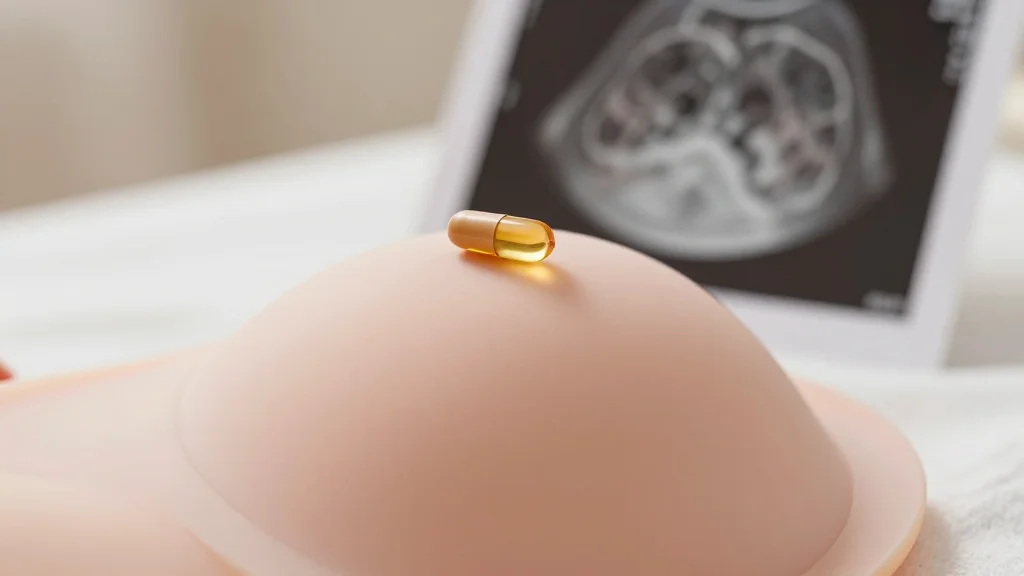
Low-Dose Drug Cuts Breast Density up to 26% with Fewer Side Effects
Why It Matters
If larger studies confirm its efficacy, low‑dose endoxifen could become a better‑tolerated preventive option for women at high breast‑cancer risk, addressing the adherence challenges that limit tamoxifen’s use.
Key Takeaways
- •Endoxifen 2 mg cut breast density 26%, matching tamoxifen effect
- •1 mg endoxifen achieved 19% reduction with placebo‑like safety
- •Hot‑flash severity rose at 2 mg, but stayed low at 1 mg
- •240 premenopausal women completed six‑month trial measuring mammographic density
- •Proof‑of‑concept study; impact on breast‑cancer risk remains untested
Pulse Analysis
Breast density is a well‑established risk marker for breast cancer, and reducing it has become a surrogate endpoint for preventive therapies. For decades, tamoxifen has been the go‑to drug for risk reduction, but its menopausal‑like side effects—especially hot flashes and night sweats—have led many women to discontinue treatment. This tolerability gap has spurred research into alternatives that can deliver comparable biological effects without compromising quality of life.
The Karolinska trial evaluated endoxifen, the most potent metabolite of tamoxifen, at doses far lower than the conventional 20 mg regimen. Over six months, participants receiving 2 mg experienced a 26% average reduction in mammographic density, while the 1 mg group saw a 19% drop, both outperforming placebo and matching tamoxifen’s effect. Importantly, the 1 mg dose produced side‑effect rates indistinguishable from placebo, and even the 2 mg dose only modestly increased hot‑flash frequency, suggesting a more favorable safety profile than tamoxifen’s full dose.
While the results are promising, the study remains a proof‑of‑concept and does not yet demonstrate a direct reduction in breast‑cancer incidence or recurrence. Larger, longer‑term trials will be needed to confirm whether the density reductions translate into meaningful clinical outcomes. If successful, low‑dose endoxifen could reshape preventive oncology, offering a cost‑effective, better‑tolerated option that improves adherence and expands access for women seeking to lower their breast‑cancer risk.
Low-dose drug cuts breast density up to 26% with fewer side effects
Comments
Want to join the conversation?
Loading comments...