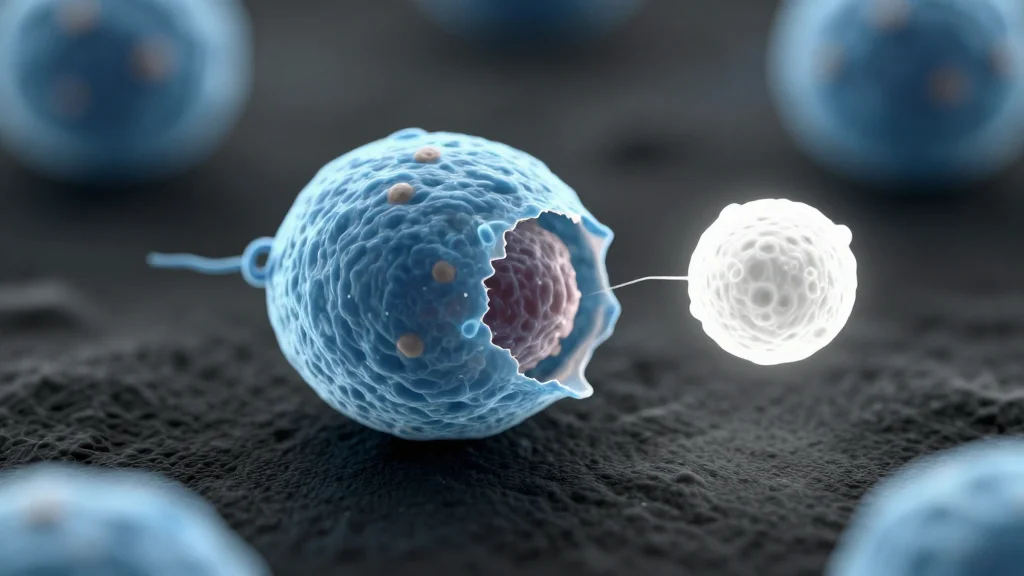
One Gene Deletion Tears Off Colon Cancer's Invisibility Cloak, Boosting Immunotherapy
Why It Matters
If the cloaking gene can be targeted in patients, immunotherapy could become a viable treatment for the majority of colon cancers and potentially other solid tumors, reshaping oncology therapeutic strategies.
Key Takeaways
- •Gene deletion eliminates cloaking protein, enabling immune detection
- •100% tumor eradication observed in mouse models with combined therapy
- •Only 15% of colon cancers currently respond to immunotherapy
- •Findings may extend to other solid tumors like pancreatic cancer
Pulse Analysis
Colon cancer has long resisted checkpoint inhibitors, with roughly only 15% of cases showing any benefit. Researchers attribute this low response rate to tumor‑intrinsic mechanisms that hide malignant cells from immune surveillance. One such mechanism involves the secretion of a protein that tricks the immune system into perceiving the tumor as normal tissue, effectively cloaking the cancer and rendering immunotherapy ineffective.
In a recent study published in Cell Reports Medicine, a team led by Dr. Arshad Ayyaz used CRISPR‑based editing to knock out the gene responsible for producing the cloaking protein—identified as part of the NOTUM‑driven WNT‑inhibitory program. The edited colon cancer cells lost their ability to evade immune detection, and when paired with a standard anti‑PD‑1 regimen, mouse models experienced complete tumor regression. The 100% eradication rate marks a striking proof‑of‑concept that a single genetic alteration can convert an immunologically cold tumor into a hot, treatable one.
The implications extend beyond colorectal cancer. Solid tumors such as pancreatic and lung cancers also exhibit poor immunotherapy responses, often due to similar immune‑evasion pathways. Targeting the underlying genetic programs that generate these cloaks could unlock broader applications for checkpoint inhibitors, potentially revitalizing pipelines for biotech firms focused on gene‑editing therapeutics. While clinical translation will require safety validation and delivery mechanisms, the study provides a compelling blueprint for integrating precision genetics with immuno‑oncology, a convergence that investors and drug developers are watching closely.
One gene deletion tears off colon cancer's invisibility cloak, boosting immunotherapy
Comments
Want to join the conversation?
Loading comments...