Rheumatic Diseases Linked to Persistent COVID Antigen Positivity
Companies Mentioned
Why It Matters
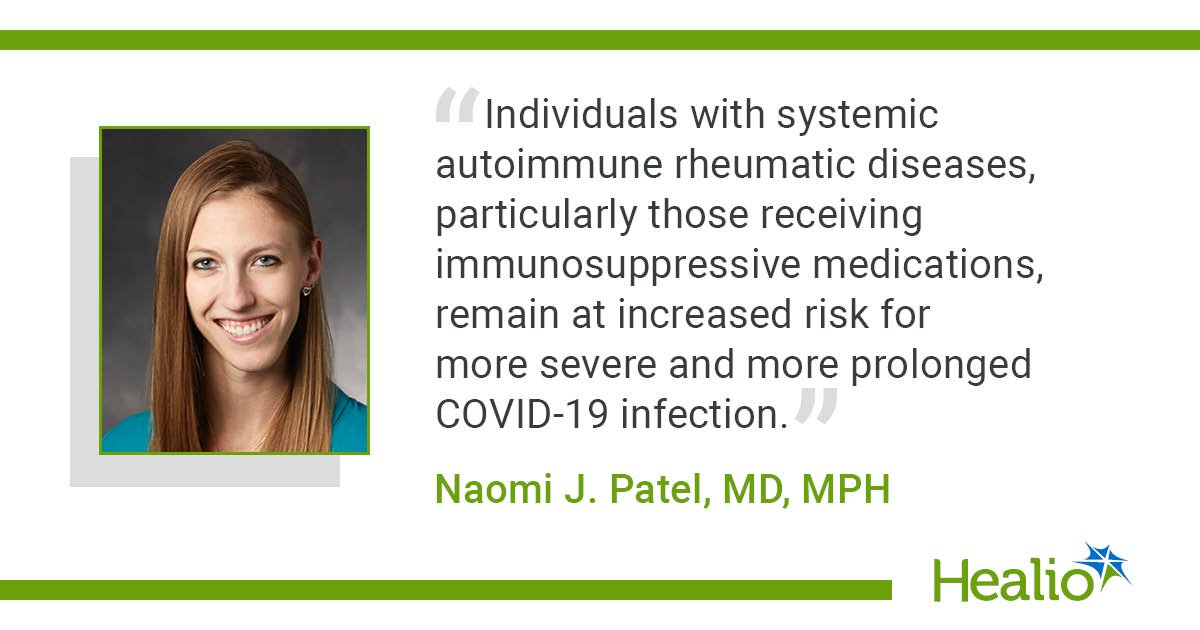
Prolonged viral antigen exposure may drive worse outcomes and long‑COVID risk in rheumatic patients, prompting a shift toward proactive antiviral strategies in this vulnerable population.
Key Takeaways
- •SARD patients 2× more likely to retain COVID antigen at 3 months
- •Antigen persistence reached 36.7% in SARD group versus 18.9% controls
- •Adjusted odds ratio for any antigen at 3 months: 2.89
- •Early antivirals and prophylaxis recommended for high‑risk rheumatic patients
- •Study analyzed 210 SARD and 348 non‑SARD COVID cases
Pulse Analysis
The intersection of autoimmune rheumatology and COVID‑19 has emerged as a critical frontier for clinicians. While vaccines and therapeutics have blunted acute disease severity, patients with systemic autoimmune rheumatic diseases (SARDs) remain prone to lingering viral components. Persistent SARS‑CoV‑2 antigen, detectable months after infection, signals ongoing immune stimulation that can exacerbate underlying autoimmunity and heighten the likelihood of post‑acute sequelae, commonly known as long COVID. This biological nuance underscores why standard recovery timelines may not apply to immunosuppressed cohorts.
The recent Arthritis & Rheumatology study provides robust evidence: among 210 SARD patients, more than one‑third retained measurable antigen at three months, and odds of persistence were nearly threefold higher than in 348 matched controls. Nucleocapsid antigen, a marker of viral replication, showed an even steeper rise in odds at six months (adjusted OR 6.62). These statistics translate into a tangible clinical signal—persistent antigen correlates with increased severity, prolonged symptomatology, and potentially higher healthcare utilization. For payers and health systems, the data suggest that SARD patients may require more intensive monitoring and targeted interventions to mitigate downstream costs.
Given the heightened risk profile, experts advocate for pre‑emptive measures. Early antiviral regimens, such as Paxlovid, administered at the first sign of infection can truncate viral replication, reducing antigen load. Additionally, pre‑exposure prophylaxis with monoclonal antibodies or updated vaccine boosters offers a protective buffer for those on immunosuppressive therapy. Integrating these strategies into rheumatology practice could reshape standard care pathways, improve patient outcomes, and lower the long‑term burden of COVID‑related complications. Ongoing research will need to clarify optimal timing and combination of therapies to fully harness these benefits.
Rheumatic diseases linked to persistent COVID antigen positivity
Comments
Want to join the conversation?
Loading comments...