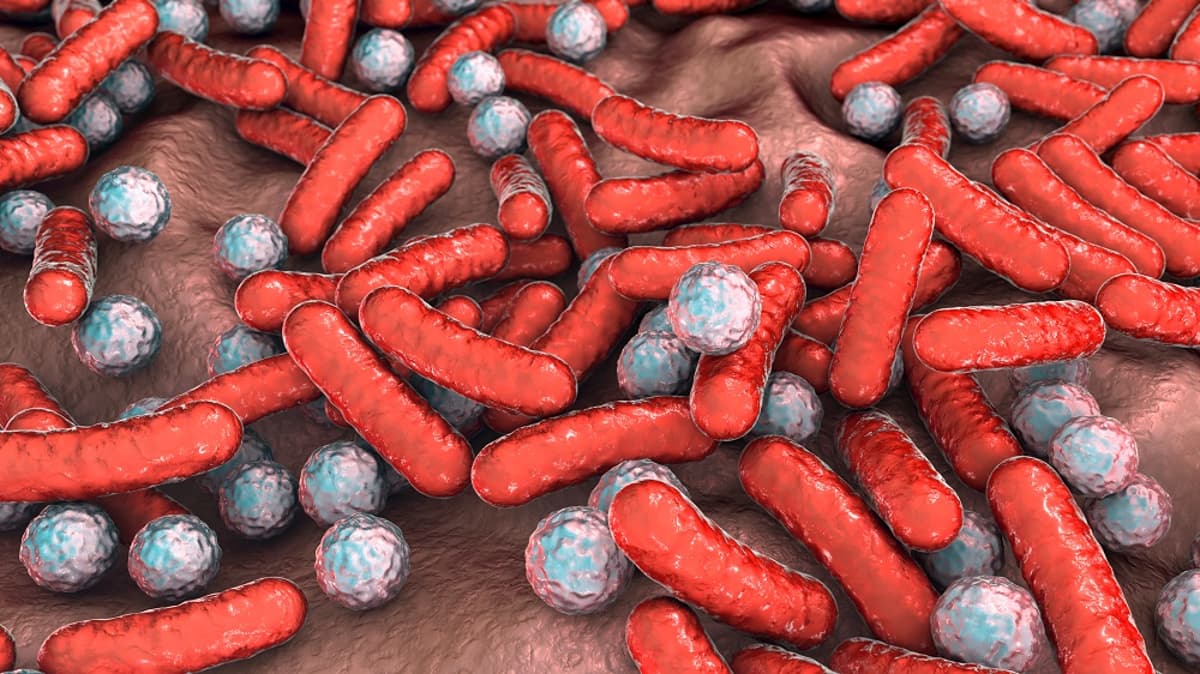
The Immune System Maintains the Microbiome
Why It Matters
If immune decline drives dysbiosis, restoring immune surveillance could become a cornerstone of anti‑aging and gut‑health interventions, reshaping therapeutic strategies across biopharma and longevity sectors.
Key Takeaways
- •Immune surveillance actively limits overgrowth of gut microbes.
- •Aging weakens surveillance, leading to dysbiosis and inflammaging.
- •Restoring immune function may be key to microbiome-based therapies.
- •Diversity loss stems from unchecked microbial dominance, not pathogen invasion.
- •Combined immune and microbiome interventions could promote healthy aging.
Pulse Analysis
The concept of immune surveillance of the microbiome reframes how scientists view host‑microbe interactions. Rather than a passive coexistence, the immune system continuously monitors microbial load, suppressing proliferating strains before they upset ecological balance. This dynamic equilibrium mirrors cancer immunoediting, yet it targets microbial activity rather than identity, preserving a diverse community while preventing dominance by any single taxon. As people age, immunosenescence erodes this precision, allowing opportunistic microbes to expand and trigger chronic, low‑grade inflammation known as inflammaging.
Dysbiosis arising from weakened surveillance has far‑reaching consequences. Reduced microbial diversity compromises the gut’s metabolic toolkit, limiting vitamin synthesis, short‑chain fatty‑acid production, and resilience to dietary shifts. The resulting metabolic dysfunction links to age‑related diseases such as insulin resistance, neurodegeneration, and cardiovascular decline. By positioning immune decline as the upstream driver, the paper highlights a feedback loop where inflammation further impairs immune function, accelerating microbial imbalance and health deterioration.
Therapeutically, the findings advocate a dual‑pronged approach. Traditional probiotic or fecal‑transplant strategies that focus solely on adding beneficial microbes may fall short if the host’s immune oversight remains compromised. Interventions that rejuvenate immune surveillance—through senolytics, cytokine modulation, or vaccine‑like training—combined with targeted microbiome reshaping could restore ecosystem stability. Ongoing work in short‑lived model organisms with defined microbiomes will be crucial to pinpoint which immune pathways most influence microbial balance and to identify optimal windows for intervention, paving the way for next‑generation longevity therapies.
The Immune System Maintains the Microbiome
Comments
Want to join the conversation?
Loading comments...