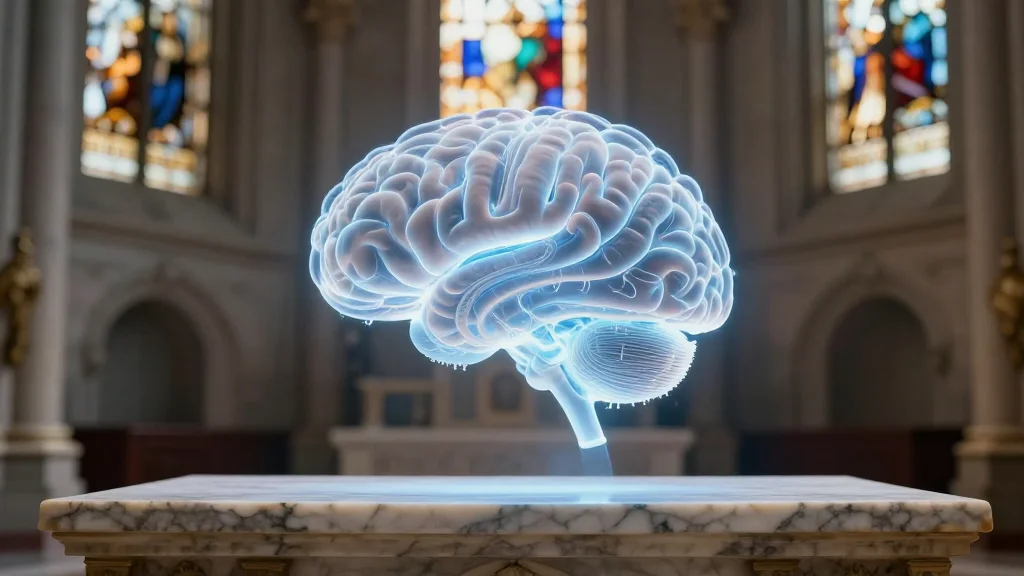
Karen Hao Warns Silicon Valley's Push to Build a Digital ‘God’

Companies Mentioned

Why It Matters
The push to create a digital deity touches on core questions about human identity, agency, and the role of technology in shaping belief systems. If AI leaders treat AGI as a transcendent goal, it could legitimize a techno‑spiritual narrative that sidesteps democratic oversight and ethical safeguards. This development forces policymakers, religious communities, and the public to confront how emerging technologies intersect with age‑old spiritual aspirations, potentially redefining the boundary between faith and science. Moreover, the alleged secrecy and cult‑like culture at a leading AI firm highlight governance gaps that could enable unchecked power accumulation. Understanding these dynamics is essential for crafting regulations that protect both societal values and the pluralistic spiritual landscape from being overridden by a single, technologically‑driven vision of the future.
Key Takeaways
- •Karen Hao’s new book alleges Silicon Valley elites are pursuing a digital “God.”
- •Investigation reveals a secretive, quasi‑religious culture at OpenAI.
- •Former chief scientist Ilya Sutskever reportedly burned an AGI effigy at a retreat.
- •OpenAI received a $1 billion investment from Microsoft in 2019.
- •The revelations could trigger regulatory and ethical scrutiny of AI governance.
Pulse Analysis
Hao’s exposé arrives at a pivotal moment when AI is transitioning from a niche research field to a cornerstone of global infrastructure. Historically, technological breakthroughs have often been framed in quasi‑spiritual terms—think of the early computer pioneers as modern alchemists. What sets this episode apart is the explicit articulation of a “machine god” goal, suggesting a shift from metaphor to doctrine. This doctrinal stance could accelerate the race for AGI, as firms vie not just for market share but for existential relevance.
From a market perspective, the narrative may unsettle investors who fear that a cult‑like internal culture could lead to strategic missteps or regulatory backlash. Companies like Microsoft, already heavily invested, may need to reassess board oversight and risk management practices. At the same time, the spiritual framing could attract a new cohort of backers—philanthropists and religious organizations seeking to shape AI’s moral compass—potentially reshaping funding streams.
Looking ahead, the key question is whether the industry will adopt transparent, inclusive governance models that respect diverse spiritual viewpoints, or whether it will double down on secrecy in pursuit of a singular vision. The outcome will likely influence not only the trajectory of AGI research but also the broader societal contract with technology, determining whether AI becomes a tool for collective uplift or a monolithic entity worshipped by a technocratic elite.
Karen Hao Warns Silicon Valley's Push to Build a Digital ‘God’
Comments
Want to join the conversation?
Loading comments...