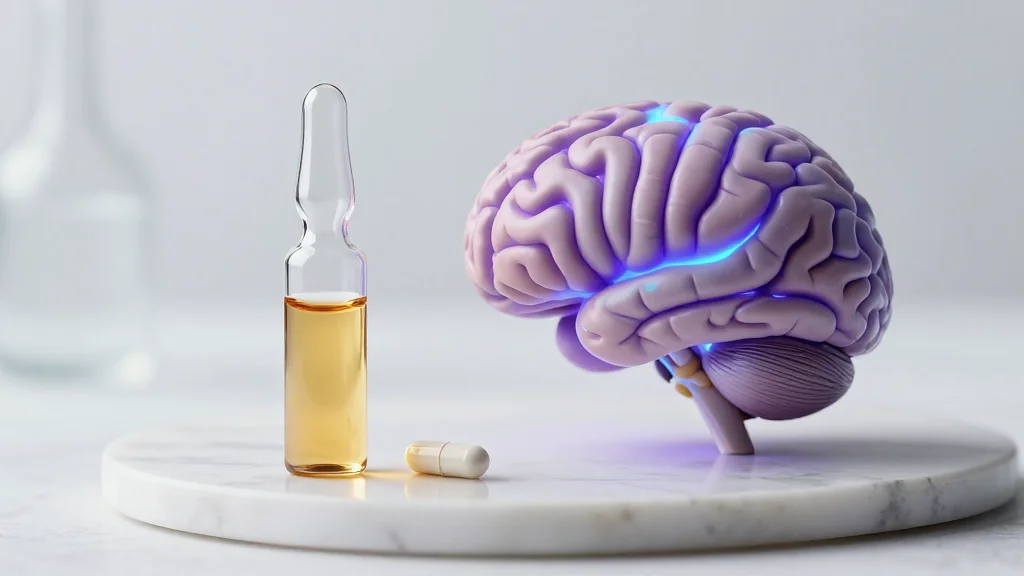
Psilocybin Resets Brain Pain Networks, Enhances Gabapentin Efficacy

Why It Matters
The study bridges two previously separate domains: neuroscience‑driven pain management and psychedelic‑based spiritual healing. By showing that psilocybin can induce lasting neuroplastic changes that amplify existing medications, it offers a potential pathway to treat the sizable subset of patients who do not respond to current drugs, reducing reliance on opioids and associated addiction risks. Moreover, the work validates the concept that psychedelics may act as catalysts for broader therapeutic change, supporting their integration into holistic health models that address both physiological and existential dimensions of suffering. If human trials confirm these results, the healthcare system could see a shift toward multimodal pain protocols that combine a single psychedelic session with standard pharmacotherapy. Such a shift would have economic implications—potentially lowering long‑term medication costs—and cultural ones, as patients and providers re‑evaluate the role of consciousness‑altering substances in mainstream medicine.
Key Takeaways
- •Single psilocybin dose rewires mouse brain pain networks, delivering weeks‑long relief.
- •Gabapentin given weeks after psilocybin shows up to four‑day analgesic effect, far stronger than alone.
- •Study confirms 5‑HT2A receptor involvement and includes both male and female mice.
- •30‑50 % of neuropathic pain patients currently fail gabapentin monotherapy.
- •Researchers plan Phase 1 human safety trials later in 2026.
Pulse Analysis
The University of Reading’s findings arrive at a moment when the psychedelic renaissance is moving from fringe curiosity to regulated therapeutic development. Historically, pain management has relied on incremental drug tweaks, often leading to tolerance, side‑effects, or opioid dependence. Psilocybin’s ability to ‘reset’ neural circuitry suggests a paradigm shift: instead of continuously dosing to suppress symptoms, a single psychedelic intervention could reconfigure the underlying network, making subsequent conventional treatments more potent. This aligns with emerging models of neuroplasticity‑based therapy, where brief, targeted experiences catalyze lasting brain changes.
From a market perspective, the data could accelerate investment in combination‑therapy trials, prompting pharmaceutical firms to explore licensing agreements with psychedelic biotech firms. Companies that have already secured FDA‑breakthrough‑therapy designations for psilocybin in depression may now see a parallel pathway for chronic pain, expanding their addressable market. However, the translational gap remains sizable; mouse models do not capture the full complexity of human chronic pain, which is intertwined with emotional, psychological, and spiritual layers. Successful human trials will need to integrate rigorous clinical endpoints with patient‑reported outcomes on quality of life and meaning, echoing the dual scientific‑spiritual narrative that has propelled psychedelic research forward.
Looking ahead, the next critical milestone will be the design of ethically sound, double‑blind studies that can isolate the priming effect of psilocybin from its acute psychoactive experience. If researchers can demonstrate that the network reset persists without ongoing hallucinogenic episodes, regulatory bodies may be more amenable to approving such protocols. In that scenario, psilocybin could become a cornerstone of a new, integrative pain‑care model—one that respects both the neurobiological and the existential dimensions of suffering.
Psilocybin Resets Brain Pain Networks, Enhances Gabapentin Efficacy
Comments
Want to join the conversation?
Loading comments...