Companies Mentioned
Why It Matters
The ultraview effect highlights a profound cognitive response that could influence astronaut well‑being, mission design, and public enthusiasm for deep‑space exploration.
Key Takeaways
- •Weibel defines the 'ultraview effect' as awe, humility, curiosity.
- •Few astronauts report seeing unfiltered stars, indicating rarity.
- •Artemis 2 crew observed the effect during lunar eclipse.
- •Limited window visibility in space hampers consistent experience.
- •Potential increase as lunar missions expand.
Pulse Analysis
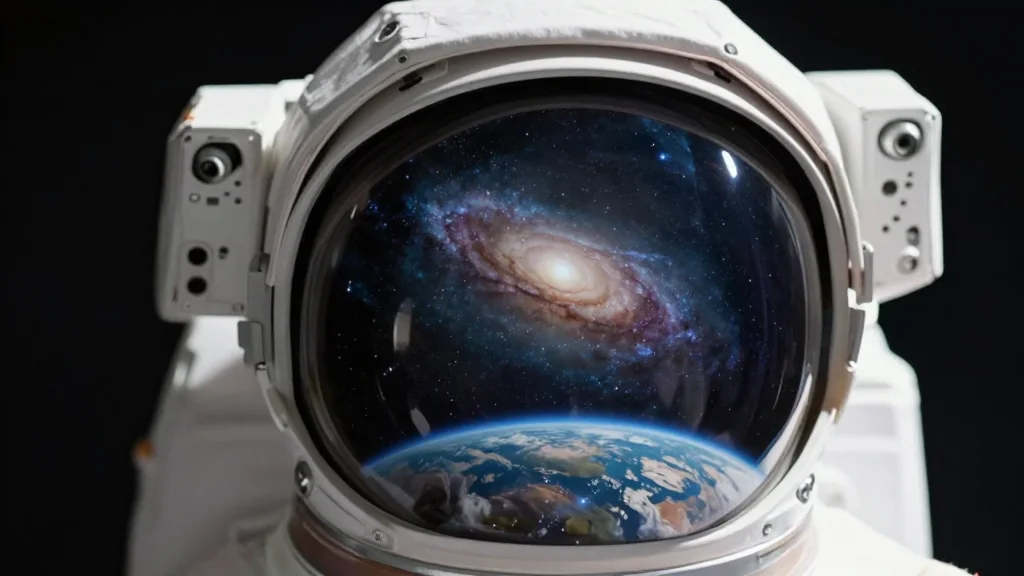
The ultraview effect expands the conversation about how space alters human consciousness. While the Overview Effect centers on seeing Earth’s fragility, Weibel’s research uncovers a deeper shift that occurs when astronauts stare into the vast, star‑filled void. This experience blends intense awe with a stark humility about humanity’s limited knowledge, sparking a curiosity that can drive scientific inquiry. By documenting anecdotes from Apollo veterans to Artemis 2 astronauts, the book provides a rare qualitative dataset that challenges the notion that all space travelers share a uniform psychological response.
For the emerging space‑tourism market and future long‑duration missions, understanding the ultraview effect is increasingly valuable. Psychological resilience programs can incorporate training that prepares participants for the disorienting grandeur of an unobstructed cosmos, potentially mitigating feelings of isolation or existential anxiety. Moreover, spacecraft designers may seek to optimize window placement and interior lighting to facilitate these rare views, turning a fleeting moment into a purposeful element of crew morale and inspiration. As private operators plan lunar flybys and orbital hotels, leveraging the effect could become a unique selling point, offering passengers a transformative experience beyond Earth’s horizon.
The broader industry implications extend to research funding and public outreach. Funding agencies might prioritize studies that quantify the cognitive and emotional outcomes of the ultraview effect, linking them to performance metrics for deep‑space crews. Simultaneously, media narratives that emphasize this profound perspective can deepen public fascination with space, supporting policy initiatives for sustained lunar exploration. As humanity stands on the cusp of a new era of lunar and Martian missions, the ultraview effect could become a cultural touchstone, shaping how societies perceive their place in the universe.
Review: The Ultraview Effect
Comments
Want to join the conversation?
Loading comments...