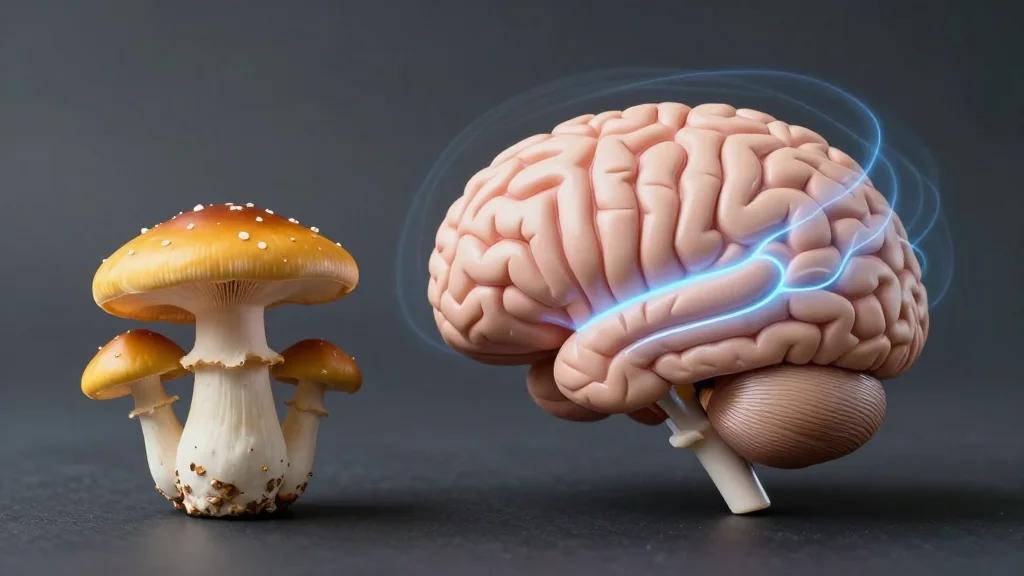
UCSF Neurologist Finds Psilocybin Can Reset Depressed Brain

Why It Matters
The study bridges a gap between neuroscience and spirituality, suggesting that altered states of consciousness can produce measurable, lasting changes in brain structure. This challenges the prevailing pharmaceutical model that relies on chronic medication, opening the door to treatments that are both clinically effective and aligned with ancient healing traditions. For patients, it could mean fewer side‑effects, reduced stigma, and a more holistic path to recovery. Beyond individual health, the findings could reshape mental‑health policy, insurance coverage, and the broader cultural narrative around psychedelics. If regulatory frameworks evolve to accommodate these therapies, we may see a new class of short‑term, high‑impact interventions that redefine how society approaches chronic mental illness.
Key Takeaways
- •Robin Carhart‑Harris reports a single psilocybin dose yields months‑long remission for treatment‑resistant depression.
- •Psilocybin temporarily disrupts the Default Mode Network, triggering synaptogenesis and lasting neural plasticity.
- •The approach contrasts with daily SSRIs, offering rapid onset and structural brain changes.
- •Regulatory and safety concerns accompany the rapid growth of psychedelic‑assisted therapy clinics.
- •A multi‑site FDA‑sponsored trial is planned for later 2026 to validate efficacy and integration protocols.
Pulse Analysis
The psilocybin breakthrough marks a pivot point for both the mental‑health industry and the broader spirituality market. Historically, psychedelics have hovered on the fringe of medicine, relegated to counter‑cultural experiments. Carhart‑Harris’s data, however, reframes the conversation in clinical terms: a single dose can induce neuroplastic changes that outlast the pharmacological window. This aligns with a growing consumer appetite for experiences that promise personal transformation, a trend evident in the rise of mindfulness apps, retreat centers, and plant‑based wellness products.
From a market perspective, the therapeutic model—high‑impact, low‑frequency dosing combined with integration therapy—could disrupt the chronic‑medication revenue streams that dominate psychiatry. Investors are already betting on psilocybin startups, but the upcoming FDA trial will be the litmus test for mainstream adoption. Successful validation could accelerate insurance coverage, prompting a cascade of new clinics, training programs, and ancillary services such as guided meditation platforms tailored to post‑psychedelic integration.
Looking ahead, the biggest challenge will be aligning scientific rigor with the inherently subjective, often spiritual nature of the psychedelic experience. Policymakers must craft frameworks that protect patients from misuse while preserving the therapeutic potential that arises from altered states of consciousness. If they succeed, we could witness a new era where mental‑health treatment is as much about rewiring the brain as it is about fostering a deeper sense of meaning—a convergence that sits at the heart of contemporary spirituality.
UCSF Neurologist Finds Psilocybin Can Reset Depressed Brain
Comments
Want to join the conversation?
Loading comments...