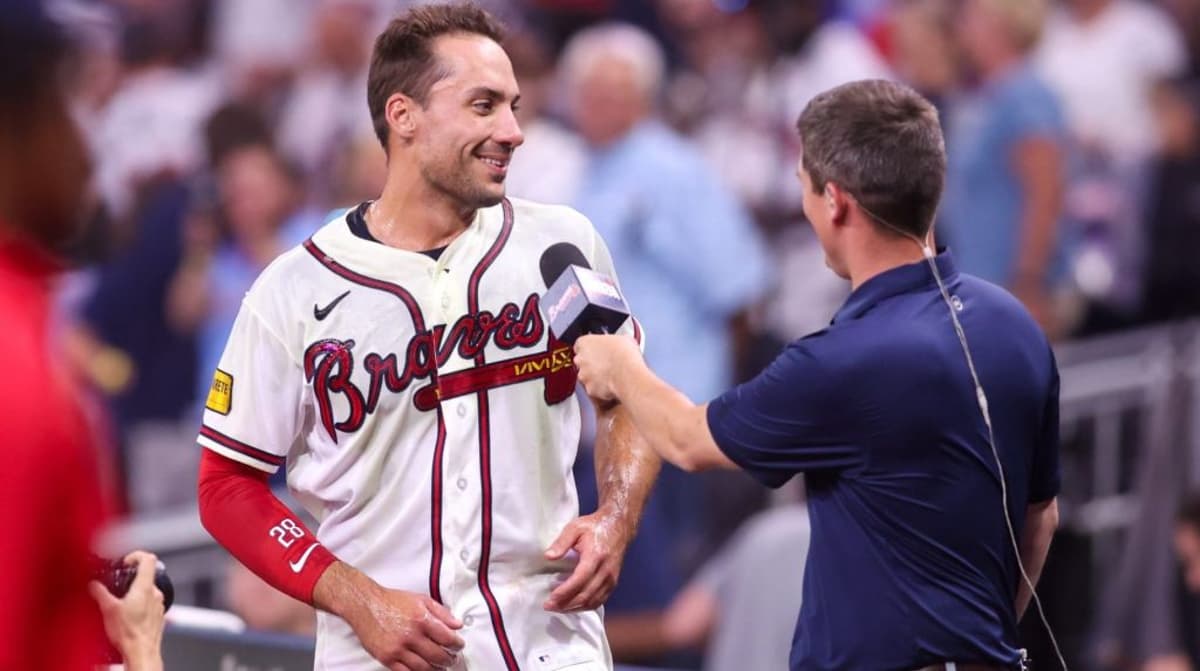
Braves Earnings Show Promise and Pressure of RSN Shift
Companies Mentioned
Why It Matters
The earnings illustrate how the Braves are navigating a costly RSN transition while leveraging stadium events and real‑estate assets to sustain profitability, a model other clubs may emulate as media rights evolve.
Key Takeaways
- •Revenue up 53% to $72 million, driven by early season start
- •Adjusted operating loss narrowed to $17.6 million from $28.5 million loss
- •BravesVision TV revenue fell 41% but expected to exceed prior RSN earnings
- •Mixed‑use development income rose 41% to $26.3 million
- •Other event revenue down 30% as fewer Truist Park events occurred
Pulse Analysis
The Braves’ Q1 financials underscore the advantage of an accelerated schedule. By opening the season on March 25 and fitting five home games into the quarter, the club captured ticket, concession and merchandise sales that were absent in the same period last year. This front‑loaded revenue boost, combined with a strong 28‑13 win‑loss record, illustrates how on‑field performance can directly amplify short‑term cash flow, especially when teams control their own venue operations.
A more complex narrative surrounds the team’s regional sports network shift. BravesVision, the club‑owned RSN, replaced the Main Street Sports Group partnership but contributed only $2.5 million in broadcasting revenue for the quarter, a 41% decline. The network was operational for just one week, so the dip reflects timing rather than demand. Executives project that full‑year earnings will surpass the legacy deal, echoing a broader industry trend where clubs seek greater control over media rights to capture higher margins and enhance fan engagement through proprietary platforms.
Beyond baseball, the Braves are capitalizing on their real‑estate portfolio. The Pennant Park acquisition and adjacent Battery development generated $26.3 million, a 41% increase, highlighting the club’s diversification into mixed‑use projects that provide steady cash flow independent of game schedules. While other event revenue fell 30% due to fewer non‑baseball activities, the overall strategy—aligning competitive on‑field performance with a robust entertainment and property ecosystem—positions the Braves to weather the RSN transition and sustain long‑term growth.
Braves Earnings Show Promise and Pressure of RSN Shift
Comments
Want to join the conversation?
Loading comments...