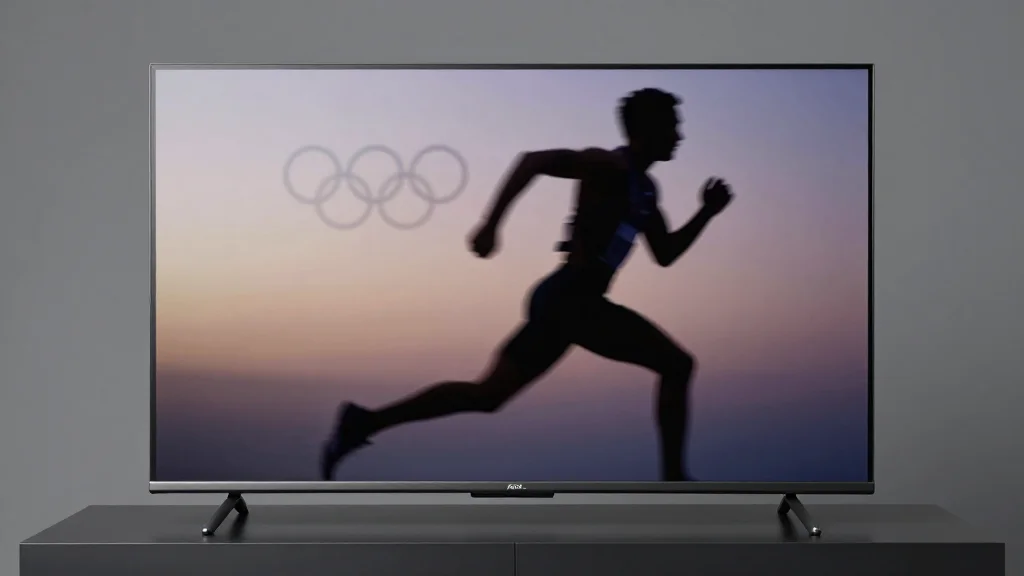
“Crazy” That Olympic Athletes Can’t Post Own Competition Footage, Says Payne
Why It Matters
Athlete‑generated content could dramatically expand Olympic reach and reverse declining sponsorship revenues, making the Games more market‑relevant.
Key Takeaways
- •IOC bans competition footage sharing, limiting athlete social media.
- •Payne says rule change could create 100,000 brand ambassadors.
- •Sponsorship revenue fell to $560 million, lowest since 2020.
- •TOP program now has 12 partners, including JPMorgan Chase.
- •Athlete content could revitalize Olympic marketing ahead of LA28.
Pulse Analysis
The International Olympic Committee’s strict media rules, which bar athletes from posting any competition footage, clash with today’s creator‑driven digital landscape. While athletes can share short clips from opening and closing ceremonies, any content from the actual sporting venues is prohibited until after the event, and live streaming is outright banned. This policy not only curtails personal storytelling but also limits the organic reach that athletes—already boasting massive followings—could provide to the Olympic brand.
Financial pressure adds urgency to the debate. Sponsorship revenue has dropped to roughly $560 million in the run‑up to Milan‑Cortina 2026, the lowest level since 2020, and the TOP programme’s roster has shrunk to its smallest size in a decade. By contrast, major sports leagues such as the NFL and NBA have embraced athlete‑generated content, turning players into de‑facto marketers and driving multimillion‑dollar media deals. Payne’s suggestion that unlocking athlete footage could instantly create 100,000 brand ambassadors points to a missed revenue stream that could help replenish the IOC’s commercial pool and attract new partners.
Looking ahead to Los Angeles 2028, the IOC’s recent partnership with JPMorgan Chase—its first global banking sponsor—signals a willingness to modernize. Allowing athletes to share competition moments could amplify that momentum, offering sponsors authentic, real‑time exposure while engaging younger audiences. However, the IOC must balance rights‑holder agreements and broadcast contracts with the benefits of a more open content policy. A phased relaxation, perhaps starting with delayed posting windows, could provide a testbed for measuring impact on viewership, fan engagement, and sponsorship uplift.
“Crazy” that Olympic athletes can’t post own competition footage, says Payne
Comments
Want to join the conversation?
Loading comments...