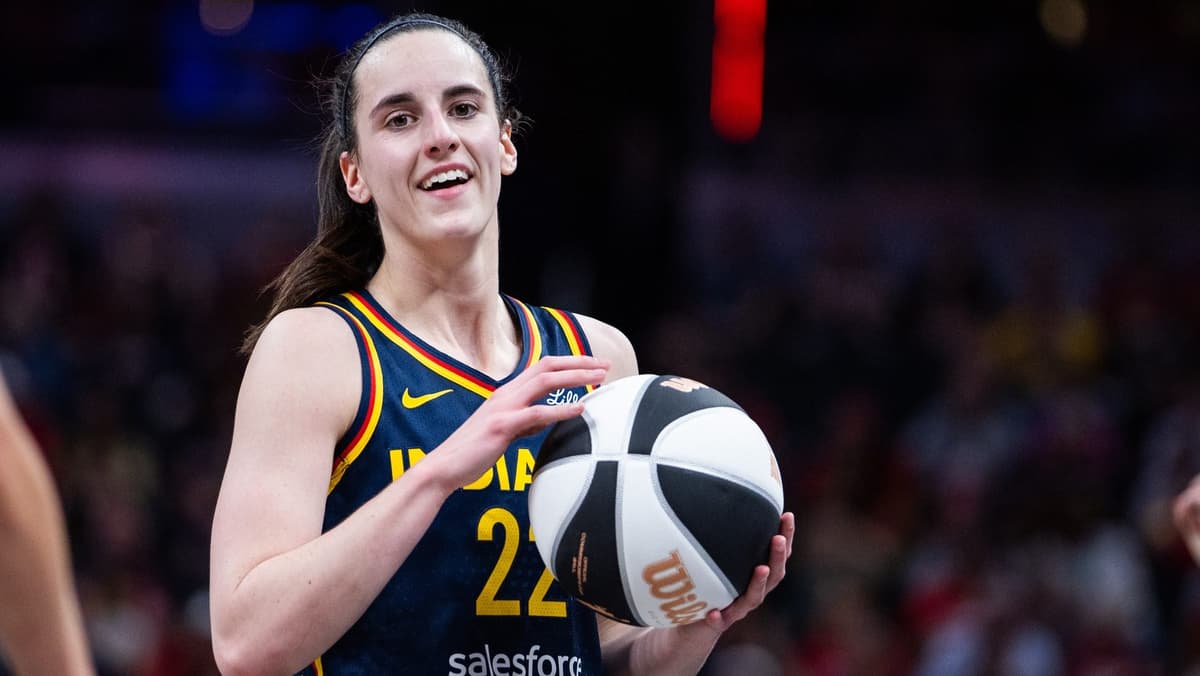
Fever GM: Team Must Think ‘Long Term’ With Clark Payday Incoming
Why It Matters
The EPIC provision concentrates a large share of the Fever’s salary cap on two young stars, forcing the franchise to navigate financial risk while remaining competitive in a tightening league market.
Key Takeaways
- •Aliyah Boston signed record four-year, $6.3M EPIC deal
- •Caitlin Clark eligible for max contract after All‑WNBA rookie season
- •Sophie Cunningham's one‑year, $665K deal fuels contract length concerns
- •Fever may allocate 40% cap to two stars by 2027
Pulse Analysis
The WNBA’s newly adopted EPIC (Exceptional Performance on Initial Contract) rule marks a watershed in league economics, allowing fourth‑year players who have earned All‑WNBA honors to renegotiate for max or supermax contracts worth up to 20% of the salary cap. By tying compensation to early‑career performance, the CBA aims to retain elite talent and boost player earnings, but it also introduces a new layer of cap complexity for teams that must now forecast multi‑year financial commitments for rising stars.
For the Indiana Fever, the EPIC rule has immediate roster implications. Aliyah Boston’s historic $6.3 million four‑year agreement and Caitlin Clark’s projected max deal next summer could together consume roughly 40% of the franchise’s cap by 2027. This concentration forces the Fever to be strategic about depth signings, rookie development, and potential trades. The team’s approach—balancing a long‑term vision with the need to stay competitive this season—highlights the delicate act of managing star salaries while preserving flexibility for role players and future draft assets.
Across the league, the EPIC provision is reshaping player‑team dynamics. Veterans like Sophie Cunningham, who accepted a one‑year, $665 K contract, are spotlighting the trade‑off between financial security and contract length. As more players chase max deals, franchises may push for creative contract structures or lobby for CBA tweaks to mitigate cap inflation. For sponsors and fans, the shift promises higher‑profile talent staying longer in markets, potentially driving viewership and revenue, but it also raises questions about competitive balance and long‑term sustainability of WNBA payrolls.
Fever GM: Team Must Think ‘Long Term’ With Clark Payday Incoming
Comments
Want to join the conversation?
Loading comments...