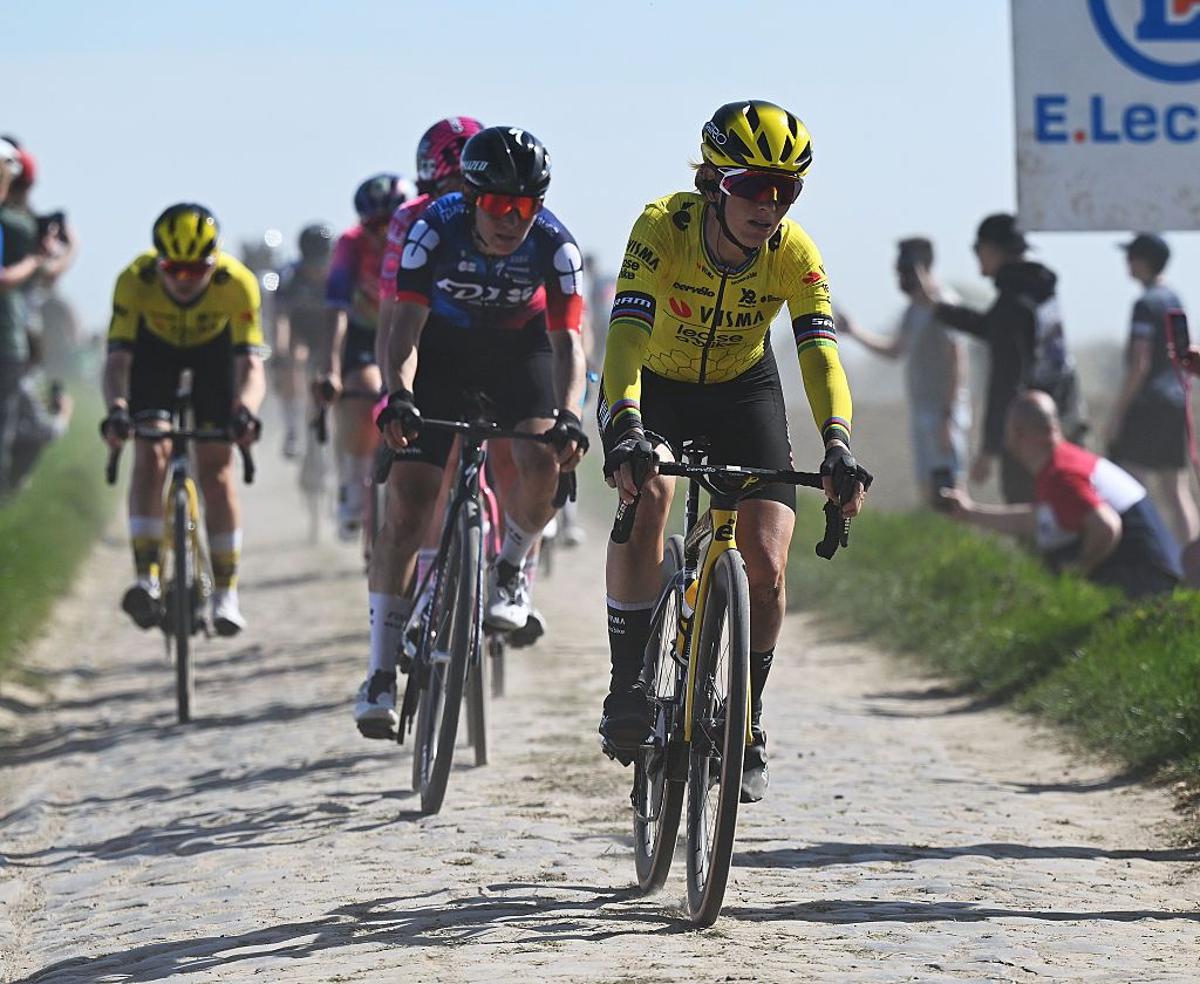
'Fewer Minutes but More Eyeballs' – ASO Race Director Defends Reduction in Women's Paris-Roubaix Broadcast and His 'Moron' Comments on Rockets Boss Bas Tietema
Why It Matters
Reduced TV exposure threatens the visibility and commercial growth of women’s cycling, while the sponsor shortfall underscores broader funding gaps in the sport. The controversy also highlights tensions between traditional race governance and emerging media‑driven athletes.
Key Takeaways
- •Broadcast cut to 90 minutes, but scheduled after men’s race
- •Gouvenou claims larger Sunday audience offsets fewer minutes
- •Zwift withdrew as title sponsor, tightening budget
- •Women’s cycling still struggles to secure equal sponsorship
- •Gouvenou labeled Bas Tietema a "moron" for media stunts
Pulse Analysis
The decision to shrink Paris‑Roubaix Femmes’ live coverage reflects a trade‑off between airtime and audience size. By slotting the women’s race after the men’s, ASO expects viewers already tuned into the Monument to stay on, boosting ratings despite a shorter window. Critics argue that visibility is more than numbers; sustained exposure builds fan bases, attracts sponsors, and validates athletes’ efforts. In a sport where media rights are a primary revenue stream, any reduction can ripple through team budgets and athlete contracts.
Financial realities further complicate the picture. The 2022‑23 edition lost Zwift as a title sponsor, leaving ASO to fund the race largely from its own coffers. Gouvenou’s admission that parity is “not yet possible” mirrors a broader industry trend: women’s events often operate on tighter margins, relying on legacy sponsors or public funding. Without consistent backing, organizers face tough choices—shorter broadcasts, fewer road closures, or even event cancellations—each of which can stall the momentum built by recent high‑profile launches like the women’s Tour de France.
The controversy surrounding Bas Tietema adds another layer, illustrating the clash between traditional race protocols and the rise of influencer‑driven cycling teams. Gouvenou’s “moron” comment sparked debate about the role of content creators in elite events, especially when their activities potentially disrupt race logistics. As social media becomes integral to fan engagement, governing bodies will need clear policies that balance promotional value with the integrity and safety of the competition. Navigating these dynamics will be crucial for the long‑term growth of women’s professional cycling.
'Fewer minutes but more eyeballs' – ASO race director defends reduction in women's Paris-Roubaix broadcast and his 'moron' comments on Rockets boss Bas Tietema
Comments
Want to join the conversation?
Loading comments...