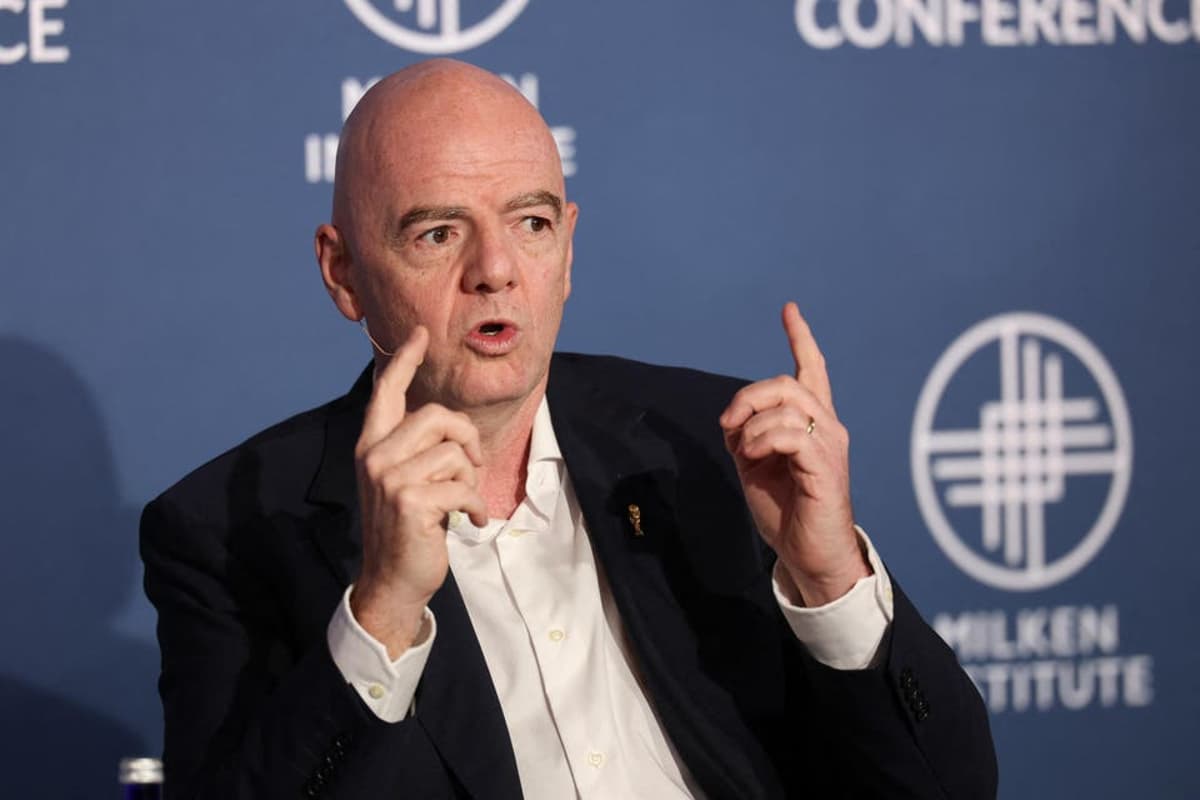
FIFA President Infantino Defends Exorbitant World Cup Ticket Prices
Why It Matters
The pricing controversy threatens FIFA’s brand credibility and could dampen revenue streams from ancillary services, while legal challenges may force reforms in ticketing policy. It also signals broader market tension between profit maximization and fan accessibility for global sporting events.
Key Takeaways
- •FIFA cites 500 million ticket requests, tenfold prior tournaments.
- •Final match tickets listed at $2.3 million on resale platform.
- •One‑quarter of group‑phase tickets priced below $300, Infantino says.
- •European supporters group files lawsuit over “excessive” World Cup pricing.
- •U.S. hotels and transit report bookings and fares below expectations.
Pulse Analysis
FIFA’s justification for World Cup ticket prices leans heavily on dynamic pricing, a model that adjusts costs based on real‑time demand. Infantino argues that without market‑based rates, tickets would be resold at even higher prices, effectively shifting the burden to fans. This approach mirrors pricing strategies in premium entertainment sectors, yet it diverges sharply from the pricing of comparable U.S. sports events, where college football and NFL tickets often sit well below $300 for comparable seating. By positioning the World Cup as a global entertainment product, FIFA seeks to capture maximum revenue, which it claims funds its nonprofit operations for the next four‑year cycle.
The backlash has moved beyond social media commentary to formal legal action. Football Supporters Europe, backed by the European Commission, alleges that FIFA’s pricing violates competition norms and exploits fans. The lawsuit underscores a growing demand for transparency and fairness in ticket allocation, especially as the tournament expands to new markets like North America. Critics also point out the disparity between the organization’s nonprofit narrative and the staggering $2.3 million resale price for the final, suggesting a disconnect between stated mission and market behavior.
Beyond the ticket controversy, the World Cup’s economic ripple effects are already evident. Hotel occupancy in host cities is lagging, with 80 percent of U.S. hoteliers reporting bookings below forecasts, while transportation costs have surged—NJ Transit’s round‑trip fare jumped from $12.90 to $150 for match days. These ancillary price hikes compound fan frustration and may suppress overall attendance, potentially eroding ancillary revenue streams that FIFA relies on. The situation serves as a cautionary tale for future mega‑events: pricing strategies must balance revenue goals with fan accessibility to preserve both brand equity and economic impact.
FIFA President Infantino Defends Exorbitant World Cup Ticket Prices
Comments
Want to join the conversation?
Loading comments...