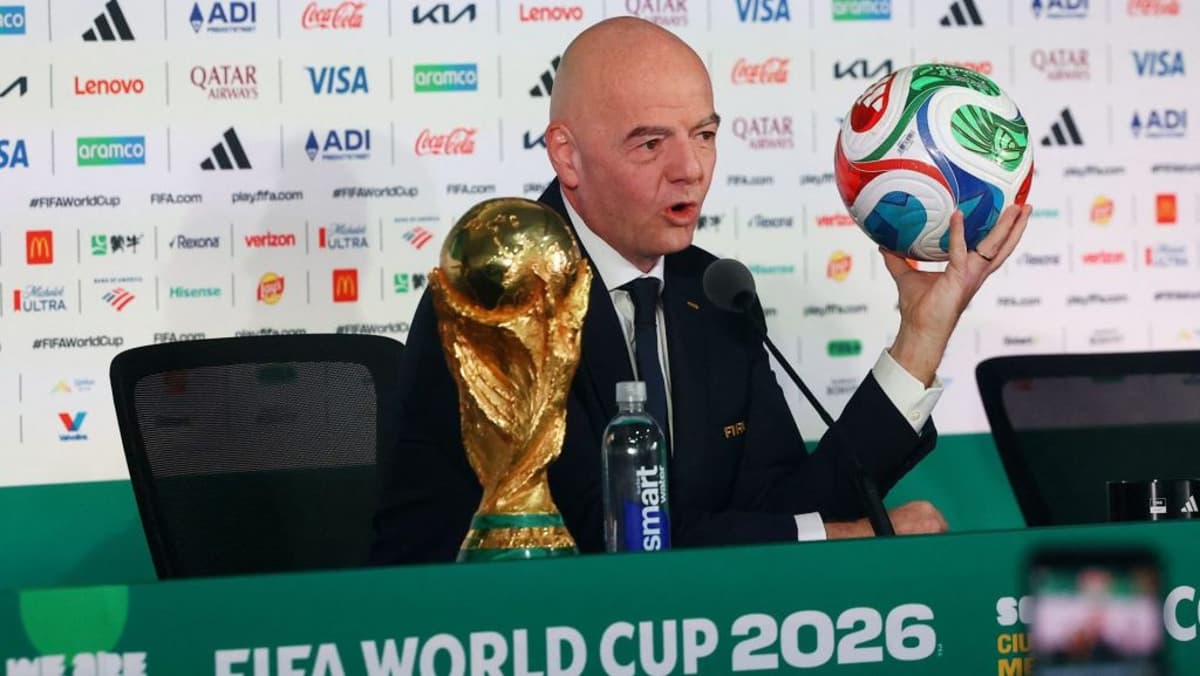
Gianni Infantino Defends FIFA’s Handling of Iran, Tickets, and Visas at World Cup
Companies Mentioned

Why It Matters
These issues affect FIFA’s credibility, revenue streams, and its ability to navigate geopolitical tensions, influencing fan perception and future host‑nation negotiations.
Key Takeaways
- •Infantino defended Iran’s participation despite U.S. travel bans.
- •FIFA expects roughly $11 billion in World Cup revenue.
- •Average ticket price set below $500, claimed lower than NBA finals.
- •Visa denials affected officials, referees, and journalists traveling to U.S.
- •FIFA welcomes investigations, likening its practices to broader market norms.
Pulse Analysis
The 2026 World Cup has become a diplomatic flashpoint as FIFA grapples with Iran’s participation amid lingering U.S. sanctions. Infantino highlighted the role of a Trump‑led task force in smoothing visa hurdles, yet acknowledged that the United States turned away several officials and a Somali referee. By framing Iran’s presence as a diplomatic win, FIFA seeks to preserve the tournament’s global legitimacy while navigating a complex geopolitical landscape that could set precedents for future host‑nation negotiations.
Ticket pricing sits at the heart of FIFA’s financial strategy. With an average price below $500, the governing body argues that higher costs would simply empower scalpers and diminish revenue that fuels soccer development worldwide. The organization projects about $11 billion in direct tournament earnings and hints at a $30 billion upside from premium TV rights, positioning the World Cup as a revenue engine comparable to major U.S. sports leagues. Ongoing investigations by state attorneys general into ticketing practices underscore heightened scrutiny, but FIFA maintains that its pricing aligns with broader market norms.
These controversies carry weighty implications for FIFA’s brand and stakeholder trust. Defending high prices and visa policies while courting U.S. political allies signals a pragmatic, if contentious, approach to maximizing profit and ensuring global participation. However, perceived insensitivity to fan affordability and immigration hurdles could erode goodwill among sponsors, broadcasters, and the worldwide fan base. As the tournament approaches, FIFA’s ability to balance revenue goals with ethical and diplomatic considerations will shape its reputation and influence the blueprint for future World Cups.
Gianni Infantino Defends FIFA’s Handling of Iran, Tickets, and Visas at World Cup
Comments
Want to join the conversation?
Loading comments...