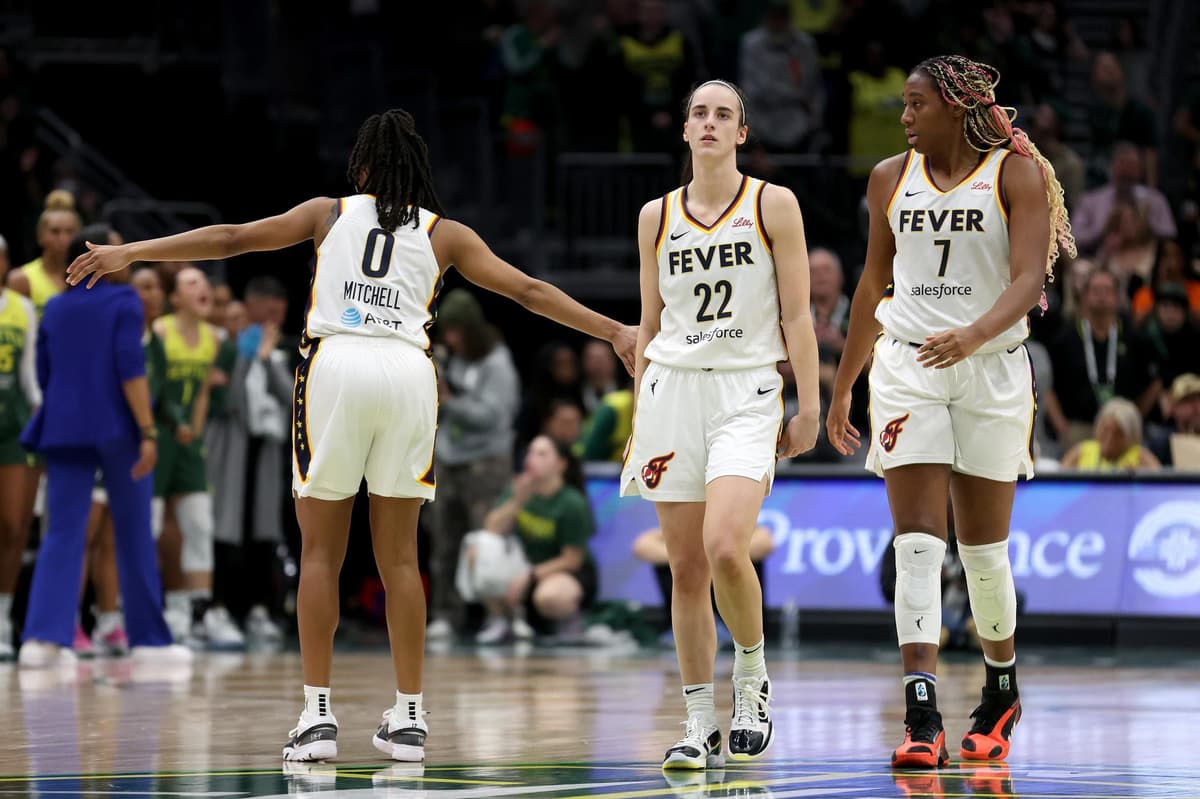
How Indiana Fever Gave Out Two Historic Contracts In One Week
Why It Matters
The deals illustrate the WNBA’s rapidly expanding payroll, helping teams retain elite talent and signaling a new era of financial growth for women’s professional basketball.
Key Takeaways
- •Mitchell’s $1.4 M deal marks Fever’s first seven‑figure contract
- •Boston’s EPIC extension totals just under $6.3 M over three years
- •Both contracts rely on the new $7 M salary‑cap CBA
- •Fever become one of three teams with a supermax player this year
Pulse Analysis
The WNBA’s latest collective bargaining agreement reshaped the league’s financial landscape, lifting the salary cap to $7 million and introducing mechanisms like the supermax and EPIC provisions. For the Indiana Fever, these tools translated into historic contracts: Kelsey Mitchell’s one‑year, $1.4 million supermax and Aliyah Boston’s three‑year EPIC extension projected at just under $6.3 million. By allocating 20 % of the cap to Mitchell and securing Boston’s long‑term earnings, the Fever leveraged the new rules to lock in their core talent while navigating a tighter salary structure.
These contracts have broader implications for player market dynamics. The ability to offer seven‑figure deals reduces the incentive for top WNBA stars to seek overseas play during the offseason, potentially keeping more elite talent stateside. Teams now face a strategic balancing act—investing heavily in marquee players while managing cap space for depth. The Fever’s aggressive approach may prompt other franchises to explore similar extensions, accelerating overall payroll growth and fostering a more competitive league.
Beyond the Fever, the contracts signal a maturation of women’s professional sports economics. Higher salaries attract greater media attention, sponsor interest, and fan engagement, creating a virtuous cycle that can boost league revenues. As the WNBA continues to expand its global footprint, the precedent set by Mitchell and Boston could become a benchmark for future negotiations, encouraging younger athletes to view basketball as a viable long‑term career in the United States. This shift may also influence other women’s leagues to adopt comparable compensation models, further elevating the status of women’s sports worldwide.
How Indiana Fever Gave Out Two Historic Contracts In One Week
Comments
Want to join the conversation?
Loading comments...