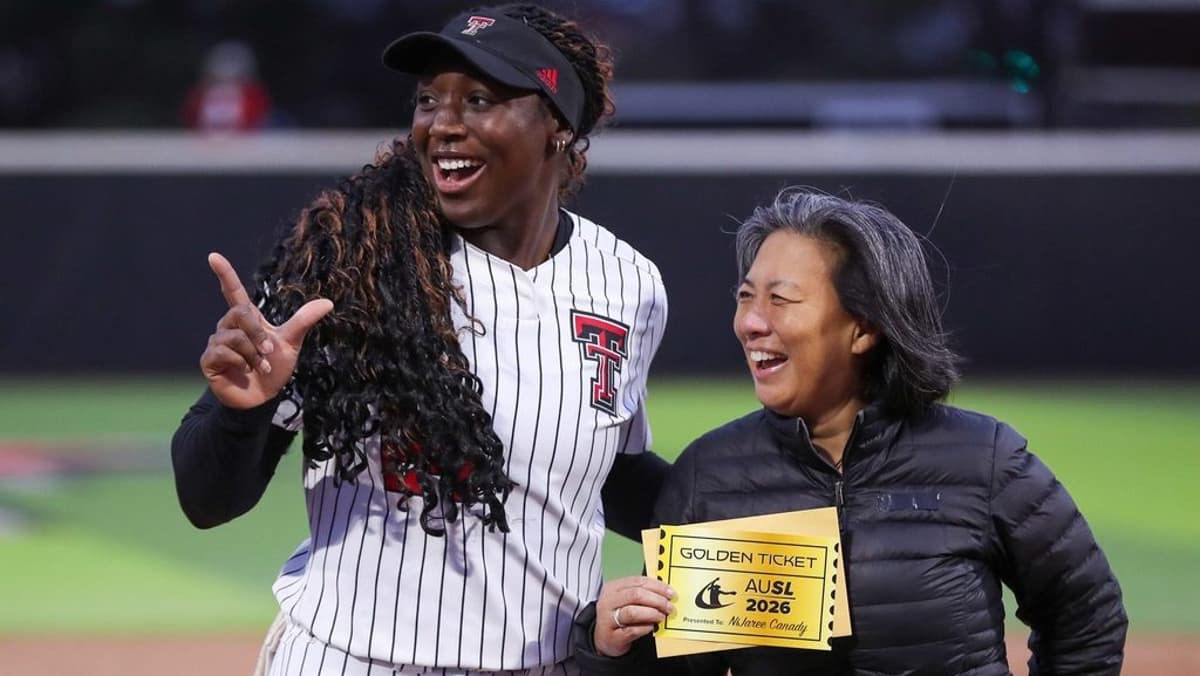
Kim Ng: Don’t Expect Robot Umps in Pro Softball Anytime Soon
Companies Mentioned
Why It Matters
The decision highlights the gap between MLB’s resources and emerging leagues, affecting how quickly softball can modernize officiating and fan engagement. It also underscores AUSL’s strategic focus on market stability before investing in costly technology.
Key Takeaways
- •ABS logged 124 challenges, 67 overturned in MLB’s first four days.
- •AUSL will host six teams in distinct home markets for 2026 season.
- •League remains single-owner but is exploring multi‑ownership options.
- •Expansion adds Portland Cascade and Oklahoma City Spark, boosting league footprint.
- •Robot umpires not planned for AUSL until sufficient data is gathered.
Pulse Analysis
The Automated Ball‑Strike (ABS) system has become a headline feature in baseball, debuting in MLB’s 2026 season and immediately generating 124 challenges, with more than half reversed. Players praised the ability to contest calls, and fans responded positively, boosting attendance despite longer game times. However, the technology relies on extensive pitch‑tracking data and a robust umpire infrastructure—resources that newer leagues like AUSL do not yet possess. Consequently, the league’s leadership is cautious, waiting for clear performance metrics before committing to a costly rollout.
AUSL’s 2026 season marks a strategic shift from a nomadic, tour‑based schedule to six permanent home markets, including new franchises Portland Cascade and Oklahoma City Spark. Operating under a single‑owner model gives the league tight control over branding, broadcast agreements, and player experience, but it also raises concerns about competitive balance and long‑term growth. Ng’s openness to multi‑ownership reflects industry trends seen in the Premier Lacrosse League and the PWHL, where diversified ownership can attract additional capital and regional fan bases, potentially elevating softball toward a top‑five North American sport.
Looking ahead, the adoption of robot umpires in softball hinges on data collection, cost‑benefit analysis, and fan acceptance. As AUSL secures deals with ESPN platforms and expands its market footprint, it will generate the volume of pitch data needed to evaluate ABS viability. If the league can demonstrate improved accuracy and viewer engagement, a phased introduction of technology could follow MLB’s lead, offering a competitive edge and modernizing the sport without compromising its developmental stage. Until then, traditional umpiring remains the standard, preserving the human element that many purists still value.
Kim Ng: Don’t Expect Robot Umps in Pro Softball Anytime Soon
Comments
Want to join the conversation?
Loading comments...