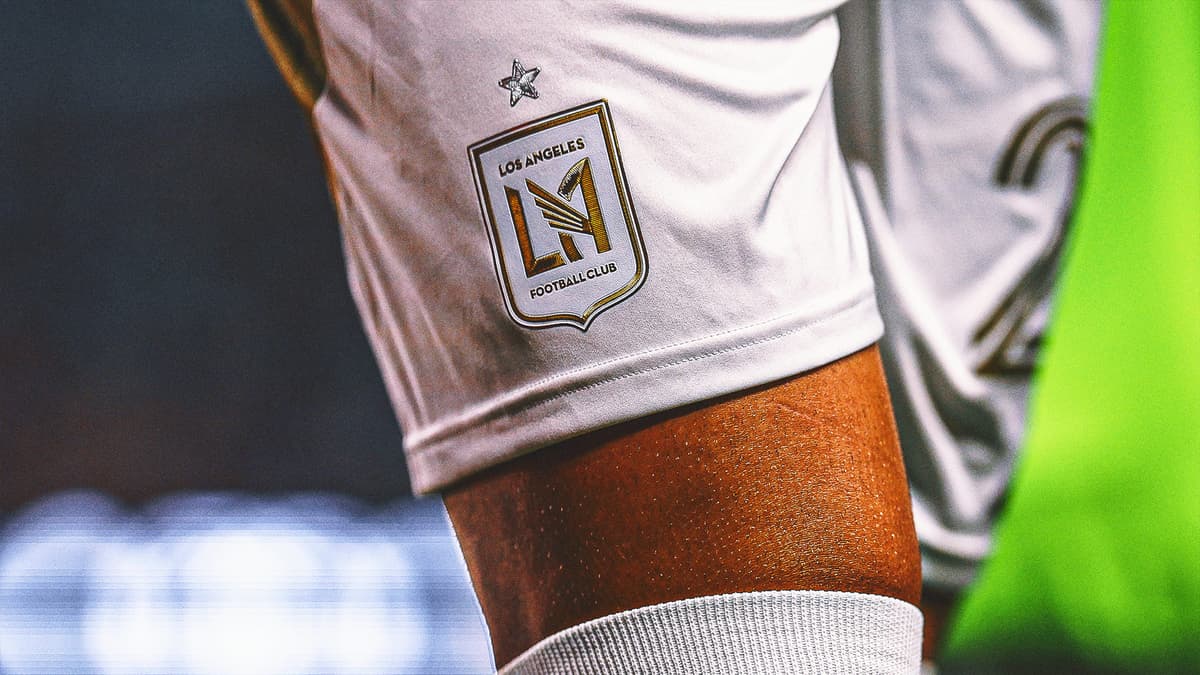
LAFC, Owners Of Swiss Soccer Club, Offer To Sell After Fans' Forceful Protest
Why It Matters
The potential sale underscores the volatility of U.S. capital in European soccer and highlights how fan backlash can force ownership to reassess investment strategies. It also raises questions about the long‑term viability of foreign‑owned clubs struggling financially.
Key Takeaways
- •LAFC owners consider selling Grasshopper after fan protests
- •Club sits 11th of 12, facing relegation playoff
- •Ownership group includes Guber, Shapiro, Ferrell, Johnson, Hamm
- •Operating costs exceed revenues, requiring external funding
Pulse Analysis
U.S. investors have increasingly turned to European football as a branding platform, and Los Angeles FC’s purchase of Grasshopper was a high‑profile example. The consortium, featuring entertainment and sports moguls, hoped to revive the historic Zurich club, but on‑field performance quickly deteriorated, leaving the team entrenched near the bottom of the Swiss Super League. Fan anger boiled over after a Swiss Cup semifinal loss, culminating in vocal protests that forced the owners to publicly acknowledge the club’s precarious position. This episode illustrates how quickly enthusiasm can turn to opposition when promised results fail to materialize, especially in markets with passionate supporter bases.
Financially, Grasshopper’s situation mirrors that of many mid‑tier European clubs that rely heavily on owner subsidies. Despite the owners’ claim of “significant investment,” the club’s operating expenses continue to outpace match‑day revenue, broadcast income, and sponsorship deals. The lack of a sustainable commercial model means the club depends on continual cash infusions to meet payroll and stadium costs. By signaling openness to a partial or full sale, LAFC is attempting to mitigate further losses while preserving the club’s professional status, but any buyer will inherit the same fiscal imbalance unless a robust revenue strategy is implemented.
The broader implication for transatlantic soccer ownership is clear: foreign capital alone cannot guarantee success without aligning with local fan expectations and establishing sound financial fundamentals. Grasshopper’s potential sale could trigger a wave of reassessments among other U.S.-backed European clubs facing similar pressures. For investors, the lesson is to prioritize long‑term sustainability over short‑term branding gains, while supporters are reminded of their growing influence in dictating ownership decisions. The outcome will likely shape how future cross‑border football deals are structured and negotiated.
LAFC, Owners Of Swiss Soccer Club, Offer To Sell After Fans' Forceful Protest
Comments
Want to join the conversation?
Loading comments...