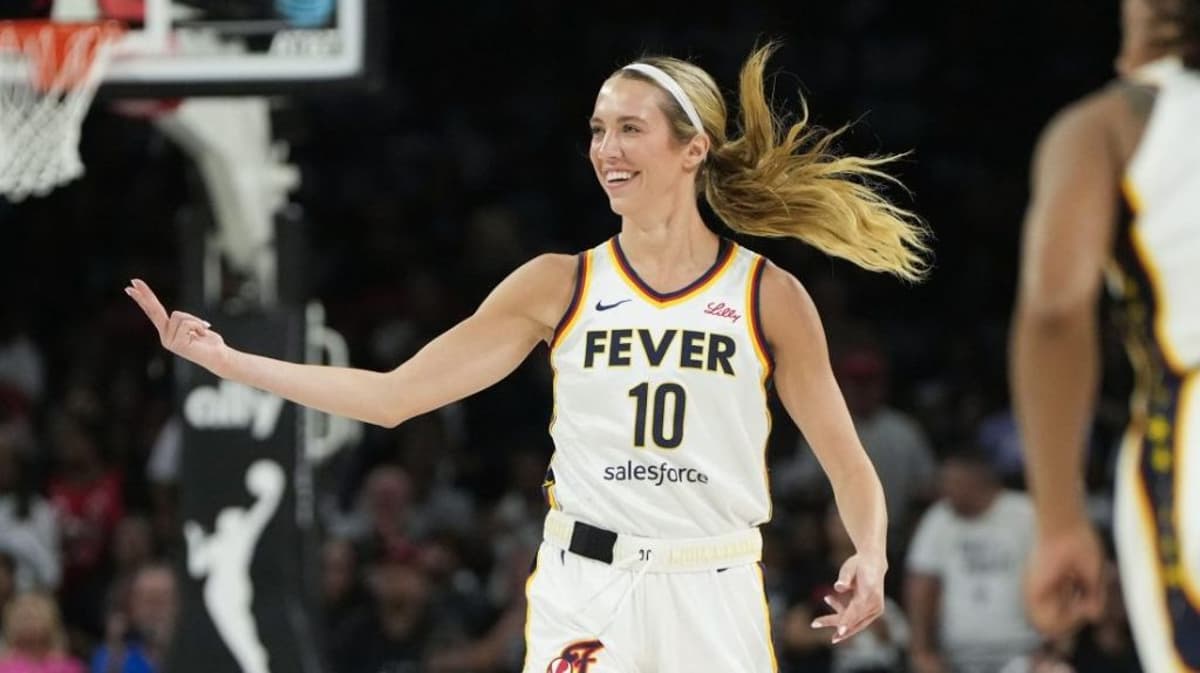
Lexie Hull Thinks Offseason Basketball Leagues Could Eventually Merge
Why It Matters
A merger of offseason leagues would streamline talent, boost player earnings, and create a more marketable year‑round product for women’s basketball, accelerating the sport’s commercial growth.
Key Takeaways
- •Athletes Unlimited runs a month; Unrivaled lasts two months.
- •Project B offers salaries starting at $2 million, outpacing WNBA.
- •Upshot League launches May 15 in four non‑WNBA cities.
- •Hull predicts future consolidation of offseason women’s leagues.
- •Expanded WNBA schedule could extend season to November under new CBA.
Pulse Analysis
The proliferation of women’s basketball leagues outside the WNBA reflects both a talent surplus and a financial necessity for players. With the WNBA’s five‑month window and modest salaries, athletes have turned to Athletes Unlimited’s 5‑on‑5 format and Unrivaled’s 3‑on‑3 showcase to stay in shape and earn supplemental income. These short‑term competitions fill the calendar gap between May and September, offering exposure and modest pay, but they remain fragmented, each with its own schedule, rules, and branding.
A new financial dynamic is reshaping the offseason landscape. Project B, a global circuit running December through March, promises contracts starting at $2 million—well above the WNBA’s new collective bargaining agreement supermax. Such lucrative offers attract top talent, potentially pulling stars away from traditional offseason options. As salaries rise, players will weigh brand alignment, travel demands, and long‑term career strategy more carefully, prompting league operators to consider partnerships or mergers that can pool resources, standardize contracts, and present a unified product to sponsors and broadcasters.
Looking ahead, Hull’s vision of a merged offseason league aligns with broader industry trends toward consolidation and year‑round fan engagement. A single, well‑structured league could deliver a continuous narrative, increase television rights value, and provide sponsors with a stable platform. Moreover, an expanded WNBA schedule—potentially stretching into November under the new CBA—could dovetail with a merged offseason, creating a seamless basketball calendar that maximizes player earnings while preserving essential recovery periods. This integration could accelerate the commercial maturation of women’s basketball, attracting new investors and expanding the sport’s global footprint.
Lexie Hull Thinks Offseason Basketball Leagues Could Eventually Merge
Comments
Want to join the conversation?
Loading comments...