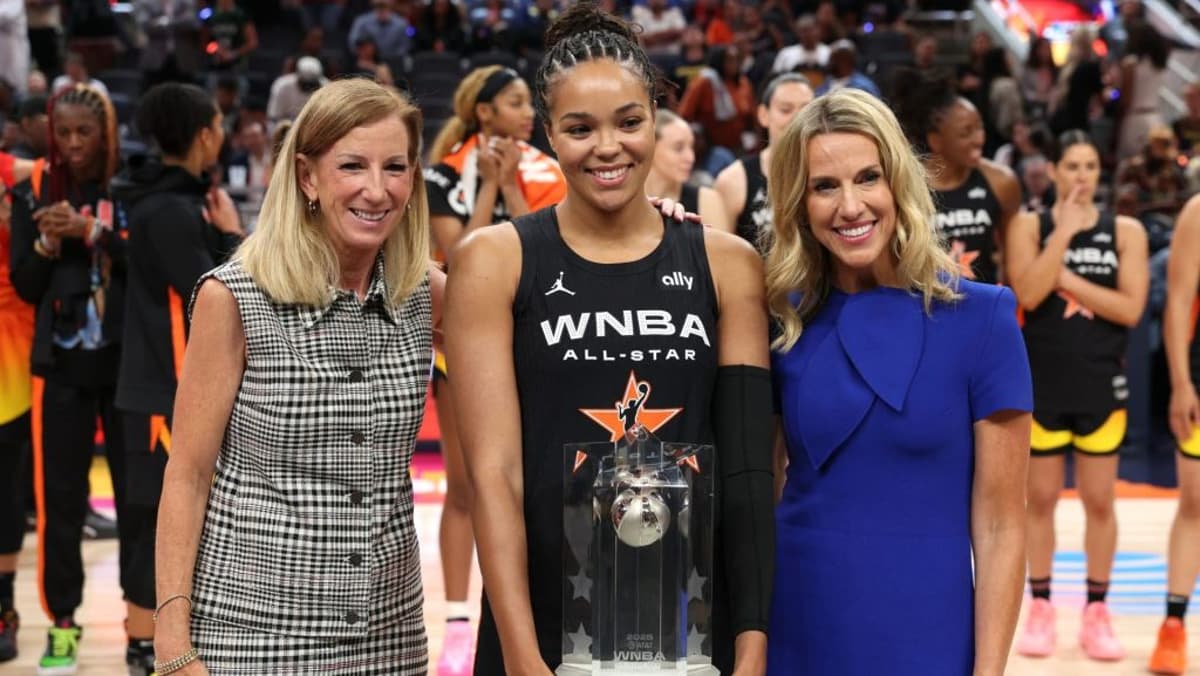
Napheesa Collier Admits Cathy Engelbert Rant Was For CBA Leverage
Why It Matters
The episode underscores how player activism can shape labor negotiations and public perception, highlighting leadership challenges in a growing women’s sports league.
Key Takeaways
- •Collier's September remarks sparked league-wide criticism and media backlash
- •She now frames comments as strategic pressure during CBA negotiations
- •Engelbert responded defensively, highlighting gender bias in commissioner questioning
- •The March CBA agreement includes salary increases and improved benefits for players
- •Player‑league tension may affect fan perception and future sponsorships
Pulse Analysis
The controversy began when Napheesa Collier, a vocal advocate for player rights, labeled WNBA commissioner Cathy Engelbert’s leadership as the "worst in the world" after the Minnesota Lynx’s playoff exit. Her remarks resonated across social media, amplifying existing frustrations over officiating, revenue sharing, and the league’s growth strategy. By positioning her criticism as a bargaining chip, Collier tapped into a broader trend of athletes using public platforms to influence collective‑bargaining dynamics, a tactic seen in the NBA and NFL but still novel in women’s professional sports.
Engelbert’s response highlighted two intersecting pressures: defending the league’s governance while confronting gendered scrutiny. She accused a reporter of sexism when asked about her future, a moment that sparked debate about double standards for female executives. This dialogue reflects the WNBA’s unique position—balancing rapid fanbase expansion with the need for credible, inclusive leadership. The March CBA, which delivered a modest salary increase and enhanced health benefits, demonstrates that the league can negotiate progress despite internal discord, but the public spat reveals lingering trust gaps between players and administration.
For stakeholders, the episode offers a cautionary tale about reputation management and the commercial stakes of player‑league relations. Sponsors increasingly tie brand equity to league stability and positive narratives; prolonged conflict could dampen fan enthusiasm and deter investment. Conversely, transparent negotiations and constructive criticism can reinforce the WNBA’s image as a progressive, player‑centric organization, potentially attracting new media deals and expanding its market share in the broader sports ecosystem.
Napheesa Collier Admits Cathy Engelbert Rant Was For CBA Leverage
Comments
Want to join the conversation?
Loading comments...