PGA Tour’s New Social Media Policy Will Allow Players to Post More Content
Companies Mentioned
Why It Matters
By loosening content restrictions, the Tour empowers players to grow their personal brands and attract sponsors while safeguarding its own broadcast revenue. The policy positions the PGA Tour as one of the most athlete‑friendly leagues in the sports‑media landscape.
Key Takeaways
- •Players may post three minutes of on‑site content each competition day
- •Broadcast highlights increased to six shots per round, one minute total
- •Archive videos can be up to eight minutes each
- •Players keep ad revenue from practice‑round videos; tour claims broadcast footage revenue
- •Players no longer transfer YouTube channel ownership for archive clips
Pulse Analysis
The PGA Tour’s new social‑media guidelines arrive at a moment when professional golfers are increasingly treating YouTube and TikTok as extensions of their competitive careers. Influencers like Jason Day and Tommy Fleetwood have built subscriber bases that rival traditional media audiences, turning instructional series and behind‑the‑scenes vlogs into lucrative revenue streams. By granting three minutes of on‑site footage per day and expanding broadcast‑highlight allowances, the Tour acknowledges that player‑generated content fuels fan engagement and can drive viewership back to its own platforms.
From a business perspective, the policy strikes a delicate balance between brand empowerment and revenue protection. Players retain ad earnings from practice‑round videos, a shift that aligns with broader trends in sports where athletes monetize personal channels. At the same time, the Tour continues to claim revenue from any competition footage that appears in player uploads, preserving its broadcast‑rights value. Eliminating the mandatory transfer of YouTube channel ownership reduces administrative friction and signals a more collaborative stance, potentially attracting talent who value digital autonomy.
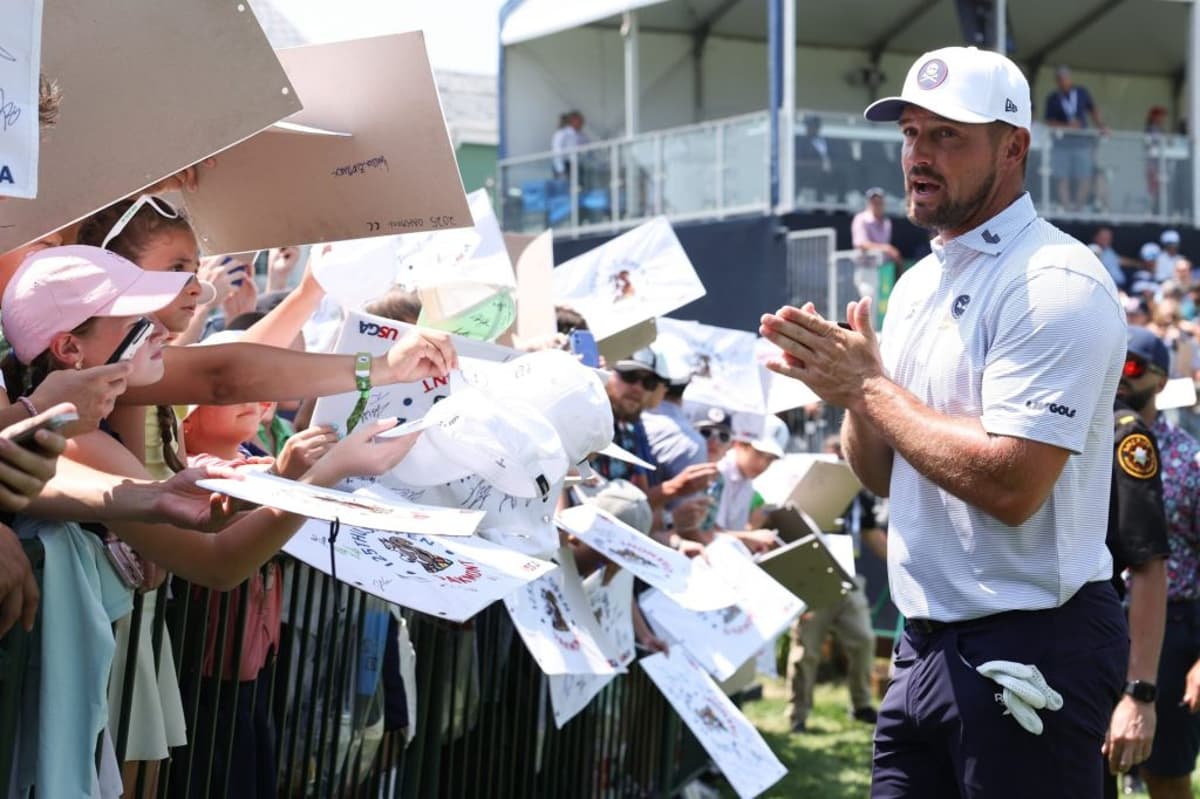
Looking ahead, the revised rules could influence contract negotiations and tour loyalty, especially for high‑profile creators like Bryson DeChambeau. While the policy expands permissible content, it still bars commercial exploitation of on‑site tournament clips, limiting direct sponsor integration during live events. This restriction may push players toward off‑site productions or hybrid models that blend practice‑round footage with brand messaging. Ultimately, the Tour’s athlete‑centric approach may set a new standard for other leagues seeking to harmonize traditional broadcast models with the rising power of personal media brands.
PGA Tour’s New Social Media Policy Will Allow Players to Post More Content
Comments
Want to join the conversation?
Loading comments...