Redefining Leadership in Athletics: The CEO Model
Why It Matters
Elevating athletics leadership to a CEO level aligns governance with the commercial realities of modern college sports, enabling universities to attract top talent, manage risk, and maximize revenue streams.
Key Takeaways
- •USF appointed a CEO to run athletics, adding COO and CBO roles.
- •NIL revenue sharing pushes college sports toward professional‑franchise model.
- •Governance shift aims to attract talent from corporate and pro‑sports sectors.
- •Athletic departments now manage nine‑figure budgets, media contracts, and risk.
- •Title change signals strategic alignment, not just branding.
Pulse Analysis
The last three years have turned college athletics into a multi‑billion‑dollar enterprise. Name, Image and Likeness (NIL) agreements now generate revenue that is shared with student‑athletes, while Power‑conference media rights deals routinely exceed $1 billion. Combined with the transfer portal and escalating coaching salaries, athletic departments are handling nine‑figure budgets, complex capital projects, and enterprise‑level risk. Those financial dynamics mirror the operating models of professional sports franchises, prompting university leaders to reconsider whether a traditional athletic director title can provide the strategic oversight required.
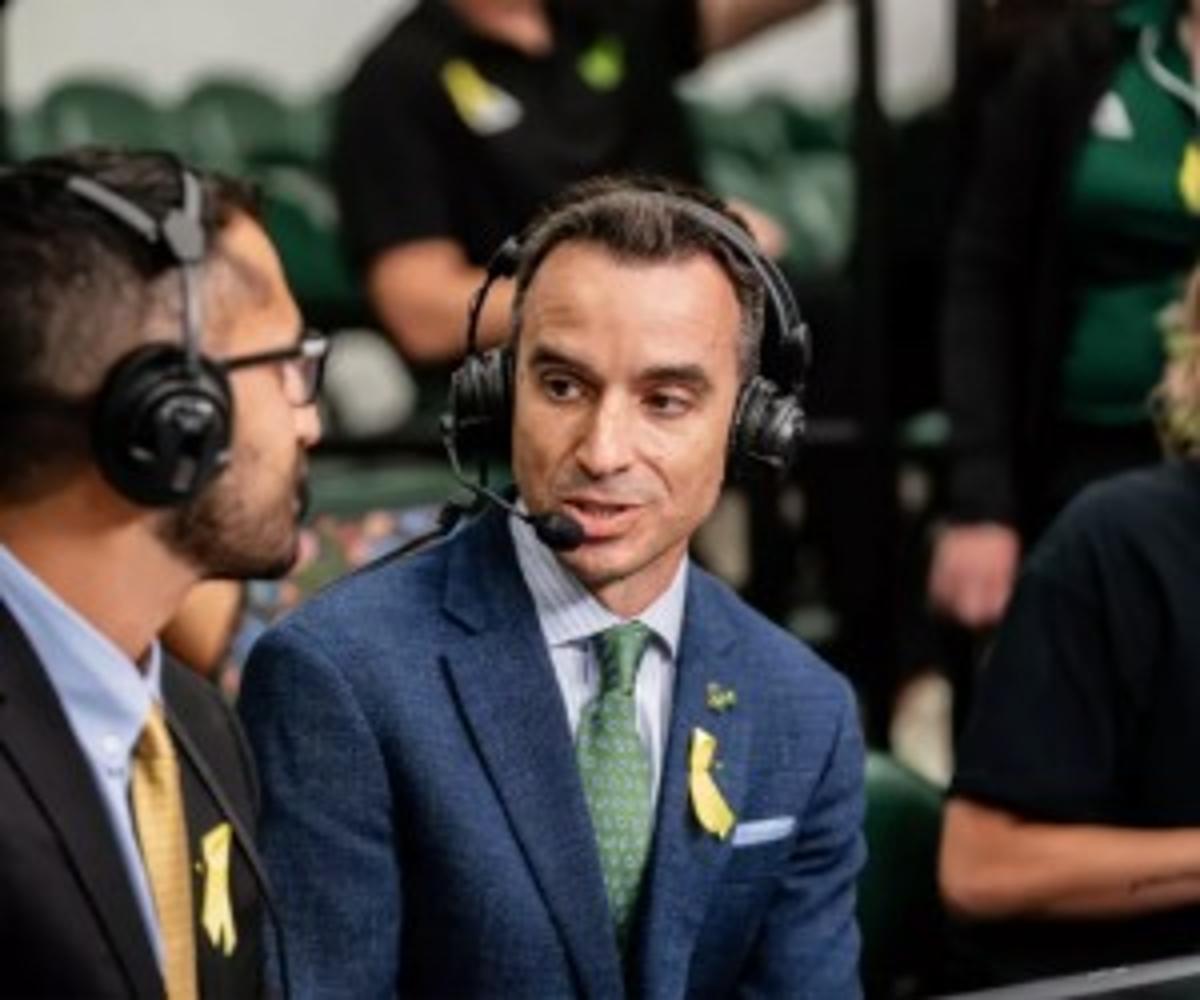
University of South Florida answered that question by creating a CEO position for its athletics program and adding a chief operating officer and chief business officer. The inaugural CEO, Rob Higgins, brings experience running large‑scale events such as Super Bowls and NCAA championships, demonstrating the value of public‑private partnership expertise. By formalizing a corporate‑style hierarchy, USF can recruit talent from both collegiate and professional arenas, align compensation structures with revenue goals, and centralize decision‑making across media contracts, donor portfolios, and facility financing.
The shift signals a broader governance trend across higher education. Presidents facing demographic cliffs, research competition, and fiscal pressure see athletics as a visible test case for enterprise‑level management. Institutions that adopt a CEO model may achieve clearer strategic alignment, more agile risk management, and stronger fundraising capabilities. However, the transition also raises questions about academic mission balance and compliance oversight. As more schools evaluate the model, the defining factor will be whether leadership structures can keep pace with the accelerating commercialisation of college sport. Those schools that succeed will likely see stronger brand equity and alumni engagement.
Redefining Leadership in Athletics: The CEO Model
Comments
Want to join the conversation?
Loading comments...