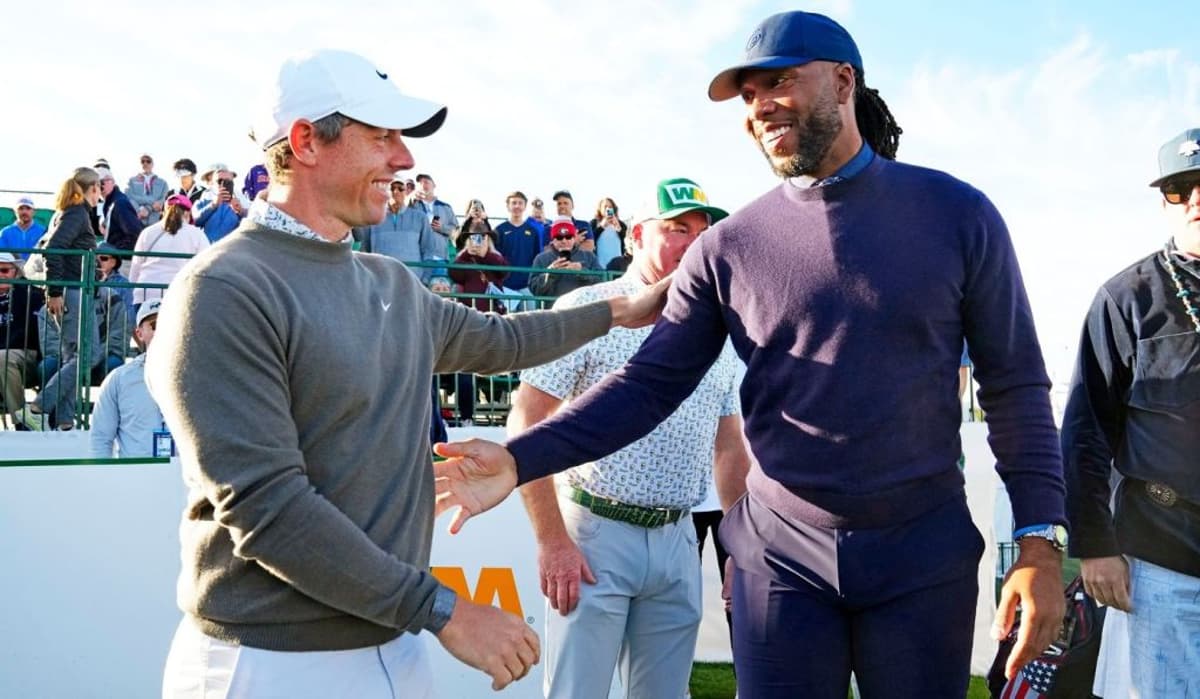
Rolapp: PGA Tour’s New Social Media Policy Straight From NFL’s Playbook
Companies Mentioned
Why It Matters
By loosening digital restrictions, the PGA Tour can tap younger fans, generate new sponsorship revenue, and strengthen its competitive edge against rivals like LIV Golf. The policy signals a shift toward a fan‑first, platform‑agnostic business model.
Key Takeaways
- •PGA Tour lifts on‑site content limits for players' social posts.
- •Policy mirrors NFL's digital strategy to attract under‑35 audience.
- •Goal: showcase depth of talent beyond McIlroy and Scheffler.
- •Expanded YouTube and Instagram presence aims to boost fan engagement.
- •Moves could pressure LIV Golf and reshape golf media rights.
Pulse Analysis
The PGA Tour announced a revamped social‑media policy that will allow players to capture and publish far more content directly from tournament sites. CEO Brian Rolapp, a former NFL media chief, says the change borrows from the league’s playbook that successfully migrated younger fans to digital platforms. By loosening restrictions, the Tour hopes to meet the consumption habits of the under‑35 demographic, which now spends the majority of its leisure time on smartphones and short‑form video. The move signals a strategic pivot toward a more fan‑centric, omnichannel experience.
The policy not only expands the volume of on‑site footage but also encourages players to develop personal brands on YouTube and Instagram, platforms where the Tour sees untapped advertising revenue. Rolapp emphasizes that the PGA’s competitive parity—similar to the NFL—offers countless storylines beyond marquee names like Rory McIlroy and Scottie Scheffler. By giving emerging stars a louder voice, the Tour aims to deepen fan loyalty and create new sponsorship opportunities, a tactic that could erode LIV Golf’s digital foothold if the Saudi‑backed league struggles for funding.
From a business perspective, the expanded digital footprint could boost media‑rights valuations as broadcasters seek more real‑time, platform‑agnostic content. The Tour’s willingness to experiment mirrors the NFL’s successful integration of social feeds into its broadcast packages, potentially opening doors for joint ventures with streaming services. However, the policy also raises questions about brand control and the risk of off‑court controversies spilling onto official channels. If managed well, the initiative positions the PGA Tour as a modern, fan‑first property, while pressuring rivals to innovate or risk losing relevance.
Rolapp: PGA Tour’s New Social Media Policy Straight From NFL’s Playbook
Comments
Want to join the conversation?
Loading comments...