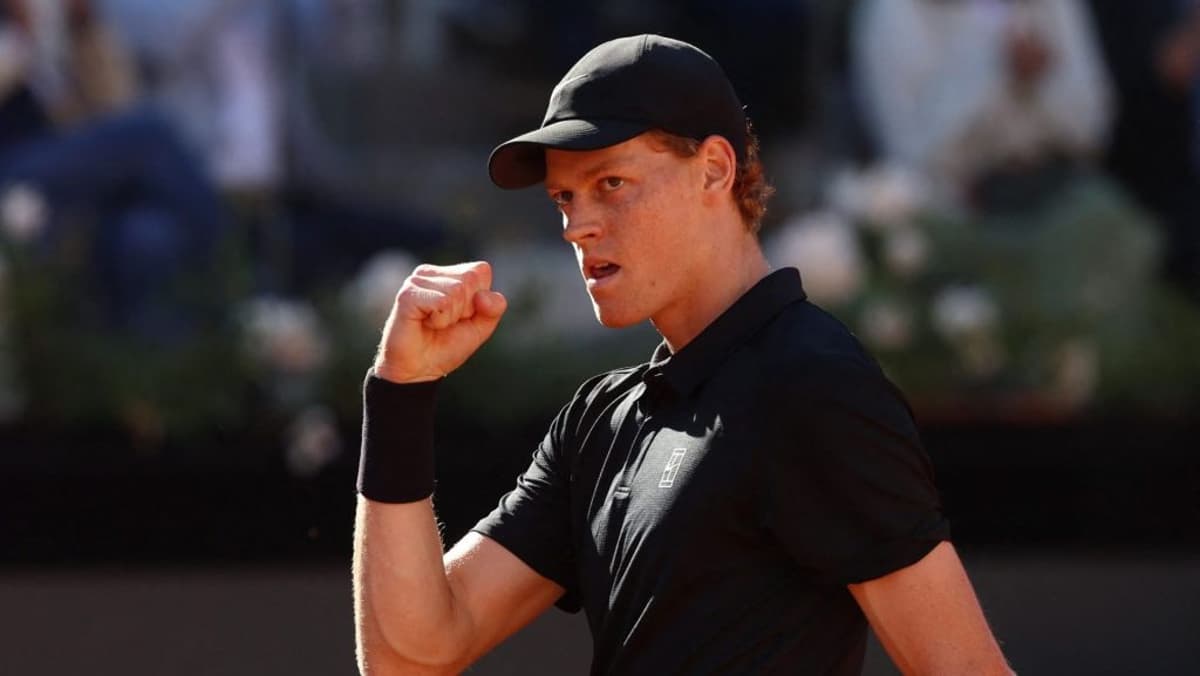
Sabalenka, Sinner Lead Coordinated Media Protest at French Open
Why It Matters
The demand challenges the Grand Slam revenue model and could force a redistribution of prize money, improving financial sustainability for the sport’s broader player base.
Key Takeaways
- •Top players limited press to 15 minutes, mirroring 15% prize share
- •Players demand 22% of tournament revenue by 2030
- •Protest aims to help lower‑ranked players’ earnings and benefits
- •PTPA lawsuit alleges Grand Slam cartel restricting player compensation
- •Future boycotts or schedule talks could follow if demands unmet
Pulse Analysis
At Roland Garros, the sport’s most visible faces—Aryna Sabalenka, Jannik Sinner and several other top‑ranked players—executed a tightly choreographed ‘work‑to‑rule’ media day. By limiting their mandatory press conference and broadcaster interview to a combined 15 minutes, they turned a procedural requirement into a visual metaphor for the roughly 15 percent slice of tournament revenue that currently flows to players. The timing was deliberate: the 15‑minute window mirrors the share they receive, while the players publicly called for a jump to 22 percent by 2030. Their coordinated timing, even down to Coco Gauff’s on‑stage timer, underscored a unified front that extended beyond individual grievances.
The protest strikes at the heart of the Grand Slam business model, which has long relied on a modest player payout relative to soaring broadcasting and sponsorship deals. Lower‑ranked competitors, who often scrape a living on tour, stand to gain the most from a higher revenue percentage, and the players framed the action as solidarity with those peers. Simultaneously, the Professional Tennis Players Association’s lawsuit—alleging the four majors act as a cartel that suppresses earnings—adds legal pressure to the bargaining table. If the 22 percent target is met, it could reshape prize‑money structures, affect tournament budgeting, and set a precedent for other sports leagues negotiating revenue splits.
What follows will test the Grand Slam’s willingness to renegotiate long‑standing contracts and media obligations. A muted response could push the coalition toward more drastic measures, such as boycotts or further media blackouts, which would threaten viewership numbers and sponsor confidence. Conversely, a concession could improve player welfare, broaden the sport’s talent pipeline, and enhance its public image as a fair‑play industry. Stakeholders—from broadcasters to apparel sponsors—will be watching closely, as any shift in the revenue equation could ripple through ticket pricing, global marketing rights, and the overall growth trajectory of professional tennis.
Sabalenka, Sinner Lead Coordinated Media Protest at French Open
Comments
Want to join the conversation?
Loading comments...