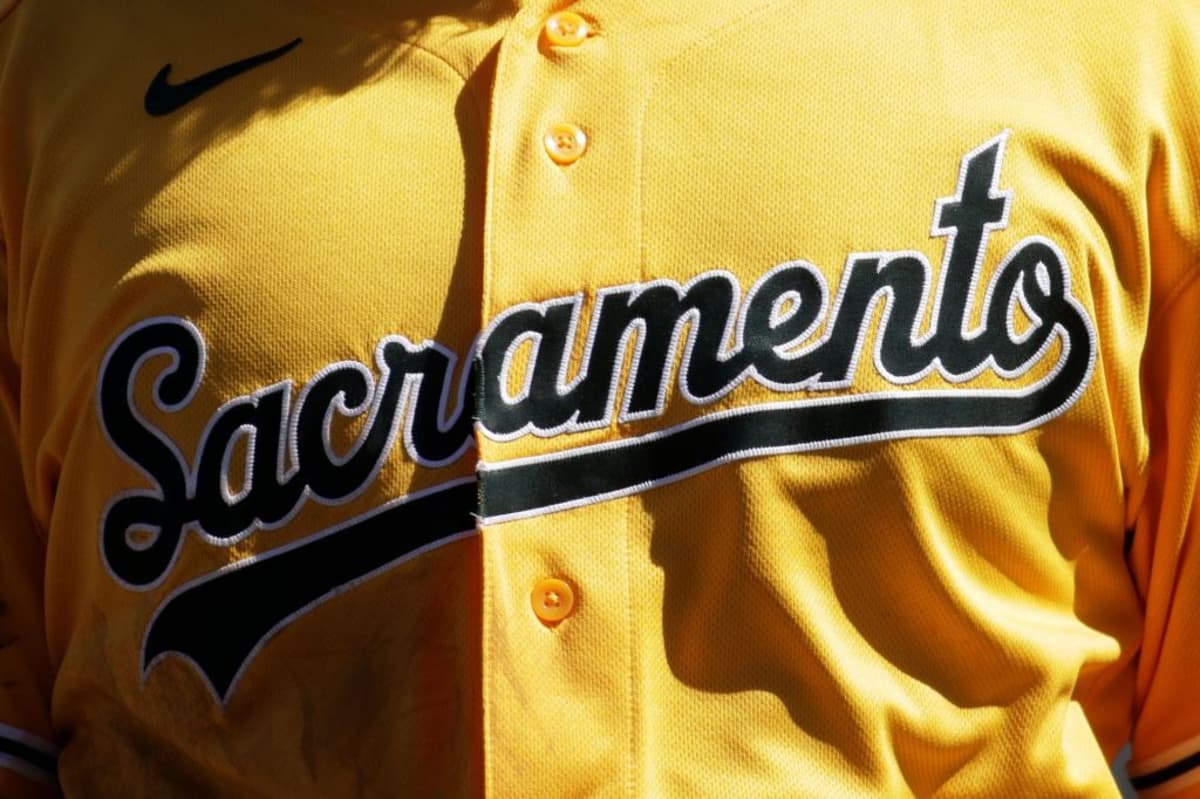
Sacramento’s Bid Intensifies MLB’s Complex Expansion Derby
Companies Mentioned
Why It Matters
If approved, Sacramento would bring a major‑league franchise to a lucrative West Coast market, reshaping regional media rights and travel logistics while forcing MLB to reassess expansion fees and league structure.
Key Takeaways
- •Sacramento claims $800M private, $1B public funding for ballpark
- •No lead investor yet; A’s attendance lowest in MLB
- •Expansion fee likely above $2.2B after $3.9B Padres sale
- •MLB may realign leagues, cutting travel and sparking new rivalries
- •Bids also from Salt Lake City, Nashville, Orlando, Vancouver, Mexico City
Pulse Analysis
The Sacramento bid arrives at a pivotal moment for Major League Baseball, which is courting new markets to boost national viewership and revenue streams. By leveraging a sizable $800 million private investment pool and $1 billion in tax‑increment financing, the city signals it can meet the league’s financial expectations despite lacking a headline investor. Sacramento’s market rank—20th in the nation and the second‑largest without a club—offers a compelling case for advertisers and broadcasters seeking fresh regional footholds, especially as the A’s’ temporary stay has highlighted the city’s appetite for a permanent franchise.
However, Sacramento faces stiff competition and several structural hurdles. The league’s expansion fee, previously pegged at $2.2 billion per team, is likely to climb after the $3.9 billion record sale of the San Diego Padres, demanding deeper pockets from bidders. Concurrently, MLB must resolve the Tampa Rays stadium impasse, finalize a new collective‑bargaining agreement, and decide on a geographic realignment that could dissolve the historic American and National league split. These moving parts add uncertainty to the timeline and could shift the focus from pure market size to a city’s ability to navigate league‑wide logistical and labor challenges.
If Sacramento secures a franchise, the ripple effects could be significant. A West Coast team would enhance regional rivalries, reduce travel burdens for existing clubs, and open new local sponsorship opportunities. Moreover, the city’s commitment to a modern ballpark could set a benchmark for future expansion projects, influencing how MLB structures its expansion fees and realignment plans. As Commissioner Rob Manfred aims to finalize two new markets before his 2029 departure, Sacramento’s bid underscores the league’s broader strategic shift toward market diversification and operational efficiency.
Sacramento’s Bid Intensifies MLB’s Complex Expansion Derby
Comments
Want to join the conversation?
Loading comments...