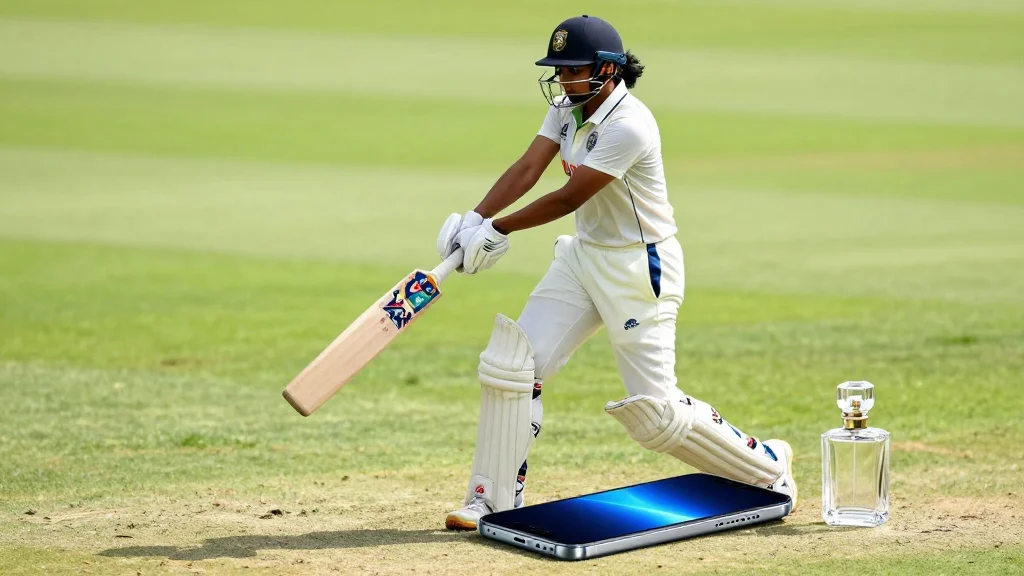
Still Waiting for Their Kohli Moment: What Brands Owe Women’s Cricket
Why It Matters
Brands that shift from short‑term, cause‑based deals to strategic, multi‑year partnerships will unlock untapped commercial value and advance gender equity in sports marketing.
Key Takeaways
- •Endorsement fees for top women cricketers now $240‑$300k annually.
- •Brands still limit women athletes to beauty and lifestyle categories.
- •Male cricketers secure fintech, luxury, auto deals with higher fees.
- •Long‑term, multi‑season contracts needed to close the gender gap.
- •ICC Women’s T20 World Cup offers a strategic commercial window.
Pulse Analysis
The 2025 ICC Women’s World Cup triumph and Smriti Mandhana’s record‑breaking WPL season have thrust Indian women’s cricket into the spotlight. Mandhana now commands endorsement fees of roughly $240,000‑$300,000 a year across health, lifestyle and sportswear brands, a sharp rise from pre‑tournament levels. Yet the surge is still a fraction of the earnings enjoyed by male counterparts. As the 2026 Women’s T20 World Cup approaches, brands are scrambling to attach their names to the sport, but many treat these deals as short‑term media buys rather than strategic partnerships.
The data reveals a structural category gap. Female cricketers are predominantly linked to beauty, skincare and affordable apparel, signaling a market perception that their value lies in lifestyle appeal. In contrast, male stars such as Virat Kohli secure fintech, luxury automobile and premium watch contracts, each delivering higher fees and longer contract terms. Kroll’s 2024 Celebrity Brand Valuation places Kohli at a $231 million valuation, while no woman athlete cracks the top‑25 list. This disparity is not a supply issue; it reflects brand choices that confine women athletes to lower‑margin categories.
Closing the gap requires brands to adopt a long‑term, multi‑season mindset. Multi‑year agreements that span beyond a single tournament, coupled with category expansion into finance, technology and premium goods, can elevate women’s cricket to the same commercial tier as the men’s game. Such investments not only align with evolving consumer expectations for gender equity but also tap into a rapidly growing fan base that follows the sport year‑round. The upcoming T20 World Cup provides a natural launchpad, but the real payoff will come from sustained narrative building that positions women cricketers as authoritative brand ambassadors, not just cause‑related faces.
Still Waiting for Their Kohli Moment: What Brands Owe Women’s Cricket
Comments
Want to join the conversation?
Loading comments...