The Cast Of Characters May Change, But The Brewers Just Keep Winning
Why It Matters
The Brewers’ model proves that small‑market teams can sustain competitiveness without a luxury tax ceiling, reshaping free‑agency dynamics across MLB. Their approach forces larger clubs to reconsider spending strategies and talent valuation.
Key Takeaways
- •Brewers trade stars for prospects, maintaining competitive window
- •Early long-term contracts lock homegrown talent before free agency
- •Front office blends scouting with analytics for optimal player valuation
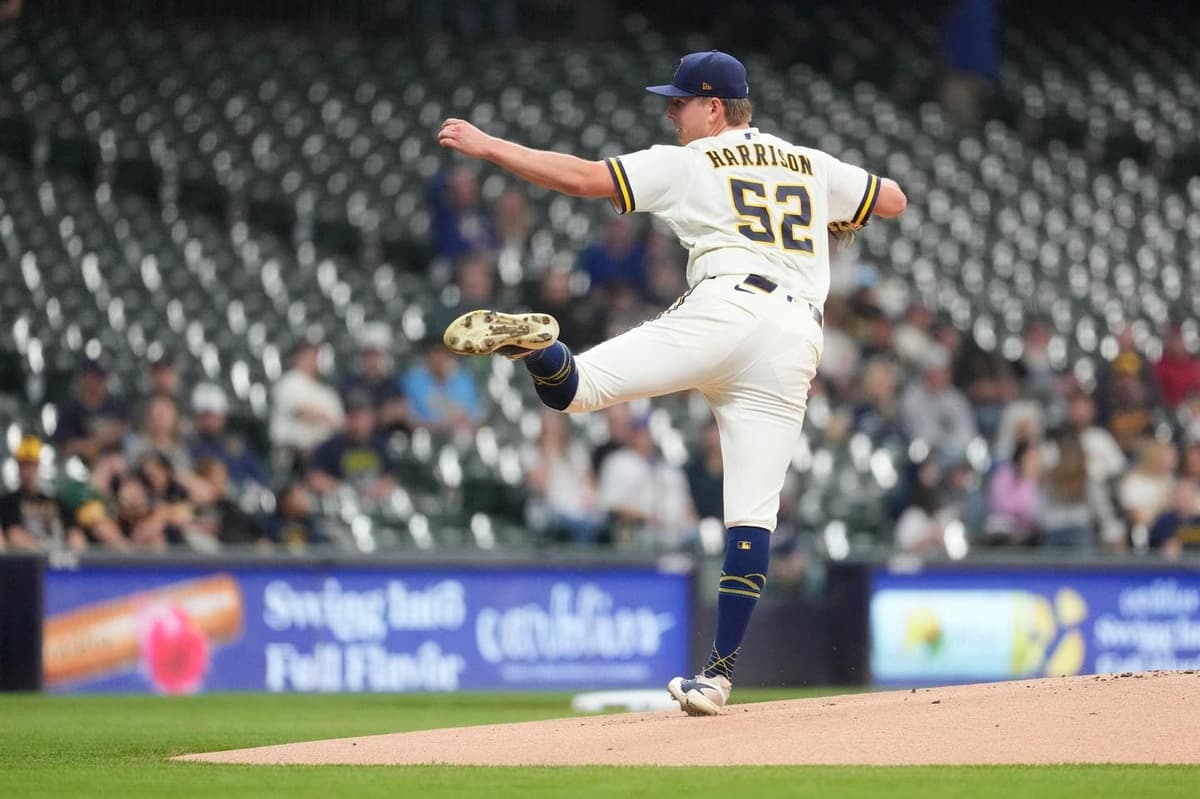
- •Acquisitions like Harrison and Zerpa bolster pitching depth
- •Consistent drafting sustains pipeline despite frequent roster turnover
Pulse Analysis
The Milwaukee Brewers have turned roster churn into a strategic advantage, leveraging the market’s free‑agency premium to acquire high‑upside talent at reduced cost. By trading marquee arms such as Hader and Burnes before they command market rates, the club not only recoups value but also avoids the payroll spikes that trigger luxury‑tax penalties for larger franchises. This model challenges the conventional wisdom that sustained success requires deep pockets, prompting other small‑market teams to explore similar "sell high, buy low" tactics.
A cornerstone of the Brewers’ blueprint is pre‑emptive contract extensions for homegrown players. Signing Jackson Chourio to an eight‑year, $82 million deal before his MLB debut and locking up prospect Cooper Pratt for eight years at $50.75 million illustrate a willingness to invest early for cost certainty. Even injury‑laden Brandon Woodruff received a two‑year, $17.5 million contract, with a subsequent $22.025 million qualifying offer, reflecting the club’s confidence in its medical and development staff. These agreements provide predictable payroll while preserving flexibility, allowing Milwaukee to allocate resources toward depth pieces rather than inflated free‑agency bids.
The Brewers’ success also stems from a sophisticated talent pipeline that marries traditional scouting with advanced analytics. Recent acquisitions like right‑hander Kyle Harrison and left‑hander Angel Zerpa showcase a data‑driven eye for undervalued pitchers capable of immediate impact. Coupled with a robust Latin‑American presence and a track record of drafting elite infield prospects, the organization maintains a steady flow of contributors. As the team continues to lead the league standings, its hybrid approach may finally translate into postseason breakthroughs, potentially ending the franchise’s World Series drought that dates back to 1982.
The Cast Of Characters May Change, But The Brewers Just Keep Winning
Comments
Want to join the conversation?
Loading comments...